
Everest Base Camp: DIY Trek Timeline Guide
Planning a trek to Everest Base Camp requires meticulous preparation and realistic expectations about timing. Unlike many DIY projects where you can adjust timelines on the fly, mountaineering demands strict adherence to acclimatization schedules and weather windows. This comprehensive guide breaks down exactly how long your Everest Base Camp journey will take, from initial planning through summit return, helping you understand the commitment required for this legendary high-altitude adventure.
The total time investment for an Everest Base Camp trek typically spans 12-16 days, though the actual trekking portion covers only 5-7 days of active hiking. The remaining time accounts for acclimatization, rest days, and logistical transfers. Understanding this timeline helps you plan vacation days, arrange work coverage, and mentally prepare for the physical and psychological demands ahead. Whether you’re a seasoned DIY project planner or tackling your first major expedition, breaking the trek into manageable phases ensures success.

Pre-Trek Preparation Timeline
Your Everest Base Camp journey begins months before stepping foot on the trail. Most experienced trekkers recommend starting preparation 3-6 months in advance, similar to how you’d plan a complex DIY build project. This preparation phase includes obtaining permits, arranging guides, booking flights, and conducting physical training.
Months 3-6 Before Departure: Research operators, check visa requirements, and begin cardiovascular training. Register with your embassy and obtain travel insurance covering high-altitude trekking. According to the Nepal Tourism Board, permits must be arranged through licensed trekking operators. Purchase specialized gear including high-altitude boots, insulated jackets, and sleeping bags rated for sub-zero temperatures.
Months 2-3 Before Departure: Intensify physical conditioning with hill training, stair climbing, and cardio workouts. Complete any necessary vaccinations and medical check-ups. Book domestic flights from Kathmandu to Lukla, which can fill quickly during peak seasons. Finalize arrangements with your guide or trekking company and discuss acclimatization strategies.
Weeks 2-4 Before Departure: Confirm all bookings and travel documents. Practice using your trekking gear in real conditions. Review altitude sickness symptoms and familiarize yourself with emergency protocols. Pack methodically, ensuring nothing exceeds weight limits for domestic flights.
Arrival and Initial Acclimatization
Your first 2-3 days involve arrival in Kathmandu and initial preparation. Most trekkers arrive exhausted from international flights spanning 20+ hours. Plan 1-2 days in Kathmandu for rest, final gear purchases, and briefings with your guide. This period allows your body to begin adjusting to Nepal’s elevation (approximately 1,400 meters) and establishes crucial logistics.
Day 1 typically involves arrival, hotel check-in, and exploration of Kathmandu’s Thamel district for last-minute supplies. Day 2 provides time for guide meetings, equipment checks, and acclimatization walks around the city. On Day 3, you’ll fly to Lukla (2,860 meters), which takes 35-40 minutes but represents a significant elevation gain. The Lukla airstrip is notoriously challenging, with operations dependent on weather conditions. Flights frequently get delayed or cancelled, so budget 2-3 extra days for potential delays.
Upon arrival in Lukla, you’ll trek to Phakding (2,610 meters) for your first night in the mountains. This short 3-4 hour trek allows your body to begin acclimatization while covering manageable distance. The modest elevation loss from Lukla to Phakding actually aids initial adjustment.
Trekking Phases Breakdown
The actual trekking portion divides into distinct phases, each serving specific acclimatization and progression purposes. Like managing a multi-stage DIY project timeline, each phase builds on previous accomplishments.
Phase 1: Phakding to Namche Bazaar (Days 4-5) covers approximately 19 kilometers over two days. Day 4 takes you from Phakding through Monjo and to Namche Bazaar (3,440 meters), a 5-6 hour trek gaining 830 meters elevation. This challenging day tests your fitness and introduces serious altitude. Day 5 is a crucial acclimatization day in Namche Bazaar, the main trading hub and largest settlement in the Khumbu region. Rest completely, take acclimatization walks to higher elevations, and allow your body to adjust. Many trekkers experience initial altitude symptoms here—mild headaches, slight nausea, or disrupted sleep are normal.
Namche Bazaar sits at a critical elevation threshold where altitude effects become noticeable. The International Society for Mountain Medicine recommends minimum 2-3 days at this elevation before progressing higher. Ignore this advice at your peril; rushing causes serious altitude sickness.
Phase 2: Namche to Tengboche (Days 6-7) covers 16 kilometers over two days. Day 6 goes to Khumjung (3,623 meters) or Khunde, a moderate 4-5 hour trek. Day 7 continues to Tengboche (3,867 meters), another 5-6 hour trek descending slightly before climbing. Tengboche hosts a famous Buddhist monastery and provides excellent acclimatization benefits. Another rest day (Day 8) in Tengboche strengthens your adaptation and allows exploration of the monastery and surrounding trails.
Phase 3: Tengboche to Dingboche (Days 9-10) covers 18 kilometers in two days. Day 9 traverses to Deboche (3,630 meters), then Pangboche (3,930 meters), a 5-6 hour trek. Day 10 reaches Dingboche (4,410 meters), the second-highest village with permanent habitation, requiring 4-5 hours. Dingboche is crucial for acclimatization—plan at least one full rest day here. This elevation brings serious altitude effects for many trekkers. Sleep disturbances, reduced appetite, and mild breathlessness are common. The Everest Base Camp Trek guides emphasize that skipping Dingboche rest days significantly increases altitude sickness risk.
Phase 4: Dingboche to Lobuche East (Days 11-12) covers 10 kilometers in two days. Day 11 goes to Pheriche (4,371 meters), a 4-5 hour trek with minimal elevation gain. Pheriche hosts a medical clinic operated by the Himalayan Rescue Association—excellent for altitude assessments. Day 12 continues to Lobuche East (4,930 meters), requiring 6-7 hours and significant effort due to altitude. Many trekkers feel substantially weaker here; this is normal and expected at nearly 5,000 meters.
Base Camp Experience
Days 13-14 cover the final push to Everest Base Camp (5,364 meters). Day 13 from Lobuche involves trekking to Gorakshep (5,160 meters), a 5-6 hour journey across moraine terrain. Gorakshep is the last settlement and your staging point for Base Camp. Most trekkers rest here overnight, then day-hike to Base Camp on Day 14 (2-3 hours), returning to Gorakshep for sleep. This arrangement prevents sleeping at the extreme altitude of Base Camp itself, which offers minimal comfort and significant altitude stress.
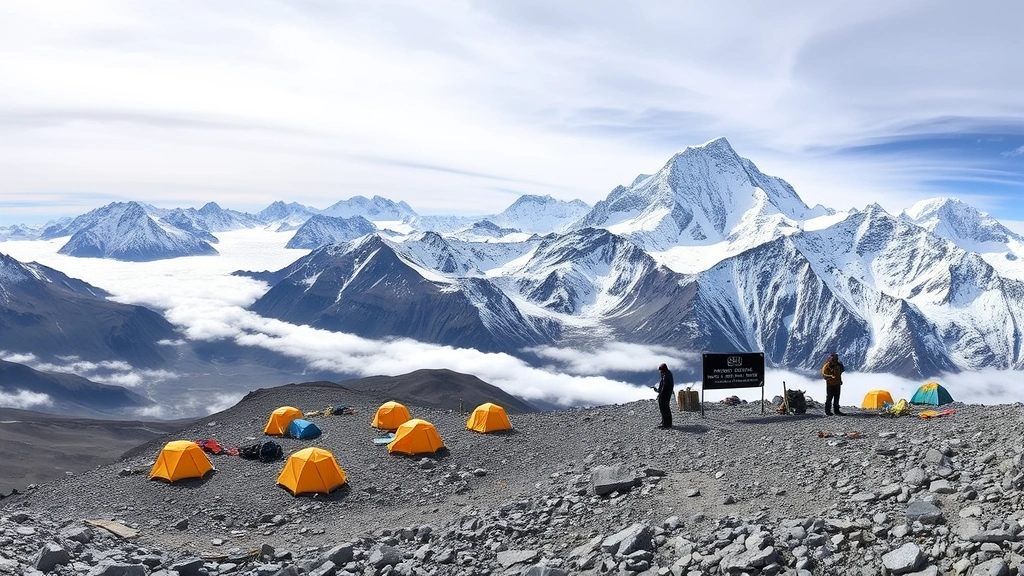
Base Camp itself is not a town but rather a collection of expedition camps used by climbers attempting the summit. The trek terminus sits at 5,364 meters, where the air contains roughly 50% of the oxygen available at sea level. Views are extraordinary—the south face of Everest dominates the landscape, with Nuptse and Lhotse forming an amphitheater of ice and rock. Most trekkers spend 2-4 hours at Base Camp before returning to Gorakshep, absorbing the accomplishment and photographing the iconic views.
The experience at Base Camp differs dramatically from lower elevations. Breathing feels labored, movement is slow, and mental clarity diminishes. Despite these challenges, standing at Base Camp represents a pinnacle achievement. Many trekkers describe it as life-changing—similar to completing a challenging long-term skill acquisition, the effort invested yields profound personal growth.
Descent and Recovery Timeline
Days 15-16 involve descent and return to lower elevations. The descent moves quickly—what took days ascending takes 1-2 days descending. Day 15 typically covers Gorakshep to Pheriche (4-5 hours), with Day 16 continuing to Namche Bazaar (6-7 hours) or stopping at Tengboche. Most trekkers feel dramatically better descending; increased oxygen availability reverses altitude effects rapidly.
Many operators include a final rest day in Namche Bazaar or Kathmandu before departure flights. This recovery time prevents returning home exhausted and allows reflection on your accomplishment. The descent is physically easier but mentally challenging—fatigue accumulates, and the initial trek excitement has faded. Maintain focus on safety; most accidents occur during descent when trekkers become complacent.
Total trek duration from Lukla return flight to Kathmandu adds 1-2 days. The Lukla flight back is weather-dependent and frequently delayed, so budget extra days. Your complete timeline from Kathmandu departure to return spans 12-16 days, with 5-7 days of actual trekking and 5-8 days of acclimatization and rest.
Altitude and Health Considerations
Altitude affects every trekker differently, making individual timeline adjustments necessary. Acute Mountain Sickness (AMS) can strike anyone, regardless of fitness level or prior experience. The golden rule: “Climb high, sleep low”—gain elevation during the day but sleep at lower elevations to allow acclimatization. This principle extends your timeline but dramatically reduces serious illness risk.
Recognize AMS symptoms: headache, nausea, fatigue, and difficulty sleeping. Mild symptoms are normal and typically resolve with rest and hydration. Severe symptoms require immediate descent. High Altitude Cerebral Edema (HACE) and High Altitude Pulmonary Edema (HAPE) are life-threatening conditions requiring immediate descent and medical attention. Familiarize yourself with these conditions before departing.
Hydration is critical—drink 3-4 liters daily, more at higher elevations. Dehydration accelerates altitude sickness. Eat regularly despite reduced appetite; your body needs fuel at altitude. Avoid alcohol and sleeping pills, which impair acclimatization. Some trekkers take Diamox (acetazolamide) as prescribed by their physician; discuss this with your doctor beforehand.
Physical fitness dramatically influences your timeline experience. Trekkers with strong cardiovascular fitness move faster, recover better between days, and experience less altitude distress. However, fitness doesn’t guarantee altitude tolerance—acclimatization remains the primary factor.
Seasonal Planning Guide
Everest Base Camp trekking seasons divide into spring (March-May) and fall (September-November), with each offering distinct advantages and challenges affecting your timeline.
Spring Season (March-May): Weather improves progressively, with May offering the most stable conditions. However, spring brings crowds—trails become congested, teahouses overflow, and permits sell out. Plan 3-6 months ahead for spring treks. Clear skies are more frequent, though snow may persist at higher elevations early in the season. Spring treks often experience fewer flight delays to Lukla, reducing timeline variability.
Fall Season (September-November): October offers the best overall conditions—stable weather, clear skies, and moderate temperatures. September remains warm at lower elevations, while November brings cold at higher elevations. Fall typically experiences fewer trekkers than spring, making logistics easier. Both seasons allow 12-16 day timelines with minimal weather-related delays.
Winter and Monsoon: Winter (December-February) brings extreme cold, heavy snow at higher elevations, and frequent flight cancellations. Timeline unpredictability increases dramatically. Monsoon season (June-August) brings daily rainfall, cloud cover, and poor visibility. Most operators don’t recommend these seasons for trekking.
Choose seasons aligned with your schedule and weather tolerance. Spring and fall both accommodate 12-16 day timelines reliably, while winter requires 2-3 extra buffer days for flight delays.
FAQ
Can I complete the Everest Base Camp trek faster than 12 days?
Technically yes, but not safely. Rushing the acclimatization schedule increases altitude sickness risk dramatically. The Mountain Medicine Society recommends minimum 2-3 days at elevations above 2,500 meters. Skipping rest days at Namche Bazaar and Dingboche invites serious health consequences. Plan 12-16 days to trek safely.
What if I experience severe altitude sickness?
Descend immediately. Altitude sickness worsens with continued elevation gain. Descending even 500 meters significantly improves symptoms. Severe symptoms like confusion, difficulty walking, or severe breathlessness require rapid descent and medical attention. Your guide carries oxygen and knows evacuation procedures. Never tough out severe symptoms.
How fit must I be for this trek?
You need strong cardiovascular fitness and hiking experience, but you don’t need to be an elite athlete. Regular cardio training (running, cycling, stair climbing) for 3-4 months beforehand prepares you adequately. Previous hiking experience with elevation gain helps but isn’t mandatory. Many recreational hikers successfully complete this trek with proper preparation.
Can I trek alone or must I hire a guide?
While technically possible to trek independently, guides are highly recommended. They manage logistics, monitor your health, navigate routes, and provide cultural insights. Guides also assist if altitude sickness strikes. Most trekkers hire guides for safety and enrichment, though independent trekking is possible if you’re experienced in mountain travel.
What’s the cost and does it affect timeline?
Guided treks typically cost $1,200-$2,500 depending on accommodation quality and services. Independent trekking costs $500-$800. Budget doesn’t directly affect timeline, though budget operators might rush acclimatization to reduce costs. Choose operators emphasizing safety and proper acclimatization over speed.
How do I prepare physically for this trek?
Begin training 3-4 months before departure. Focus on cardiovascular fitness through running, cycling, or rowing 3-4 times weekly. Add hiking with elevation gain weekly—climb hills or use stair machines with weighted packs. Strengthen legs through squats and lunges. Practice with your trekking gear to ensure comfort. Build aerobic capacity more than pure strength; endurance matters more than power at altitude.


