
Learn Piano Fast? Expert Tips for Quick Progress
Learning piano is one of the most rewarding musical pursuits, but many aspiring musicians wonder how long it really takes to achieve meaningful proficiency. The truth is nuanced—progress depends on your goals, practice intensity, and learning approach. Whether you’re interested in playing simple melodies within weeks or mastering complex compositions, understanding realistic timelines and proven strategies will accelerate your journey significantly.
This comprehensive guide explores evidence-based methods for rapid piano learning, backed by music education research and instructor expertise. We’ll break down what “learning piano” actually means, how deliberate practice shapes your progress, and the specific techniques that separate fast learners from those who plateau. By applying these principles consistently, you can achieve competency faster than you might expect.
Understanding Piano Learning Timelines
The question “how long does it take to learn piano” lacks a single answer because proficiency exists on a spectrum. Music educators typically recognize several competency levels, each requiring different time investments. A beginner can play simple one-handed melodies within 2-4 weeks of consistent practice. Basic two-handed coordination and simple songs typically emerge after 2-3 months. Intermediate playing—where you can tackle diverse genres and styles—usually develops over 1-2 years of dedicated study.
According to research from the Royal Irish Academy of Music and similar institutions, the “10,000-hour rule” often cited in popular culture doesn’t apply directly to piano. Instead, quality matters more than raw hours. A student practicing 30 minutes daily with focus will progress faster than someone practicing three hours without structure or feedback. The variable factors include age, musical background, finger dexterity, listening skills, and motivation level.
For adults learning piano, age isn’t a barrier—adult brains retain neuroplasticity sufficient for rapid learning. However, adults often progress through different phases than children. You might develop music theory understanding faster while building hand strength more slowly. Setting realistic milestone expectations prevents discouragement and maintains motivation through the learning curve.
The Role of Deliberate Practice
Deliberate practice—focused, goal-oriented practice with immediate feedback—is the primary driver of rapid piano progress. This concept, developed by psychologist K. Anders Ericsson, distinguishes between mindless repetition and strategic skill development. Playing the same piece repeatedly without analyzing errors constitutes practice; identifying specific technical problems and targeting those weaknesses constitutes deliberate practice.
Effective deliberate practice for piano includes several components. First, you must identify specific technical or musical goals for each session—not just “practice for an hour.” Second, you need immediate feedback, ideally from a qualified instructor who can pinpoint errors in hand position, finger technique, and interpretation. Third, you should maintain focus throughout practice, which typically means shorter, more intense sessions beat longer, unfocused ones. Research suggests 45-60 minute sessions hit the optimal window before mental fatigue degrades learning efficiency.
Breaking difficult passages into smaller segments and practicing them slowly builds neuromuscular memory more effectively than repeatedly attempting full-speed performance. This technique, called “chunking,” allows your brain to encode precise motor patterns. Once mastered slowly, gradual tempo increases maintain accuracy while building speed. Many fast learners practice technically demanding sections at 50-60% of target tempo, then incrementally increase speed over multiple sessions.
Essential Fundamentals to Master First
Rushing through fundamentals is the primary reason many piano students plateau. Strong foundational skills—proper posture, hand position, finger technique, and music reading—create the infrastructure for rapid advancement. Investing time in these basics during your first 4-8 weeks pays dividends throughout your musical journey.
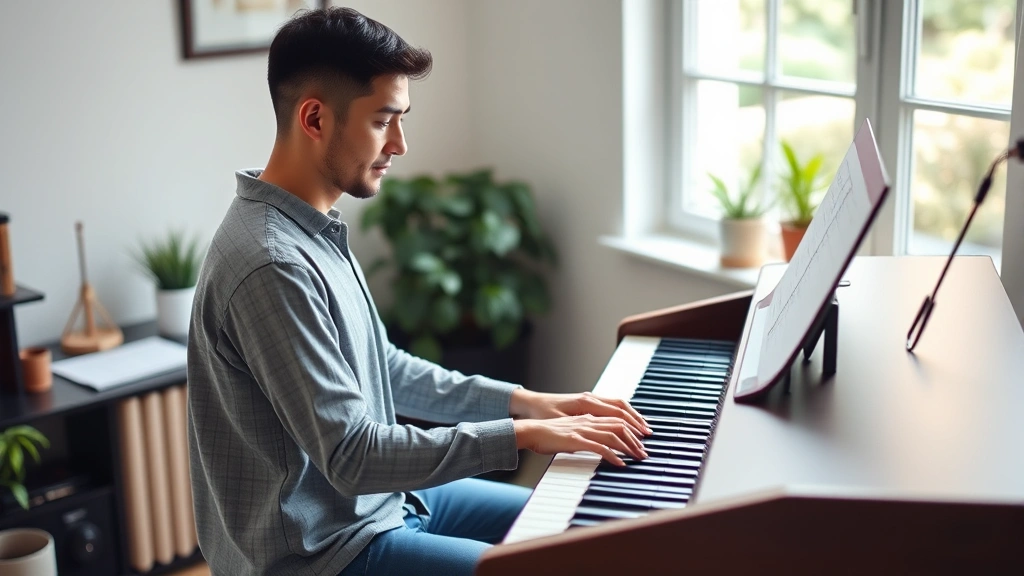
Proper posture prevents injury and enables efficient technique. Your back should remain straight but relaxed, shoulders loose, and elbows at roughly 90 degrees. Many beginners develop tension in their shoulders and neck, which restricts movement and causes fatigue. A qualified instructor can identify postural issues immediately, while online learners should reference video tutorials carefully.
Hand position determines finger independence and control. Curved fingers allow each digit to strike keys with proper force and precision. Flat or collapsed fingers limit dexterity and speed. Practicing hand position exercises—five-finger patterns, scales, and arpeggios—builds the muscle memory necessary for complex pieces. These fundamentals might seem tedious, but they’re non-negotiable for sustainable progress.
Music reading ability directly impacts learning speed. Students who read notation fluently can learn new pieces independently, while those struggling with reading rely entirely on instructor guidance or memorization. Dedicating time to music theory and note-reading during early learning accelerates your ability to tackle diverse repertoire. Consider your home music education library—resources like Music Theory’s interactive lessons provide structured, gamified learning.
Choosing the Right Learning Method
Your learning method significantly influences how quickly you progress. The primary options include private instruction, group classes, self-teaching with books or apps, and hybrid approaches combining multiple methods.
Private instruction traditionally offers the fastest progress. A qualified instructor provides personalized feedback, corrects errors immediately, and adjusts teaching to your learning style. They prevent bad habits from forming and identify technical issues before they become ingrained. However, quality varies significantly, and finding an excellent teacher requires research. Look for instructors with formal training, performance experience, and positive student reviews.
Group classes provide community and motivation at lower cost, but offer less personalized attention. They work well for beginners establishing fundamentals, but may slow progress for dedicated self-directed learners.
Self-teaching requires exceptional discipline and self-awareness. Without external feedback, you’ll likely develop technique problems that become harder to correct later. However, supplementing self-teaching with occasional instructor evaluations—even monthly—catches problems early. Many fast self-taught learners use apps like Flowkey or Simply Piano that provide real-time feedback through microphone detection.
The optimal approach for most learners combines private lessons (2x monthly minimum) with consistent independent practice and supplementary app-based learning. This hybrid method balances personalized guidance with self-directed skill development.
Building Your Practice Routine
Consistency beats intensity for sustainable piano progress. Practicing 30 minutes daily outperforms practicing three hours once weekly. Daily practice keeps neural pathways active and maintains muscle memory, while irregular practice requires extensive review time before you can resume productive work.
Structure your practice sessions strategically. Begin with 5-10 minutes of warm-up exercises—scales, arpeggios, and finger dexterity drills. These prepare your fingers and establish proper technique before tackling repertoire. Next, allocate 15-25 minutes to technical work on current pieces, focusing on specific challenging passages using deliberate practice principles. Finally, spend remaining time on repertoire you’ve already partially mastered, building confidence and enjoyment.
Track your progress systematically. Recording yourself weekly reveals improvements you might miss day-to-day and provides motivation. Written practice logs documenting which passages you worked on and specific improvements made help you stay organized and accountable. Many students find that written reflection—noting what went well and what needs work—enhances learning significantly.
Progressive piece selection matters enormously. Choose pieces slightly above your current level—challenging enough to promote growth, but achievable with focused effort. Pieces too easy bore you and waste practice time; pieces too difficult frustrate and discourage. A qualified instructor helps calibrate difficulty appropriately.

Technology and Tools That Accelerate Progress
Modern technology offers powerful tools for accelerated piano learning. Digital keyboards with weighted keys (simulating acoustic piano resistance) cost significantly less than acoustic pianos while providing essential feedback. MIDI keyboards connected to computers unlock software possibilities for learning and practice.
Learning apps vary widely in quality. Synthesia uses “falling note” visualization (similar to Guitar Hero) to teach note recognition and timing. While entertaining, this approach has limitations for serious musicians. Music theory apps like Music Theory.net provide structured fundamentals education. Metronome apps ensure rhythmic accuracy—essential for developing timing precision.
Video instruction from reputable sources supplements but shouldn’t replace qualified instruction. YouTube channels by accomplished pianists offer technique demonstrations and repertoire guidance. However, without personalized feedback, you can’t be certain you’re implementing techniques correctly.
Recording yourself using basic smartphone audio or video captures progress objectively. Reviewing recordings reveals timing issues, inconsistent dynamics, and technical problems that you might miss while playing. This feedback loop accelerates improvement significantly.
Consider exploring resources like the National Federation of Community Concerts, which connects musicians with performance opportunities and community resources.
Overcoming Common Learning Obstacles
Understanding common challenges helps you navigate them effectively. Plateau periods—where progress stalls despite consistent practice—occur when you’ve mastered foundational techniques but haven’t yet integrated them into more complex playing. Breaking through plateaus requires adjusting your approach: try new repertoire styles, explore advanced technique resources, or increase practice intensity temporarily.
Hand pain or tension indicates technique problems, not weakness. Proper technique should feel relatively effortless. If you experience discomfort, consult an instructor immediately. Continuing with poor technique while in pain risks repetitive strain injury, which can sideline your progress for months. Preventive measures include proper posture, adequate warm-up, and reasonable practice duration.
Frustration emerges when progress feels invisible. Combat this by celebrating small wins—playing a passage cleanly for the first time, maintaining steady tempo, or successfully performing before friends. Connecting with other piano learners through communities or classes provides motivation and normalizes the learning journey’s challenges.
Time constraints plague many adult learners. Even 20 minutes of focused daily practice beats sporadic longer sessions. If your schedule is truly constrained, consider this: learning piano gradually over two years while maintaining other life commitments beats abandoning the pursuit because you couldn’t dedicate ideal practice time.
If you’re interested in other enriching DIY pursuits while developing musical skills, exploring DIY Nests Hub Blog offers diverse creative projects. Additionally, the discipline developed through consistent piano practice transfers to other domains—whether you’re tackling DIY basement finishing or DIY house painting, the same focus principles apply. For those developing fine motor control through piano, DIY beginner woodworking projects offer complementary skill development.
FAQ
How long does it take to play simple songs on piano?
With consistent daily practice and good instruction, you can play simple melodies like “Twinkle Twinkle Little Star” within 2-4 weeks. Basic two-handed coordination for simple songs typically develops over 2-3 months. Progress depends heavily on practice quality and frequency—30 minutes daily beats sporadic longer sessions.
Can adults learn piano as quickly as children?
Adults learn differently than children but can progress rapidly. Adults often develop music theory understanding faster and practice more efficiently. However, children typically develop finger flexibility and speed more quickly. Adult learners should expect 6-12 months to reach intermediate competency, compared to 1-2 years for many children due to differences in practice discipline and hand development.
What’s the minimum daily practice required for fast progress?
Twenty to thirty minutes of focused, deliberate practice daily accelerates progress significantly. Less than this provides insufficient stimulus for neural adaptation and muscle memory development. Occasional longer sessions (60 minutes) can supplement daily practice but shouldn’t replace consistency. Quality matters more than quantity—30 minutes of focused work beats two hours of unfocused repetition.
Do I need an acoustic piano or will a keyboard work?
A weighted keyboard with 88 keys and hammer action (simulating acoustic piano resistance) works effectively for learning. Acoustic pianos provide superior sound and touch, but cost substantially more. Many learners start with quality keyboards and upgrade later. However, avoid cheap, unweighted keyboards—they don’t develop proper finger strength and technique.
How important is music theory for learning piano quickly?
Music theory accelerates learning significantly. Understanding chord structures, scales, and harmonic progressions allows you to learn new pieces independently and improvise creatively. Dedicating 10-15 minutes weekly to theory study pays substantial dividends. However, theory shouldn’t replace hands-on playing—integrate theory learning with practical keyboard application.
Should I memorize pieces or read from sheet music?
Develop both skills simultaneously. Reading from notation allows you to learn diverse repertoire independently. Memorization builds confidence and enables expressive performance. Many pianists read initially, then memorize through repeated performance. Memorizing before reading fluency develops limits your ability to learn new pieces independently.


