Grill Frozen Burgers: Expert Tips & Timing Guide
Grilling frozen burgers is a practical solution for busy weeknights and spontaneous backyard gatherings. Unlike thawed patties, frozen burgers require specific timing and technique adjustments to ensure even cooking, proper browning, and food safety. Whether you’re hosting a summer cookout or preparing a quick family dinner, understanding how to grill frozen burgers correctly transforms what seems like a shortcut into a legitimate cooking method that yields delicious results.
The key difference between grilling frozen and fresh burgers lies in heat transfer and cooking duration. Frozen patties need longer exposure to heat, but with the right approach—including temperature management, timing precision, and strategic flipping—you can achieve perfectly cooked burgers with a golden crust and juicy interior. This comprehensive guide covers everything from preparation through plating, ensuring your frozen burger experience rivals traditional methods.
How Long to Grill Frozen Burgers: Basic Timing
Grilling frozen burgers typically requires 15 to 20 minutes of total cooking time on a standard outdoor grill, compared to 10 to 12 minutes for thawed patties. This extended duration allows the frozen center to thaw and cook through while the exterior develops a flavorful crust. The exact timing depends on several variables including burger thickness, grill temperature, and your preferred level of doneness.
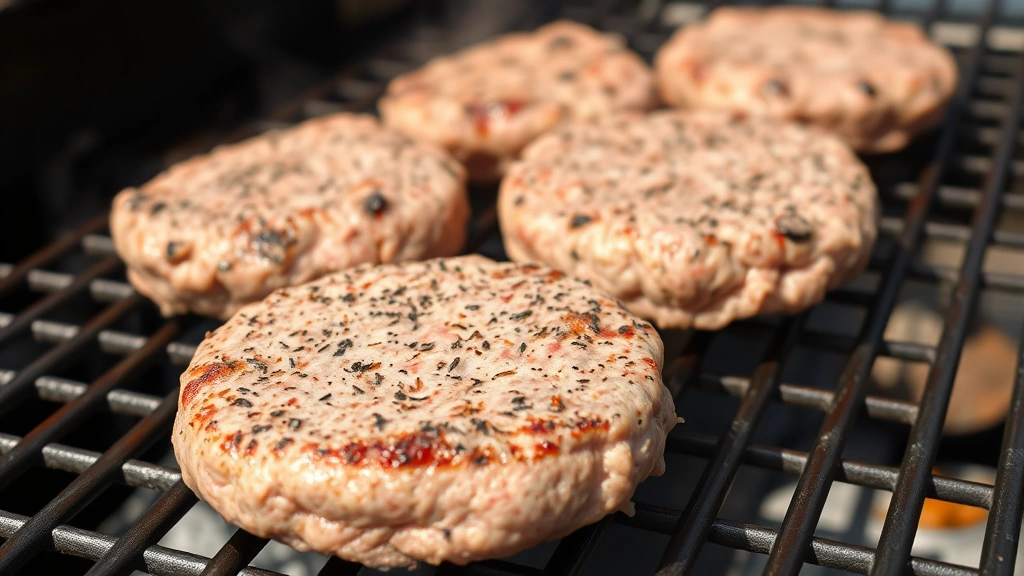
For standard quarter-pound frozen burgers (approximately 0.75 inches thick), plan for roughly 7 to 10 minutes per side. Start with medium-high heat—around 375 to 400 degrees Fahrenheit—and place frozen patties directly on clean grill grates. Resist the urge to press down on burgers during cooking, as this squeezes out valuable juices and creates a drier final product. Instead, let the heat work naturally to cook the patty from both sides.
Thicker frozen burgers (1 inch or more) may require 12 to 15 minutes per side at slightly lower temperatures (350-375°F) to ensure the interior reaches safe temperatures before the exterior burns. Conversely, ultra-thin frozen patties (less than 0.5 inches) cook faster—approximately 5 to 7 minutes per side—and benefit from higher heat to develop proper browning before overcooking.
Understanding these baseline timings helps you plan your grilling session and coordinate burger readiness with other dishes. Many home cooks find that grilling techniques for thicker cuts apply similarly to frozen burgers, particularly regarding indirect heat strategies and resting periods.
Temperature and Heat Management
Proper grill temperature is the foundation of successful frozen burger cooking. Most outdoor grills perform optimally at medium-high heat (375-400°F) for frozen patties, which provides enough thermal energy to thaw the interior while browning the exterior without creating a raw center or charred surface.
If your grill has temperature zones—which is common with gas grills—utilize this feature strategically. Preheat the grill to medium-high on one side, leaving the other side at medium or medium-low. Start cooking frozen burgers over the hotter zone to establish a crust, then move them to the cooler side if they’re browning too quickly. This indirect cooking method prevents exterior burning while allowing the frozen interior adequate time to thaw and reach proper internal temperatures.
Charcoal grills require similar temperature management. Arrange coals to create a hot zone and a moderate zone. Charcoal naturally burns hotter initially, so monitor your frozen burgers closely during the first few minutes. Use a USDA food safety resource to understand proper internal temperature requirements—ground beef must reach 160°F throughout to eliminate harmful bacteria.
Maintaining consistent temperature throughout the cooking process prevents uneven cooking and reduces the risk of partially frozen centers. Many experienced grillers use instant-read thermometers to monitor grill temperature, ensuring accuracy and reproducibility across multiple grilling sessions.

Preparation Steps Before Grilling
Proper preparation significantly impacts frozen burger results. Begin by cleaning your grill grates thoroughly with a grill brush and high heat. This removes residual debris and creates a non-stick surface that prevents patties from sticking and tearing. Oil the grates lightly using a folded paper towel dipped in high-heat cooking oil—this additional protection ensures better release and browning.
Do not thaw frozen burgers before grilling, as this practice increases bacterial growth risk and creates undesirable texture changes. The frozen state actually protects the interior during the initial high-heat phase. However, you may season frozen burgers before placing them on the grill or wait until they’re partially cooked to add salt and pepper, which prevents moisture loss.
Arrange your workspace efficiently by having all necessary tools and seasonings within arm’s reach of the grill. Prepare a clean plate for finished burgers, position buns and toppings nearby, and set up your thermometer for quick doneness checks. This organization prevents distractions and reduces the risk of overcooking while you search for supplies.
Preheat your grill for at least 10 to 15 minutes before adding frozen burgers. This ensures grates reach proper temperature and helps establish the initial crust formation. Many grill manufacturers, including Weber grills, recommend preheating as a standard practice for optimal results.
Flipping and Cooking Techniques
The flipping technique for frozen burgers differs slightly from traditional burger cooking. Place frozen patties on preheated grates and resist flipping for the first 6 to 8 minutes. This extended initial phase allows the bottom to develop a crust and the interior to begin thawing. Premature flipping interrupts crust formation and can cause patties to stick or fall apart.
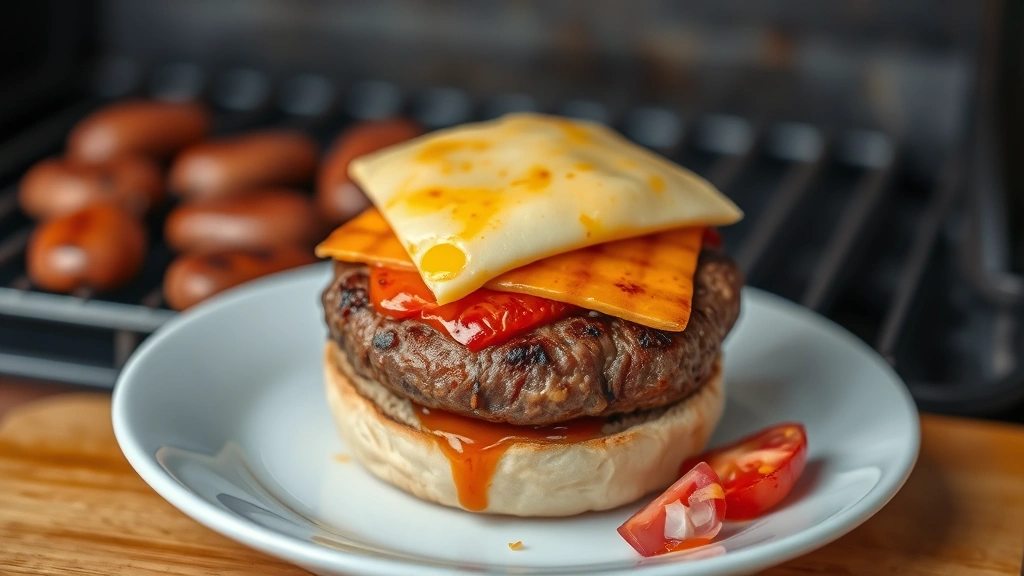
When you flip frozen burgers, do so with a single confident motion using a sturdy spatula. Avoid repeated prodding or flipping, which disturbs the cooking process. After flipping, cook for an additional 6 to 8 minutes on the second side. During this phase, you can add cheese (if desired) during the final 1 to 2 minutes of cooking, allowing it to melt slightly before the burger reaches the plate.
Monitor for visual cues indicating doneness. The burger surface should develop a rich brown crust with slight charring at the edges. Juices rising to the surface suggest internal cooking progress. If you notice excessive flare-ups from fat drippings, move burgers temporarily to cooler grill zones to prevent burning.
Many home cooks benefit from learning techniques used when grilling other proteins, particularly the importance of consistent heat and minimal interference. These principles apply universally across frozen and fresh proteins, improving overall grilling competency.
Safety Considerations and Doneness Testing
Food safety is paramount when grilling frozen burgers. Ground beef must reach an internal temperature of 160°F throughout, as measured by an instant-read thermometer inserted into the thickest part of the patty without touching the grill surface. This temperature eliminates pathogenic bacteria including E. coli and Salmonella, ensuring safe consumption for all diners.
Insert your thermometer horizontally into the burger’s center for the most accurate reading. If your frozen burgers are particularly thick, check multiple locations to ensure even cooking. The USDA Food Safety and Inspection Service emphasizes that color alone is not a reliable doneness indicator—only temperature measurement guarantees safety.
Remove burgers from the grill once they reach 160°F and immediately place them on clean plates or buns. Avoid cross-contamination by never placing cooked burgers on surfaces that previously held raw patties. Allow burgers to rest for 2 to 3 minutes before serving, which redistributes juices throughout the patty and improves overall texture and flavor.
Practice proper food handling by keeping frozen burgers in the freezer until grilling time, thawing only through the cooking process. This cold-chain management prevents bacterial multiplication and maintains food safety standards recognized by health departments and culinary professionals.
Troubleshooting Common Issues
Problem: Burgers are browning too quickly on the outside but remain frozen inside. Solution: Reduce grill temperature to 350-375°F and move burgers to cooler zones. Extend cooking time accordingly, checking internal temperature frequently. The exterior should develop color gradually over the full cooking duration rather than burning quickly.
Problem: Frozen burgers stick to grill grates. Solution: Ensure grates are thoroughly cleaned and lightly oiled before preheating. Verify grates reach proper temperature before adding patties. Use a sturdy metal spatula with a thin edge for easier release. Resist moving burgers until a crust forms—usually after 6 to 8 minutes on the first side.
Problem: Burgers are dry after cooking. Solution: Avoid pressing down on patties during cooking, which squeezes out moisture. Do not overcook—remove burgers immediately upon reaching 160°F internally. Higher quality frozen burgers with higher fat content tend to remain juicier; check package labeling for fat percentages when selecting products.
Problem: Uneven cooking with some areas raw and others overdone. Solution: Use consistent medium-high heat and flip only once. Ensure frozen burgers are uniform in thickness before grilling. Thicker sections cook more slowly, so uniform patties promote even doneness. Consider using burger molds or selecting pre-formed patties of consistent size.
Problem: Excessive flare-ups and flames. Solution: This typically indicates fat dripping from burgers onto hot coals or burner elements. Move affected burgers to cooler zones temporarily. Trim excess external fat from frozen patties if possible before grilling. Keep a spray bottle of water nearby to manage small flare-ups, but avoid dousing burgers directly.
Comparing Frozen Burgers to Other Proteins
Understanding how frozen burgers compare to other grilled proteins helps contextualize timing and technique. Unlike grilling filet mignon, which emphasizes rare-to-medium doneness for optimal flavor, burgers require full cooking throughout due to ground meat’s texture and bacterial contamination risk. Ground beef contains more surface area exposure than whole cuts, increasing potential bacterial presence, which necessitates the 160°F safety standard.
Frozen burgers also differ from grilling chicken tenders in that poultry requires 165°F internal temperature rather than 160°F. Chicken’s structure and protein composition differ significantly from beef, affecting heat transfer and cooking duration. Frozen chicken tenders typically cook in 12 to 15 minutes, similar to frozen burgers, though the higher required temperature may extend cooking slightly.
The advantage of grilling frozen burgers over thawed patties is convenience and food safety. Frozen patties maintain structural integrity during initial high-heat phases and reduce handling time. For busy home cooks maintaining a DIY lifestyle, frozen burgers offer practical solutions without sacrificing quality when techniques are applied correctly.
Commercial establishments and food safety organizations recognize frozen burger grilling as a legitimate method. Many restaurants utilize frozen patties specifically because the frozen state preserves quality until the moment cooking begins. This practice demonstrates that frozen burgers, when handled properly, produce results comparable to fresh alternatives.
FAQ
Can I grill frozen burgers without thawing them first?
Yes, you can and should grill frozen burgers without thawing. Grilling directly from frozen is actually safer and produces better results. Thawing increases bacterial growth risk and causes texture degradation. The frozen state protects the interior during initial high-heat exposure, allowing controlled cooking throughout.
What internal temperature must frozen burgers reach?
Ground beef burgers must reach 160°F internal temperature for food safety. This temperature eliminates harmful bacteria including E. coli and Salmonella. Use an instant-read thermometer inserted into the thickest part of the burger to verify doneness accurately.
How do I prevent frozen burgers from sticking to the grill?
Clean grill grates thoroughly with a grill brush before preheating. Lightly oil the grates using a paper towel dipped in high-heat cooking oil. Ensure grates reach proper temperature before adding burgers. Avoid moving burgers until a crust forms on the bottom, usually after 6 to 8 minutes.
Should I season frozen burgers before or after placing them on the grill?
You can season before grilling, but many cooks prefer adding salt and pepper after the patty has been on the grill for a few minutes. This approach prevents moisture loss from salt’s osmotic effect. Alternatively, season immediately after removing from the grill while the surface is still hot.
What grill temperature works best for frozen burgers?
Medium-high heat (375-400°F) is optimal for frozen burgers. This temperature provides sufficient thermal energy to thaw and cook the interior while browning the exterior. Adjust downward if exterior is browning too quickly relative to interior cooking progress.
Can I cook frozen burgers on a charcoal grill?
Absolutely. Charcoal grills work excellently for frozen burgers. Arrange coals to create hot and moderate zones for temperature control. Monitor closely during initial cooking phases as charcoal burns hotter initially. The same 15 to 20 minute total cooking time applies with proper heat management.
How do I know when frozen burgers are done without a thermometer?
While a thermometer is the most reliable method, visual cues include firm texture when pressed gently with a spatula, brown color throughout the patty when cut, and no pink interior visible. However, food safety experts recommend always using a thermometer to ensure proper internal temperature, as color is not a reliable safety indicator.
Should I flip frozen burgers more than once?
No, flip only once during cooking. Place frozen burgers on the grill and wait 6 to 8 minutes before flipping. Cook for an additional 6 to 8 minutes on the second side. Multiple flips interrupt crust formation and can cause burgers to stick or fall apart.
What’s the difference between grilling frozen and fresh burgers?
Frozen burgers require longer cooking time (15-20 minutes versus 10-12 minutes) and benefit from initial high heat without flipping for extended periods. Fresh burgers cook faster but may have higher bacterial contamination risk if not handled properly. Both methods are valid when proper temperatures and techniques are employed.
Can I add cheese to frozen burgers while grilling?
Yes, add cheese during the final 1 to 2 minutes of cooking on the second side. The residual heat will melt the cheese slightly without overcooking the burger. Close the grill lid briefly to accelerate melting if desired, though this isn’t necessary for proper cheese application.


