Grill Chicken Tenders: Chef-Approved Timing Guide
Grilling chicken tenders is one of the most rewarding outdoor cooking experiences, offering perfectly juicy meat with a beautiful charred exterior when done correctly. Whether you’re preparing a family dinner or hosting a backyard gathering, understanding the precise timing and temperature control separates mediocre results from restaurant-quality chicken. This comprehensive guide walks you through every step of the process, from preparation through plating.
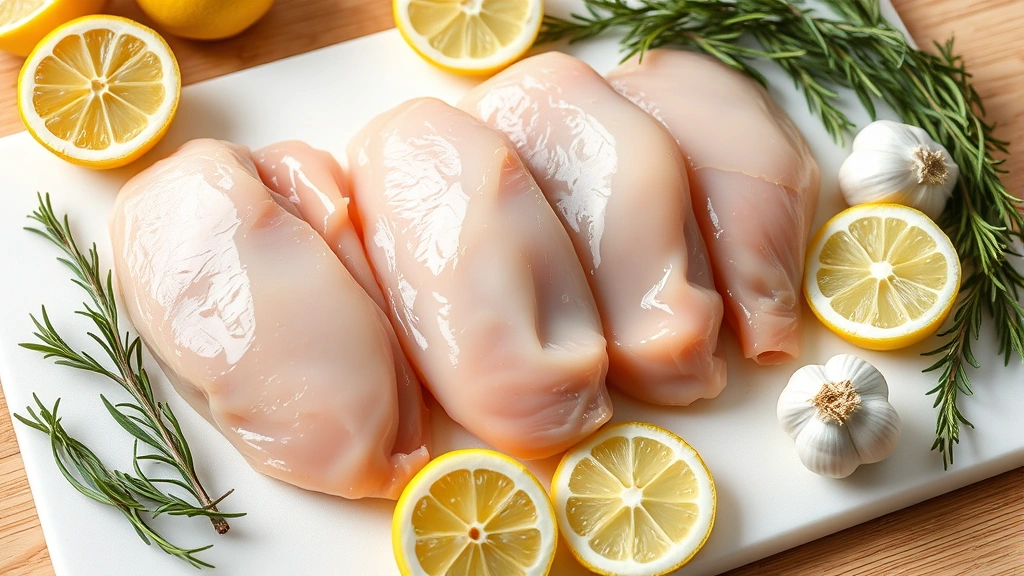
Chicken tenders are the tender strips of meat located underneath the chicken breast, making them naturally lean and quick-cooking. Their smaller size compared to whole breasts means they require careful attention to prevent drying out while ensuring the internal temperature reaches safe levels. The key to success lies in proper marinating, consistent heat management, and knowing exactly when your chicken reaches doneness.
Understanding Chicken Tender Anatomy
Chicken tenders are premium cuts that come from the pectoralis minor muscle, the small muscle beneath the main breast meat. This anatomical positioning means they’re naturally tender and cook much faster than whole breasts—typically in 6 to 8 minutes depending on thickness and grill temperature. Understanding this structure helps explain why timing is critical; these thin cuts can go from perfectly cooked to dry in just 60 seconds of overcooking.
The average chicken tender weighs between 1.5 to 2.5 ounces and measures roughly 3 to 4 inches long and 1 to 1.5 inches thick. This uniform size is one of the main advantages of cooking tenders rather than whole breasts, as they cook evenly without requiring butterflying or pounding. When shopping for tenders, look for uniform thickness and avoid packages with excessive liquid, which indicates older product.
Fresh chicken tenders maintain better moisture content during grilling compared to previously frozen varieties. If using frozen tenders, thaw them completely in the refrigerator for 24 hours before cooking. Partially thawed chicken will cook unevenly, with the outer edges potentially becoming overcooked while the interior remains undercooked.
Preparation and Marinating Techniques
Proper preparation begins at least 2 to 4 hours before grilling, though overnight marinating produces superior flavor penetration. A basic marinade combines acid (lemon juice, vinegar, or buttermilk), oil, and seasonings to tenderize the meat while infusing flavor. The acid denatures surface proteins, creating a protective barrier that helps retain moisture during high-heat cooking.
Consider these effective marinade bases:
- Mediterranean Style: Olive oil, lemon juice, garlic, oregano, and black pepper
- Asian-Inspired: Soy sauce, ginger, sesame oil, rice vinegar, and scallions
- Smoky BBQ: Worcestershire sauce, apple cider vinegar, paprika, and brown sugar
- Herb Garden: Buttermilk, fresh rosemary, thyme, garlic, and Dijon mustard
Pat tenders dry with paper towels before marinating to ensure proper seasoning adhesion. Place them in a shallow dish or ziplock bag, cover completely with marinade, and refrigerate. Avoid over-marinating beyond 8 hours, as excessive acid can break down the meat structure excessively, creating a mushy texture.
Remove chicken from the refrigerator 20 to 30 minutes before grilling to allow it to reach room temperature. Cold meat placed directly on a hot grill will experience thermal shock, potentially sticking to grates and cooking unevenly. Room temperature chicken develops a better crust and cooks through more evenly throughout its thickness.
Grill Setup and Temperature Control
Successful grilling starts with proper equipment setup and temperature management. For chicken tenders, you need a medium-high heat source ranging from 375°F to 425°F (190°C to 220°C). This temperature range allows the exterior to develop a golden-brown crust while the interior cooks through completely without drying out.
If using a gas grill, preheat for 10 to 15 minutes with all burners on high, then reduce to medium-high. For charcoal grills, light the coals 15 to 20 minutes before cooking, allowing them to develop a white ash coating. You want a grill that’s hot enough to create immediate sizzling when chicken makes contact with grates, indicating proper Maillard reaction initiation.
Create a two-zone heating system by leaving one side of the grill at medium-high heat and the other at medium or medium-low. This setup provides flexibility if tenders are cooking too quickly or if flare-ups occur. The cooler zone serves as a safety area where you can move chicken if flames threaten to char the exterior excessively.
Clean grill grates thoroughly with a wire brush before cooking. Oil the grates lightly with high-heat oil (vegetable, canola, or avocado oil) using a folded paper towel held with tongs. This prevents sticking and promotes better browning. Never spray oil directly on hot grates, as this creates fire hazards.
Cooking Times and Temperature Guidelines
The fundamental answer to “how long to grill chicken tenders” depends on several variables: grill temperature, tender thickness, and whether you’re using direct or indirect heat. As a baseline, expect 6 to 8 minutes total cooking time over direct medium-high heat, with 3 to 4 minutes per side for average-thickness tenders.
Temperature benchmarks guide your cooking process:
- 375°F to 400°F: 8 to 10 minutes total (thicker tenders or slower cooking preferred)
- 400°F to 425°F: 6 to 8 minutes total (standard timing for most recipes)
- Above 425°F: 5 to 6 minutes total (high-heat searing, requires careful monitoring)
Thinner tenders (under 1 inch) cook in 5 to 6 minutes, while thicker ones (1.5 inches or more) need 8 to 10 minutes. Consistency matters tremendously—if your tenders vary significantly in thickness, pound them to uniform ¾-inch thickness before marinating to ensure even cooking.
For comparison, if you’re also preparing other poultry, our guide on how long to grill bone-in chicken thighs covers longer cooking times required for bone-in cuts. Similarly, understanding how long it takes to boil chicken thighs provides context for comparing cooking methods.
Flipping and Monitoring Techniques
Resist the urge to flip chicken tenders constantly. Each flip interrupts the browning process and prevents proper crust development. The optimal technique involves single flipping: place tenders on the grill, leave them undisturbed for 3 to 4 minutes, then flip once and cook for another 3 to 4 minutes.
Use long-handled tongs rather than a spatula for flipping, as tongs provide better control and reduce the risk of piercing the meat and releasing juices. Piercing allows flavorful juices to escape, resulting in drier finished product. When flipping, move tenders at a slight angle to break the suction between meat and grate, preventing tearing.
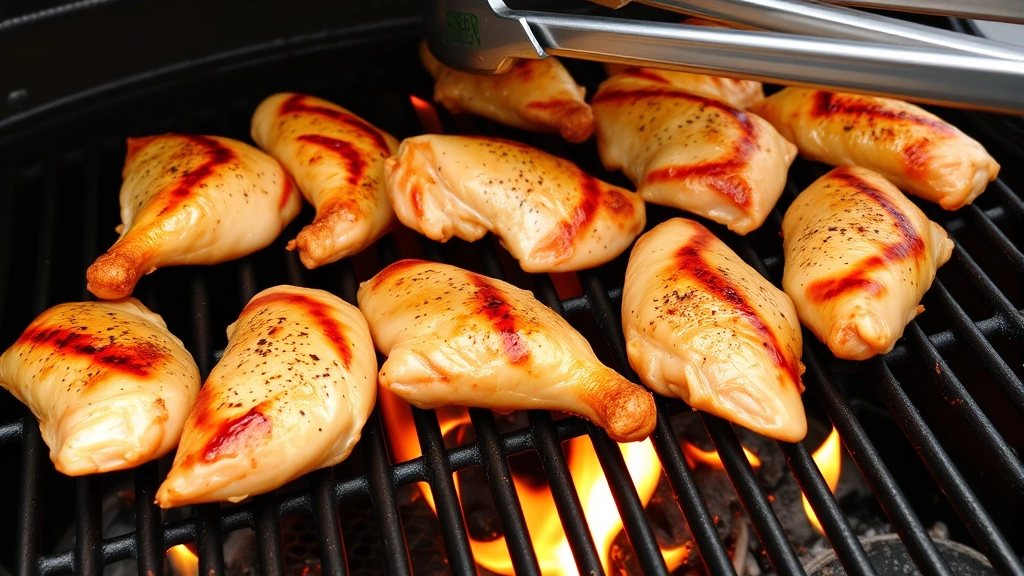
Watch for visual cues indicating progress. After the first 2 minutes, grill marks should be forming. By 3 to 4 minutes, the first side should show golden-brown coloring with defined grill marks. If the exterior is charring before 3 minutes elapse, your grill is too hot; move tenders to the cooler zone and extend total cooking time.
Maintain consistent monitoring without obsessive checking. Use a meat thermometer to verify internal temperature without cutting into the meat and losing juices. Insert the thermometer into the thickest part of the tender, ensuring it reaches the center without touching bone (though tenders have no bones).
Testing for Doneness
The most reliable doneness indicator is internal temperature. According to USDA food safety guidelines, chicken must reach an internal temperature of 165°F (74°C) throughout to eliminate foodborne pathogens. Use an instant-read meat thermometer for accuracy, inserting it horizontally into the thickest part of the tender.
Visual inspection provides secondary confirmation. Fully cooked chicken tenders show no pink coloration in the thickest section when cut open, and juices run clear rather than pink. The meat should be opaque throughout, with no translucent areas remaining.
The touch method offers a quick assessment for experienced grillers. Fully cooked chicken feels firm throughout when pressed gently with a finger, whereas undercooked chicken feels soft and squishy. However, this method is less reliable than thermometer verification, especially for beginners.
Never rely solely on cooking time, as grill temperature variations, tender thickness differences, and outdoor temperature fluctuations affect actual cooking duration. Always verify with a thermometer to ensure food safety while avoiding overcooking.
Resting and Serving
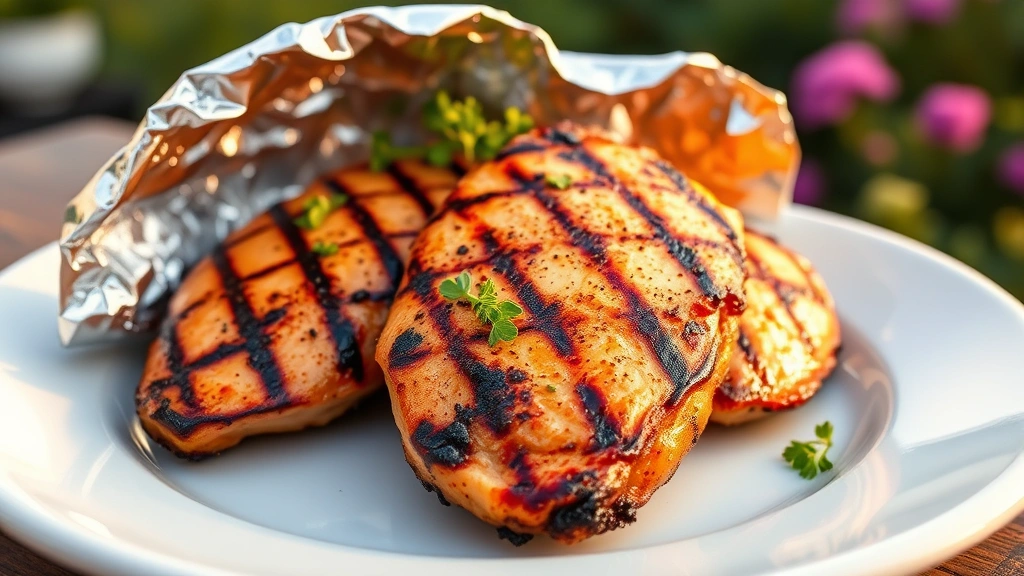
Proper resting is critical for texture and moisture retention. Remove tenders from the grill when they reach 165°F internally, then place them on a clean plate loosely covered with foil. Allow them to rest for 3 to 5 minutes before serving. During this resting period, carryover cooking continues slightly, and muscle fibers relax, allowing retained juices to redistribute throughout the meat.
The resting period prevents the “squeeze test” effect—when you cut into meat immediately after cooking, juices flow out onto the plate rather than remaining in the meat. Resting allows these juices to reabsorb, resulting in more tender, juicier chicken tenders.
Serve tenders immediately after resting for optimal texture and temperature. Pair them with complementary sides such as grilled vegetables, fresh salads, or grain-based sides. Leftover tenders store well in airtight containers in the refrigerator for up to 4 days and can be reheated gently in a 325°F oven for 10 to 12 minutes.
Common Mistakes to Avoid
Skipping the marinade: While tenders are naturally tender, marinating adds flavor and moisture protection. Even 30 minutes makes a noticeable difference compared to unmarinated tenders.
Using cold chicken: Placing refrigerator-cold tenders directly on the grill creates uneven cooking. Always allow 20 to 30 minutes for temperature equalization before cooking.
Overcrowding the grill: Placing tenders too close together creates steam rather than sear, preventing proper browning. Leave at least 1 inch between pieces for optimal air circulation and heat contact.
Frequent flipping: Constantly turning chicken prevents crust formation and dries out the exterior. Flip only once, midway through cooking.
Ignoring flare-ups: Fat dripping onto coals causes flames that char the exterior excessively. Keep a spray bottle nearby and move tenders to cooler zones when flames appear.
Overcooking: Cooking beyond 165°F internal temperature results in dry, tough meat. Remove tenders at exactly 165°F and allow carryover cooking during resting.
Skipping temperature verification: Relying solely on cooking time without thermometer confirmation risks undercooked chicken or unnecessary overcooking. Always verify with a meat thermometer.
Poor grate preparation: Dirty grates and lack of oiling cause sticking and uneven browning. Clean and oil grates before every grilling session.
FAQ
How long do chicken tenders take to grill at 400°F?
At 400°F, average-thickness chicken tenders require 6 to 8 minutes total cooking time, flipping once at the 3 to 4-minute mark. Verify doneness with a meat thermometer reading 165°F internally rather than relying solely on time, as variations in tender thickness and grill hot spots affect actual duration.
Can you grill frozen chicken tenders?
Grilling frozen tenders is not recommended as they cook unevenly—exterior may overcook while interior remains undercooked. Thaw tenders completely in the refrigerator for 24 hours before grilling. If time is limited, use the cold water thawing method, submerging sealed packages in cold water for 30 to 45 minutes, changing water every 10 minutes.
Should you marinate chicken tenders before grilling?
Marinating is highly recommended, though not absolutely required. Even 30 to 60 minutes of marinating adds flavor and creates a protective layer that helps retain moisture. Optimal results come from 2 to 4 hours of marination, with diminishing returns after 8 hours as excessive acid breaks down the meat structure.
What’s the best way to prevent chicken tenders from drying out?
Prevent dryness through several strategies: marinate before cooking, avoid overcooking beyond 165°F internal temperature, rest tenders for 3 to 5 minutes after cooking to allow juice redistribution, use medium-high rather than extremely high heat, and avoid piercing the meat with utensils during cooking. Brining for 1 to 2 hours before marinating provides additional moisture retention.
Can you cook chicken tenders on indirect heat?
Yes, indirect heat cooking works well for tenders, though it requires longer cooking times. Set up a two-zone grill with heat on one side only, place tenders on the unheated side, and maintain 350°F to 375°F. This method takes 10 to 12 minutes but reduces burning risk and is ideal for thicker tenders.
How do you know when grilled chicken tenders are done?
The most reliable method is checking internal temperature with a meat thermometer—165°F indicates safe doneness. Secondary indicators include clear juices (not pink), opaque coloring throughout with no translucent sections, and firm texture when pressed gently. Never rely on cooking time alone, as grill temperature variations affect actual duration.
What temperature should the grill be for chicken tenders?
Optimal grill temperature ranges from 375°F to 425°F for chicken tenders. This medium-high heat allows proper browning while cooking through completely in 6 to 8 minutes. Higher temperatures (above 425°F) risk exterior charring before interior cooks through, while lower temperatures (below 375°F) produce pale, steamed chicken rather than properly seared tenders.


