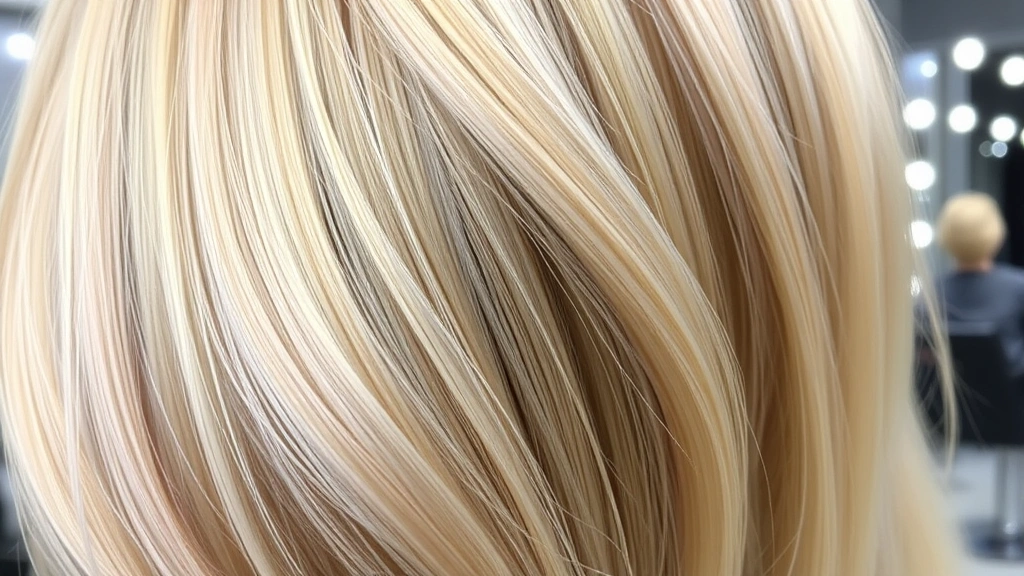
How Long to Leave Hair Toner In: Complete Stylist Guide
Hair toner is one of the most transformative products in any colorist’s arsenal, yet timing its application remains a source of confusion for both professionals and at-home users. Whether you’re neutralizing brassy tones, enhancing blonde highlights, or correcting color mishaps, understanding exactly how long to leave toner in hair can mean the difference between salon-quality results and disappointing color outcomes. This comprehensive guide breaks down everything you need to know about toner timing, application techniques, and the science behind why duration matters so critically.
The fundamental principle behind hair toner is that it deposits temporary or semi-permanent pigment onto your hair shaft to adjust undertones and create your desired final color. Unlike permanent hair dye, toner works more subtly and requires precise timing to achieve optimal results. Most professional stylists recommend leaving toner in for 20 to 45 minutes, depending on multiple variables including your hair’s porosity, the specific toner formula, desired intensity, and current hair condition. Understanding these variables ensures you achieve the exact shade you’re envisioning without over-processing or under-developing your color.
Standard Toner Timing Guidelines
Professional stylists typically follow established timing protocols when applying hair toner, though these guidelines serve as starting points rather than absolute rules. The standard recommendation is 20 to 45 minutes, with most applications landing in the 25 to 30-minute range for optimal results on pre-lightened blonde or highlighted hair. This timeframe allows the toner pigments to properly penetrate the hair cortex and develop the desired tone without causing excessive damage to already-compromised strands.
For demi-permanent toners, which are the most commonly used professional products, the 20 to 30-minute window represents the sweet spot for most hair types. These formulations contain a lower peroxide level (typically 10 volume or less) and deposit color gradually as they process. Leaving demi-permanent toner in for less than 15 minutes often results in barely visible color development, while extending beyond 45 minutes can lead to overly dark or muddy tones that require correction.
Semi-permanent toners, which contain no peroxide and rely purely on pigment deposit, can safely remain on hair for 30 to 60 minutes without risk of damage, though most stylists still recommend the 20 to 45-minute range for consistent results. Visit our DIY Nests Hub Blog for additional beauty and personal care guidance. The key distinction is that semi-permanent formulas cannot lift or lighten hair; they only deposit tone, making extended processing times less critical for achieving results.
Permanent toners, which contain higher peroxide levels (typically 20 volume), require more careful timing and typically process in 30 to 45 minutes. These formulations are less commonly used in modern salons due to their potential for damage, but understanding their timing remains valuable for comprehensive toner knowledge.
Factors Affecting Toner Development Time
Hair porosity represents perhaps the most significant factor influencing how quickly toner develops and processes. Porosity refers to your hair’s ability to absorb and retain moisture and color pigments. High-porosity hair, which is often damaged, bleached, or previously color-treated, absorbs toner much more rapidly than low-porosity hair. This means high-porosity hair may achieve desired results in just 15 to 20 minutes, while the same toner might require 40+ minutes on low-porosity hair.
Understanding your hair’s porosity helps prevent common mistakes. If you have high-porosity hair and leave toner in for the full 45 minutes recommended for average porosity, you risk achieving an overly dark or undesired tone. Conversely, leaving toner on low-porosity hair for only 15 minutes may result in barely-there color development. Performing a strand test 24 hours before your full application allows you to determine your hair’s specific processing speed and adjust timing accordingly.
Hair texture significantly impacts toner timing as well. Fine, delicate hair typically processes toner faster than thick, coarse hair due to its smaller diameter and increased surface area relative to volume. Additionally, the current health and condition of your hair affects processing speed—hair that’s already damaged from previous chemical treatments tends to be more porous and thus processes faster.
Water temperature during application influences toner development. Warmer water opens the hair cuticle slightly, potentially accelerating pigment deposit, while cooler water may slow processing. Professional stylists often use room-temperature water to maintain consistent, predictable results. The specific toner brand and formula also matters tremendously; some professional-grade toners are engineered to develop quickly (20 minutes), while others are formulated for extended processing (45+ minutes).
Room temperature and humidity levels can subtly affect processing speed, though these factors are typically minor compared to porosity and texture. Hair that’s been freshly washed and is still slightly damp may process slightly faster than completely dry hair, as the moisture content influences pigment penetration.
Professional Application Methods
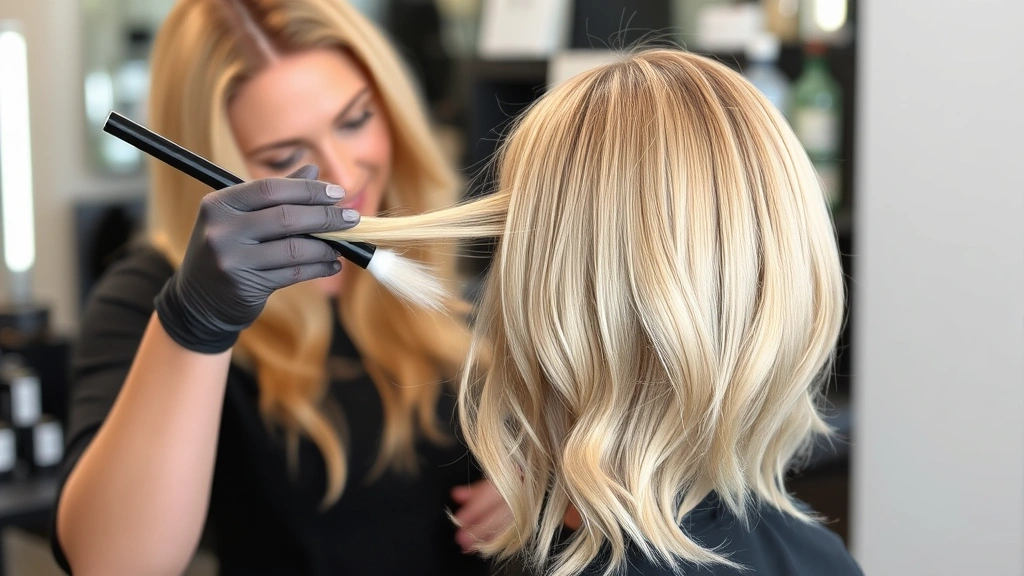
Salon professionals employ specific techniques to ensure consistent toner development and prevent patchy results. The application method directly influences how evenly toner processes throughout your hair, which affects the perceived development time and final color result. Sectioning the hair into four to six manageable sections allows stylists to apply toner systematically, ensuring even coverage and consistent processing.
Most professionals apply toner to mid-lengths and ends first, then apply to roots last. This technique, called “reverse application,” compensates for the fact that roots process faster due to scalp heat. By delaying root application by 5 to 10 minutes, stylists ensure the entire head develops at approximately the same rate, achieving uniform color.
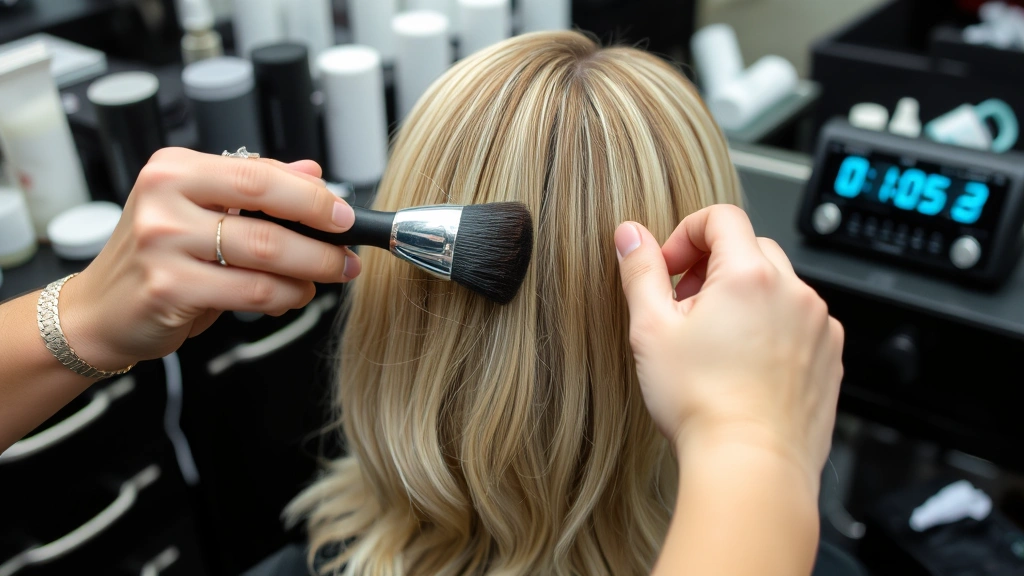
Professional stylists typically set a timer immediately after completing application, checking progress at the 10-minute mark by gently wiping away a small section of toner to assess color development. This mid-process check allows them to determine if timing adjustments are necessary before the full processing time completes. For those working on similar projects, checking the timing guidance for other personal care procedures demonstrates how crucial precise duration is across beauty treatments.
Temperature control represents another professional technique. Applying heat (via a plastic cap or warm towel) can accelerate toner development by 5 to 10 minutes, useful when working with stubborn, low-porosity hair. Conversely, removing heat or applying a cool towel can slow processing if the toner is developing too quickly.
Common Toner Types and Their Timing
Understanding the specific toner product you’re using is essential for determining appropriate processing time. Ash toners, designed to neutralize warm, brassy tones in blonde or light brown hair, typically process in 20 to 30 minutes. These toners are commonly used to achieve cool, platinum, or ash-blonde results and work by depositing cool-toned pigments over warm undertones.
Violet or purple toners, which neutralize yellow tones in blonde hair and are popular for understanding timing across various personal development activities, typically require 15 to 25 minutes for noticeable results. These toners are generally gentler and process quickly, making them ideal for maintaining blonde between salon visits.
Blue toners, used to counteract orange and brassy tones in light brown and dark blonde hair, usually process in 20 to 40 minutes depending on the specific formula and desired intensity. Blue toners deposit deeper pigmentation than violet products and therefore often require slightly longer processing times.
Neutral or clear toners, which add shine and subtle tone without significantly changing color, can remain on hair for 20 to 45 minutes with minimal risk. These toners are excellent for beginners because they’re forgiving if timing isn’t perfect.
Semi-permanent color toners, such as those used to create fashion colors (rose gold, mushroom blonde, etc.), typically process in 30 to 60 minutes, though many achieve satisfactory results in 30 to 45 minutes. These products deposit more pigment than traditional toners and can remain on hair longer without damage risk.
Preventing Over-Processing Damage
Over-processing toner represents one of the most common mistakes both professionals and at-home users make, resulting in muddy, overly dark, or unnatural-looking color. Setting a timer and adhering to it strictly prevents accidental over-processing. The temptation to leave toner in “just a few more minutes” for darker results often backfires, creating color that’s too intense or develops an undesired tone.
Understanding the visual signs of proper development helps you recognize when toner has processed sufficiently. Properly toned hair displays even color throughout, with no streaks, patches, or overly dark areas. If you notice the toner developing too quickly or intensely, you can rinse immediately rather than waiting for the full recommended time to elapse.
Pre-lightened hair requires particular attention to prevent over-processing damage. Hair that’s been bleached multiple times to achieve very light blonde is already compromised and processes toner rapidly. Reducing processing time by 5 to 10 minutes for heavily bleached hair helps prevent color that’s too dark or muddy.
Applying a protective base layer (though not directly applicable to hair, the principle of preparation applies) before toning, such as a leave-in conditioner on hair ends, can help protect already-damaged sections from additional processing stress. Professional stylists often use bond-building treatments during toning to minimize damage to compromised hair.
After-care following toner application significantly impacts how well color develops and lasts. Rinsing with cool water helps close the hair cuticle and lock in color pigments, while using color-safe shampoo and conditioner preserves toner tone over time. Avoiding heat styling and harsh treatments for 24 to 48 hours after toning allows the color to fully settle.
At-Home Toner Application Tips
Applying toner at home requires the same attention to timing and technique as professional application, though without salon expertise to fall back on. Always perform a strand test 24 hours before full application to determine your hair’s specific processing speed and ensure you achieve desired results. This critical step prevents full-head color disasters and allows you to adjust timing based on your hair’s unique characteristics.
Purchase a reliable timer—your phone’s timer or kitchen timer works perfectly—and set it immediately after completing toner application. Don’t rely on guessing or checking “in a few minutes”; precise timing ensures consistent results.
Read the manufacturer’s instructions thoroughly before beginning, as different brands recommend different processing times. Some professional-grade at-home toners recommend 15 to 20 minutes, while others suggest 30 to 45 minutes. Following the specific product’s guidance ensures optimal results.
Apply toner in a well-ventilated area and wear protective gloves throughout application and processing. Even though toner is gentler than permanent dye, it can still stain skin and cause irritation in sensitive individuals. Applying a thin layer of petroleum jelly along your hairline prevents toner from staining your skin.
Section your hair into four to six manageable sections using clips, then apply toner systematically to each section. This methodical approach ensures even coverage and prevents accidentally missing sections or over-applying to certain areas.
Check progress at the halfway point by gently wiping away a small amount of toner to assess color development. If the color is developing faster than anticipated, you can rinse immediately. If it’s developing slowly, allow additional processing time.
When the timer indicates processing is complete, rinse thoroughly with cool water until water runs clear. Use color-safe shampoo and conditioner, then apply a deep conditioning treatment to replenish moisture and protect your newly-toned hair. For additional DIY guidance on caring for your home and personal spaces, explore our comprehensive DIY resources, which emphasize the importance of following instructions precisely for optimal results.
FAQ
What happens if I leave toner in too long?
Leaving toner in too long results in overly dark, muddy, or unnatural-looking color. The pigments continue depositing onto your hair shaft, creating a color that’s darker and potentially more orange, blue, or purple than desired depending on the toner type. In extreme cases, over-processed toner can require color correction, which may involve additional chemical processing and potential damage.
Can I leave toner in for 24 hours?
No, leaving toner in for 24 hours is not recommended. Most toners reach full development within 45 minutes, and extended processing beyond this point doesn’t improve results. Additionally, leaving toner on your scalp for extended periods can cause irritation. Semi-permanent toners are somewhat more forgiving, but even these shouldn’t remain on hair longer than the recommended time.
Is 20 minutes enough time for toner to work?
For most high-porosity or previously bleached hair, 20 minutes is sufficient for toner to develop noticeably. However, low-porosity or virgin hair may require the full 30 to 45 minutes to achieve desired results. Strand testing determines whether 20 minutes is adequate for your specific hair type.
Why is my toner not showing up after 30 minutes?
If toner isn’t showing visible results after 30 minutes, your hair likely has low porosity, meaning it’s resistant to color absorption. Extend processing time to 45 minutes, or consider using a clarifying treatment before future toning to help open the hair cuticle and improve pigment absorption.
Should I apply heat while toner processes?
Applying gentle heat (via a plastic cap or warm towel) can accelerate toner development, particularly on low-porosity hair. However, excessive heat can potentially damage already-compromised hair. Keep heat moderate and monitor progress closely when using this technique.
Can I rinse toner out early if I like the color?
Yes, if you check progress and the toner has developed to your satisfaction before the recommended time expires, you can rinse immediately. This flexibility helps prevent over-processing and allows you to achieve your exact desired shade.
What’s the difference between toner and permanent color timing?
Permanent color typically processes in 30 to 45 minutes and contains peroxide that lifts existing color while depositing new pigment. Toner usually processes faster (20 to 45 minutes) and primarily deposits pigment without lifting. Semi-permanent toner contains no peroxide and can safely process for extended periods without damage risk.


