Perfectly Smoked Chicken Breast: Expert Time Guide
Smoking chicken breast requires precision, patience, and understanding the critical factors that separate mediocre results from restaurant-quality meat. Unlike thicker cuts that benefit from extended smoking times, chicken breast demands careful attention to temperature and timing to achieve that perfect balance of smoky flavor and juicy tenderness. This comprehensive guide walks you through everything you need to know about smoking chicken breast to perfection.
Whether you’re a seasoned pitmaster or picking up your smoker for the first time, mastering chicken breast smoking will elevate your outdoor cooking game. The key lies in understanding how lean protein responds to heat, smoke, and time. With the right approach, you’ll produce consistently excellent results that impress family and friends at every gathering.
How Long to Smoke Chicken Breast: The Basics
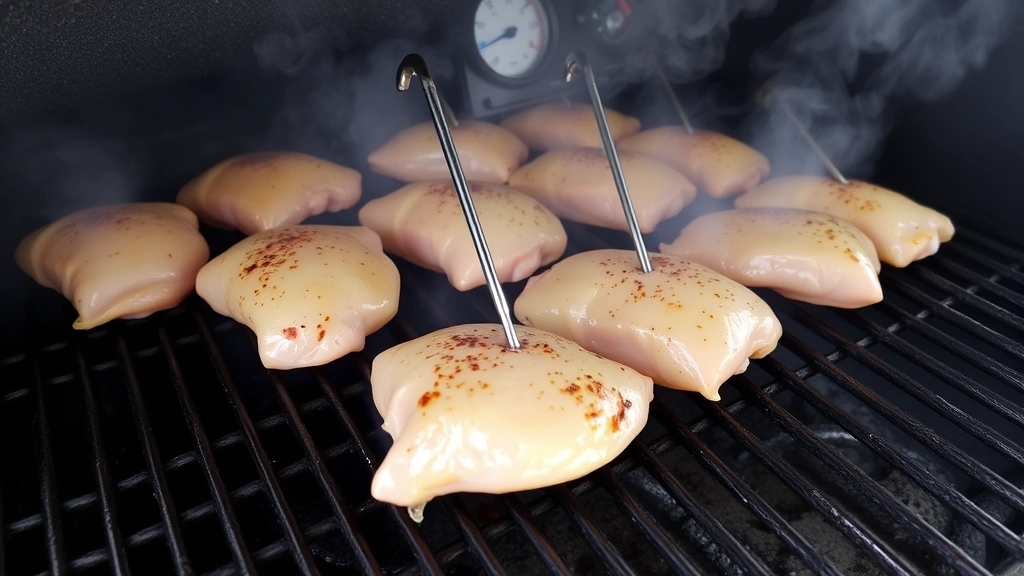
The fundamental answer to smoking chicken breast is straightforward: plan for 25 to 35 minutes at 275°F, or 15 to 20 minutes at 325°F. These timeframes assume boneless, skinless chicken breasts of standard thickness (roughly 6-8 ounces each). The exact duration depends on several variables including your smoker type, ambient temperature, and individual breast thickness.
Temperature control is absolutely critical when smoking chicken breast. Unlike beef brisket, where you might smoke brisket at 225 degrees for 12+ hours, chicken requires higher heat to cook through before the meat becomes dry. The lean nature of chicken breast means extended smoking at low temperatures will extract moisture rather than enhance it.
Most experienced smokers recommend maintaining a steady temperature between 275°F and 325°F as the sweet spot. This range allows sufficient time for smoke penetration while keeping cooking time short enough to preserve moisture. Boneless, skinless breasts typically reach safe internal temperature (165°F) within 30-40 minutes at these settings.
Bone-in, skin-on chicken breasts will require additional time—typically 35 to 45 minutes at 275°F. The bone conducts heat more slowly, and the skin provides insulation. However, the skin also renders fat that bastes the meat, creating superior flavor and texture compared to boneless options.
Temperature Settings for Optimal Results
Achieving the perfect smoked chicken breast begins with understanding smoker temperature management. Your smoker’s ambient temperature directly correlates with cooking time and meat quality. The National Barbecue & Grilling Association recommends maintaining consistent temperatures throughout the cooking process to ensure even cooking and food safety.
At 225°F to 250°F, expect longer cooking times of 40-50 minutes for boneless breasts. While this lower temperature produces maximum smoke ring development, it increases the risk of moisture loss in lean chicken. This range works better for bone-in preparations where the bone and skin provide protection.
The 275°F to 300°F range represents the most popular choice among competitive pitmasters. This moderate temperature cooks chicken through in 25-35 minutes while allowing adequate smoke flavor absorption. The faster cooking time minimizes drying, making this ideal for most home smokers and skill levels.
At 325°F and above, chicken breasts finish in 15-25 minutes. Higher temperatures require more attention to prevent overcooking, but they’re excellent if you’re concerned about moisture retention. The tradeoff is slightly less pronounced smoke flavor, though proper wood selection compensates for this.
Consistency matters more than absolute temperature. Fluctuations of 10-15°F throughout the cook won’t significantly impact results, but larger swings can cause uneven cooking. Invest in a quality remote thermometer to monitor both smoker temperature and internal meat temperature simultaneously.
Consider your smoker type when planning temperatures. Offset barrel smokers maintain temperatures differently than vertical drum smokers or pellet models. Pellet smokers offer precise digital temperature control, making them ideal for beginners. Barrel smokers require more hands-on management but allow experienced cooks greater flexibility.
Preparation and Seasoning Techniques
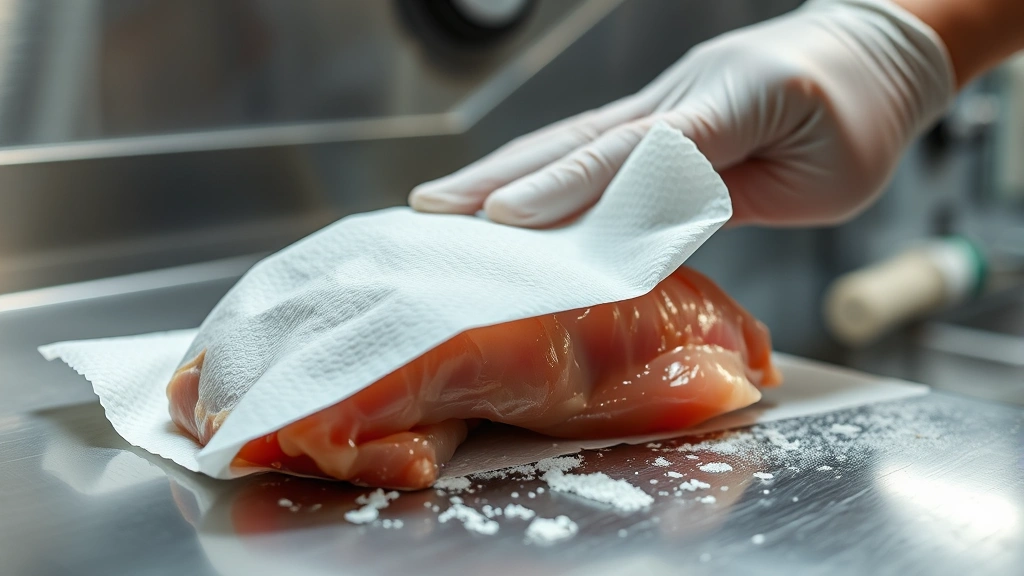
Proper preparation dramatically improves smoking outcomes. Begin by patting chicken breasts dry with paper towels. Moisture on the surface prevents smoke adhesion and prolongs the cooking time. Pat thoroughly but gently to avoid damaging the delicate meat.
Trim excess fat and any connective tissue from the chicken breasts. While some fat adds flavor, excessive amounts can create uneven cooking. For boneless, skinless breasts, this step takes just 30 seconds per breast.
Consider butterflying thicker chicken breasts (over 1.5 inches) to promote even cooking. Lay the breast flat, place your hand on top, and carefully slice horizontally through the middle without cutting all the way through. Open it like a book to create more uniform thickness. This technique reduces cooking time by 5-10 minutes and eliminates dry edges with undercooked centers.
Seasoning should be applied 1-2 hours before smoking to allow flavors to penetrate. Create a balanced dry rub combining salt, pepper, garlic powder, paprika, and brown sugar. The sugar caramelizes during smoking, creating a flavorful bark while preventing excessive browning. Use a light hand—you want seasoning to enhance, not overpower, the natural chicken flavor.
Brining chicken breasts before smoking produces noticeably juicier results. Dissolve 1/4 cup salt and 1/4 cup brown sugar in 1 quart of water, submerge the chicken for 4-6 hours, then rinse and pat dry before smoking. Brining allows the meat to retain more moisture during the cooking process, resulting in superior texture even if you slightly overcook the internal temperature.
Some pitmasters apply a light coating of oil to the chicken surface. This helps dry rub adhesion and promotes better smoke adhesion. Use neutral oils like canola or vegetable oil, avoiding heavy olive oil which can interfere with smoke flavor.
Wood Selection and Smoke Flavor
Wood choice significantly influences the final flavor profile of your smoked chicken breast. Different woods produce distinct taste characteristics, from mild and fruity to bold and robust. Understanding wood properties helps you create the exact flavor you’re seeking.
Mild woods like apple, cherry, and pecan work beautifully with chicken. These fruitwoods produce sweet, subtle smoke that complements rather than overwhelms lean poultry. Apple wood creates a delicate, slightly sweet flavor perfect for those new to smoking. Cherry wood adds a touch more intensity while maintaining elegance. Pecan produces a slightly nutty, rich smoke that pairs exceptionally well with seasoned chicken.
Medium-intensity woods including oak and maple offer good versatility. Oak provides a balanced, traditional barbecue smoke flavor without excessive harshness. Maple adds subtle sweetness and works particularly well when smoking chicken breasts destined for slicing into salads or sandwiches.
Avoid strong woods like mesquite and hickory for chicken breast unless you’re an experienced smoker. These aggressive woods can easily overpower delicate poultry, creating an acrid, unpleasant taste. Reserve these for beef and pork where their intensity complements the meat.
Use only seasoned hardwood from reputable suppliers. Weber Smokey Mountain recommends using wood that’s been properly dried to reduce creosote production. Wet or green wood creates bitter, sooty flavors that ruin smoked chicken.
The quantity of wood matters considerably. For a 30-minute cook at 275°F, use a modest smoke source—perhaps 2-3 chunks of wood or a small handful of chips. Chicken doesn’t require heavy smoke like brisket does. Lighter smoke application prevents that overpowering, bitter taste that plagues many home-smoked chicken dishes.
If using a pellet smoker, most models allow precise smoke intensity adjustment. Start with moderate settings (around 50-75% smoke output) and adjust based on results. You can always increase smoke on your next cook if desired.
Monitoring Doneness During Smoking
Accurate temperature monitoring is non-negotiable when smoking chicken breast. The USDA mandates 165°F internal temperature for food safety, and reaching this target consistently prevents foodborne illness while maintaining juiciness.
Invest in a quality instant-read thermometer for checking doneness. Insert the probe into the thickest part of the breast without touching bone. For boneless breasts, aim for the center. Wait 3-5 seconds for an accurate reading. Digital instant-read thermometers provide faster, more reliable results than dial thermometers.
Begin checking internal temperature at the 20-minute mark when smoking at 275°F. This prevents premature opening of your smoker while ensuring you catch doneness at the optimal moment. Chicken breast cooks quickly—missing the perfect window by just 5 minutes can result in dry meat.
The “carryover cooking” phenomenon means your chicken continues cooking after removal from the smoker. Remove chicken at 160-162°F if you prefer maximum juiciness. The residual heat will bring it to the safe 165°F during resting. This technique requires practice but produces noticeably superior results.
Color provides a secondary doneness indicator but shouldn’t replace thermometer readings. Properly smoked chicken develops a light pink smoke ring (from myoglobin reacting with smoke compounds) and golden-brown exterior. The meat should be opaque white throughout with no gray or translucent areas.
Avoid the temptation to repeatedly open your smoker to check progress. Each opening drops internal temperature 10-15°F and extends cooking time. Limit lid lifts to once per 10 minutes maximum, and keep each opening brief.
Resting and Serving Your Smoked Chicken
Resting smoked chicken breast is just as important as the smoking process itself. Similar to how you rest a brisket after smoking, resting allows muscle fibers to relax and reabsorb moisture that migrated to the surface during cooking.
Rest smoked chicken breasts for 5-10 minutes after removing from the smoker. Tent loosely with foil to retain warmth while allowing some steam to escape. This prevents the meat from becoming steamed and soggy while the carryover cooking completes.
For boneless breasts, 5 minutes suffices. Bone-in, skin-on chicken benefits from the full 10 minutes, allowing the skin to firm up slightly for better texture. The resting period also makes slicing cleaner and easier.
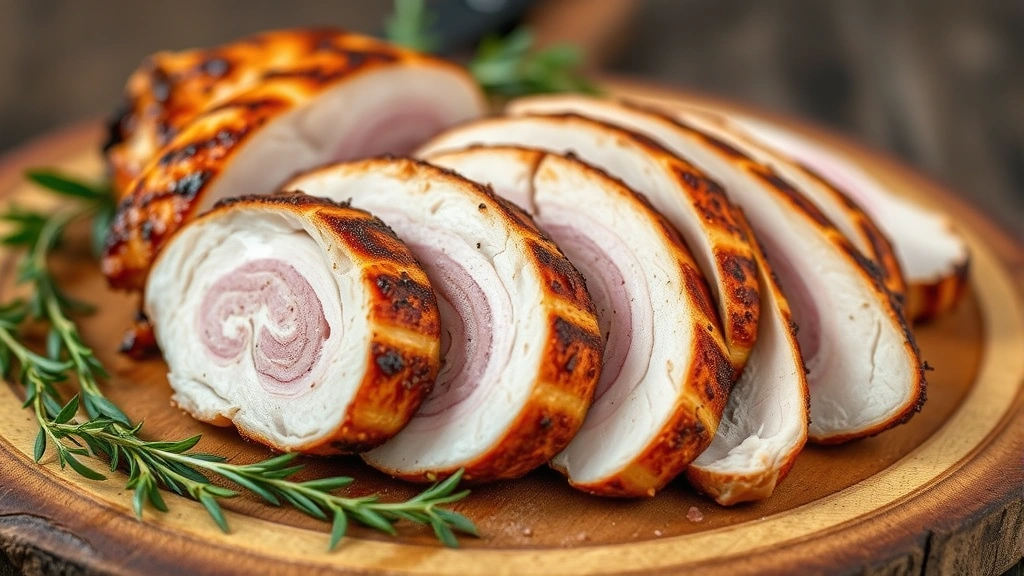
Slice against the grain for maximum tenderness. Identify the muscle grain direction and cut perpendicular to it. This breaks up muscle fibers, creating a more tender bite. For presentations where you’re serving whole breasts, skip slicing to showcase the beautiful smoke ring and color.
Smoked chicken breast works beautifully in numerous applications. Serve whole as a protein alongside traditional barbecue sides, slice into salads for protein-packed lunches, dice for tacos or grain bowls, or shred for sandwiches and appetizers. The versatility makes smoked chicken an excellent choice for entertaining.
Store leftover smoked chicken in airtight containers in the refrigerator for up to 4 days. You can also freeze properly wrapped portions for up to 3 months. Reheat gently using low heat to avoid drying the meat further.
Common Mistakes to Avoid
Even experienced cooks make chicken-smoking mistakes. Understanding common pitfalls helps you avoid them and consistently produce excellent results.
Smoking at temperatures too low remains the most frequent error. Extended cook times at 225°F or below dry out lean chicken breast. Maintain at least 275°F to keep cooking time reasonable. If you prefer lower temperatures, choose bone-in, skin-on breasts that retain moisture better.
Using excessive smoke creates acrid, unpleasant flavors that mask the chicken’s natural taste. Chicken requires much lighter smoke than beef. Use half the wood you’d use for brisket, and don’t be afraid to go light. You can always add more smoke, but you can’t remove overpowering smoke flavor.
Skipping the thermometer leads to inconsistent results. Relying on visual cues or cooking time alone causes some breasts to dry out while others remain undercooked. Invest $15-30 in a reliable instant-read thermometer—it’s the single best tool for perfect chicken.
Not allowing proper resting time wastes all your careful smoking work. The 5-10 minute rest is non-negotiable for juicy chicken. Plan your cooking schedule to accommodate this essential step.
Overcrowding the smoker prevents proper air circulation and creates hot spots. Space chicken breasts 2-3 inches apart, allowing smoke and heat to reach all surfaces evenly. If you’re cooking for a crowd, work in batches rather than cramming everything in at once.
Smoking inconsistently seasoned chicken produces uneven flavor development. Take time to season thoroughly and evenly across all surfaces. Consistent seasoning combined with proper smoke application creates the best results.
Opening the smoker excessively drops temperature and extends cooking time unnecessarily. Resist the urge to constantly check on your chicken. Trust your thermometer and check only as needed.
FAQ
Can you smoke chicken breast at 250 degrees?
Yes, smoking at 250°F is possible but requires extended cooking time of 35-45 minutes for boneless breasts. The longer duration increases moisture loss risk in lean chicken. This temperature works better for bone-in, skin-on preparations. Most cooks prefer 275°F or higher for better results and faster cooking.
What’s the minimum safe temperature for smoked chicken?
The USDA mandates 165°F as the safe minimum internal temperature for all poultry. Use an instant-read thermometer to verify this temperature in the thickest part of the breast. Don’t rely on color or appearance alone—thermometer verification is the only way to guarantee food safety.
Should you brine chicken before smoking?
Brining is highly recommended for smoking chicken breast. The salt and sugar solution allows the meat to retain additional moisture during cooking, resulting in juicier, more tender chicken even if you slightly overcook the internal temperature. Brine for 4-6 hours before smoking.
How do you keep smoked chicken moist?
Several techniques preserve moisture in smoked chicken: brine beforehand, avoid temperatures below 275°F, don’t smoke longer than necessary, remove at 160-162°F and allow carryover cooking, and rest properly before serving. Bone-in, skin-on chicken naturally retains more moisture than boneless, skinless options.
Can you smoke frozen chicken breast?
Frozen chicken must be completely thawed before smoking. Never smoke frozen or partially frozen poultry—the exterior will overcook before the interior reaches safe temperature. Thaw in the refrigerator (8-12 hours) rather than at room temperature to prevent bacterial growth.
What wood pairs best with chicken?
Mild fruitwoods like apple, cherry, and pecan work best with chicken breast. These produce subtle, sweet smoke that complements poultry without overpowering it. Avoid strong woods like mesquite and hickory unless you want aggressive smoke flavor.
How much smoke should you use for chicken?
Use approximately half the smoke wood you’d use for beef brisket. For a 30-minute cook, 2-3 wood chunks or a small handful of chips suffices. Light smoke application prevents that acrid, overpowering taste that often ruins home-smoked chicken.
Is skin-on chicken better for smoking?
Bone-in, skin-on chicken breasts produce superior results compared to boneless, skinless options. The skin renders fat that bastes the meat, and the bone conducts heat more evenly. The tradeoff is slightly longer cooking time (35-45 minutes versus 25-35 minutes). Choose based on your preference and available time.


