Smoking Pork Tenderloin: Expert Timing Guide
Smoking a pork tenderloin is one of the most rewarding DIY cooking projects you can tackle in your backyard. Unlike larger cuts that demand hours of patience, pork tenderloin offers a perfect balance between impressive results and reasonable cooking time. Whether you’re preparing a family dinner or impressing guests at your next gathering, understanding the precise timing and temperature management will elevate your smoking skills to the next level.
The key to perfect smoked pork tenderloin lies in respecting three critical factors: internal temperature, smoking duration, and heat consistency. Most pitmasters recommend smoking pork tenderloin at 225-250°F until the internal temperature reaches 145°F, which typically takes 20-30 minutes per pound. This guide will walk you through every step of the process, from preparation through serving, ensuring restaurant-quality results from your backyard smoker.
Understanding Pork Tenderloin Basics
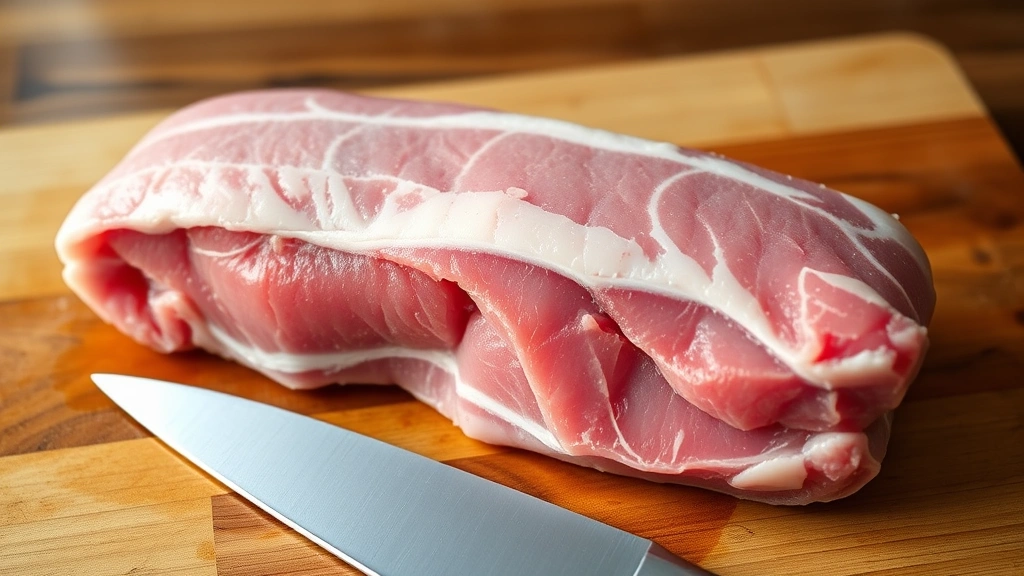
Pork tenderloin is a lean, tender cut from the loin section of the pig, located beneath the ribs. This muscle group receives minimal exercise, resulting in exceptionally tender meat with a mild flavor profile. Unlike smoking a pork shoulder, which requires 12+ hours due to its size and fat content, tenderloin cooks relatively quickly while remaining juicy and flavorful when smoked properly.
A typical pork tenderloin weighs between 1 and 2 pounds, making it an ideal choice for smaller smoking sessions or when you’re short on time. The meat’s natural tenderness means it doesn’t require the long, slow cooking that transforms tougher cuts into tender morsels. Instead, the smoking process focuses on infusing smoke flavor while maintaining the meat’s inherent moisture and texture.
The USDA Food Safety and Inspection Service has established safe minimum internal temperatures for pork at 145°F with a 3-minute rest, which is significantly lower than older recommendations. This modern standard results in more tender, juicier pork while maintaining food safety. Understanding this distinction is crucial for achieving optimal results without overcooking your tenderloin.
Temperature and Timing Fundamentals
How long to smoke a pork tenderloin depends primarily on three variables: smoker temperature, meat thickness, and your target internal temperature. The most common approach involves smoking at 225-250°F, which produces excellent smoke penetration and bark development without drying out the lean meat.
At 225°F, expect smoking times of 25-35 minutes per pound for a whole tenderloin. A 1.5-pound tenderloin would typically require 37-52 minutes total, while a 2-pound cut would need 50-70 minutes. These timeframes assume consistent smoker temperature and proper meat preparation. Higher temperatures (250-275°F) reduce cooking time by approximately 5-10 minutes per pound but may result in less pronounced smoke flavor development.
The low and slow methodology remains the gold standard for smoking any meat, including pork tenderloin. Maintaining a steady 225°F temperature allows smoke compounds to adhere to the meat’s surface, creating the desirable pink smoke ring while the interior cooks evenly. Temperature fluctuations above or below your target range will extend cooking times unpredictably and may compromise final results.
Use a reliable instant-read meat thermometer to monitor internal temperature, inserting the probe into the thickest portion of the meat without touching bone or fat. This measurement is far more reliable than cooking time estimates, as every smoker, outdoor temperature, and meat configuration varies slightly.
Preparation and Seasoning Strategy
Proper preparation begins 12-24 hours before smoking. Remove your pork tenderloin from refrigeration and trim any silver skin (the thin, translucent membrane covering portions of the meat) using a sharp knife. This membrane prevents smoke and seasonings from penetrating the meat and becomes tough when cooked. Make small angled cuts under the membrane and pull it away in strips.
Apply a dry rub generously across all surfaces of the meat. A balanced rub should include salt, sugar, paprika, garlic powder, onion powder, black pepper, and optional additions like cayenne pepper or smoked paprika. The salt in your rub will begin breaking down muscle proteins through a process called brining, tenderizing the meat and improving moisture retention. Allow the seasoned tenderloin to sit uncovered in your refrigerator for at least 4 hours, preferably overnight, for optimal flavor development and bark formation.
Remove the tenderloin from the refrigerator 30-45 minutes before smoking to allow it to approach room temperature. This step ensures more even cooking throughout the meat. Cold meat placed directly in a hot smoker will experience temperature shock, potentially resulting in uneven cooking with a gray band near the surface.
Setting Up Your Smoker
Whether you’re using a barrel smoker, offset firebox, or pellet smoker, the fundamental setup principles remain consistent. Fill your water pan with hot water to stabilize temperature and add humidity to the smoking chamber. This moisture prevents the lean pork from drying out during the extended cooking process. Check water levels periodically and refill with hot water as needed, avoiding sudden temperature drops.
Select appropriate smoking wood based on your flavor preferences. Hickory, oak, and apple wood pair excellently with pork tenderloin. Avoid heavy woods like mesquite for this delicate cut, as they can overpower the subtle pork flavor. Use wood chips or small chunks depending on your smoker type; chips work best in electric or pellet smokers, while chunks suit traditional offset and barrel models.
Establish consistent temperature by allowing your smoker to run unattended for 15-20 minutes before adding meat. Your target temperature should stabilize within a 10-15°F range. If temperature fluctuates wildly, check for air leaks, insufficient fuel, or improper vent positioning. Most quality smokers allow temperature adjustment through upper and lower vent modifications—opening vents increases oxygen flow and temperature, while closing them reduces it.
Arrange your grates to position the tenderloin away from direct heat. If your smoker has multiple grate levels, use the middle or upper position. This indirect heat method prevents charring while allowing consistent smoke exposure. Place a drip pan filled with sand or water beneath the meat to catch drippings and facilitate cleanup.
The Smoking Process Step-by-Step
Step 1: Place and Monitor Initial Placement
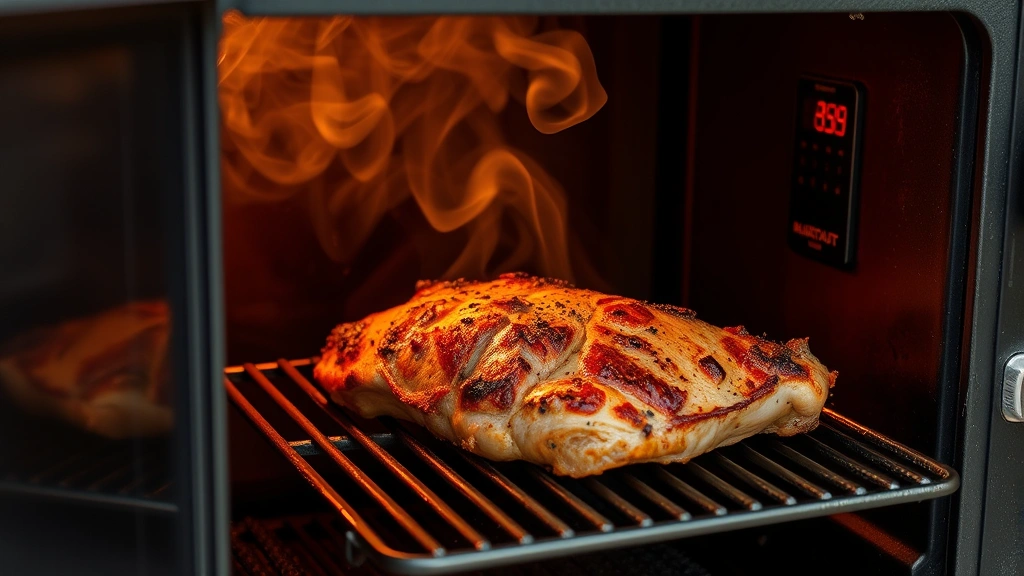
Position your room-temperature pork tenderloin on the smoker grate, placing it away from direct heat sources. Insert your meat thermometer probe into the thickest portion, ensuring it doesn’t contact the grate or any bone. Close the smoker door gently and resist the urge to open it frequently—every door opening causes significant temperature loss and extends cooking time by several minutes.
Step 2: Establish the Baseline Timeline
For a 225°F smoker temperature, begin checking internal temperature at 20 minutes for smaller tenderloins (under 1.25 pounds) and 25 minutes for larger cuts. Most pork tenderloins reach target temperature within 30-50 minutes total. Create a simple timeline: check temperature every 5 minutes once you approach the expected completion window. This frequent monitoring prevents overcooking while ensuring you catch the precise moment your meat reaches 145°F.
Step 3: Optional Spritzing Technique
Every 15 minutes, consider spritzing your tenderloin with a mixture of apple juice, water, and a touch of Worcestershire sauce. This optional technique maintains surface moisture, promotes bark development, and adds subtle flavor complexity. Use a spray bottle filled with your liquid mixture, misting the meat lightly without opening the smoker door extensively.
Step 4: Monitor Bark Development
Watch for bark formation—the darkened, crusty exterior that develops through smoke and heat exposure. Proper bark should be dark brown to nearly black but not burnt or charred. If bark darkens too quickly (within the first 10-15 minutes), your smoker temperature may be too high, or your rub may contain excessive sugar that’s caramelizing rapidly. Adjust vents to lower temperature slightly or move the meat further from heat sources.
Monitoring and Temperature Control
Consistent temperature maintenance represents the single most important factor in smoking pork tenderloin successfully. Invest in a quality smoker thermometer or wireless temperature probe that alerts you when internal meat temperature reaches target levels. Instant-read thermometers require manual checking, while wireless probes provide continuous monitoring without opening your smoker repeatedly.
Position your smoker thermometer in the cooking chamber away from direct heat, at the same level as your meat. This placement ensures accurate ambient temperature readings. A thermometer positioned directly above heat sources or in a heat shadow will provide misleading information, causing temperature overcorrections.
If your smoker temperature drops more than 15°F below target, open lower vents fully and add additional fuel (charcoal, wood, or pellets depending on your smoker type). If temperature climbs above target, close vents partially or open the smoker door briefly to release excess heat. These adjustments should be made gradually—dramatic changes often overcorrect, creating temperature swings that extend cooking time.
Environmental factors significantly impact smoking performance. Wind, cold ambient temperatures, and humidity all influence your smoker’s ability to maintain consistent heat. On particularly cold days, place your smoker in a sheltered location and consider wrapping it partially with blankets or tarps (ensuring vents remain unobstructed). On windy days, position your smoker perpendicular to prevailing wind direction to minimize wind exposure to intake vents.
Compare your smoking experience with similar projects—if you’ve successfully smoked a brisket at 225°F, you already understand the fundamentals. Pork tenderloin simply requires less total time due to its smaller size and leaner composition.
Resting and Serving Guidelines
Once your pork tenderloin reaches 145°F internally, remove it from the smoker immediately. Do not skip the resting phase—this 5-10 minute rest period allows carryover cooking to complete while muscle fibers relax and reabsorb juices. Cutting into meat immediately after cooking causes juices to escape onto your cutting board rather than remaining in the meat.
Place your smoked tenderloin on a cutting board and tent it loosely with aluminum foil. The foil traps residual heat, maintaining temperature while allowing minimal steam escape. Avoid wrapping tightly, which creates a steaming effect and softens the bark you worked to develop.
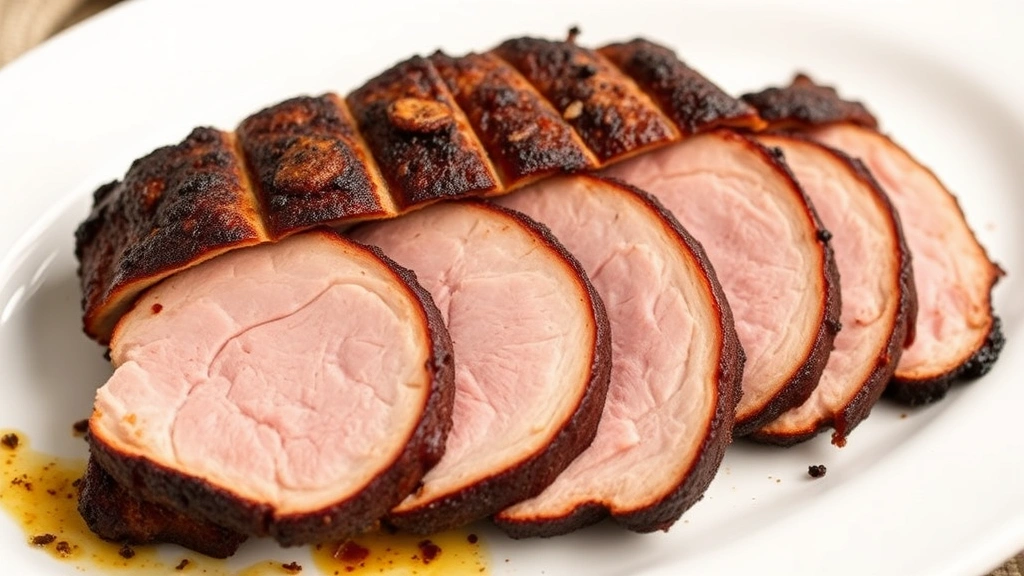
After resting, slice your tenderloin against the grain into 0.5-inch thick medallions. Slicing against the grain shortens muscle fibers, resulting in more tender bites. Present your sliced tenderloin on a serving platter with your choice of sauce—mustard-based sauces, vinegar-based mops, or simple pan gravies all complement smoked pork beautifully.
Leftover smoked pork tenderloin stores excellently in airtight containers for up to 4 days. Reheat gently using a water bath or low-temperature oven (275°F) rather than microwaving, which can dry out lean meat. Shredded leftover tenderloin makes exceptional sandwiches, salads, or grain bowls.
Troubleshooting Common Issues
Meat Cooking Too Slowly
If your pork tenderloin isn’t reaching target temperature within your expected timeline, verify your smoker’s actual temperature using a second thermometer. Many smoker thermometers are inaccurate, potentially reading 25-50°F higher or lower than actual chamber temperature. If ambient temperature is particularly cold (below 40°F), your smoker requires additional fuel and time to maintain target heat. Consider using a smoker thermal blanket or positioning your smoker in a wind-protected location.
Meat Cooking Too Quickly
Conversely, if your tenderloin reaches 145°F in less than 20 minutes, your smoker temperature is likely higher than your thermometer indicates. Move the meat further from heat sources and partially close intake vents to reduce temperature. Faster cooking isn’t necessarily better—it reduces smoke flavor development and increases the risk of uneven cooking.
Dry Texture Despite Proper Temperature
Overcooking remains the primary culprit in dry pork tenderloin. Remove meat at exactly 145°F—carryover cooking will raise internal temperature slightly during resting. If meat is consistently dry, reduce your target temperature slightly (to 142-143°F) on future attempts, as all thermometers have slight accuracy variations. Additionally, ensure your smoker maintains consistent temperature rather than overshooting your target.
Insufficient Smoke Flavor
If your smoked tenderloin lacks pronounced smoke flavor, increase wood quantity slightly on your next attempt. Ensure wood isn’t waterlogged (which produces steam rather than smoke) and verify your smoker temperature remains within target range. Insufficient temperature may prevent proper smoke generation and adherence to meat. Lighter woods like apple or cherry may require longer exposure for flavor development compared to heavier hickory or oak.
Bark Too Dark or Burnt
Excessive bark darkness indicates either too-high temperature or sugar-heavy rubs caramelizing rapidly. Reduce your rub’s brown sugar content, lower smoker temperature to 200-215°F, or move the meat further from heat sources. Remember that some charring is normal and desirable, but true burnt areas indicate temperature management issues.
FAQ
What’s the difference between pork tenderloin and pork loin?
Pork tenderloin is a small, lean muscle (1-2 pounds) from beneath the ribs, while pork loin is a larger cut (2-4 pounds) from the back. Tenderloin cooks faster and is more tender, while loin requires longer cooking but offers more servings. The DIY Nests Hub Blog covers various smoking techniques for different cuts.
Can I smoke pork tenderloin at higher temperatures?
Yes, you can smoke at 250-275°F for reduced cooking time (15-25 minutes per pound), though smoke flavor development may be less pronounced. Avoid temperatures above 300°F, which risk drying out this lean cut before proper smoke penetration occurs.
Should I use a water pan when smoking pork tenderloin?
Absolutely. The water pan maintains humidity in your smoking chamber, preventing moisture loss from the lean meat. Check water levels every 30 minutes and refill with hot water as needed.
What wood pairs best with pork tenderloin?
Hickory, oak, apple, and cherry woods all pair excellently with pork. Apple and cherry provide milder, slightly sweet smoke, while hickory and oak deliver bolder flavors. Avoid mesquite and other heavy woods that can overpower delicate pork flavors.
Can I inject pork tenderloin before smoking?
Yes, injecting 4-6 hours before smoking can enhance moisture and flavor. Use butter-based or broth-based injections applied throughout the meat using a marinade injector. This technique is particularly beneficial for lean cuts.
How do I know when my pork tenderloin is done?
Use an instant-read thermometer to verify internal temperature reaches 145°F. Meat color alone isn’t reliable—tenderloin can appear pink even when properly cooked. Always rely on accurate temperature measurement.
Can I smoke pork tenderloin indirectly on a gas grill?
Yes, you can smoke tenderloin on a gas grill using a smoker box or foil packet containing soaked wood chips. Light one burner, place your smoke source over it, and position the tenderloin on the unlit side. Maintain temperature around 225-250°F using your grill’s burner controls.
What should I do if my pork tenderloin reaches 145°F but the bark isn’t developed?
Remove the meat immediately—food safety takes priority over bark appearance. If bark development is consistently weak, increase your smoker temperature to 250°F on future attempts, use more wood, or extend the smoking time slightly before the meat reaches temperature by starting at a lower temperature.


