How to Choose DIY Tools: Expert Tips Inside
Selecting the right tools is fundamental to success in any DIY building project. Whether you’re tackling home renovations, constructing furniture, or installing shelving, having quality equipment makes the difference between frustration and accomplishment. This comprehensive guide walks you through essential considerations for building a practical tool collection that meets your needs and budget.
The challenge many DIYers face is determining which tools are truly necessary versus which are nice-to-have extras. With countless options available at various price points, making informed decisions prevents wasted money and ensures you have what you need when projects arise. Understanding tool categories, quality indicators, and your specific project requirements creates a foundation for smart purchasing.
Assess Your Project Needs
Before purchasing any tools, identify the specific projects you plan to undertake. Are you focusing on basement finishing projects, basic home repairs, or woodworking plans? Different projects require different tool sets. A homeowner installing drywall needs different equipment than someone building custom furniture or installing home security systems.
Start by listing your top three to five planned projects. Research what tools each requires, then identify overlaps. This approach reveals which tools provide the most value across multiple applications. A cordless drill, for example, serves numerous purposes across various projects, making it an excellent foundational investment.
Consider your workspace, storage capacity, and physical capability. Some tools require significant space or strength to operate effectively. Honest assessment prevents purchasing equipment you cannot comfortably use or store. Renting specialized tools for one-time projects often makes more financial sense than purchasing them.
Understanding Tool Categories
Professional tool selection starts with understanding the main categories. Hand tools include hammers, screwdrivers, wrenches, and measuring devices that operate through manual effort. Power tools use electricity or batteries to perform repetitive tasks more efficiently. Measuring and marking tools ensure accuracy throughout projects. Safety equipment protects you from injury.
Within hand tools, basic categories include fastening tools (hammers, nail guns), turning tools (screwdrivers, adjustable wrenches), striking tools (mallets, chisels), and prying tools (crowbars, cat’s paws). Each category serves distinct purposes, though some overlap exists. Quality hand tools last decades with proper care, making them excellent long-term investments.
Power tools amplify human effort, completing tasks faster with greater consistency. Drills, saws, sanders, and impact drivers represent common categories. The choice between corded and cordless depends on your work environment and mobility needs. Battery technology has advanced significantly, making cordless options viable for most home projects.
Quality Versus Budget Considerations
Tool pricing spans enormous ranges, from budget options to professional-grade equipment costing thousands. Understanding quality indicators helps you spend appropriately. Professional-grade tools often feature heavier materials, better bearings, and longer warranties but cost significantly more. Budget tools work adequately for occasional use but may lack durability for frequent projects.
Mid-range brands typically offer the best value for DIYers. These tools balance affordability with reliability, lasting through numerous projects without premium pricing. Research brand reputation through reviews and user feedback on reputable consumer reports and tool review sites.
Consider your usage frequency when evaluating cost-effectiveness. Tools used weekly justify higher investment than those used monthly. A tool you’ll use hundreds of times warrants better quality than occasional-use equipment. Conversely, specialized tools for single projects may be better rented than purchased.
Warranty coverage indicates manufacturer confidence in quality. Longer warranties suggest durability expectations. Check warranty terms carefully—some cover defects only, while others include accidental damage. Registration requirements and claim processes vary significantly between manufacturers.
Essential Hand Tools Every DIYer Needs
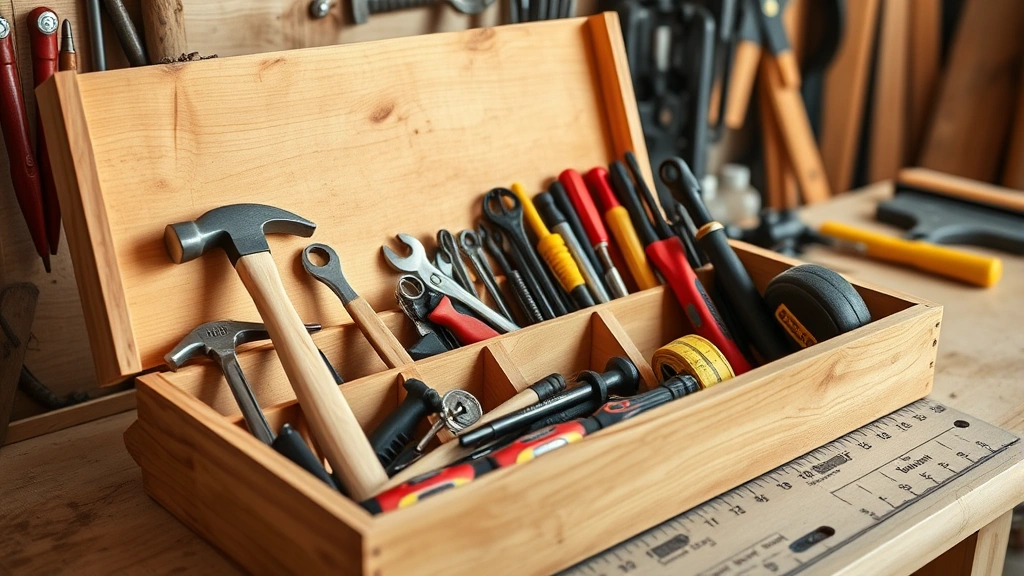
Every DIYer should own a basic hand tool collection forming the foundation for countless projects. A 16-ounce claw hammer handles most fastening tasks. Look for comfortable grip design reducing hand fatigue during extended use. Rubber or fiberglass handles absorb impact better than solid wood.
Screwdrivers come in various types—Phillips, slotted, and square drive being most common. Owning multiple sizes in each type prevents damage to fasteners and surrounding materials. A multi-bit screwdriver with interchangeable bits saves space while providing versatility. Magnetic tips prevent dropping small fasteners into inaccessible areas.
An adjustable wrench and socket set handle bolt work across numerous applications. Start with metric and standard sizes covering common fastener dimensions. Adjustable wrenches work on varying sizes but lack the grip of proper-fitting sockets, making sockets preferable when available.
Measuring tools ensure project accuracy. A 25-foot tape measure, combination square, and torpedo level form the measuring essentials. Quality tape measures feature smooth extension, clear markings, and durable locking mechanisms. Levels indicate whether surfaces are truly horizontal or vertical—critical for safety and appearance.
Prying and cutting tools round out basics. A flat pry bar removes fasteners and separates materials without damage. Diagonal cutting pliers cut wire and remove fasteners. A utility knife with replaceable blades handles countless cutting tasks safely and precisely.
Power Tools for DIY Success
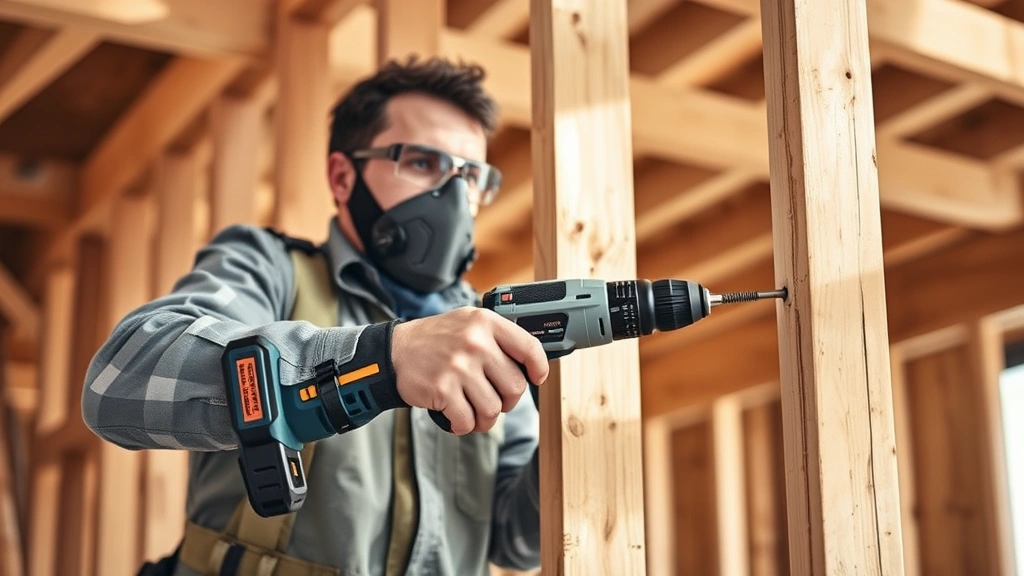
A cordless drill-driver represents the most valuable power tool investment for most DIYers. Modern lithium-ion batteries provide substantial runtime, and compact designs fit tight spaces. Look for models with multiple speed settings—lower speeds provide better control for fastening, while higher speeds accelerate hole drilling.
Circular saws cut lumber quickly and accurately. Handheld designs offer portability, though table saws provide greater precision for rip cuts. Safety requires understanding OSHA guidelines for tool safety and wearing appropriate protective equipment. Never bypass safety features or guards.
Orbital sanders smooth surfaces efficiently, saving significant time compared to hand sanding. Random orbital sanders prevent visible scratch patterns, producing professional finishes. Dust collection systems protect respiratory health and improve visibility.
Reciprocating saws handle demolition and rough cutting work. Their rapid blade movement cuts through various materials, making them invaluable for renovation projects. Proper blade selection matters—wood blades differ from metal-cutting blades.
Miter saws make precise crosscuts and angled cuts for trim and framing work. Sliding compound miter saws handle wider materials than standard versions. Table saws provide excellent rip-cutting capability for lengthwise cuts along grain.
Impact drivers deliver rotational force plus rapid impacts, driving fasteners more efficiently than standard drills. They excel at driving long screws into dense materials with minimal effort. The twisting sensation requires adjustment but significantly improves driving speed.
Safety Equipment and Protective Gear
Proper safety equipment prevents injuries that can end projects or cause permanent damage. Safety glasses protect eyes from flying debris, dust, and chemical splashes. Polycarbonate lenses resist impact better than regular glass. Side shields provide additional protection from lateral hazards.
Hearing protection becomes essential when operating loud power tools. Noise-induced hearing loss occurs gradually and permanently. Foam earplugs provide affordable protection, while earmuffs offer comfort during extended use. Some models include communication capabilities for team projects.
Respiratory protection prevents inhalation of harmful dust, fumes, and particles. N95 masks filter dust adequately for most DIY applications, while more sophisticated respirators protect against chemical fumes. Proper fit ensures effectiveness—beards and facial hair reduce seal quality.
Work gloves protect hands from splinters, cuts, and abrasions. Different glove types suit different tasks—leather for rough handling, nitrile for chemical resistance, and dipped gloves for wet work. Avoid loose-fitting gloves around rotating tools where they can catch.
Steel-toed boots protect feet from dropped tools and materials. Puncture-resistant soles prevent stepping on nails or sharp objects. Proper footwear is especially important when working at heights or around heavy materials.
First aid kits should be readily accessible during projects. Stock supplies for common injuries—bandages, antiseptic, pain relievers, and antibiotic ointment. More serious injuries require immediate professional medical attention.
Storage and Organization Solutions
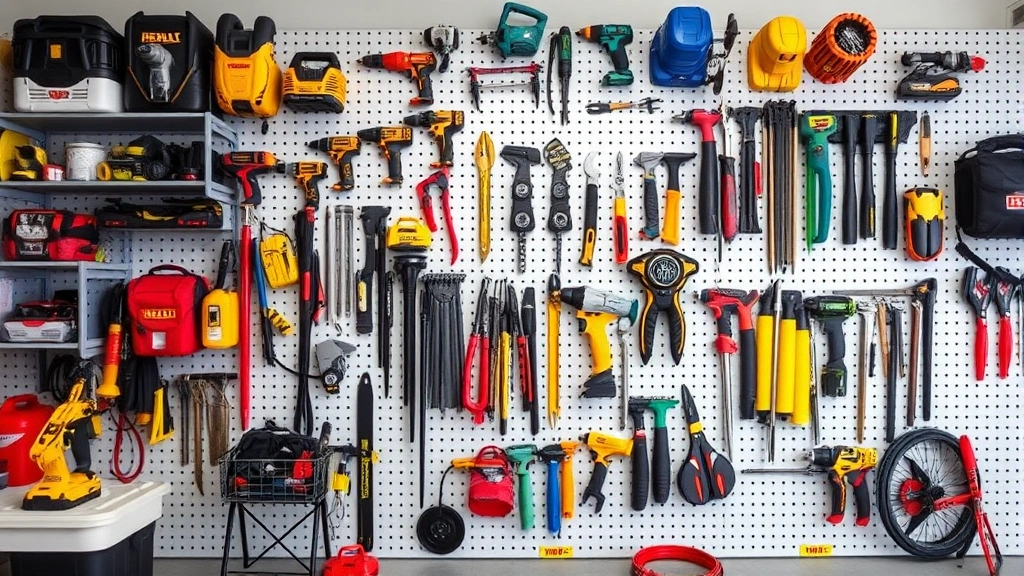
Proper tool storage extends equipment lifespan and improves project efficiency. Tools stored haphazardly suffer damage and become difficult to locate when needed. Wall-mounted pegboards display frequently used tools while keeping them accessible. Magnetic strips hold metal tools securely.
Tool chests and cabinets protect tools from environmental damage while organizing them logically. Drawers with compartments keep small items from becoming lost. Labeling systems help family members locate tools and return them properly.
Portable tool bags suit DIYers working in multiple locations. Quality bags distribute weight evenly, reducing strain during transport. Multiple pockets and compartments keep tools organized and protected.
Climate-controlled storage prevents rust and corrosion on metal tools. Moisture causes significant damage, so avoid damp basements or garages without climate control. Silica gel packets absorb moisture in enclosed storage areas.
Regular maintenance preserves tool condition and performance. Clean tools after use, removing sawdust, dirt, and debris. Wipe metal surfaces with dry cloths to prevent moisture accumulation. Oil hinges and moving parts to maintain smooth operation.
Building Your Tool Collection Over Time
Most successful DIYers build collections gradually rather than purchasing everything initially. Start with essential hand tools covering basic fastening, turning, measuring, and prying tasks. This foundation costs under $100 and handles numerous projects.
Add power tools based on your specific projects. A cordless drill-driver ranks as the first power tool for most DIYers. Add specialized tools as projects demand them—circular saws for cutting projects, sanders for finishing work, or impact drivers for fastening-heavy tasks.
Visit the DIY Nests Hub Blog regularly for project inspiration and tool recommendations specific to upcoming work. Research tools thoroughly before purchasing, reading user reviews and comparing features across brands.
Borrow or rent specialized tools for one-time projects. Many home improvement stores rent equipment at reasonable daily rates, saving significant expense compared to purchasing tools you’ll use once. This approach also lets you test tools before committing to purchase.
Join local DIY communities and tool-sharing groups. Many neighborhoods have tool libraries where members borrow equipment for projects. This approach provides access to expensive tools while building community connections and reducing individual costs.
Invest gradually in quality as your experience grows. Replacing budget tools with better versions makes sense once you understand your actual needs and usage patterns. Quality improvements become apparent through direct experience rather than speculation.
FAQ
What are the five most important tools for a beginner DIYer?
A cordless drill-driver, hammer, adjustable wrench, tape measure, and utility knife form the essential starter set. These five tools handle the vast majority of basic DIY tasks and projects. They’re affordable, durable, and applicable across numerous applications.
Should I buy cordless or corded power tools?
Modern cordless tools offer sufficient power and runtime for most home projects while providing superior mobility and convenience. Corded tools deliver unlimited power without battery management but require proximity to electrical outlets. Many DIYers use cordless for convenience and rent corded tools for specialized tasks.
How much should I spend on a basic tool collection?
A functional starter set costs $150–$300, providing essential hand tools and a cordless drill. Quality mid-range brands offer better value than budget options that fail prematurely. Avoid premium professional-grade tools until you confirm your specific needs and usage frequency.
Where should I buy DIY tools?
Home improvement retailers, online marketplaces, and specialty tool shops offer different advantages. Big-box retailers provide competitive pricing and convenient return policies. Specialty shops offer expert advice and higher-quality options. Online retailers often have lower prices but require shipping time and return shipping for defective items.
How do I maintain tools for longevity?
Clean tools after each use, removing dust and debris. Wipe metal surfaces dry to prevent rust. Oil moving parts periodically to maintain smooth operation. Store tools in climate-controlled, dry locations. Sharpen blades when they become dull rather than forcing them through materials.
What safety gear is absolutely essential?
Safety glasses, hearing protection, and respiratory protection form the minimum for power tool use. Add work gloves, steel-toed boots, and first aid supplies for comprehensive protection. Specific projects may require additional protective equipment—check NIOSH recommendations for hazard-specific guidance.
Can I share tools with neighbors or friends?
Tool sharing works well for occasional-use equipment, reducing individual costs while building community. Establish clear ownership, return deadlines, and responsibility for damage. Consider tool-sharing libraries or apps connecting neighbors with equipment access.
How do I know if a tool is professional-grade or consumer-grade?
Professional-grade tools feature heavier construction, premium materials, and longer warranties. They cost significantly more but survive heavy daily use. Consumer-grade tools work adequately for hobby and home projects but may lack durability for professional or frequent use. Mid-range tools often provide best value for DIYers.


