
Moving a Piano? Costs Explained by Experts
Moving a piano is one of the most challenging household relocations you’ll face. Unlike furniture that can be disassembled or items that fit in standard moving boxes, pianos demand specialized equipment, trained professionals, and careful planning. Whether you’re relocating across town or across the country, understanding the true cost of piano moving helps you budget accurately and avoid expensive surprises.
Piano moving costs vary dramatically based on distance, piano type, access conditions, and your location. A local move might cost $300 to $1,500, while long-distance piano transport can exceed $5,000. This comprehensive guide breaks down every expense factor so you can make informed decisions about your valuable instrument.
Understanding Piano Moving Costs
Piano moving costs break down into several distinct categories. The base rate typically covers the movers’ labor, equipment rental, and transportation. Most professional piano movers charge either flat rates or hourly fees starting at $150 to $250 per hour for local moves. Long-distance moves often use flat-rate pricing ranging from $2,000 to $10,000 depending on destination.
The average cost to move a piano locally is $500 to $1,500 for standard residential relocations within the same city or metropolitan area. This assumes straightforward access, no stairs, and a standard upright or baby grand piano. Long-distance moves increase significantly, with costs starting at $2,500 and potentially exceeding $8,000 for cross-country transport.
Professional piano movers provide specialized equipment including piano dollies with wheels, skids, straps, and padding specifically designed to protect these delicate instruments. They also carry liability insurance, which protects your piano if damage occurs during transport. Understanding what’s included in quoted prices prevents misunderstandings and unexpected charges.
Distance and Location Factors
Local moves within 50 miles typically cost $300 to $1,500 depending on access conditions and piano size. These moves usually take 2 to 4 hours of labor. The movers can complete the job in one day, making local relocation relatively affordable compared to long-distance options.
Regional moves spanning 50 to 500 miles increase costs to $1,500 to $3,500. These moves may require overnight transportation or multiple-day logistics, adding fuel surcharges and extended labor costs. Movers must account for travel time between jobs and potential overnight accommodations.
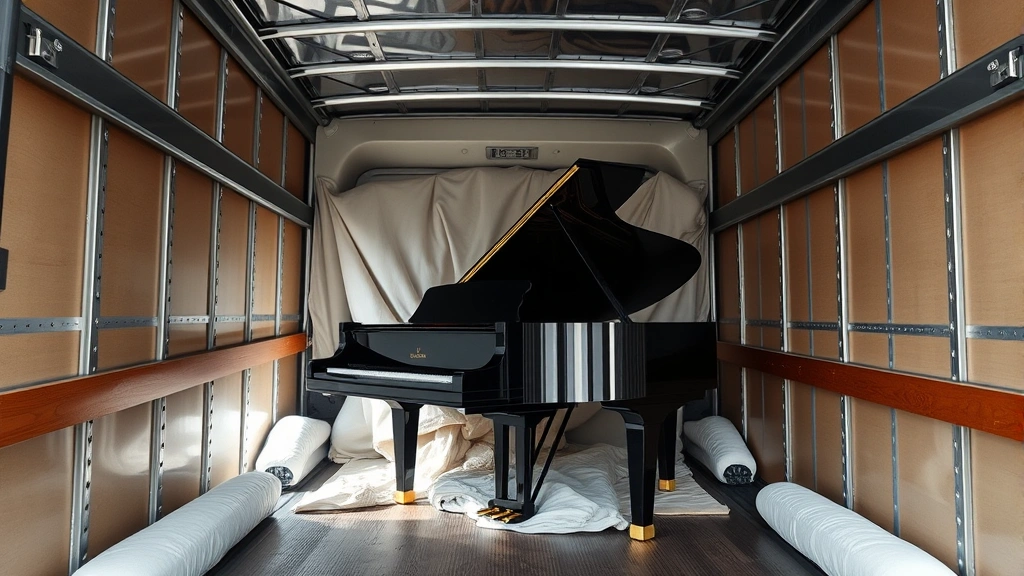
Long-distance moves exceeding 500 miles cost $3,500 to $10,000 or more. Cross-country piano transport requires specialized moving trucks, climate-controlled transport to prevent warping and damage, and coordination across multiple states. Some movers charge additional fees for:
- Fuel surcharges (typically 5-10% of base rate)
- Mileage fees ($1-$3 per mile for long distance)
- Tolls and parking in urban areas
- Overnight storage if scheduling requires it
- Permits for oversized loads
Urban locations with limited street parking and narrow building entrances increase costs by 20-50%. If your piano needs to navigate tight stairwells or be hoisted through windows, expect premium pricing. Rural areas may have limited piano mover availability, requiring specialists to travel considerable distances, increasing overall expenses.
Piano Type and Weight Considerations
Different piano types require different moving approaches and equipment. Upright pianos weigh 300 to 800 pounds and fit through standard doorways with proper tilting techniques. These are the most economical to move, typically costing the base rate with minimal additional fees.
Baby grand pianos weigh 500 to 1,000 pounds and measure 5 to 6 feet long. Their size requires more complex maneuvering and specialized equipment. Moving costs increase 15-30% compared to upright pianos due to their weight distribution and delicate leg structure.
Concert grand pianos are the most expensive to move, weighing 700 to 1,400 pounds and measuring 8 to 10 feet long. These require specialized transport vehicles, additional crew members, and premium insurance. Expect to pay 50-100% more than upright piano moves. Many concert halls and professional venues maintain relationships with specific movers experienced in concert grand transport.
The piano’s age and condition also affect pricing. Older or valuable pianos require extra padding, climate control, and careful handling, potentially adding $500 to $2,000 to your total cost. Movers may require documentation of the piano’s value for insurance purposes and may decline moves of instruments in poor structural condition due to liability concerns.
Access and Stairs Complications
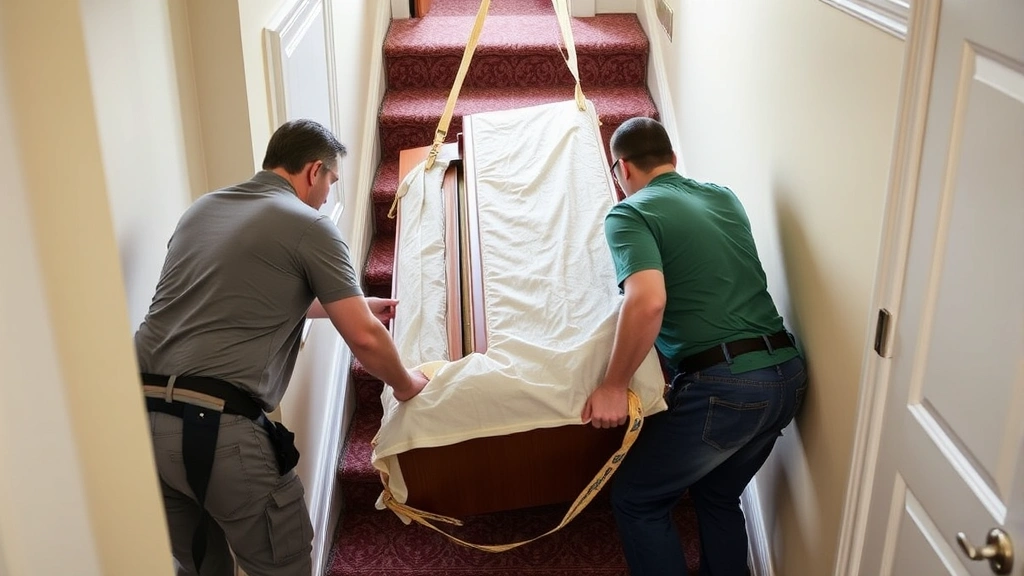
Ground-floor, straight-shot access is ideal and reflects the base quoted price. When complications arise, movers add substantial fees. Stairs add $200 to $1,000 depending on quantity, width, and turning angles. Narrow staircases require creative maneuvering, sometimes involving partial piano disassembly or hoisting through windows.
Hoisting through windows or balconies costs $300 to $1,500 depending on height, required equipment, and safety considerations. This method becomes necessary when pianos cannot navigate interior stairwells due to dimensions or building layout. Professional hoisting requires specialized equipment, trained operators, and often permits from building management or local authorities.
Multiple flights of stairs, sharp turns, or landings with tight angles require experienced crews and add $500 to $2,500 in labor and equipment costs. Some movers subcontract specialized hoisting companies, adding coordination fees and equipment rental charges.
Building elevator access matters significantly. If your building has a freight elevator accommodating the piano’s dimensions, costs remain lower. Lack of elevator access forces stairs or hoisting, dramatically increasing expenses. Basement pianos or pianos being moved to upper floors without freight elevators become particularly expensive moves.
Accessibility to the moving truck also factors into pricing. If the truck cannot park within 50 feet of your building entrance, movers must carry the piano further, requiring additional crew members and labor time. Urban street parking restrictions or narrow alleys sometimes prevent truck placement, forcing hand-carrying across longer distances.
Insurance and Protection Options
Standard homeowner’s insurance typically does not cover piano moves. Professional piano movers carry liability insurance protecting pianos during transport, but coverage limits vary. Most basic coverage includes $5,000 to $10,000 protection per move.
If your piano is worth significantly more than standard coverage limits, purchase additional full-value protection. This costs 1-3% of the declared piano value but ensures complete replacement if damage occurs. For a $20,000 piano, full-value protection might cost $200 to $600 but provides essential peace of mind.
Specialized piano moving insurance can be purchased separately from insurance brokers specializing in musical instruments. This is particularly important for valuable vintage pianos, concert instruments, or pianos with significant sentimental value. Document your piano’s condition before moving with photographs and professional appraisals.
Some movers include basic protection in their quoted price, while others charge $100 to $300 for standard coverage. Always clarify what’s included and what additional protection is available. Request written documentation of coverage limits, exclusions, and claims procedures before signing contracts.
DIY vs Professional Moving
Moving a piano yourself is not recommended for most people. Pianos are extraordinarily delicate instruments with complex internal mechanisms. A single mistake can cause thousands of dollars in damage. The strings, hammers, pedals, and action require precise alignment, and improper handling easily causes permanent damage.
Attempting DIY piano moves risks:
- Structural damage to the piano’s frame
- Broken strings and hammers
- Misaligned keys and action mechanisms
- Cosmetic damage to the finish
- Personal injury from the piano’s weight
- Damage to your home’s doorways, walls, and floors
- Voiding manufacturer warranties
If you proceed with DIY moving despite these risks, expect to spend $500 to $2,000 renting appropriate equipment including piano dollies, skids, and moving straps. You’ll still need help from several strong individuals, and liability falls entirely on you if damage occurs.
Professional movers have the training, equipment, and insurance necessary for safe transport. They understand how to properly pad pianos, secure them in transport vehicles, and maneuver them through challenging spaces. This expertise justifies the cost and protects your investment. When considering basement finishing projects or flooring installation, DIY approaches can be appropriate, but piano moving belongs with professionals.
Hidden Costs to Anticipate
Beyond the quoted moving price, several hidden costs often surprise piano owners. Pre-move tuning and servicing costs $100 to $300. Many movers recommend having pianos serviced before moving to ensure they’re in optimal condition for transport and to establish a baseline condition.
Post-move tuning is essential and costs $150 to $400. Pianos go out of tune during moving due to vibration, temperature changes, and humidity fluctuations. Professional tuning restores proper sound and playability. Plan on scheduling tuning 1-2 weeks after the move to allow the piano to acclimate to its new environment.
Permits and parking fees in urban areas can add $50 to $500. Some cities require moving permits for large items, and street parking restrictions may necessitate expensive parking permits or garage rental. Call your local municipal office to determine permit requirements.
Climate control for long-distance moves adds $200 to $800. Pianos are sensitive to temperature and humidity changes. Climate-controlled trucks maintain stable conditions, preventing warping and damage. This becomes particularly important for cross-country moves spanning different climates.
Disassembly and reassembly of piano legs, pedals, or lids costs $100 to $300 depending on complexity. Some moves require partial disassembly to fit through doorways or down staircases. Professional reassembly ensures proper alignment and functionality.
Storage fees apply if timing doesn’t align perfectly between moves. Short-term storage (1-30 days) costs $50 to $150 per day, while long-term storage runs $200 to $400 monthly. Climate-controlled storage is essential for pianos, increasing costs 20-30%.
Money-Saving Tips
Obtain multiple quotes from at least three reputable piano movers. Prices vary significantly based on company experience, equipment, and overhead costs. Request quotes in writing specifying what’s included, what’s excluded, and any additional fees.
Schedule moves during off-peak seasons (fall and winter) when movers have more availability and may offer discounts. Summer moves cost 10-20% more due to higher demand. Weekday moves are cheaper than weekends.
Declutter your moving path before movers arrive. Remove obstacles, clear staircases, and ensure doorways are accessible. Each minute saved reduces labor costs. Open all necessary doors and windows in advance.
Coordinate with your building management if moving within an apartment complex or condo. Some buildings have specific moving windows or require deposits. Early coordination prevents delays and additional fees.
Compare local moving companies with national chains. Local movers often offer competitive pricing and personalized service. National companies may have higher overhead but offer consistency across locations if you’re relocating to another city.
Ask about package deals if moving multiple items. Some movers offer reduced rates when combining piano moves with general household moving services. This can save $200 to $500 on total moving costs.
Verify insurance coverage thoroughly. Comprehensive coverage costs more upfront but prevents expensive claims if damage occurs. The small additional investment protects your piano investment.
Consider the piano’s age and condition when deciding whether to move it. Very old pianos in poor condition may not justify professional moving costs. Some owners choose to sell pianos locally rather than incur expensive relocation costs, particularly for student-grade instruments.
FAQ
How much does it cost to move a piano across the country?
Cross-country piano moves typically cost $4,000 to $10,000 depending on origin, destination, piano type, and access conditions. The distance, fuel surcharges, climate control, and specialized equipment requirements drive these higher costs compared to local moves. Obtain quotes from companies experienced in long-distance piano transport.
Can I move a piano myself?
Moving a piano yourself is not recommended due to the risk of damage to the instrument and personal injury. Pianos weigh 300 to 1,400 pounds and contain delicate internal mechanisms easily damaged by improper handling. Professional movers have specialized equipment and insurance that DIY moves lack. The cost of professional moving is justified by protecting your instrument.
What’s included in piano moving quotes?
Typical quotes include labor, equipment rental, transportation, and basic liability insurance. Clarify whether padding, straps, dollies, and moving blankets are included. Ask about additional fees for stairs, hoisting, long carries, or access complications. Get everything in writing before committing.
Do I need to tune my piano after moving?
Yes, post-move tuning is essential. Moving causes pianos to go out of tune due to vibration and environmental changes. Schedule tuning 1-2 weeks after the move to allow the piano to acclimate to its new location. Plan to budget $150 to $400 for professional tuning.
How long does a piano move take?
Local moves typically take 2 to 4 hours for straightforward relocations. Moves with stairs, hoisting, or long carries may require 4 to 8 hours. Long-distance moves span multiple days including loading, transport, and unloading. Discuss timeline expectations when obtaining quotes.
What if my piano gets damaged during moving?
Reputable movers carry liability insurance covering damage during transport. Verify coverage limits before moving—most basic coverage is $5,000 to $10,000. For valuable pianos, purchase additional full-value protection ensuring complete replacement cost coverage. Document pre-move condition with photographs and appraisals.
Are there cheaper alternatives to professional piano moving?
Some people sell pianos locally rather than move them, purchasing new instruments at the destination. This works for student-grade or older pianos where relocation costs exceed replacement costs. For valuable instruments, professional moving remains the most economical option despite upfront costs.
What’s the difference between moving a grand piano and upright piano?
Grand pianos (baby and concert) weigh more, measure longer, and require more complex maneuvering than upright pianos. Grand piano moves cost 15-100% more depending on size. Baby grands cost slightly more than uprights, while concert grands command premium pricing due to their size and value.


