
How Much Does It Cost to Pull a Tooth? A Complete Cost Breakdown
Tooth extraction costs vary significantly depending on complexity, location, and your dental insurance coverage. Understanding these expenses helps you budget for necessary dental care and make informed decisions about your oral health. Whether you’re facing a simple extraction or a more complicated surgical procedure, knowing what to expect financially can reduce anxiety and help you explore payment options.
The average cost of a simple tooth extraction ranges from $75 to $200 without insurance, while surgical extractions can cost $200 to $600 or more. These prices fluctuate based on geographic location, the dentist’s experience, tooth position, and whether complications arise during the procedure. Many people delay necessary extractions due to cost concerns, but understanding the full financial picture can help you make the right choice for your dental health.
Average Tooth Extraction Costs by Type
Tooth extraction costs depend primarily on the complexity of the procedure. A simple extraction involves removing a tooth that is fully erupted and visible in the mouth. Dentists typically charge between $75 and $200 for simple extractions. This procedure requires minimal time and doesn’t involve surgical techniques, making it the most affordable extraction option.
Surgical extractions are significantly more expensive, ranging from $200 to $600 per tooth. These procedures become necessary when teeth are impacted, partially erupted, or broken below the gumline. Surgical extractions require local anesthesia, specialized instruments, and sometimes bone removal to access the tooth. Wisdom tooth extraction often falls into this category, particularly if the tooth is impacted or positioned awkwardly.
Emergency extractions may cost 15-30% more than standard procedures due to after-hours fees and expedited scheduling. If you need immediate relief from severe dental pain, expect to pay premium rates for emergency dental services. Many dental offices charge additional fees for weekend, evening, or holiday appointments.
Multiple tooth extractions receive volume discounts at many dental practices. If you’re having two or more teeth extracted, you may negotiate a reduced per-tooth rate. Some dentists charge $150-$300 for the first tooth and $75-$150 for each additional tooth in the same appointment.
Factors Affecting Extraction Prices
Tooth location and accessibility significantly impact extraction costs. Front teeth are typically easier and cheaper to extract ($75-$150), while molars cost more ($150-$250) due to their multiple roots and deeper positioning. Impacted wisdom teeth in the back of the mouth can cost $300-$600 each because they require more invasive surgical techniques.
Tooth condition determines extraction complexity and price. Healthy teeth with intact crowns extract more easily than teeth that are severely decayed, cracked, or broken. When a tooth shatters during extraction, dentists must remove fragments carefully, extending procedure time and increasing costs by $50-$150.
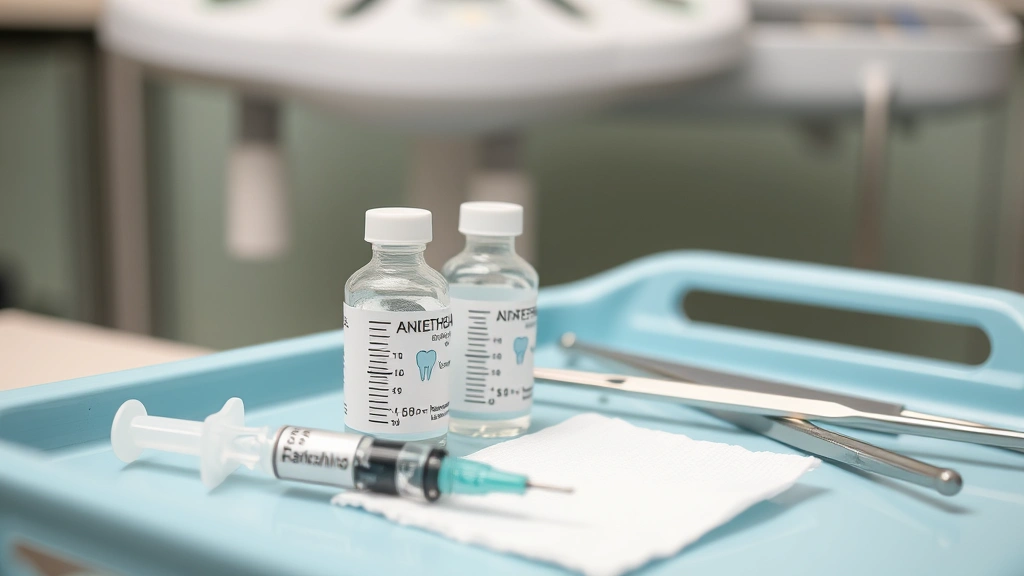
Anesthesia type affects your total bill. Local anesthesia (standard numbing) is included in most extraction quotes. Nitrous oxide sedation (laughing gas) adds $50-$100. IV sedation or general anesthesia can add $200-$500 or more, making it essential to confirm what’s included in your quoted price.
Dentist experience and credentials influence pricing significantly. Oral surgeons charge more than general dentists—typically 20-40% higher fees—but provide specialized expertise for complex cases. Board-certified specialists may charge $400-$800 for surgical extractions that a general dentist might perform for $200-$400.
Geographic location creates substantial price variations. Urban areas and regions with higher cost-of-living typically charge more. A simple extraction might cost $100 in rural areas but $250 in major metropolitan centers. Similar cost variations affect home improvement projects, reflecting regional economic differences.
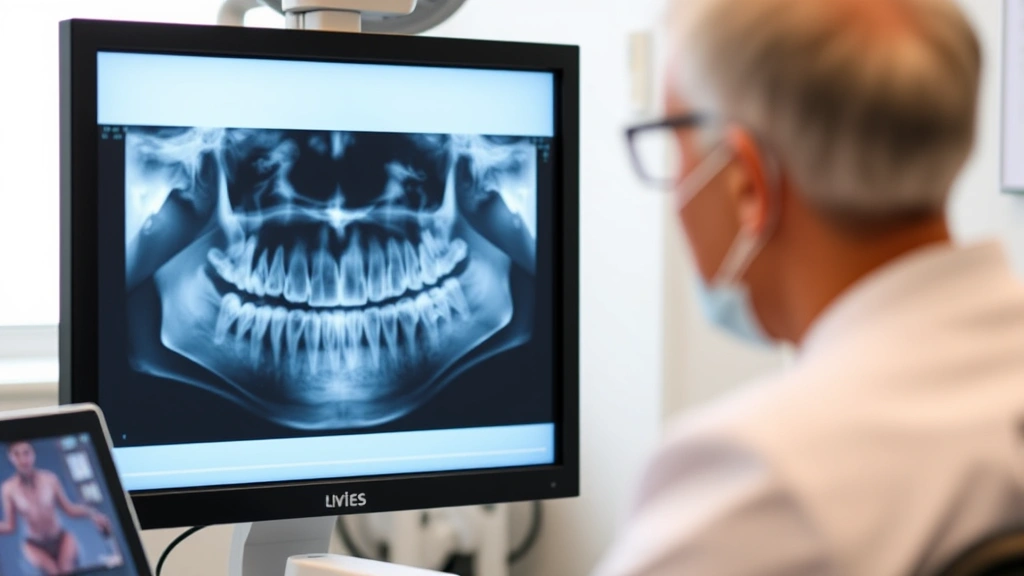
Pre-extraction imaging adds $50-$200 to your bill. X-rays help dentists plan the extraction, especially for impacted or complicated teeth. Digital imaging costs less than traditional radiographs. Some dental offices include imaging in the extraction fee, while others bill separately.
Insurance Coverage and Out-of-Pocket Expenses
Dental insurance typically covers 50-80% of extraction costs, though coverage varies by plan. Most plans classify extractions as basic restorative care and cover them at higher percentages than cosmetic procedures. However, many plans have annual maximums ($1,000-$2,000), meaning you’ll pay out-of-pocket once you exceed the limit.
Your insurance plan’s deductible applies to extractions. Common deductibles range from $25 to $100 annually. Some plans waive deductibles for preventive care but apply them to extractions. Always verify your deductible status before scheduling your procedure to understand your exact financial responsibility.
Pre-authorization is often required before extraction. Contact your insurance provider to confirm coverage levels and obtain approval. Pre-authorization prevents billing disputes and ensures you know your costs beforehand. Some insurance companies deny claims for extractions deemed “cosmetic” or “elective” if you chose extraction over other treatment options.
Uninsured patients should ask about cash discount programs. Many dental offices offer 10-20% discounts for patients paying out-of-pocket. Some practices participate in discount dental plans (like Dental Plans or Care Credit) that reduce extraction costs by 10-60%. These plans typically cost $80-$200 annually but can provide significant savings if you need multiple procedures.
Medicare and Medicaid coverage for dental care varies significantly by state and plan. Original Medicare doesn’t cover routine dental care, but some Medicare Advantage plans include limited dental benefits. State Medicaid programs have varying coverage levels for adult dental care. Contact your specific plan to determine extraction coverage.
Military personnel and veterans may access dental care through Veterans Affairs or military dental programs, often at no cost or reduced rates. Federal employees can access dental insurance through the Federal Employees Dental and Vision Insurance Program (FEDVIP).
Payment Plans and Financing Options
In-house payment plans allow you to spread extraction costs over several months. Many dental practices offer 3-6 month interest-free plans for procedures costing over $200. These plans typically require a down payment and monthly installments, with no credit check required.
Medical credit cards like CareCredit provide financing specifically for healthcare procedures. These cards offer promotional periods (0% interest for 6-24 months depending on purchase amount) and work at participating dental offices. Interest rates after the promotional period are high (18-27%), so pay off balances during the promotional window.
Personal loans from banks or credit unions offer another financing option. With competitive interest rates (typically 6-36% depending on creditworthiness), personal loans may cost less than medical credit cards long-term. Loan terms of 2-7 years let you choose manageable monthly payments.
Dental schools provide extractions at significantly reduced costs (often 50-70% below market rates) performed by dental students under faculty supervision. While this takes longer than private practice treatment, the quality is excellent and the savings are substantial. Contact your nearest dental school to inquire about extraction services.
Community health centers and charitable dental clinics offer free or sliding-scale extraction services based on income. Organizations like Needy Meds help locate free or low-cost dental services in your area. Many communities have annual dental health fairs offering free extractions and cleanings.
Regional Price Variations
Tooth extraction costs vary dramatically by region. The Northeast has the highest average extraction costs, with simple extractions averaging $150-$225 and surgical extractions $400-$650. Major cities like New York and Boston lead in dental pricing due to high overhead costs and concentrated demand.
The Midwest typically offers more affordable extractions, with simple extractions averaging $80-$150 and surgical extractions $250-$450. Rural areas in this region often have the lowest extraction costs in the nation, sometimes 40-50% below coastal metropolitan areas.
The South provides moderate pricing, with simple extractions averaging $100-$175 and surgical extractions $300-$500. Texas and Florida have competitive markets with multiple providers, keeping prices reasonable while maintaining quality care.
The West Coast ranks among the most expensive regions. California and Washington state charge $150-$250 for simple extractions and $400-$700 for surgical extractions. Seattle and San Francisco lead in high extraction costs due to premium real estate and operating expenses.
International options exist for cost-conscious patients. Dental tourism to Mexico, Costa Rica, and Central America can reduce extraction costs by 50-75%, though you must factor in travel expenses and follow-up care coordination. The American Dental Association advises careful vetting of international providers for quality assurance.
Cost Comparison: DIY vs Professional Care
Attempting home tooth extraction is strongly discouraged by dental professionals. While you might save $100-$300 initially, complications can cost thousands. Infection, excessive bleeding, nerve damage, and incomplete extraction can result in emergency dental visits, antibiotics, and corrective surgery far exceeding professional extraction costs.
Professional extraction includes proper anesthesia, sterile instruments, and trained technique that prevents complications. Dentists know how to safely remove teeth without damaging surrounding bone, nerves, and blood vessels. The $75-$600 extraction cost prevents far more expensive emergency interventions.
Related home improvement projects differ significantly from dental care. DIY basement finishing and house painting can save substantial money with proper research and careful execution. Dental procedures, however, require professional expertise—improper technique creates liability and health risks that outweigh any cost savings.
Delaying necessary extractions costs more long-term. An untreated infected tooth can lead to abscess formation, spreading infection to the jaw and sinuses. Emergency treatment for dental infections can cost $1,000-$3,000 or more, plus hospitalization if the infection becomes systemic. Extracting the problematic tooth early prevents these escalating complications.
Prevention reduces extraction needs entirely. Regular brushing, flossing, and professional cleanings (recommended twice yearly) cost far less than extractions. Dental sealants, fluoride treatments, and early cavity fillings prevent tooth loss. Investing $200-$500 annually in preventive care saves thousands in extraction and replacement costs over your lifetime.
FAQ
How much does a simple tooth extraction cost without insurance?
A simple tooth extraction typically costs $75-$200 without insurance, depending on location and dentist. Front teeth are usually cheaper ($75-$150) than molars ($150-$250). Urban areas charge more than rural regions. Always get a written quote before your appointment.
What’s included in the extraction cost?
The quoted extraction price includes the dentist’s expertise, local anesthesia, and basic post-extraction care instructions. It typically does NOT include pre-extraction X-rays ($50-$100), additional anesthesia like nitrous oxide ($50-$100), or post-operative antibiotics. Confirm what’s included when you receive your quote.
Does dental insurance cover tooth extractions?
Most dental insurance plans cover 50-80% of extraction costs as basic restorative care. Coverage depends on your specific plan, deductible status, and annual maximum. Contact your insurance provider for exact coverage details and pre-authorization requirements before scheduling.
How can I afford tooth extraction if I don’t have insurance?
Affordable options include dental school clinics (50-70% savings), community health centers with sliding-scale fees, in-house payment plans, medical credit cards like CareCredit, and cash discount programs at dental offices. Many practices offer 10-20% discounts for out-of-pocket payment.
Is a surgical extraction more expensive than a simple extraction?
Yes, significantly. Surgical extractions cost $200-$600 compared to $75-$200 for simple extractions. The higher cost reflects additional time, specialized instruments, bone removal, and expertise required for impacted or partially erupted teeth.
What factors increase extraction costs?
Costs increase with tooth location (molars cost more than front teeth), complexity (impacted teeth cost more), additional anesthesia options, pre-extraction imaging, dentist credentials (oral surgeons charge more), and geographic location. Emergency appointments also incur premium fees.
Can I negotiate extraction prices?
Yes. Ask about cash discounts (typically 10-20%), multiple tooth discounts, and payment plans. Get quotes from multiple dentists to compare pricing. Dental schools and community health centers offer significantly lower rates, though appointments may take longer.
How long does recovery take after extraction?
Simple extractions typically heal in 7-10 days for initial recovery, though complete bone healing takes 3-6 months. Surgical extractions may require 2-3 weeks for initial healing. Avoid strenuous activity, smoking, and drinking through straws during recovery to prevent complications.
What happens if I delay a necessary extraction?
Delaying extraction can lead to severe infection, abscess formation, and spreading infection to the jaw and sinuses. Emergency treatment for advanced dental infections costs $1,000-$3,000+ and may require hospitalization. Extracting the tooth early prevents these costly complications.
Are there alternatives to extraction?
Yes. Root canal therapy (saving the tooth with endodontic treatment) costs $800-$1,500 but preserves your natural tooth. Dental crowns, bridges, implants, and other restorative options exist. Discuss alternatives with your dentist to determine the best solution for your situation and budget.


