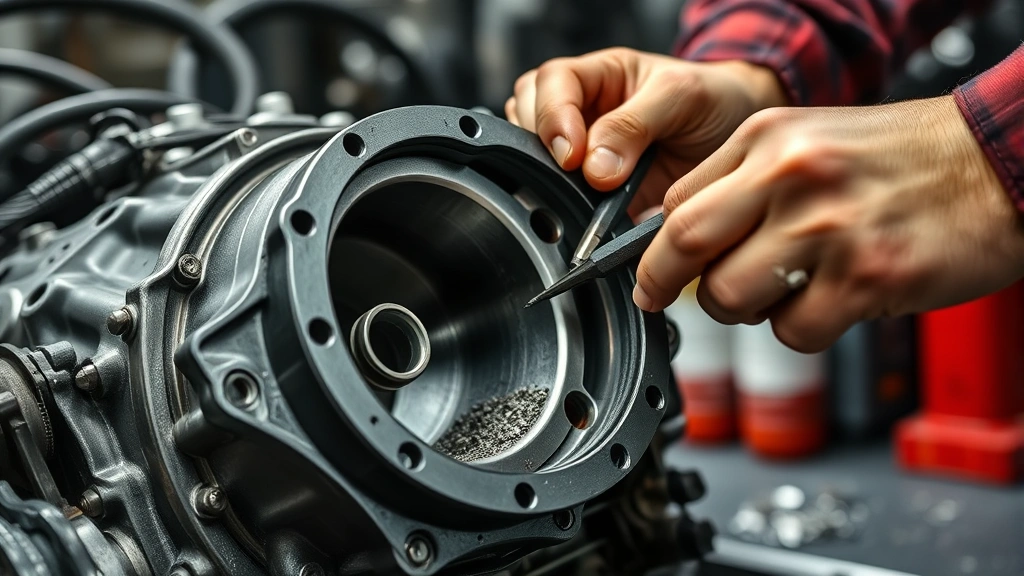
Replacing a Head Gasket: Mechanic’s Cost Breakdown
A head gasket failure is one of the most expensive repairs a vehicle owner can face, often costing between $1,200 and $3,000 or more depending on your vehicle’s make, model, and engine configuration. Understanding the factors that influence head gasket replacement costs can help you make informed decisions about repairs and potentially identify warning signs before catastrophic failure occurs. This comprehensive guide breaks down labor costs, parts expenses, and hidden fees that mechanics may charge.
The head gasket serves as a critical seal between your engine block and cylinder head, preventing coolant and oil from mixing while maintaining compression in the combustion chamber. When this gasket fails, you’re facing not just the gasket replacement itself, but often additional engine work, diagnostics, and potential damage to surrounding components. Learning what drives these costs empowers you to negotiate with mechanics and understand whether a repair is reasonably priced.
What Is a Head Gasket and Why Does It Fail
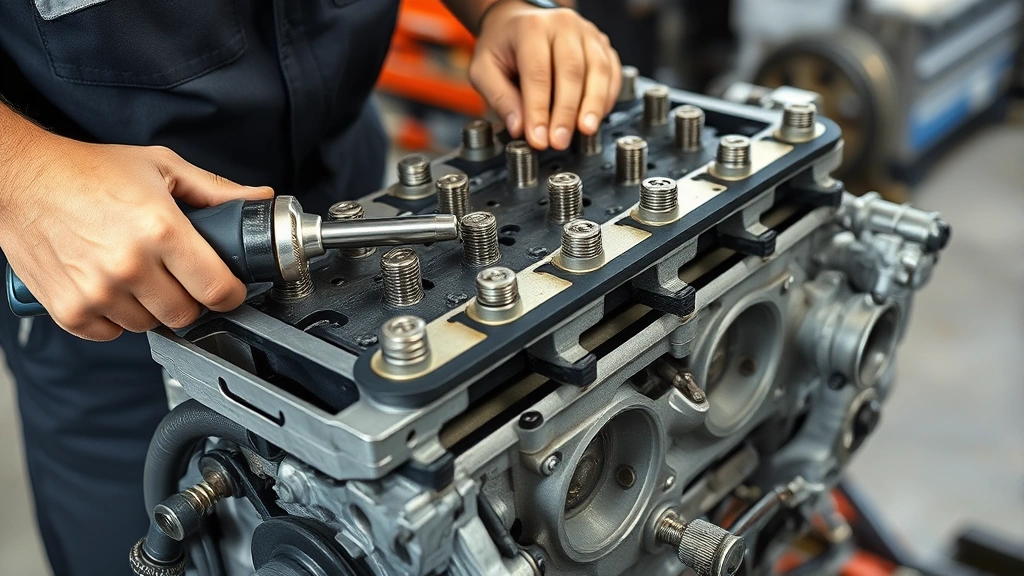
The head gasket is a thin, specialized seal positioned between the engine block and cylinder head. It’s manufactured from composite materials designed to withstand extreme temperatures, pressure, and chemical exposure from engine coolant and oil. This component prevents fluid leakage and maintains the compression necessary for proper engine combustion.
Head gaskets fail due to several factors: engine overheating, which warps the cylinder head; age and mileage, as gaskets naturally degrade over time; poor maintenance leading to coolant contamination; or manufacturing defects in certain vehicle models. Repeated thermal cycling—the constant heating and cooling of engines—causes metal expansion and contraction that eventually compromises the gasket seal. Some vehicle manufacturers are notorious for head gasket problems, including certain Subaru, Porsche, and Ford models.
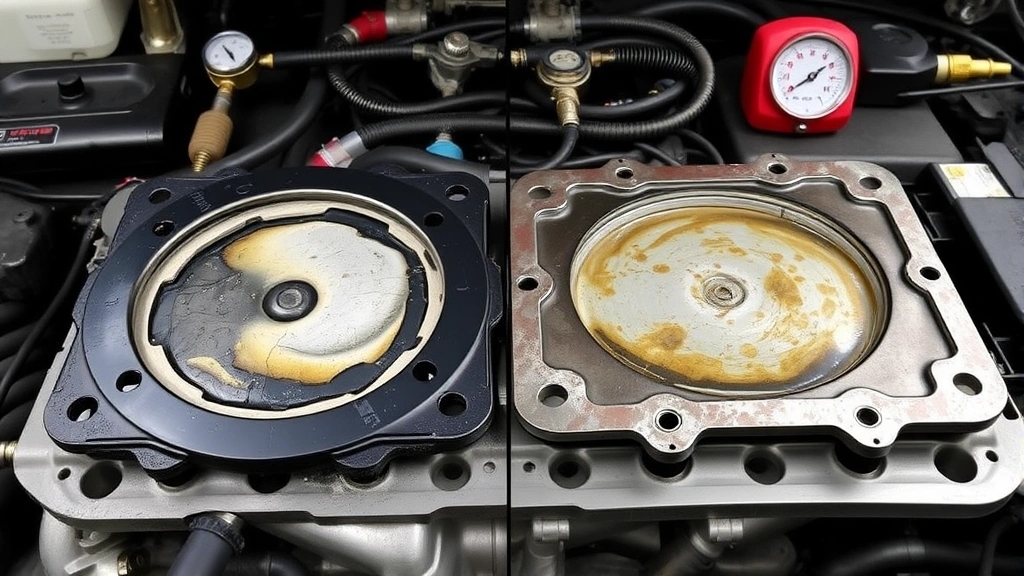
Warning signs of head gasket failure include white smoke from the exhaust, a milky appearance in the oil (indicating coolant contamination), overheating, rough idling, loss of coolant without visible leaks, and misfiring cylinders. If you notice any combination of these symptoms, immediate inspection is crucial to prevent further engine damage that could increase repair costs exponentially.
Labor Costs for Head Gasket Replacement
Labor represents the largest portion of head gasket replacement expenses, typically accounting for 60-70% of the total bill. Mechanics charge based on shop hourly rates and the complexity of accessing the head gasket on your specific vehicle.
Hourly Labor Rates vary significantly by location and shop type. Independent mechanics typically charge $75-$150 per hour, while dealerships range from $100-$200+ per hour. High-end or specialty shops in urban areas may exceed $250 per hour. For a head gasket replacement requiring 8-12 hours of labor, you’re looking at $600-$2,400 in labor alone at most shops.
Time Requirements depend heavily on engine layout. Inline four-cylinder and V6 engines typically require 8-12 hours, while V8 engines may need 10-15 hours. Some vehicles require engine removal entirely, pushing labor time to 20+ hours. Transverse-mounted engines in front-wheel-drive vehicles often demand more disassembly than longitudinally-mounted engines.
The mechanic must remove numerous components to access the head gasket: intake and exhaust manifolds, valve covers, timing covers, spark plugs, and various hoses and connectors. Each component requires careful disconnection, labeling, and reinstallation. If your vehicle has turbochargers or superchargers, labor time increases substantially due to additional complexity.
Parts and Materials Pricing
Beyond the gasket itself, several components and materials factor into parts costs. The head gasket ranges from $50-$300 depending on your vehicle, with luxury and performance vehicles commanding premium prices.
Additional Required Parts often include:
- Cylinder head bolts: $30-$150 (often must be replaced, not reused)
- Intake and exhaust gaskets: $50-$200
- Valve cover gaskets: $30-$100
- Coolant and oil: $30-$80
- Thermostat and water pump (often replaced preventatively): $100-$400
- Spark plugs: $20-$60
- Various seals and O-rings: $20-$50
Smart mechanics recommend replacing the water pump during head gasket service, as accessing it requires similar disassembly. This adds $150-$400 but prevents future repairs requiring similar labor. Similarly, replacing thermostat housings and associated gaskets during this service makes economic sense.
OEM (Original Equipment Manufacturer) parts cost significantly more than aftermarket alternatives but offer guaranteed compatibility. For a comprehensive guide to understanding repair costs, comparing parts sources is essential. Some shops mark up parts 30-50% above their cost, so requesting itemized quotes helps you understand value.
Additional Repairs and Hidden Costs
Head gasket failure often causes collateral damage that inflates repair bills beyond initial estimates. Understanding these potential additions helps you budget appropriately.
Engine Damage Assessment reveals issues like warped cylinder heads, damaged valve seats, or pitted valve surfaces. Machining a cylinder head costs $150-$400. Valve work ranges from $300-$1,000+ depending on damage severity. Some vehicles require complete cylinder head replacement rather than repair, costing $500-$1,500.
Coolant System Flushing removes contamination from failed gaskets, costing $100-$200. If coolant entered the oil, an engine flush becomes necessary to prevent sludge buildup, adding $150-$300.
Diagnostic Fees typically run $75-$150 for initial assessment. Some shops waive this if you proceed with repairs, while others charge separately. Pressure testing the cooling system adds $50-$100.
Unexpected Issues discovered during disassembly—corroded bolts, broken hoses, leaking valve covers—can add $200-$1,000+ to the final bill. This is why reputable shops provide updates during repairs rather than completing work with surprise charges.
Factors Affecting Total Replacement Cost
Several variables significantly impact your final bill, and understanding them helps explain cost variations you might encounter.
Vehicle Make and Model is the primary cost driver. A Honda Civic head gasket replacement costs substantially less than a BMW or Mercedes-Benz equivalent. Luxury and performance vehicles use specialized parts and require dealer expertise, commanding premium labor rates. Subaru vehicles are infamous for head gasket issues, with repairs on some models exceeding $3,500 due to engine layout complexity.
Engine Type and Size affects labor hours directly. Four-cylinder engines are most affordable to repair, while V12 engines in exotic vehicles can require 30+ hours of labor. Turbocharged and supercharged engines demand additional expertise, often justifying higher hourly rates.
Geographic Location significantly influences shop rates. Urban mechanics in high cost-of-living areas charge double or triple what rural mechanics charge for identical work. A $2,000 repair in a major city might cost $1,200 in a small town.
Shop Type Comparison reveals substantial differences: dealerships charge premium rates but offer warranty guarantees; independent shops offer competitive pricing with variable quality; chain shops like Firestone or Jiffy Lube provide standardized pricing but may lack specialized expertise for complex repairs.
Vehicle Condition affects repair scope. Well-maintained vehicles with regular oil changes and coolant flushes typically have straightforward repairs, while neglected vehicles may require extensive additional work. Corrosion, rust, and bolt seizure add hours to labor estimates.
DIY vs Professional Replacement
Head gasket replacement is theoretically possible for experienced DIYers, but several factors make professional service the practical choice for most vehicle owners.
DIY Challenges include requiring specialized tools like torque wrenches (essential for proper bolt tension), gasket scrapers, and potentially engine hoists. You need extensive mechanical knowledge to disassemble complex engine components without damage. Mistakes during reassembly can cause catastrophic engine failure, potentially costing more than the original repair.
Warranty Considerations heavily favor professional service. Dealerships provide 12-36 month warranties on repairs, protecting you if problems recur. DIY work voids manufacturer warranties and provides no recourse if something fails.
Time Investment is substantial. Professional mechanics complete the job in 8-15 hours; DIYers often require 20-40 hours spread across multiple days or weeks, during which your vehicle sits immobilized. For most people, this isn’t practical.
Parts Sourcing is easier for professionals. Mechanics have relationships with suppliers offering volume discounts you won’t receive. They know which OEM parts are essential versus which aftermarket alternatives work adequately.
That said, if you possess significant mechanical experience, access to proper tools, and a well-equipped workspace, DIY work can save $600-$2,400 in labor. However, the risk-to-reward ratio typically favors professional service, especially on vehicles you depend on for daily transportation.
Ways to Save Money on Head Gasket Repair
Several strategies help reduce the financial impact of this expensive repair without compromising quality or safety.
Get Multiple Quotes from at least three different shops. Request itemized quotes specifying parts, labor hours, and additional services. This comparison reveals whether a shop’s pricing is reasonable or inflated. Don’t automatically choose the cheapest option, as experienced shops often charge more for superior work and reliability.
Request OEM Parts Comparison and ask about warranty differences between OEM and quality aftermarket components. Sometimes the price difference doesn’t justify the marginal benefit, saving you $100-$300.
Bundle Related Services during head gasket work. Replacing the water pump, thermostat, or serpentine belt simultaneously reduces overall labor costs. Scheduling routine maintenance (oil changes, spark plugs) at the same time maximizes efficiency.
Consider Independent Mechanics over dealerships for equivalent quality at 20-40% lower cost. Independent shops with strong reputations offer competitive pricing without premium dealership markups. Read reviews on Google, Yelp, and Better Business Bureau before selecting a shop.
Ask About Warranty Options that cover parts and labor. Some shops offer extended warranties for additional cost, protecting you if the repair fails prematurely. This insurance is sometimes worth the extra investment.
Preventive Maintenance prevents head gasket failure entirely. Regular coolant flushes (every 30,000-50,000 miles), proper oil changes, and maintaining proper engine temperature through thermostat maintenance can extend gasket lifespan significantly. For detailed cost analysis on major repairs, planning ahead makes financial sense.
Negotiate Repair Timing if your vehicle is drivable. Waiting for a less busy shop season sometimes yields discounts. However, if your vehicle is overheating or losing coolant rapidly, immediate repair is necessary to prevent catastrophic engine damage costing $5,000+.
FAQ
How long does head gasket replacement take?
Most head gasket replacements require 8-15 hours of labor, though some vehicles need 20+ hours. Complex engines, turbochargers, and transverse layouts increase time requirements. Your mechanic should provide a time estimate before starting work.
Can I drive with a failed head gasket?
Driving with a confirmed head gasket failure risks catastrophic engine damage. If coolant is entering the combustion chamber or oil is contaminating coolant, continued driving can destroy the engine entirely. If you suspect failure, have it diagnosed immediately and avoid driving until repaired.
Is head gasket repair covered by warranty?
Most manufacturer warranties don’t cover head gasket failure unless it’s a known defect (some Subaru models). Extended warranties sometimes cover gasket failure depending on terms. Check your specific warranty documentation or contact your dealer.
What’s the difference between OEM and aftermarket head gaskets?
OEM gaskets are manufactured by your vehicle’s maker and guarantee perfect fit and compatibility. Aftermarket gaskets cost less but may have slightly lower quality or durability. For critical seals like head gaskets, OEM parts are often worth the premium, though quality aftermarket options exist.
Should I replace the water pump during head gasket service?
Yes, most mechanics recommend this. The water pump requires similar disassembly to access the head gasket, making simultaneous replacement economical. Failing to do so means repeating expensive labor later when the pump fails.
Why does my quote include so many additional parts?
Head gasket service requires replacing gaskets, seals, and bolts throughout the engine’s upper end. Bolts especially must be replaced rather than reused after head removal. These additions ensure reliability and prevent future leaks.
Can I get a warranty on head gasket replacement?
Most reputable shops provide 12-36 month warranties on parts and labor. Dealerships typically offer longer warranties than independent shops. Always request warranty details in writing before authorizing work.
What causes head gasket failure in some vehicles more than others?
Design flaws, manufacturing defects, and engine thermal characteristics affect failure rates. Subaru’s flat-four engines, certain Porsche models, and some Ford engines have documented higher failure rates. Research your vehicle’s history before purchasing to understand potential risks.


