Laundromat Setup Costs: Expert Insights on Starting Your Business
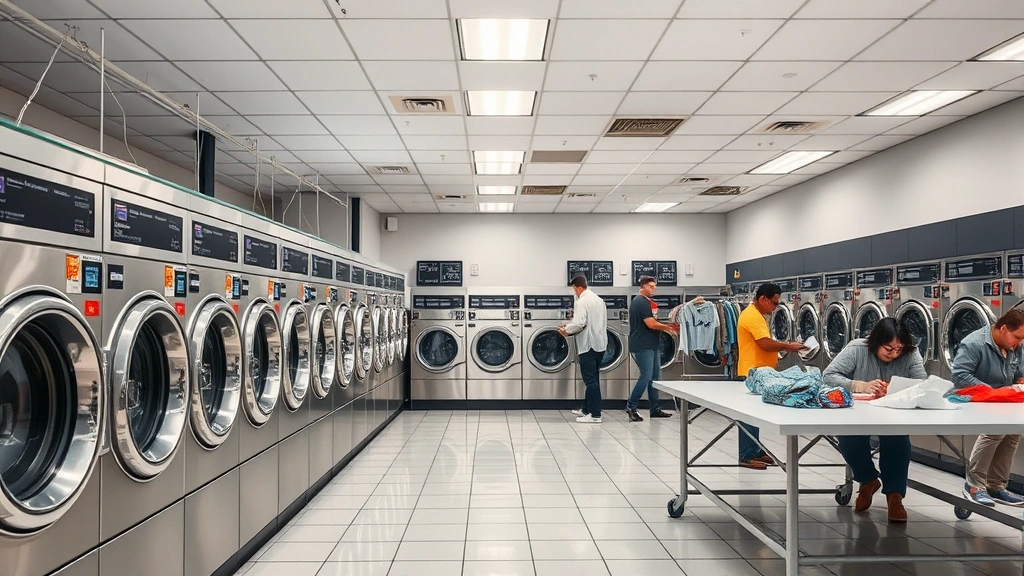
Opening a laundromat is an attractive business opportunity for entrepreneurs seeking a relatively passive income stream with manageable day-to-day operations. Unlike many service-based businesses, laundromats offer predictable revenue patterns and the potential for strong returns on investment. However, understanding the complete financial picture before launching is essential to avoid costly mistakes and ensure your venture succeeds from day one.
The total cost to start a laundromat typically ranges from $275,000 to $425,000, though this figure varies significantly based on location, facility size, equipment choices, and local regulations. Breaking down these costs into manageable categories helps prospective owners develop accurate budgets and identify areas where they can optimize spending without compromising quality or compliance.
Equipment Costs: The Largest Investment
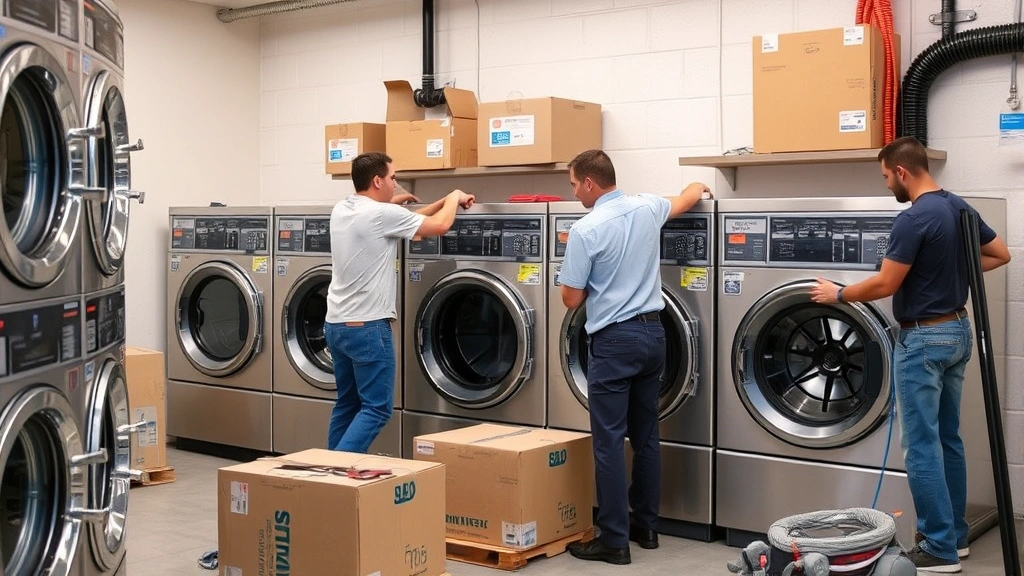
Washing machines and dryers represent 40-50% of your total startup budget. This is the single largest expense category for any laundromat operation. A commercial-grade front-load washer costs between $3,500 and $8,000 per unit, while commercial dryers range from $2,500 to $5,500 each. Most laundromats require 15-30 washers and 20-40 dryers depending on the facility size and target market demographics.
The decision between new and used equipment significantly impacts your initial investment. New machines come with manufacturer warranties (typically 3-5 years), better efficiency ratings, and advanced features like card payment integration. Used equipment can reduce upfront costs by 30-50%, but may require earlier replacement and carries higher maintenance risks. Industry experts recommend purchasing 70% new equipment and 30% quality used machines as a balanced approach.
Beyond basic washers and dryers, you’ll need to budget for:
- Industrial folding tables ($200-400 each, need 3-5 units): Essential for customer convenience
- Change machines ($800-1,500 per unit): Typically need 2-3 units for customer accessibility
- Vending machines ($1,500-3,000 per unit): Detergent, fabric softener, and snack dispensers generate secondary revenue
- Coin collection equipment ($2,000-4,000): Secure counting and storage systems
- Seating and waiting area furniture ($1,500-3,000): Benches, chairs, and tables for customer comfort
- Cleaning and maintenance equipment ($800-1,500): Mops, vacuums, industrial cleaners
Consider exploring cost-saving strategies from experienced business builders who understand how to negotiate bulk equipment purchases. Many manufacturers offer volume discounts for facilities purchasing multiple units simultaneously.
Real Estate and Buildout Expenses
Your location choice dramatically affects overall startup costs. Lease deposits typically equal 3-6 months of rent, while buildout and renovation expenses range from $15,000 to $50,000 depending on the space’s current condition. A 3,000-4,000 square foot facility is ideal for most markets, balancing equipment capacity with manageable overhead.
Key real estate considerations include:
- Lease negotiation: Monthly rent ranges from $2,000-8,000 depending on location, with triple net leases potentially adding $500-1,500 monthly for property taxes, insurance, and maintenance
- HVAC systems: Commercial-grade humidity and temperature control costs $8,000-15,000 and is essential for equipment longevity
- Plumbing and water infrastructure: Upgrading water lines, drains, and hot water systems costs $5,000-12,000
- Electrical upgrades: Commercial laundromats require substantial electrical capacity; panel upgrades cost $3,000-8,000
- Flooring and walls: Epoxy flooring ($3,000-6,000) and tile or durable wall finishes ($2,000-4,000) withstand high moisture
- Security systems: Cameras, alarms, and access control systems cost $2,000-5,000
Many successful operators recommend signing leases with landlords willing to contribute toward buildout costs. This negotiation strategy can reduce your real estate-related expenses by 10-25%, particularly in competitive markets where landlords want quality tenants.
Licensing, Permits, and Compliance
Operating a laundromat requires compliance with multiple regulatory frameworks. License and permit costs typically range from $500 to $3,000, but this varies significantly by jurisdiction. Understanding local requirements prevents costly delays and ensures your facility meets all safety standards from day one.
Essential permits and licenses include:
- Business license and registration ($100-300): Your city or county business office issues these foundational documents
- Health department permits ($200-800): Required in many jurisdictions due to water usage and humidity control
- Building permits ($400-1,500): Necessary for any renovation or equipment installation work
- Fire safety inspections ($150-400): Commercial buildings must meet NFPA fire code requirements
- Environmental compliance ($300-1,000): Water discharge and chemical handling regulations vary by state
- ADA compliance certification ($200-600): Ensures accessibility for customers with disabilities
- Zoning verification ($100-300): Confirms the location permits commercial laundromat operations
Consulting with a local business attorney ($1,500-3,000 for initial setup guidance) helps identify jurisdiction-specific requirements and prevents expensive compliance issues later. Many municipalities offer free business startup resources through Small Business Administration offices that provide regulatory guidance.
Technology and Payment Systems
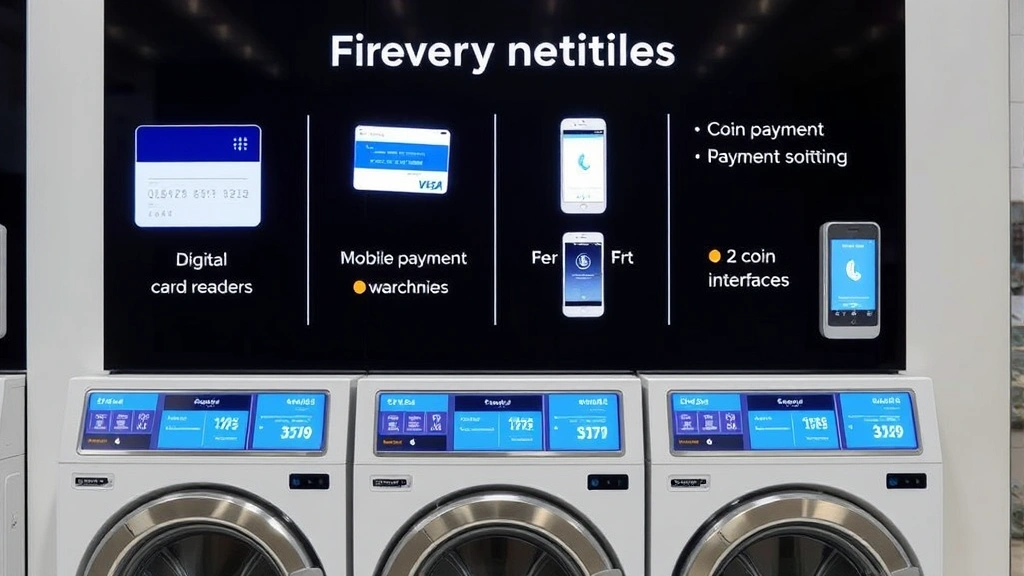
Modern laundromats require sophisticated payment technology to compete effectively. Coin-operated systems are becoming obsolete as customers prefer card, mobile payment, and subscription options. Budget $8,000-15,000 for comprehensive technology infrastructure.
Key technology investments include:
- Mobile payment systems ($3,000-6,000): Apps allowing customers to start machines remotely and monitor wash cycles
- Card readers and point-of-sale systems ($2,000-4,000): Integrated with washers, dryers, and vending machines
- Business management software ($100-300/month): Tracks revenue, monitors equipment performance, and manages maintenance schedules
- Security and surveillance systems ($2,000-5,000): HD cameras with cloud storage provide safety and loss prevention
- Internet and connectivity ($100-150/month): High-speed connection required for payment processing and remote monitoring
- Backup power systems ($1,500-3,000): Ensures operations continue during power outages
Selecting equipment compatible with modern payment platforms is crucial. Many laundromat operators report that modernizing payment systems increases revenue by 15-25% compared to coin-only operations, as customers prefer convenience and transparency.
Operational Startup Costs
Beyond physical infrastructure, launching a successful laundromat requires operational funding for the first 3-6 months of business. These costs cover marketing, staffing, supplies, and working capital until the business reaches profitability.
Essential operational expenses include:
- Marketing and grand opening ($2,000-5,000): Local advertising, signage, social media promotion, and opening day events
- Insurance policies ($2,500-5,000 annually): General liability, property, and equipment coverage are non-negotiable
- Cleaning and maintenance supplies ($500-1,000): Detergents, disinfectants, and cleaning equipment for daily operations
- Staffing and payroll ($3,000-6,000/month): Part-time attendants for customer service and facility cleaning
- Utilities for first three months ($2,000-4,000): Water, electricity, and gas represent ongoing operational expenses
- Signage and branding ($1,500-3,000): Professional exterior and interior signage establishes credibility
- Working capital reserve ($5,000-10,000): Emergency funds for unexpected repairs and expenses
Industry data suggests allocating 10-15% of your total startup budget as working capital reserves. This cushion prevents cash flow crises during the critical first months when customer volume is building.
Hidden Expenses and Contingencies
Experienced laundromat owners consistently emphasize that unexpected costs arise during startup. Planning for these hidden expenses prevents financial stress and project delays.
Common hidden costs include:
- Architectural and engineering fees ($1,500-3,500): Professional designs ensure optimal equipment layout and plumbing efficiency
- Inspection and testing ($500-1,500): Water quality tests, electrical inspections, and equipment certifications
- Contingency buffer ($10,000-20,000): Industry standard is 5-10% of total budget for unforeseen issues
- Equipment freight and installation ($3,000-6,000): Delivery and professional installation costs often exceed customer expectations
- Renovation overruns ($2,000-8,000): Construction projects frequently exceed initial estimates by 10-20%
- Utility infrastructure upgrades ($2,000-5,000): Hidden plumbing or electrical issues discovered during buildout
- Training and certification ($500-1,500): Staff training and equipment operation certification programs
Many successful laundromat operators recommend working with experienced business consultants familiar with the industry. These professionals typically charge $1,500-3,000 for comprehensive startup planning but often identify cost-saving opportunities that exceed their fees.
Understanding professional facility management standards helps optimize operational efficiency. Additionally, consulting industry associations for laundromat operators provides access to peer networks, best practices, and vendor recommendations that can reduce costs through bulk purchasing power.
FAQ
What is the average cost to start a laundromat?
The typical range is $275,000 to $425,000, with equipment representing the largest expense category at 40-50% of total startup costs. This figure varies based on location, facility size (typically 3,000-4,000 square feet), equipment choices, and local regulatory requirements. Urban locations and larger facilities tend toward the higher end of this range.
Can I start a laundromat with less money?
Yes, but with significant trade-offs. Some entrepreneurs start with $150,000-200,000 by purchasing used equipment, negotiating favorable lease terms, and managing their own day-to-day operations initially. However, this approach requires extensive due diligence and carries higher risks of equipment failure and operational challenges. Most industry experts recommend having adequate capital to ensure quality equipment and proper facility buildout.
How long does it take to recoup startup costs?
Average payback periods range from 3 to 5 years, depending on location, customer density, and operational efficiency. High-traffic urban locations may achieve profitability within 2-3 years, while suburban or rural facilities may require 5-7 years. Monthly revenue typically ranges from $4,000-8,000 for well-operated facilities, with net profit margins of 20-30% after expenses.
What are the ongoing monthly expenses?
Monthly operating costs typically include rent ($2,000-8,000), utilities ($500-1,500), staffing ($1,500-3,000), maintenance and repairs ($300-800), insurance ($200-400), and supplies ($200-400). Total monthly expenses generally range from $4,700-14,100, depending on facility size and location. Establishing accurate expense projections is crucial for financial planning.
Should I buy new or used equipment?
A balanced approach works best: purchase 70% new equipment with warranties and 30% quality used machines. New equipment offers manufacturer warranties, better efficiency, and modern payment integration, while used equipment reduces upfront costs. However, used machines may require earlier replacement and carry higher maintenance risks. Thoroughly inspect all used equipment before purchase and budget for potential repairs.
Do I need to hire employees?
Most laundromats operate with part-time staff for 20-40 hours weekly for customer service, cleaning, and maintenance. Some small facilities in secure locations use remote monitoring and occasional attendant visits. However, having staff improves customer experience, reduces theft, and enables longer operating hours. Budget $1,500-3,000 monthly for part-time staffing.
What location factors affect startup costs?
Real estate costs vary dramatically by region. Urban and suburban locations command higher lease rates ($4,000-8,000/month) but offer better customer density and revenue potential. Rural locations have lower rent ($1,500-3,000/month) but require more marketing to build customer base. Demographics, foot traffic, competitor proximity, and parking availability all influence both lease costs and revenue potential.


