House Demolition Costs: Expert Insights & Estimates
Tearing down a house is a significant financial and logistical undertaking that requires careful planning, professional expertise, and substantial investment. Whether you’re clearing land for new construction, removing a hazardous structure, or managing a property inheritance, understanding how much it costs to tear down a house is essential for budgeting and decision-making. Demolition costs vary dramatically based on location, building size, structural complexity, and regulatory requirements.
This comprehensive guide breaks down every factor affecting demolition pricing, provides realistic cost estimates, and explains the hidden expenses homeowners often overlook. We’ll explore the difference between full demolition and selective deconstruction, walk through the permitting process, and help you navigate contractor selection to ensure you get fair pricing for this critical project.
Average House Demolition Costs by Region
The national average for residential house demolition ranges from $10,000 to $65,000, with most homeowners spending between $15,000 and $35,000 for a single-family home. However, this broad range reflects significant geographical variation and structural differences. Regional labor costs, material disposal fees, and local regulations create substantial price disparities across the country.
In urban areas like New York, Los Angeles, and Chicago, demolition costs typically run 30-50% higher than rural regions due to higher labor rates, stricter environmental regulations, and increased disposal costs. A modest suburban home that costs $20,000 to demolish in rural Pennsylvania might cost $35,000+ in metropolitan Boston. Conversely, smaller homes in rural areas might be demolished for $8,000-$12,000.
The cost structure typically breaks down as follows: labor represents 40-50% of total expenses, debris removal and disposal accounts for 20-30%, and permits, equipment rental, and hazmat removal make up the remaining 20-40%. Understanding these proportions helps you identify where negotiation opportunities exist with contractors.
For a more detailed cost comparison, consulting your local International Code Council (ICC) resources can provide region-specific building standards that affect demolition complexity and pricing.
Factors That Influence Demolition Pricing
Multiple variables determine your final demolition bill, and understanding each one helps you anticipate expenses and avoid surprises. The primary factors include building size, age, construction type, site accessibility, environmental hazards, and local market conditions.
Building Size and Square Footage directly correlates with demolition cost. A 1,000-square-foot cottage typically costs $10,000-$15,000 to demolish, while a 3,000-square-foot two-story home ranges from $25,000-$45,000. However, cost-per-square-foot pricing ($10-$17 per square foot) provides more accurate estimates than flat fees. Larger homes benefit from economy of scale, so per-square-foot costs decrease slightly for 4,000+ square foot properties.
Building Age and Construction Materials significantly impact pricing. Homes built before 1980 often contain asbestos insulation, lead paint, and other hazardous materials requiring specialized removal procedures that add $2,000-$10,000 to project costs. Older masonry or concrete structures take longer to demolish than modern wood-frame construction, increasing labor expenses. Victorian-era homes with ornate details and solid construction cost considerably more than 1970s ranch homes.
Foundation Type affects demolition complexity and disposal costs. Concrete slab foundations are easier and cheaper to remove than basement foundations, which require additional excavation and structural removal. Crawlspace foundations fall between these extremes. Basement removal typically adds $3,000-$8,000 to total project costs due to extra excavation and debris volume.
For guidance on structural standards affecting demolition procedures, review NFPA (National Fire Protection Association) standards and local building codes that govern safe demolition practices.
Full Demolition vs. Selective Deconstruction
Two primary demolition approaches exist: full mechanical demolition and selective deconstruction, each offering distinct advantages and cost implications. Understanding the difference helps you choose the most economical option for your situation.
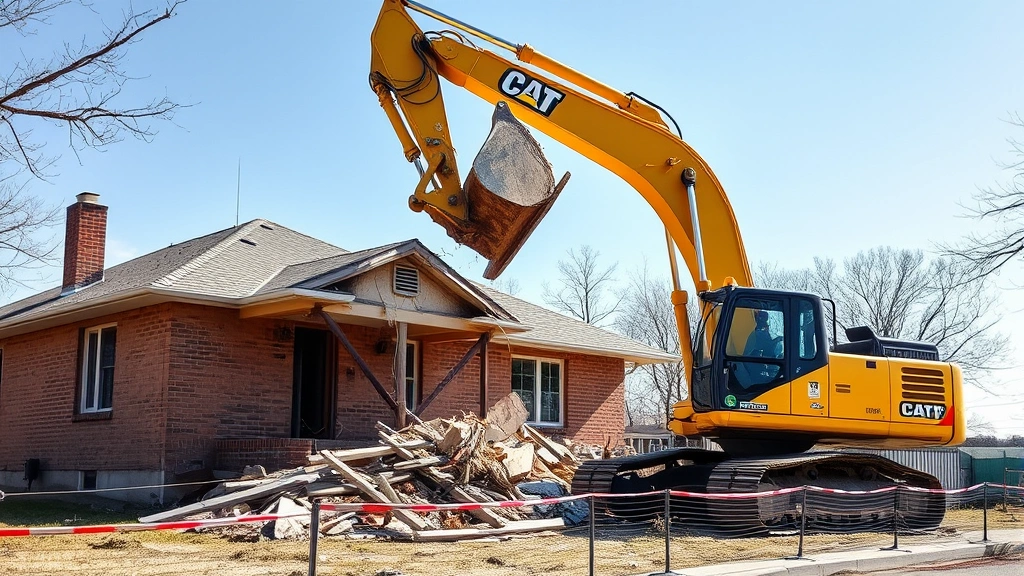
Full Mechanical Demolition involves rapidly tearing down the structure using heavy equipment like excavators and bulldozers, then hauling away all debris. This approach costs $10,000-$35,000 for typical residential properties and takes 1-2 weeks to complete. It’s fastest and most cost-effective for properties where salvaging materials isn’t economically viable. Heavy equipment operation, however, requires skilled operators and generates substantial debris volume requiring disposal.
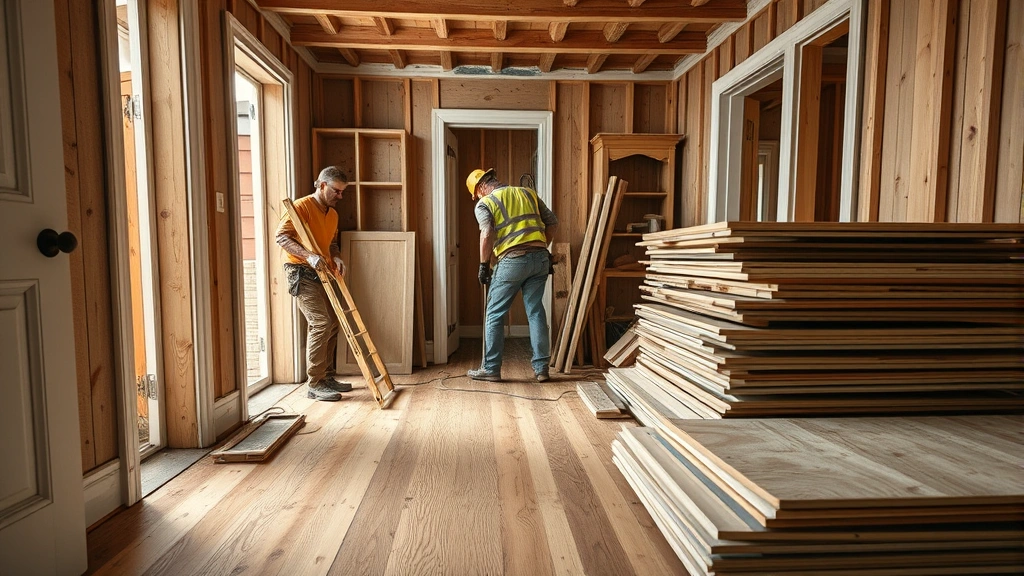
Selective Deconstruction involves carefully dismantling the structure to salvage valuable materials like hardwood flooring, copper wiring, fixtures, and architectural details for resale. This labor-intensive approach costs $15,000-$50,000 but recovers $2,000-$15,000 through material sales, effectively reducing net demolition costs. Deconstruction takes 3-6 weeks and appeals to environmentally conscious property owners and those with high-value salvageable materials. Reclaimed wood, vintage fixtures, and architectural elements command premium prices in specialty markets.
A hybrid approach combines selective deconstruction for valuable materials with mechanical demolition for remaining structure, balancing environmental responsibility with cost efficiency. This typically costs $12,000-$40,000 depending on salvage potential.
Before deciding between approaches, consult Construction Dive resources and local salvage contractors to assess your home’s material value and determine whether deconstruction economics make sense for your project.
Permits, Inspections & Regulatory Requirements
Obtaining proper permits and passing inspections is legally mandatory and significantly affects demolition costs. Most jurisdictions require demolition permits, environmental assessments, and final inspections before and after work, adding $500-$3,000 to project expenses.
Permit Costs and Processing vary by municipality but typically range from $200-$1,500. Processing times extend 2-8 weeks, so plan accordingly when scheduling demolition. Some jurisdictions require detailed demolition plans, structural engineer reports, and hazmat surveys before issuing permits. These professional reports cost $500-$2,000 but are essential for compliance and contractor accountability.
Environmental and Hazard Assessments are mandatory in most areas before demolition begins. Phase I Environmental Site Assessments identify soil contamination, underground storage tanks, and other environmental concerns ($800-$2,500). Asbestos, lead, and mold surveys cost $300-$1,500 each but prevent liability and ensure safe handling of hazardous materials.
Utility Disconnection must occur before demolition begins. Gas, electric, water, sewer, and internet providers must officially disconnect services, which typically costs $100-$500 total. Failure to disconnect utilities creates serious safety hazards and legal liability.
Reference your local building department’s demolition guidelines and the EPA’s demolition and renovation standards for compliance requirements specific to your region and property characteristics.
Hidden Costs & Additional Expenses
Beyond the primary demolition contract, numerous hidden expenses surprise unprepared homeowners. Identifying these costs during initial planning prevents budget overruns and ensures realistic project budgeting.
Hazardous Material Removal represents the most significant hidden expense. Asbestos abatement costs $2,000-$10,000, mold remediation ranges $2,000-$6,000, and lead paint removal adds $1,500-$5,000. Underground storage tank removal costs $2,500-$8,000 depending on tank size and contamination levels. These services require certified professionals and specialized disposal protocols, making them non-negotiable expenses rather than optional upgrades.
Soil Remediation and Site Contamination may be necessary if the property has industrial history or environmental concerns. Excavating and properly disposing of contaminated soil costs $3,000-$25,000+ depending on contamination extent. This often emerges during demolition when subsurface conditions are exposed, requiring contract amendments and additional funding.
Tree Removal and Landscaping may be necessary if mature trees or significant vegetation interferes with demolition access. Professional tree removal costs $500-$3,000 per tree, and clearing overgrown vegetation adds $1,000-$5,000 to project timelines and expenses.
Temporary Utilities and Site Services during demolition include portable restrooms ($150-$300/month), temporary fencing ($1,000-$3,000), and dust control measures ($500-$2,000). These seemingly minor expenses accumulate significantly on extended projects.
Concrete Recycling and Special Disposal costs more than standard debris removal. Concrete recycling costs $10-$30 per ton, while standard landfill disposal runs $25-$50 per ton. Asphalt, roofing materials, and other specialty waste streams have specialized disposal requirements and associated costs.
Site Preparation & Cleanup Expenses
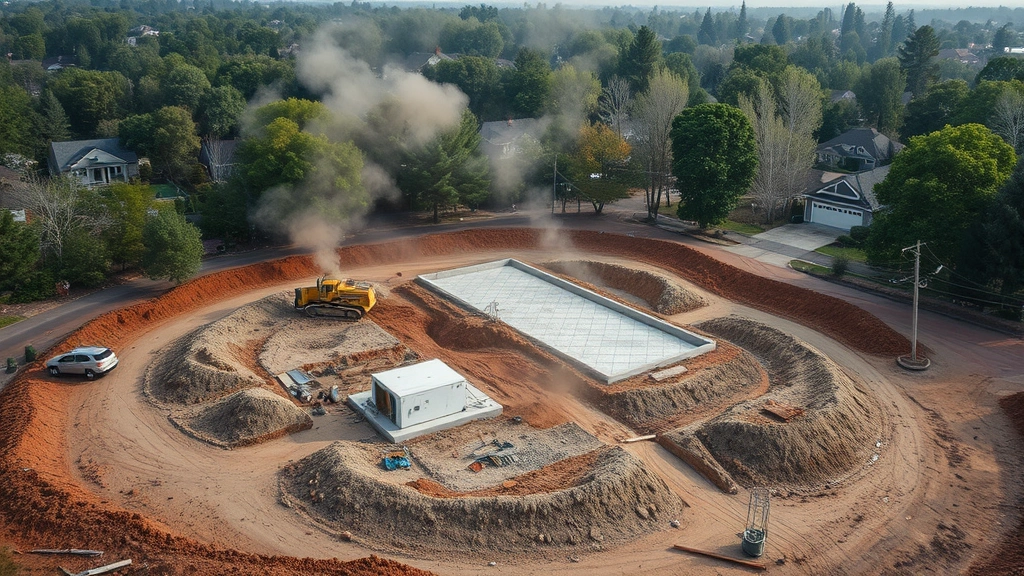
After structural demolition concludes, substantial site preparation work remains before the property is ready for new development. This phase often costs $3,000-$15,000 but is essential for future construction or property resale.
Foundation Removal and Ground-Level Grading involves excavating concrete foundations, footings, and below-grade structures. Concrete removal costs $1,000-$5,000 depending on foundation size and depth. Professional grading and compaction ensures proper drainage and stable ground for future construction, costing $1,500-$4,000. Improper site preparation causes foundation problems and construction delays, making this investment critical.
Debris and Rubble Removal is typically included in demolition contracts, but additional cleanup may be necessary. Removing scattered debris, nails, glass, and other hazards costs $500-$2,000. Professional site sweeping and magnet sweeping (removing ferrous metals) ensures safety and prepares the property for new construction.
Underground Utilities Capping requires properly sealing or removing subsurface gas, water, sewer, and electrical lines. This prevents future safety hazards and permits future construction. Capping costs $500-$2,000 depending on utility complexity and depth.
Final Inspections and Certifications verify complete demolition and site safety. Most jurisdictions require final inspection confirming all structures removed, utilities disconnected, and hazardous materials properly handled. This inspection costs $200-$500 but is legally mandatory before property redevelopment.
Finding Qualified Demolition Contractors
Selecting the right contractor is as important as understanding costs, as unqualified operators create safety hazards, environmental violations, and financial disputes. Proper contractor vetting protects your investment and ensures professional-quality work.
Credentials and Licensing Requirements vary by state and municipality but typically include demolition contractor licenses, bonding, and liability insurance. Verify contractors hold current licenses through your state’s licensing board and local building department. Request proof of general liability insurance ($1-2 million minimum) and workers’ compensation insurance. Bonding protects you financially if contractors fail to complete work or violate regulations.
Experience and Specialization matter significantly. Contractors specializing in residential demolition understand nuances that general construction companies miss. Ask for references from similar-sized projects completed within the past three years. Contact previous clients directly rather than relying on contractor-provided references. Request to visit completed project sites to assess work quality and site restoration standards.
Detailed Bid Comparison requires more than price comparison. Comprehensive bids should specify demolition methods, hazmat handling procedures, debris disposal plans, timeline, site restoration scope, and insurance coverage. Compare apples-to-apples by ensuring all bids cover identical scopes of work. The lowest bid often reflects corner-cutting and hidden costs, while the highest bid may indicate unnecessary services.
References from Industry Organizations help identify reputable contractors. Contact your local ASFE (Association of Soil and Foundation Engineers) for contractor recommendations and the Associated General Contractors of America for qualified demolition specialists in your region.
Request written contracts specifying all work details, payment schedules, timeline, insurance requirements, and dispute resolution procedures. Never pay the full contract amount upfront; typical payment schedules involve 25-30% down payment, 50% at project midpoint, and final 20-25% upon completion and final inspection approval.
Cost-Saving Strategies
Strategic planning and smart decision-making can reduce demolition costs by 15-30% without compromising quality or safety. Implementing these approaches requires advance planning but yields significant savings.
Timing Your Demolition Strategically affects contractor availability and pricing. Demolition contractors offer better rates during slow seasons (winter in northern climates, summer in southern regions) when demand decreases. Planning demolition during off-peak seasons can reduce costs 10-20%. Conversely, spring and fall are peak demolition seasons with premium pricing.
Combining Projects for Efficiency reduces per-unit costs. If you’re planning multiple demolitions or combining demolition with new construction, bundling projects with one contractor often yields 10-15% discounts. Contractors appreciate multi-project relationships and offer better pricing for increased work volume.
Selective Deconstruction for Material Salvage recovers $2,000-$15,000 through material sales, effectively reducing net demolition costs. Valuable reclaimed materials include hardwood flooring, solid wood doors, vintage fixtures, copper wiring, and architectural details. Research local salvage markets and consult Institute of Scrap Recycling Industries resources to understand material values before deciding between full demolition and deconstruction.
DIY Preparation and Salvage reduces contractor costs if you handle non-hazardous tasks. Removing fixtures, doors, windows, and other items before contractor arrival can save $1,000-$3,000 in labor costs. However, only attempt tasks you’re qualified for; improper hazmat handling creates liability and safety hazards.
Negotiating Payment Terms affects project financing. Request extended payment schedules allowing you to spread costs over 60-90 days rather than paying upfront. Some contractors offer 5-10% discounts for cash payment or financing through their preferred lenders, offsetting interest costs.
Obtaining Multiple Quotes is essential. Request detailed bids from at least three qualified contractors covering identical scopes of work. Comparing comprehensive bids identifies cost variations and helps negotiate better pricing. However, never select contractors solely on price; quality and reliability matter more than saving $1,000-$2,000 on a $25,000 project.
Frequently Asked Questions
What is the average cost to demolish a house?
The national average ranges from $10,000-$35,000 for single-family homes, with most projects falling between $15,000-$25,000. Costs vary significantly by location, building size, age, and structural complexity. Rural areas typically cost 30-50% less than metropolitan regions.
Can you deduct house demolition costs from taxes?
Generally, demolition costs are not tax-deductible unless the structure is demolished as part of a property development or construction project. In such cases, demolition costs may be capitalized into the basis of the new structure. Consult a tax professional to determine your specific situation’s deductibility.
How long does house demolition typically take?
Full mechanical demolition usually takes 1-2 weeks for residential properties. Selective deconstruction extends timelines to 3-6 weeks due to careful material handling. Site cleanup and final inspections add 1-2 additional weeks. Total project duration from permit approval to completion typically spans 4-10 weeks.
What permits are required for house demolition?
Most jurisdictions require demolition permits, environmental assessments, and utility disconnection approvals. Some areas mandate hazmat surveys and structural engineer reports. Processing times vary from 2-8 weeks. Contact your local building department for specific requirements in your area.
Can you salvage materials from house demolition?
Yes, selective deconstruction preserves valuable materials like hardwood flooring, solid wood doors, vintage fixtures, and copper wiring for resale. Reclaimed materials can recover $2,000-$15,000 depending on home age and material quality. This approach costs more than mechanical demolition but reduces net costs through salvage revenue.
Is asbestos removal included in demolition costs?
Asbestos removal is typically quoted separately from demolition costs. Professional asbestos abatement ranges from $2,000-$10,000 depending on quantity and location. Many contractors won’t begin demolition until asbestos is professionally removed and certified, making this a prerequisite expense rather than an optional add-on.
How much does it cost to remove a house foundation?
Foundation removal costs $1,000-$5,000 for concrete slab foundations and $3,000-$8,000 for basement foundations requiring deeper excavation. Specialized equipment and labor-intensive work drive costs higher for complex foundations. Some contractors include foundation removal in demolition quotes, while others charge separately.
What’s the difference between demolition and deconstruction?
Demolition involves rapid structure removal using heavy equipment, typically costing less but generating significant waste. Deconstruction carefully dismantles structures to salvage valuable materials, costing more upfront but recovering costs through material sales. Deconstruction is more environmentally sustainable but requires specialized expertise.
Do I need liability insurance for house demolition?
Your contractor must carry comprehensive liability insurance ($1-2 million minimum) and workers’ compensation insurance. Verify coverage before work begins. Some homeowners purchase additional liability insurance, though contractor insurance typically provides adequate protection. Consult your insurance agent about coverage recommendations.
What happens to the land after demolition?
After demolition and site cleanup, the land is graded, compacted, and ready for new construction or resale. Most demolition contracts include site restoration to ground level. Additional preparation like soil remediation or utility capping may be necessary depending on property history and future use. Proper site preparation prevents future construction complications.


