Window Tint Cost: Expert Breakdown Inside
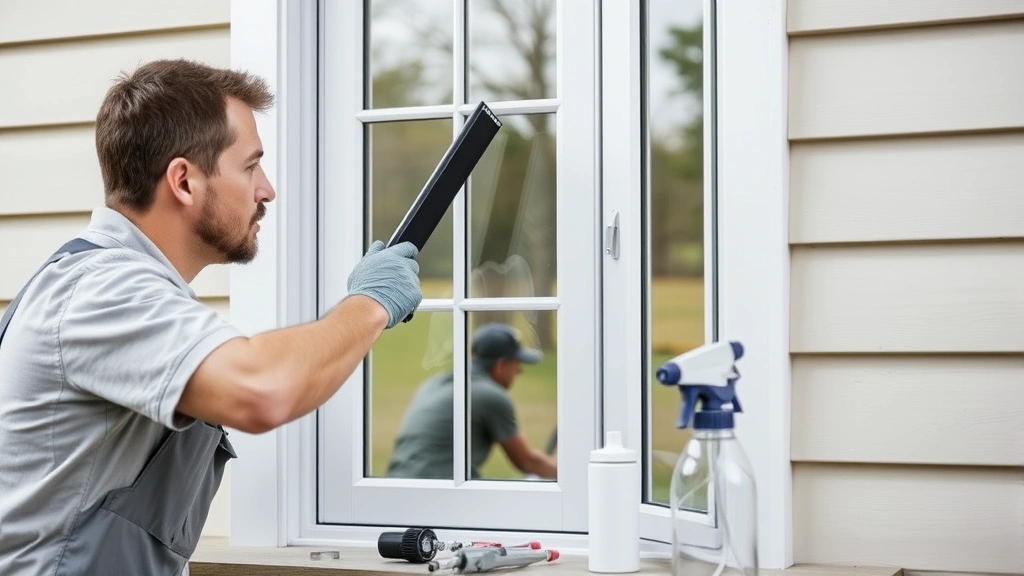
Window tinting has become one of the most popular home improvement investments for homeowners seeking enhanced privacy, energy efficiency, and UV protection. Whether you’re tinting residential windows to reduce glare or considering this upgrade as part of a larger home renovation project, understanding the true cost involved is essential for budgeting and decision-making. The price of window tinting varies significantly based on materials, labor, window size, and your location, making it crucial to gather detailed information before committing to the project.
This comprehensive guide breaks down every factor affecting window tint costs, helping you make an informed decision about whether professional installation or DIY application makes sense for your situation. We’ll explore pricing structures, material options, labor expenses, and long-term value considerations that impact your investment.
Primary Factors Affecting Window Tint Pricing
The cost of window tinting depends on multiple interconnected variables that work together to determine your final price. Understanding these factors helps you anticipate expenses and identify where you might save money without compromising quality.
Window quantity and size represent the most obvious cost driver. A single bedroom window costs significantly less than tinting every window in a three-story home. Professional installers typically charge per square foot, ranging from $5 to $15 per square foot depending on material quality and labor rates in your area. A standard double-hung residential window measuring 3 feet by 4 feet (12 square feet) might cost between $60 and $180 just for materials and labor.
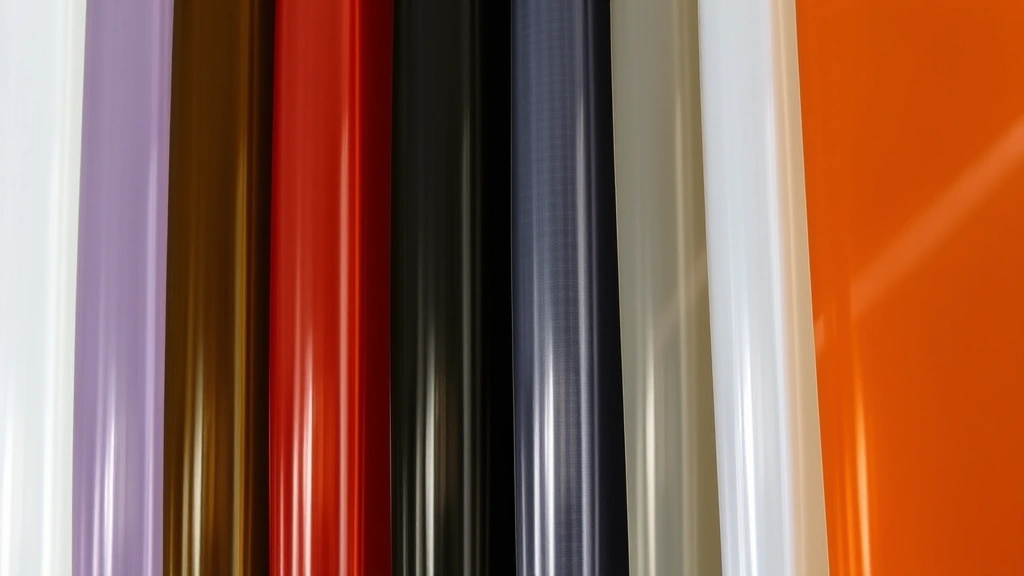
Tint darkness and type directly impact material costs. Basic dyed window film costs considerably less than advanced ceramic or metallic options. The darkness level (measured in visible light transmission or VLT percentage) also affects pricing, with darker tints sometimes requiring specialized installation techniques that increase labor time.
Window condition and accessibility influence labor expenses. Clean, easily accessible windows on ground level cost less to tint than those on upper stories, skylights, or windows with existing damage. Professional installers may charge additional fees for working at heights or addressing surface preparation challenges.
Installation complexity increases costs for windows with unusual shapes, curved glass, or architectural features. Specialty windows like skylights, bay windows, or arched designs require custom film cutting and expert installation, potentially doubling labor charges.
Window Tint Material Types and Costs
Window tint materials vary dramatically in price, performance, and longevity. Choosing the right type for your needs balances upfront cost against long-term benefits and durability.
Dyed window film represents the most budget-friendly option, typically costing $2 to $5 per square foot. This basic film absorbs solar heat through organic dyes and provides decent privacy and glare reduction. However, dyed film fades over time, often becoming ineffective within 3-5 years in sunny climates. It offers minimal heat rejection compared to premium options, making it suitable only for privacy-focused applications.
Metalized window film costs $4 to $8 per square foot and incorporates metallic particles for superior heat reflection. This film provides excellent UV protection and lasts 10-15 years with proper maintenance. The metallic coating can interfere with radio and cell phone signals, a consideration for some homeowners. Its reflective properties make it less suitable for interior applications where the metallic sheen might be objectionable.
Hybrid window film combines dyed and metalized technologies, offering balanced performance at $5 to $10 per square foot. Hybrid films provide better heat rejection than dyed options while avoiding some metallic film drawbacks. They typically last 8-12 years and work well for homeowners seeking moderate heat reduction with acceptable aesthetics.
Ceramic window film represents the premium option at $8 to $15 per square foot. This advanced technology uses nano-ceramic particles to reject heat without metallic interference or signal blocking. Ceramic film provides superior UV protection, maintains clarity over time, and lasts 15-20 years. While expensive upfront, the longevity and performance justify the investment for serious energy efficiency improvements.
Crystalline window film offers another premium choice at $10 to $16 per square foot. This film uses a multi-layer construction without metals or dyes, providing exceptional clarity while rejecting significant heat. It’s ideal for homeowners wanting maximum heat reduction with minimal visible tinting.
Professional Installation Labor Costs
Labor typically comprises 40-60% of total window tinting costs, making it a significant budget component. Professional installers charge based on experience level, location, and project complexity.
Standard residential installation averages $50 to $100 per hour for certified installers. A typical residential window takes 30-60 minutes to tint properly, depending on size and condition. Experienced installers working on multiple windows benefit from efficiency gains, potentially reducing per-window costs through volume discounts.
Minimum service charges apply at many professional tinting companies, typically $100 to $300 for small projects. This ensures the installer compensates for travel time and setup regardless of project size. For single-window tinting jobs, minimum charges may nearly equal the material cost.
Travel and setup fees vary by location and distance from the installer’s base. Urban areas with nearby installers charge minimal travel fees, while rural locations may add $50 to $150 to project costs. Setup includes protecting interior furnishings, cleaning windows, and preparing the work area.
Specialty installation premiums apply for difficult-to-access windows, skylights, or architectural features. Exterior work at heights requires safety equipment and specialized expertise, potentially adding $25 to $75 per window. Curved glass or custom shapes require custom film cutting, increasing labor time significantly.
Residential Window Tinting Price Breakdown
Real-world residential projects illustrate how costs accumulate across typical homes. These examples help you estimate your specific situation.
Single-room tinting project: Tinting four standard bedroom windows (approximately 48 square feet total) with mid-range ceramic film costs roughly $240 to $480 for materials plus $200 to $400 in labor, totaling $440 to $880. This assumes ground-level accessibility and straightforward installation without complications.
Whole-house project: A typical 2,000 square foot home with 20-25 windows (approximately 300 square feet) costs $1,500 to $4,500 depending on film quality. Basic dyed film might total $1,500 to $2,000, while premium ceramic film reaches $3,500 to $4,500. Labor typically adds $1,000 to $2,000 for complete installation across the entire home.
Multi-story home with skylights: A 3,500 square foot home with 35 windows plus skylights (approximately 500 square feet) costs $2,500 to $7,500. The elevated work required for upper-story windows and skylights adds significant labor costs. Professional installation becomes increasingly justified as complexity increases.
When considering how much it costs to add a bathroom or other major renovations, window tinting often represents a more affordable upgrade with immediate benefits. Similarly, DIY basement finishing projects sometimes include window tinting as a finishing touch to improve the space’s functionality and comfort.
DIY Window Tinting Expenses
Self-installation dramatically reduces costs but introduces quality and durability risks. DIY projects typically cost $1 to $5 per square foot for materials alone.
Material expenses for DIY: Basic window tint film kits cost $20 to $100 depending on coverage area and quality. A kit covering 10-15 windows runs $50 to $150. You’ll need additional supplies including a spray bottle ($5-15), squeegee ($10-20), razor blade pack ($5-10), and lint-free cloth ($5-10). Total material investment for a small project ranges from $75 to $200.
Equipment and tools: Beyond tint film, successful DIY installation requires proper tools. A quality heat gun ($30-60) helps shrink film to fit windows perfectly. A precision cutting mat ($20-40) aids in custom film preparation. Many homeowners already own spray bottles and squeegees, reducing additional tool purchases.
Learning curve and mistakes: Professional installers develop skills through hundreds of installations, while DIY applications often result in air bubbles, wrinkles, or misalignment. Material waste from learning mistakes can add 20-30% to your costs. Redoing a failed installation doubles material expenses while still producing inferior results compared to professional work.
Time investment: DIY window tinting demands significant time commitment. Each window requires 30-90 minutes depending on size and your experience level. A 10-window project consumes 5-15 hours of your time. When valued at even $20 per hour, this labor cost ($100-300) often approaches professional installation pricing for basic films.
For homeowners interested in other DIY house painting projects, similar cost-benefit analyses apply. Some projects justify professional expertise, while others work well for dedicated DIYers.
Geographic and Regional Price Variations
Window tinting costs vary significantly across North America based on local market conditions, labor rates, and climate considerations.
Urban versus rural pricing: Metropolitan areas with abundant tinting services show competitive pricing ranging $5-12 per square foot. Rural regions with limited installers charge $8-15 per square foot due to reduced competition and higher travel costs. Homeowners in remote areas sometimes travel to nearby towns for installation to access better pricing.
Climate-based variations: Sun-intense regions like Arizona, Florida, and Southern California show higher demand for window tinting, creating competitive markets with moderate pricing ($6-11 per square foot). Northern climates with less intense sun show lower demand, sometimes resulting in higher per-unit costs despite lower overall market prices.
Regional labor rates: Installer hourly rates vary dramatically by location. California and Northeast urban centers charge $60-120 per hour, while Midwest and Southern regions average $40-80 per hour. These differences compound across multi-window projects.
State regulations and certifications: Some states require specific certifications for window tinting installers, affecting labor costs. Insurance Institute for Highway Safety standards sometimes apply to automotive window tinting, influencing residential pricing in certain markets. Checking local building codes ensures your installation complies with regulations—some jurisdictions restrict tint darkness on residential windows.
Long-Term Value and ROI Analysis
Understanding window tinting’s long-term benefits helps justify upfront investment costs.
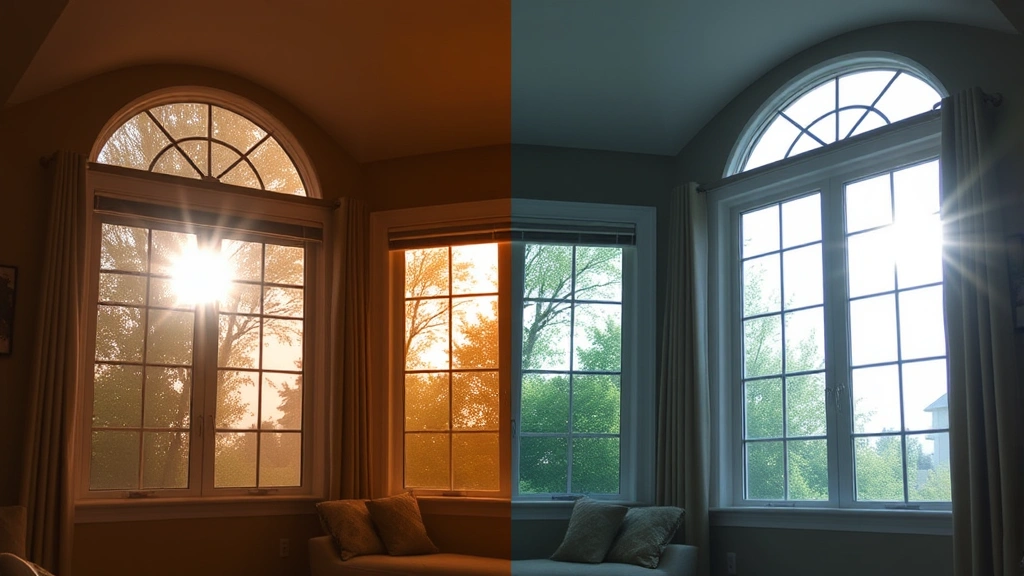
Energy savings: Quality window tinting reduces solar heat gain by 30-50%, lowering cooling costs in warm climates. A home spending $200 monthly on air conditioning might save $60-100 monthly during peak seasons. Annual savings of $500-1,200 mean a $3,000 installation pays for itself in 3-6 years through energy reduction alone. This investment becomes particularly attractive when combined with other energy improvements like home security upgrades that enhance overall property value.
UV protection and furnishing preservation: Window tinting blocks 99% of UV rays, preventing furniture, flooring, and artwork fading. Replacing faded furnishings costs hundreds or thousands of dollars. Protecting these investments through tinting provides measurable value beyond energy savings.
Privacy and security benefits: Tinted windows improve privacy while making homes less attractive to burglars who cannot see valuable items. This security enhancement has intangible value homeowners appreciate daily.
Comfort improvements: Reduced glare and more consistent indoor temperatures improve living comfort year-round. These quality-of-life benefits justify costs for many homeowners despite lacking direct financial return.
Resale value considerations: Window tinting’s impact on home resale value remains mixed. While energy-efficient upgrades typically add value, window tinting is often viewed as a cosmetic enhancement rather than a structural improvement. Some buyers appreciate tinted windows, while others prefer untinted glass. Expect modest resale value increases of 5-15% of installation costs in most markets.
For homeowners undertaking comprehensive renovations like those described in how much it costs to tear down a house or building new structures, window tinting decisions should align with overall project goals and budgets. Incorporating tinting during new construction costs significantly less than retrofitting existing windows.
FAQ
How much does professional window tinting cost per window?
Professional window tinting costs $50 to $300 per window depending on size, film quality, and location. Standard residential windows average $100-150 each for professional installation with mid-range ceramic film. Larger windows and specialty films cost more, while bulk discounts apply when tinting multiple windows simultaneously.
Is DIY window tinting worth the cost savings?
DIY window tinting saves $100-300 per project in labor costs but risks poor results and material waste. Professional installation typically lasts 15-20 years, while DIY applications often fail within 5-10 years. The time investment (5-15 hours) and learning curve often make professional installation more economical when considering total costs and results.
What’s the most affordable window tint option?
Dyed window film costs $2-5 per square foot, making it the most affordable option. However, it fades within 3-5 years in sunny climates. For better long-term value, hybrid film at $5-10 per square foot offers superior durability at moderate cost. Ceramic film costs more upfront but lasts 15-20 years, providing better value over time.
Does window tinting reduce energy bills?
Quality window tinting reduces cooling costs by 30-50% in warm climates, potentially saving $500-1,200 annually. Energy savings vary based on climate, window orientation, current film, and cooling system efficiency. In cooler climates with minimal air conditioning use, energy savings are minimal. However, winter heat retention benefits apply year-round in most regions.
How long does professional window tinting installation take?
Professional installation typically takes 2-8 hours depending on window quantity and complexity. A single window requires 30-60 minutes, while a 10-window project takes 4-6 hours. Complex installations with skylights or specialty windows require additional time. Most professionals complete whole-house projects within one to two days.
Can window tinting be removed or replaced?
Professional window tinting can be removed and replaced, though removal requires careful technique to avoid glass damage. Removal costs $2-5 per square foot, while replacement adds standard installation costs. Most quality installations last 15-20 years before replacement becomes necessary, making removal an infrequent consideration for most homeowners.
What window tint darkness level is legal for homes?
Residential window tinting regulations vary by state and sometimes by municipality. Most states allow any darkness level for residential windows, unlike automotive tinting restrictions. However, some jurisdictions limit darkness for safety and security reasons. Check local International Code Council building codes or contact your local building department before installation.
Does window tinting void window warranties?
Professional window tinting may void manufacturer warranties on some windows, particularly if applied to sealed double-pane units. The heat absorption from tinting can cause thermal stress leading to seal failure. Consult your window manufacturer before tinting, and ensure installers use low-heat techniques. Some manufacturers accept tinting if performed by certified professionals.
What’s the difference between window tint and window film?
Window tint and window film are essentially the same product—adhesive film applied to glass surfaces. The term “tint” emphasizes the darkening effect, while “film” emphasizes the protective coating. Both provide UV protection, heat reduction, privacy, and safety benefits depending on the specific product chosen.


