Replace Serpentine Belt? Mechanic’s Cost Breakdown
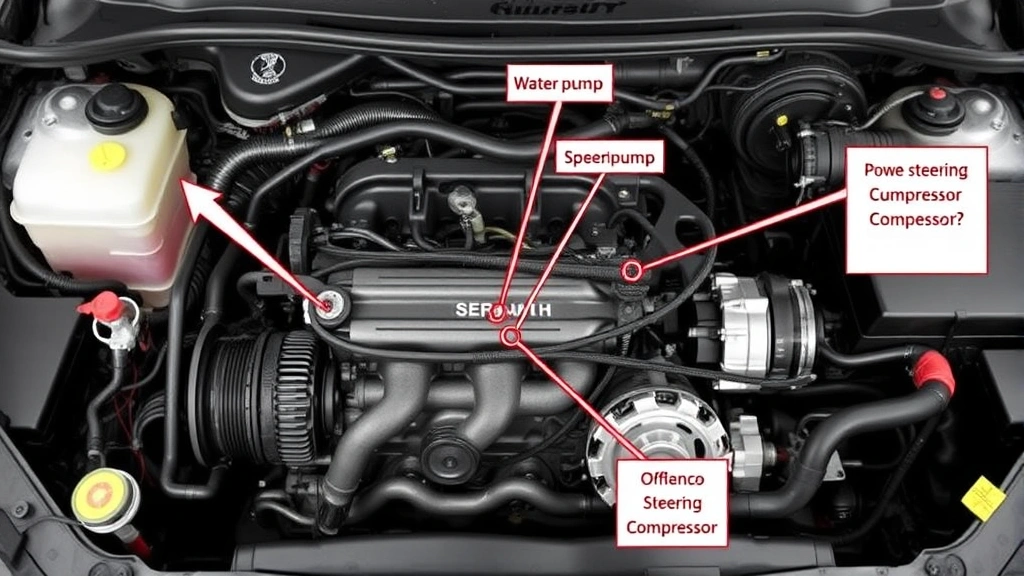
The serpentine belt is one of the most critical components in your vehicle’s engine bay, responsible for powering essential systems like the alternator, power steering pump, air conditioning compressor, and water pump. When this rubber belt begins to wear, fray, or crack, replacement becomes necessary to prevent catastrophic engine damage and system failures. Understanding the costs involved in serpentine belt replacement helps you make informed decisions about whether to visit a professional mechanic or tackle the job yourself.
A serpentine belt typically costs between $100 and $400 for professional replacement, though this varies significantly based on your vehicle’s make and model, the mechanic’s labor rates, and whether additional components need attention. This comprehensive cost breakdown explores everything you need to know about serpentine belt replacement expenses, helping you understand what mechanics charge and why.
Understanding Serpentine Belt Basics
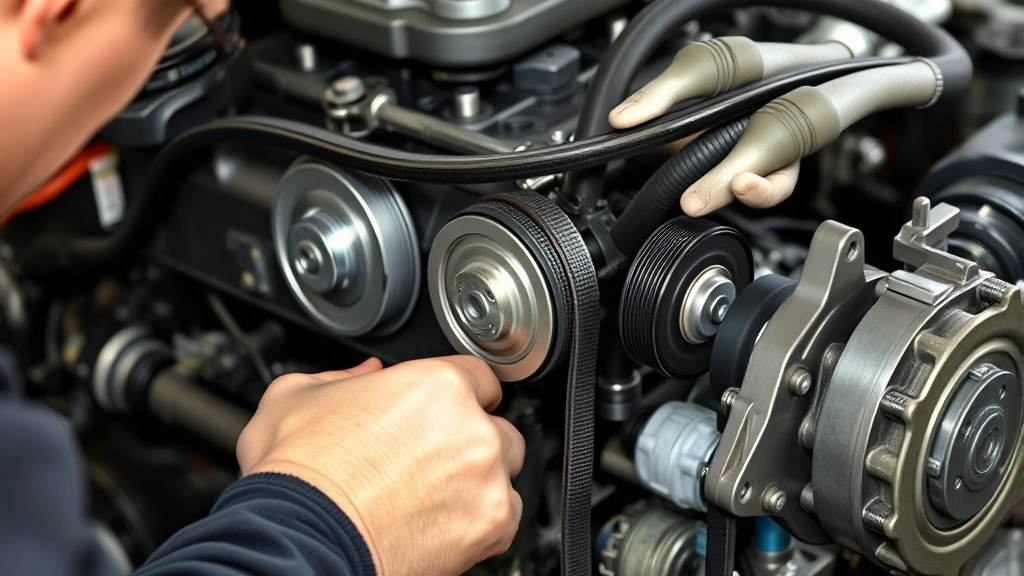
The serpentine belt, also called a drive belt or accessory belt, is a single continuous rubber belt with grooves that wrap around multiple pulleys connected to engine-driven accessories. Unlike older vehicles that used separate belts for different components, modern vehicles rely on one serpentine belt to power all these critical systems simultaneously. The belt’s lifespan typically ranges from 25,000 to 100,000 miles, depending on driving conditions, belt quality, and maintenance practices.
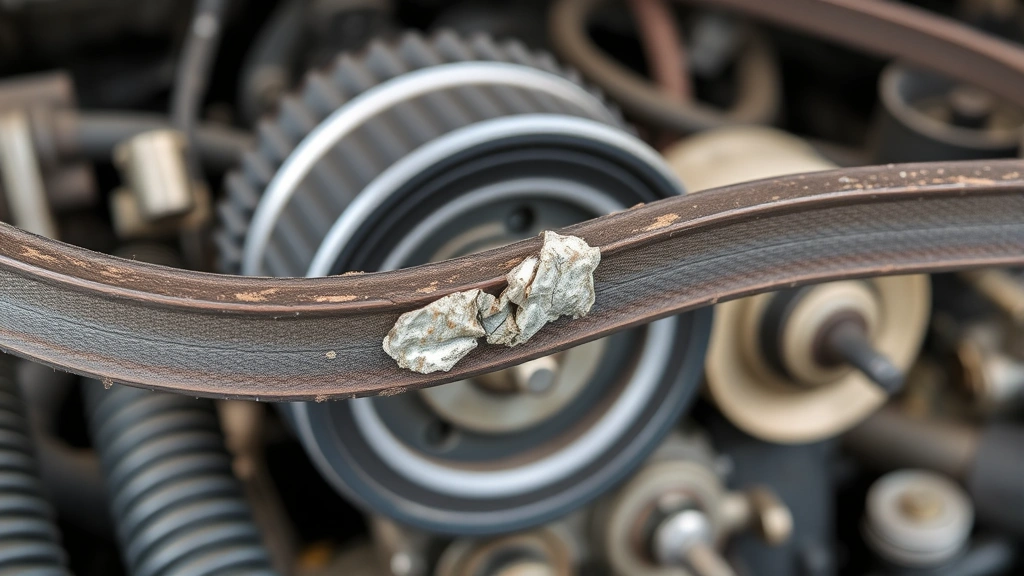
Serpentine belts are manufactured from a blend of rubber and reinforcing materials like nylon and aramid fibers. Over time, exposure to engine heat, oil, coolant, and UV radiation causes the rubber to harden, crack, and deteriorate. The grooves that grip the pulleys wear smooth, reducing friction and causing slippage. Understanding the belt’s function helps explain why replacement costs vary and why prompt attention to belt issues prevents expensive collateral damage.
When a serpentine belt fails completely, your alternator stops charging the battery, your power steering pump stops working, and your air conditioning compressor shuts down. In some cases, the water pump also loses power, potentially causing engine overheating. These cascading failures transform a simple belt replacement into a much more expensive repair scenario.
Parts Cost Breakdown
The serpentine belt itself represents only a portion of the total replacement cost. A new serpentine belt typically ranges from $25 to $75, depending on the vehicle’s specifications and belt quality. Premium aftermarket belts from reputable manufacturers like Gates, Dayco, and Bando cost slightly more than economy options but offer better durability and longer warranties.
Here’s the detailed parts cost breakdown:
- Standard Serpentine Belt: $25-$50 for economy brands, $50-$75 for premium brands
- Serpentine Belt Tensioner: $50-$150 (often replaced simultaneously to prevent premature belt wear)
- Idler Pulleys: $30-$80 each (mechanics often replace worn idler pulleys when replacing the belt)
- Belt Routing Diagram: Included with replacement kits or available free from manufacturer websites
- Coolant Hose Clamps: $2-$5 (sometimes needed during belt replacement)
Many mechanics recommend replacing the serpentine belt tensioner at the same time as the belt. The tensioner maintains proper belt tension automatically and wears out similarly to the belt. Replacing both components together costs more upfront but prevents you from returning to the shop a few months later when the tensioner fails.
Labor Costs by Region
Labor costs represent the largest portion of your serpentine belt replacement expense, typically ranging from $75 to $300 depending on location and mechanic type. Urban areas with higher cost-of-living generally charge more for labor than rural regions. Dealerships consistently charge premium rates compared to independent mechanics.
Here’s a regional breakdown of typical labor costs:
- Independent Mechanics: $75-$150 per hour, with belt replacement taking 0.5-2 hours
- National Chains (Firestone, Midas): $100-$200 per hour
- Dealerships: $150-$300+ per hour
- Major Metropolitan Areas: 20-40% higher labor rates than national averages
- Rural Communities: 15-25% lower labor rates than national averages
The actual time required for belt replacement varies significantly. Simple replacements on accessible engines take 30 minutes to 1 hour. Complex vehicles with tight engine compartments, multiple pulleys, or serpentine belt routing through the engine’s lower section can require 2-3 hours. Some vehicles require removing components like the fan shroud, radiator hose, or intake manifold to access the belt properly.
Always request a time estimate before authorizing work. If a mechanic quotes more than 3 hours for serpentine belt replacement, ask why. Complex jobs deserve thorough explanation of the challenges involved. Compare quotes from multiple shops in your area—prices can vary by $100-$200 for identical work.
Additional Expenses to Consider
Beyond the belt and labor, several additional expenses may arise during serpentine belt replacement. Understanding these potential costs helps you budget accurately and avoid surprise charges.
Belt Tensioner Replacement: As mentioned, mechanics often recommend replacing the tensioner simultaneously. Tensioners cost $50-$150 in parts plus $30-$60 in labor. While this increases the immediate bill, it prevents premature belt failure and eliminates future tensioner-related repairs.
Idler Pulley Replacement: Worn idler pulleys cause belt slippage and noise. Replacing idler pulleys during belt service costs $30-$80 per pulley plus labor. Most vehicles have 1-3 idler pulleys, so this addition could add $100-$300 to your bill.
Serpentine Belt Inspection: Some shops charge $20-$50 to inspect the belt and pulleys before replacement. This diagnostic fee sometimes applies toward the replacement cost, while other shops charge it separately.
Coolant Top-Off: Belt replacement sometimes involves disturbing coolant hoses. Shops may charge $10-$20 to top off coolant levels after service.
Fluid Disposal Fees: If the mechanic needs to drain fluids to access the belt, disposal fees of $5-$15 may apply.
Warranty Coverage: Quality shops offer 12-36 month warranties on serpentine belt replacement. Some mechanics charge $10-$25 extra for extended warranties, providing peace of mind.
DIY vs Professional Replacement
Deciding between DIY replacement and professional service depends on your mechanical skills, available tools, and the vehicle’s complexity. Understanding the pros and cons of each approach helps you make the right choice for your situation.
DIY Replacement Advantages:
- Save $100-$300 in labor costs
- Control the quality of parts purchased
- Complete the job on your schedule
- Gain mechanical knowledge and confidence
- Avoid markup on parts and service
DIY Replacement Disadvantages:
- Risk improper belt tension, causing premature failure or slippage
- Potential damage to pulleys or surrounding components
- Voided warranties on some vehicles
- Time investment of 1-3 hours for most vehicles
- Need for specialized tools (belt tension gauge, pulley removal tools)
- Difficulty accessing serpentine belt on some vehicle models
For those interested in DIY repairs, our DIY Car Repairs: A Beginners Guide provides foundational knowledge for tackling vehicle maintenance projects. If you’re already considering DIY approaches, you might also explore how much to replace a starter and head gasket replacement costs, as these projects share similar skill requirements.
DIY replacement makes sense if you have mechanical experience, own the necessary tools, and feel confident following your vehicle’s service manual. For novices or those with complex vehicle designs, professional replacement provides assurance that the job is done correctly.
Warning Signs Your Belt Needs Replacement
Recognizing serpentine belt warning signs helps you address problems before catastrophic failure occurs. Proactive replacement prevents additional damage to engine components and associated repair costs.
Visual Warning Signs:
- Visible cracks, fraying, or peeling rubber on the belt surface
- Missing chunks of rubber or severely worn grooves
- Oil stains on the belt indicating leaks from nearby seals
- Glazed or shiny belt surface suggesting age and hardening
- Separation of belt layers or cord visibility
Audible Warning Signs:
- High-pitched squealing noise during cold starts or acceleration
- Continuous squealing that doesn’t improve after warm-up
- Chirping or squeaking sounds from the engine’s accessory drive area
- Grinding noises suggesting pulley misalignment or bearing failure
Performance Warning Signs:
- Dimming dashboard lights or flickering headlights (alternator not charging)
- Loss of power steering assist requiring extra steering effort
- Air conditioning blowing warm air (compressor not operating)
- Engine temperature gauge climbing toward the hot zone (water pump not circulating coolant)
- Battery warning light illumination on the dashboard
Any combination of these warning signs indicates serpentine belt replacement is imminent. Ignoring these indicators increases the risk of complete belt failure, which can leave you stranded or cause engine damage.
How to Save Money on Replacement
Several strategies help reduce the total cost of serpentine belt replacement while maintaining quality and safety.
Compare Multiple Quotes: Contact 3-5 mechanics in your area for written estimates. Prices vary significantly, and comparing quotes often reveals $100+ savings. Ensure quotes include all components (belt, tensioner, idler pulleys) for fair comparison.
Choose Independent Mechanics Over Dealerships: Independent shops typically charge 30-50% less than dealerships for identical work. Verify the independent mechanic’s credentials through ASE certification, customer reviews, and Better Business Bureau ratings.
Supply Your Own Parts: Some mechanics allow customers to purchase parts separately and bring them in for installation. This approach saves 15-25% on parts markup, though some shops charge slightly higher labor rates for this arrangement. Verify the shop’s policy before purchasing.
Bundle Services: If other maintenance is due (oil change, air filter, coolant flush), bundle these services together. Shops often provide discounts when multiple services are performed simultaneously, and you save on diagnostic fees.
Maintain Your Belt Proactively: Regular engine inspections catch belt problems early when replacement is simpler and less expensive. Following the manufacturer’s recommended maintenance schedule prevents premature belt failure.
Purchase Quality Parts: While budget belts cost less initially, premium belts from established manufacturers like Gates or Dayco last longer and reduce the likelihood of premature replacement. The slightly higher upfront cost pays dividends through extended service life.
Negotiate Warranty Terms: Ask if the shop includes a warranty with replacement. Many shops offer 12-month warranties at no charge, while others provide extended coverage for modest fees. Warranty coverage protects you if the belt fails prematurely.
FAQ
How much does serpentine belt replacement typically cost?
Total serpentine belt replacement costs range from $100-$400 for professional service. This includes the belt ($25-$75), tensioner ($50-$150), and labor ($75-$300). Dealerships charge premium rates at the high end, while independent mechanics offer more affordable options.
Can I replace the serpentine belt myself?
Yes, if you have mechanical experience and the proper tools. The replacement process typically takes 0.5-3 hours depending on vehicle design. However, improper tension adjustment can cause premature failure or belt slippage, potentially damaging the alternator or power steering pump. Consider professional service if you’re uncertain about your abilities.
How often should serpentine belts be replaced?
Most serpentine belts last 25,000-100,000 miles. Consult your vehicle’s owner’s manual for the manufacturer’s recommended replacement interval. Environmental factors like extreme heat, frequent short trips, and high humidity accelerate belt degradation.
What happens if the serpentine belt breaks while driving?
Your alternator stops charging the battery, power steering becomes difficult, air conditioning stops working, and the water pump may stop circulating coolant. This creates dangerous driving conditions and risks engine overheating. Pull over safely and call for roadside assistance if the belt breaks while driving.
Should I replace the tensioner when replacing the belt?
Yes, mechanics strongly recommend simultaneous replacement. The tensioner wears similarly to the belt and often fails shortly after belt replacement. Replacing both components together costs more upfront but prevents another shop visit for tensioner failure. Most quality shops include tensioner replacement in their standard belt service.
Why do dealerships charge more for serpentine belt replacement?
Dealerships charge premium labor rates (often $150-$300+ per hour) compared to independent mechanics ($75-$150 per hour). Dealership technicians are factory-trained, use OEM parts, and provide manufacturer-backed warranties. However, independent ASE-certified mechanics often provide equivalent quality at significantly lower costs.
How can I tell if my serpentine belt is about to fail?
Look for visible cracks, fraying, or missing rubber sections. Listen for squealing noises during acceleration or cold starts. Notice performance changes like dimming lights, loss of power steering, or warm air from the air conditioning. Any combination of these signs indicates replacement is needed soon.
What’s the difference between a serpentine belt and a timing belt?
A serpentine belt powers engine accessories (alternator, power steering, air conditioning) and is visible on the outside of the engine. A timing belt controls the engine’s valve timing and is hidden inside the engine. Timing belt replacement costs significantly more ($500-$2,000) and requires more extensive labor than serpentine belt replacement.


