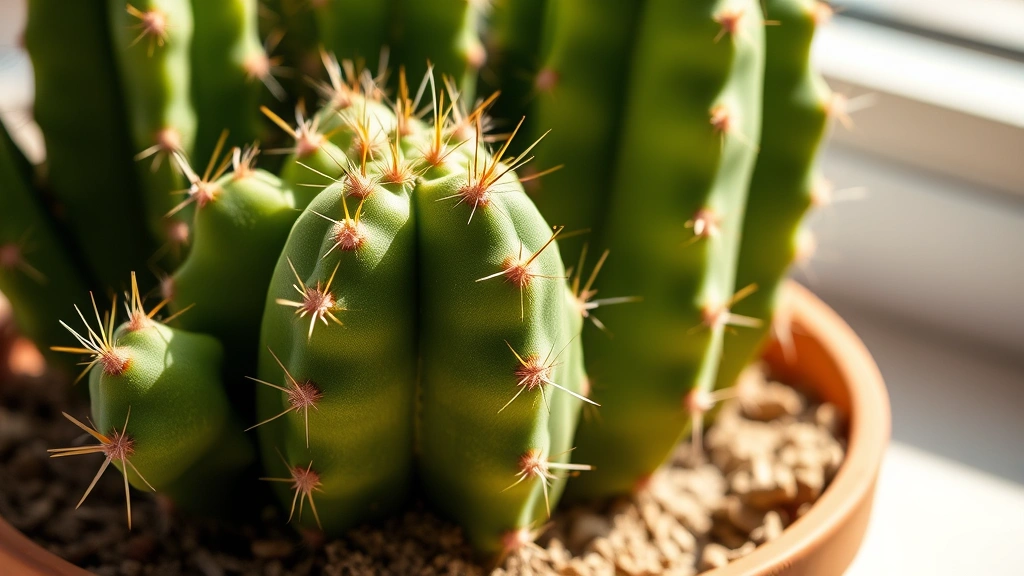
Watering Cactus Tips: Gardener-Approved Advice for Thriving Desert Plants
Cacti are among the most forgiving plants you can grow, but their watering needs often confuse both novice and experienced gardeners. Unlike typical houseplants that demand consistent moisture, cacti thrive on neglect—a counterintuitive approach that requires understanding their unique biology and natural habitat. The key to successful cactus care lies in mimicking the desert environment where these remarkable succulents evolved to survive extended droughts with minimal water availability.
The question of how often to water cactus doesn’t have a one-size-fits-all answer because multiple factors influence watering frequency. Seasonal changes, pot type, soil composition, humidity levels, and your specific cactus species all play critical roles in determining the ideal watering schedule. By learning to read your plant’s signals and adjusting your care routine accordingly, you’ll develop the confidence to keep your cacti healthy and vibrant year-round.
Understanding Cactus Water Requirements
Cacti store water in their thick, fleshy tissues through specialized cells that function like biological water reserves. This adaptation allows them to survive months without rainfall in their native desert environments. When you overwater a cactus, you’re essentially drowning it—excess moisture leads to root rot, the leading cause of cactus death in cultivation. The plant’s roots, which evolved to absorb water quickly during rare desert rains, cannot tolerate prolonged saturation.
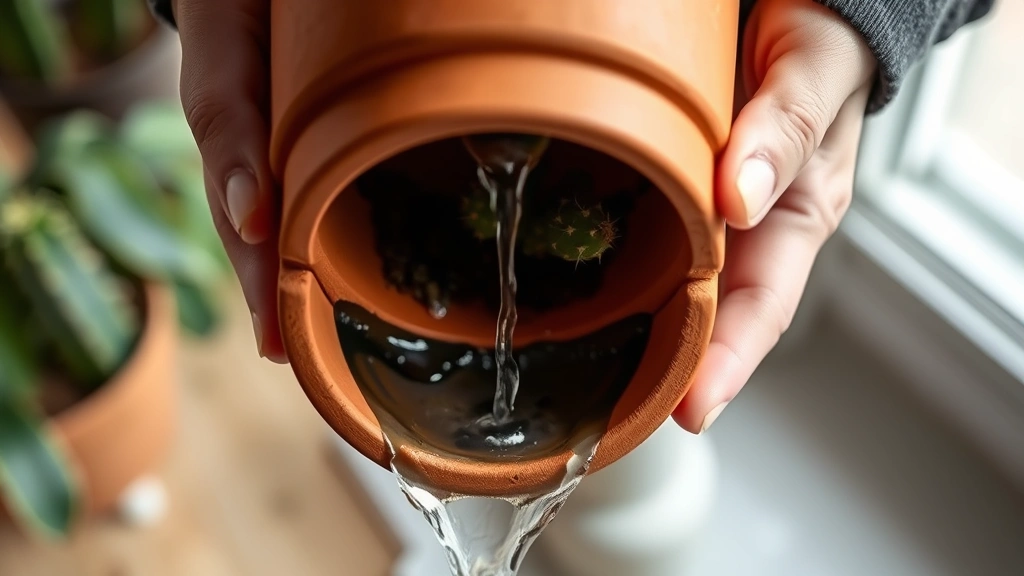
The fundamental principle of cactus watering is simple: water thoroughly but infrequently. When you do water, saturate the soil completely until water drains from the bottom of the pot, then allow the soil to dry out almost completely before watering again. This mimics the natural cycle of desert storms followed by extended dry periods. Most cacti require watering only once every two to four weeks during the growing season, with even less frequent watering during dormancy.
Different cactus species have varying water needs based on their native habitats. Some species, like those from high mountain regions, may prefer slightly more frequent watering than their low-desert cousins. Understanding your specific cactus variety helps you fine-tune your watering approach. Research your plant’s origin and natural growing conditions to better predict its preferences and create optimal care conditions.
Seasonal Watering Guidelines
Cacti experience distinct growth cycles tied to seasonal changes in temperature and light availability. During spring and summer, when temperatures rise and daylight increases, cacti enter their active growing phase and require more frequent watering—typically every two to three weeks depending on conditions. This is when your cactus uses water for growth and development, making regular hydration important for vibrant health and potential flowering.
Autumn marks the transition toward dormancy, and you should gradually reduce watering frequency as temperatures drop and daylight diminishes. By winter, most cacti enter a dormant period where growth virtually ceases, and water requirements plummet dramatically. During winter months, many gardeners water their cacti only once or twice, or in some cases, not at all. This dormancy period is essential for many species to flower properly during the following spring.
The specific timing depends on your climate zone and indoor conditions. If you live in a warm region where temperatures remain relatively stable year-round, seasonal changes may be less pronounced, and you might maintain more consistent watering throughout the year. Conversely, if you experience dramatic seasonal temperature swings or keep your cacti in a cool location during winter, you’ll need to adjust your watering schedule accordingly. Monitor your plants closely and adjust based on their response.
Consider using a DIY Nests Hub Blog approach to tracking your cactus care routine by maintaining detailed notes about watering dates and plant responses. This systematic documentation helps you identify patterns and refine your technique over time, similar to how maintenance schedules improve vehicle longevity—much like understanding how often to replace engine air filter keeps cars running smoothly.
Soil and Drainage Considerations
The potting medium you use has enormous impact on watering frequency and cactus health. Standard houseplant soil retains too much moisture for cacti, creating conditions conducive to root rot. Instead, use a specialized cactus and succulent mix, which typically contains coarse sand, perlite, and other amendments that promote rapid drainage. These materials prevent water from lingering around the roots where it can cause damage.
If commercial cactus soil is unavailable, you can create your own by mixing regular potting soil with coarse sand and perlite in roughly equal proportions. Some gardeners prefer a ratio of two parts potting soil to one part sand and one part perlite. The goal is creating a medium that drains so quickly that water doesn’t accumulate around the roots. You’ll know your soil mixture is appropriate when water passes through almost immediately after watering.
Container selection matters equally. Terracotta pots are ideal for cacti because they’re porous and allow soil to dry quickly, whereas plastic pots retain moisture longer. If you prefer plastic containers for aesthetic or practical reasons, you may need to water slightly less frequently. Ensure whatever pot you choose has drainage holes—this is non-negotiable for cactus success. Without drainage, water accumulates at the bottom, creating a stagnant environment that kills roots.
The pot size influences watering frequency too. A cactus in an oversized pot with excessive soil stays wet longer than one in a properly-sized container. As a general rule, the pot should be only slightly larger than the cactus’s root ball, leaving minimal excess soil. This ensures the soil dries at an appropriate rate, preventing moisture-related problems. When repotting, choose a container just one size larger than the previous one.
Signs Your Cactus Needs Water
Learning to recognize your cactus’s water signals prevents both underwatering and overwatering. A healthy cactus that needs water will appear slightly shriveled or wrinkled, as if the plant is deflating slightly. This is the plant drawing on its internal water reserves and is your signal to water thoroughly. Don’t wait until the cactus appears severely dehydrated, but also don’t water at the first hint of slight wrinkling if the soil is still moist.
The most reliable watering indicator is soil moisture. Stick your finger about one inch into the soil—if it feels completely dry, it’s time to water. If there’s any remaining moisture, wait a few more days and check again. This tactile method is far more accurate than watering on a fixed schedule, since environmental conditions constantly change. Some weeks your cactus may need water every ten days; other weeks it might need nothing for three weeks.
Weight is another useful indicator. Lift the pot and feel how heavy it is when freshly watered versus when the soil is dry. As you become familiar with your specific cactus and pot combination, you’ll develop an intuitive sense of the correct weight. A pot that feels light and seems to barely have substance inside likely has dry soil and is ready for watering.
Conversely, signs of overwatering include soft, mushy stems, discoloration (often brown or black spots), and a foul smell from the soil indicating root rot. If you notice these symptoms, stop watering immediately and allow the soil to dry completely. In severe cases, you may need to repot the cactus into fresh, dry soil after removing rotted roots. Prevention through proper watering is far easier than treating established rot problems.
Common Watering Mistakes to Avoid
The most prevalent cactus-killing mistake is watering on a fixed schedule regardless of actual soil conditions. Many people water every Sunday or on the first of each month, failing to account for seasonal changes, humidity variations, or individual plant needs. This rigid approach leads to chronic overwatering and root rot. Instead, adopt a flexible system where you check soil moisture before each watering decision.
Another common error is watering with cold water directly from the tap. While this won’t harm the cactus outright, room-temperature or slightly warm water is absorbed more effectively. Additionally, if your tap water is heavily chlorinated or has high mineral content, allowing it to sit overnight before using helps chlorine evaporate and minerals settle. This small adjustment can improve your cactus’s overall health and appearance.
Misting or light sprinkling is inappropriate for cacti and should be avoided. These methods wet the surface without penetrating to the roots where water is needed. Additionally, wet surfaces create conditions favorable for fungal and bacterial growth. When you water, do so thoroughly and completely, allowing water to drain fully from the pot. This ensures water reaches the entire root system and prevents surface-dwelling pathogens.
Many gardeners also make the mistake of not adjusting watering for pot type and soil composition. Using regular potting soil in plastic pots while watering on a standard schedule virtually guarantees overwatering problems. Just as how often to change car battery depends on specific vehicle conditions, cactus watering depends on your exact setup. Customize your approach to your specific containers and soil mixture.
Watering during dormancy is a critical mistake that many beginners make. If you continue regular watering through winter when your cactus is dormant, you’re forcing growth during a period when the plant naturally wants to rest. This disrupts the flowering cycle and wastes water. During dormancy, reduce watering dramatically or cease entirely, depending on your specific species and growing conditions.
Watering Different Cactus Species
While general cactus care principles apply broadly, specific species have unique requirements worth understanding. The Christmas cactus, despite being a true cactus, prefers more moisture than desert species and should be watered when the top inch of soil becomes dry. This tropical cactus thrives in conditions quite different from its arid-dwelling cousins, so adjusting your approach for this species prevents unnecessary stress.
Barrel cacti, among the most drought-tolerant species, can go extended periods without water once established. These hardy plants may need watering only once monthly during growing season, sometimes less frequently. Their massive size and water-storage capacity make them extremely forgiving, ideal for gardeners who travel frequently or tend to forget watering duties.
Prickly pear cacti fall somewhere in the middle, tolerating both drought and slightly more frequent watering than true desert species. These plants can handle occasional moisture better than some cacti but still require excellent drainage and drying periods between waterings. If you’re growing prickly pears for fruit production, slightly more consistent moisture during the growing season supports better fruiting.
Moon cacti and other grafted varieties often require more frequent watering than their parent species because grafting affects their physiology. The rootstock may have different water requirements than the scion, creating a hybrid plant with unique needs. Research your specific grafted variety’s requirements rather than assuming standard cactus care applies.
Segmented cacti like Christmas and Easter varieties need more frequent watering than columnar and barrel types. These jungle-origin cacti evolved in moister environments and appreciate more consistent soil moisture, though still not soggy conditions. Understanding your cactus’s ancestral environment helps predict its actual water needs, much like how DIY car repairs require understanding your vehicle’s specific design.
Environmental Factors and Humidity
Humidity significantly affects how quickly soil dries and therefore how frequently you need to water. In humid environments, soil retains moisture longer, requiring less frequent watering. Conversely, in arid climates or heated indoor spaces, soil dries rapidly and cacti may need watering more often. If you live in a very humid area, reduce your normal watering frequency by ten to twenty percent to compensate for slower evaporation.
Indoor heating during winter dramatically accelerates soil drying, particularly in homes with forced-air systems or radiators. While cacti don’t mind dry air, the combination of warm temperatures and fast-drying soil can create confusion about watering needs. Check soil moisture more frequently during heating season to ensure you’re not accidentally underwatering due to rapid evaporation.
Temperature influences cactus metabolism and water consumption. Warm conditions increase transpiration rates and soil drying speed, while cool temperatures reduce both. A cactus in a cool basement needs far less water than an identical plant in a warm, sunny window. If you move your cactus to a different location, monitor soil moisture carefully for several weeks until you understand the new environment’s drying rate.
Light exposure affects photosynthesis rates and overall plant metabolism. Cacti in bright light locations actively grow and consume water faster than those in lower-light conditions. If you increase your cactus’s light exposure, be prepared to water slightly more frequently. Conversely, moving a cactus to lower-light conditions requires reducing watering frequency to prevent overwatering.
Seasonal air quality and pollution levels can affect cactus health indirectly. Dusty conditions reduce light penetration and photosynthetic efficiency, while clean air maximizes light absorption. Occasionally rinsing your cactus with lukewarm water removes dust and allows better light absorption. This gentle cleaning, done infrequently and carefully, supports overall plant health and vigor.

For comprehensive guidance on establishing maintenance routines, consider the systematic approach outlined in articles about regular upkeep. Understanding maintenance principles applies across many domains—whether you’re maintaining plants or vehicles, like learning how much to replace timing belt costs and schedules helps you plan appropriately.
Proper watering establishes the foundation for thriving cacti. By understanding these principles and adapting them to your specific situation, you’ll develop the confidence to care for these remarkable plants successfully. The combination of infrequent, thorough watering; well-draining soil; appropriate containers; and attention to environmental conditions creates ideal conditions for healthy, long-lived cacti that reward your care with years of beauty and resilience.
FAQ
How often should I water my cactus in winter?
During winter dormancy, most cacti require minimal or no watering. Check soil moisture monthly and water only if the soil is completely dry and has been for several weeks. Many gardeners water winter cacti just once or twice during the entire season, or not at all if temperatures remain cool.
Can I kill a cactus by watering too much?
Yes, overwatering is the leading cause of cactus death. Excess moisture causes root rot, which is typically fatal. Once roots begin rotting, the decay spreads rapidly and is difficult to reverse. Prevention through proper watering is far more effective than trying to save an overwatered cactus.
What’s the best water to use for cacti?
Room-temperature distilled or filtered water is ideal, though tap water works fine if allowed to sit overnight. This allows chlorine to evaporate and minerals to settle. Avoid softened water with high sodium content, which can accumulate in soil and harm cacti over time.
Should I water my cactus from the top or bottom?
Top watering is standard and effective. Water thoroughly until it drains from the bottom, ensuring the entire soil column is moistened. Bottom watering (placing the pot in a water-filled tray) works but doesn’t allow you to observe drainage and can lead to uneven soil moisture if not monitored carefully.
How do I know if my cactus is dying from overwatering?
Signs include soft, mushy stems, dark discoloration, foul soil odor, and visible mold or fungus. If caught early, stop watering immediately, repot into fresh dry soil, and remove any rotted roots with a clean knife. In advanced cases, the damage may be irreversible.
Is it better to use a pot with or without drainage holes?
Drainage holes are essential for cactus health. Without them, water accumulates and causes root rot. Never use pots without drainage holes, regardless of how attractive they may be. Use a drainage-hole pot inside a decorative pot-cover if you want aesthetic appeal without sacrificing plant health.
Can cacti survive on rainwater alone?
Yes, cacti can thrive on rainwater collected in containers. Rainwater lacks the chemicals in tap water and provides natural watering opportunities mimicking desert conditions. If you collect rainwater, use it as your primary water source for optimal cactus health.


