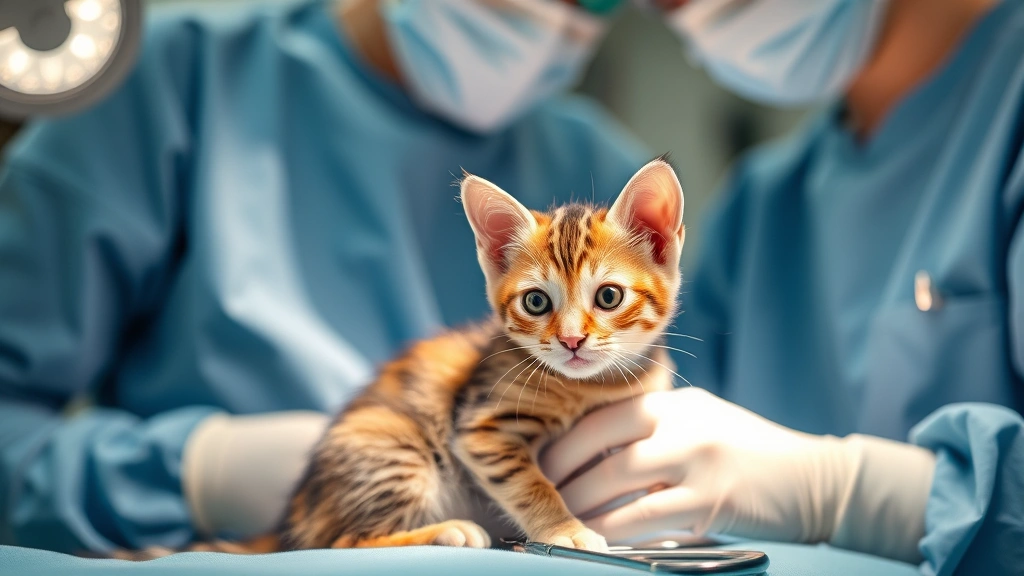
Kitten Neutering Age: Vet-Approved Guidelines for Pet Owners
Deciding when to neuter your kitten is one of the most important health decisions you’ll make as a pet owner. While neutering is a routine surgical procedure performed by veterinarians worldwide, timing matters significantly for your kitten’s long-term health and behavior. Understanding the recommended age range helps ensure your feline companion receives this essential procedure at the optimal time, minimizing risks and maximizing health benefits.
The question of how old kittens have to be to get fixed has evolved over the past two decades as veterinary medicine advanced. Modern research supports early-age neutering protocols that differ from older recommendations, giving pet owners more flexibility while prioritizing safety. This comprehensive guide explores vet-approved guidelines, recovery expectations, and everything you need to know before scheduling your kitten’s surgery.
Recommended Kitten Neutering Age
The American Veterinary Medical Association (AVMA) and most veterinary organizations now recommend neutering kittens as early as 8 weeks of age, provided they weigh at least 2 pounds and are in good health. This represents a significant shift from older guidelines that suggested waiting until 5-6 months of age. The modern approach, often called early-age spay/neuter, has proven safe and effective when performed by experienced veterinarians using appropriate anesthetic protocols.
However, the ideal age window extends from 8 weeks to approximately 5-6 months old. Most veterinarians prefer scheduling procedures between 8-16 weeks of age for optimal outcomes. Kittens in this age range recover more quickly, experience fewer complications, and benefit from reduced anesthesia exposure compared to older cats. If your kitten hasn’t been neutered by 6 months, don’t worry—the procedure remains safe and beneficial at any age, though recovery may take slightly longer in older cats.
Several factors influence the specific timing for your individual kitten. Breed size matters; larger breed kittens may need to wait until they reach adequate body weight, typically around 2-2.5 pounds. Your veterinarian will assess your kitten’s overall health, growth rate, and readiness during the pre-operative examination. Female kittens can be spayed before their first heat cycle, which typically occurs between 4-6 months of age, providing additional preventive health benefits.
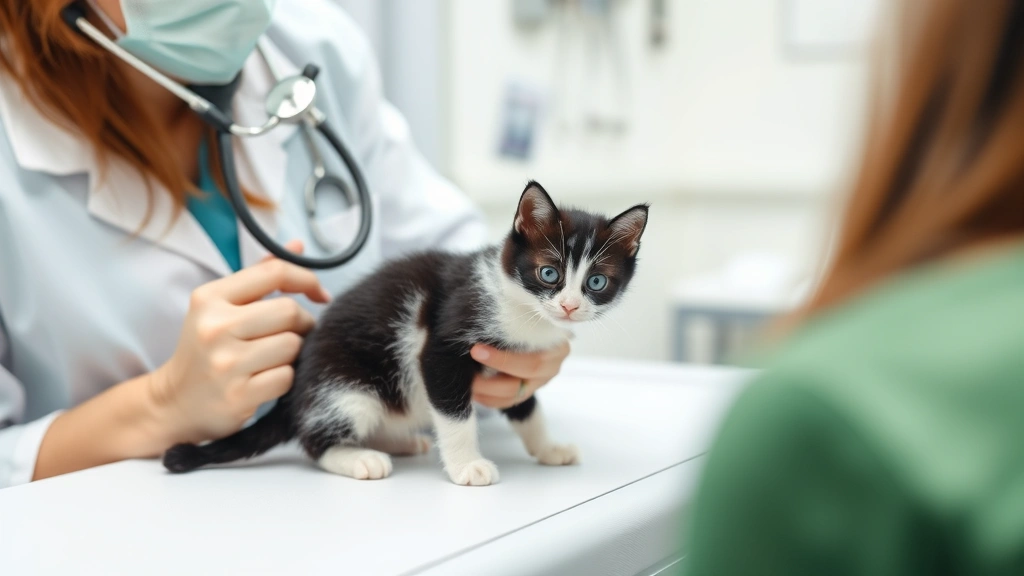
Health Benefits of Early Neutering
Neutering your kitten at the recommended age provides substantial long-term health advantages that extend throughout their entire life. The most significant benefit involves preventing serious reproductive cancers and infections. Spaying female kittens eliminates the risk of uterine infections (pyometra), a life-threatening condition, and reduces breast cancer risk by up to 99% when performed before the first heat cycle. Neutering male kittens prevents testicular cancer and reduces the risk of prostate disease.
Beyond cancer prevention, neutering addresses behavioral issues that emerge during sexual maturity. Early neutering prevents the development of undesirable behaviors including spraying, marking territory, and the intense vocalizations associated with heat cycles. These behavioral benefits make your kitten a more pleasant household companion and reduce stress for both pet and owner. Neutered cats also demonstrate reduced aggression and are less likely to roam or attempt escape during breeding season.
Population control represents another critical benefit of early neutering. By neutering your kitten, you contribute to reducing the massive problem of cat overpopulation in shelters. Millions of healthy cats are euthanized annually due to overpopulation—a preventable tragedy through responsible spaying and neutering. This single procedure makes a meaningful difference in animal welfare on a community level.
Research also indicates that early-neutered cats tend to live longer, healthier lives with reduced rates of certain behavioral problems and medical conditions. They typically maintain healthier body weights when provided appropriate diet and exercise, similar to recommendations for maintaining your home’s foundation through proper maintenance practices.
Pre-Surgery Preparation and Requirements
Preparing your kitten properly before surgery significantly impacts the procedure’s safety and success. Your veterinarian will conduct a thorough pre-operative examination, including bloodwork to assess kidney and liver function, ensuring your kitten can safely handle anesthesia. This screening is particularly important for kittens with any health concerns or underlying conditions. Most healthy kittens pass pre-operative testing without issues, but these checks provide essential safety assurance.
Fasting requirements are crucial before surgery. Veterinarians typically request that you withhold food for 6-8 hours before the procedure and water for 2-4 hours beforehand. This fasting prevents complications during anesthesia, particularly aspiration pneumonia. Follow your veterinarian’s specific instructions precisely, as they may adjust timing based on your kitten’s age and health status. Mark the fasting start time clearly to avoid accidentally feeding your kitten during the preparation period.
Arrange transportation to and from the veterinary clinic in advance. Most procedures are same-day surgeries, though your kitten will need several hours for anesthesia recovery before discharge. Plan to pick up your kitten in the afternoon, allowing adequate recovery time under professional supervision. Prepare a quiet, comfortable recovery space at home with easy access to food, water, and litter box—similar to how you’d prepare a safe space for any home renovation project outlined in our home safety guide.
Discuss pain management options with your veterinarian before surgery. Modern protocols include pre-operative pain medication and post-operative pain relief to ensure your kitten’s comfort during recovery. Ask about the specific pain management plan your veterinarian recommends and any signs of inadequate pain control you should monitor. Proper pain management promotes faster healing and reduces stress during the recovery period.
What to Expect During Recovery
Understanding the recovery timeline helps you prepare appropriately and recognize normal healing versus potential complications. Immediately after surgery, your kitten will be groggy and disoriented from anesthesia. The veterinary staff will monitor vital signs and recovery progress before releasing your kitten into your care. Most kittens are alert enough to go home 2-4 hours after surgery, though they may remain drowsy for 24 hours.
The first 24-48 hours post-surgery are critical for monitoring. Your kitten may experience mild nausea from anesthesia, so offer small amounts of water first, waiting several hours before introducing food. Some kittens vomit shortly after surgery—this is usually normal and resolves quickly. However, persistent vomiting warrants a call to your veterinarian. Expect your kitten to be quieter and less active than usual; this is normal anesthesia recovery behavior.
Pain and discomfort typically peak 24-48 hours after surgery, then gradually improve. Your kitten may have reduced appetite and activity levels during this period. Administer prescribed pain medication exactly as directed, even if your kitten seems comfortable—consistent pain management prevents complications and promotes healing. Most kittens show significant improvement by day 3-4 and can resume normal activity within 7-10 days.
Suture removal or absorbable suture assessment occurs at a post-operative check-up, typically 10-14 days after surgery. During this visit, your veterinarian evaluates the incision site for proper healing, checks for infection signs, and clears your kitten for full activity resumption. Some surgical techniques use absorbable sutures that don’t require removal, simplifying the recovery process.
Post-Operative Care Guidelines
Proper post-operative care directly impacts healing speed and complication rates. Keep your kitten confined to a small, quiet space for the first few days, preventing excessive jumping, running, or rough play that could disrupt the incision. Restrict activity gradually—avoid vigorous play for at least 7-10 days after surgery. This controlled recovery period, though challenging with energetic kittens, prevents serious complications.
Monitor the incision site daily for signs of infection or complications. Normal healing involves mild swelling and slight redness immediately after surgery, which gradually improves. Contact your veterinarian if you notice increasing redness, swelling, discharge, or if the incision opens. These signs require prompt professional attention to prevent serious infection.
Prevent your kitten from licking or chewing the incision, as this disrupts healing and introduces bacteria. If your kitten excessively licks the surgical site, your veterinarian may recommend an Elizabethan collar (cone). While kittens dislike wearing cones, they effectively prevent incision damage and are worthwhile if your kitten shows excessive interest in the surgical site.
Maintain a clean recovery environment, changing bedding regularly and keeping litter boxes clean. Some veterinarians recommend using paper-based litter for the first week post-surgery to reduce dust and potential irritation. Provide easy litter box access without requiring jumping or climbing, as these movements stress the incision.
Follow medication instructions precisely, completing the entire course even if your kitten appears fully recovered. Antibiotics prevent infection, while pain medications ensure comfort during healing. Never alter dosages or stop medications early without veterinary approval. Keep a log of medication administration to ensure consistency and avoid accidental double-dosing.
Potential Risks and Complications
While neutering is a routine procedure with excellent safety records, understanding potential complications helps you recognize problems requiring veterinary attention. Infection represents the most common post-operative complication, typically occurring 3-7 days after surgery. Signs include increased redness, swelling, discharge, warmth around the incision, or fever. Prompt antibiotic treatment prevents serious complications, so contact your veterinarian immediately if infection signs appear.
Incision opening (dehiscence) occurs when surgical stitches fail prematurely, usually from excessive activity or self-trauma from licking. This requires immediate veterinary attention, as exposed tissue risks serious infection. Prevent this complication by strictly limiting activity and preventing licking as discussed above.
Bleeding complications are rare but serious. Excessive bleeding during or after surgery is unusual with modern anesthetic techniques and surgical protocols. Contact your veterinarian immediately if you notice significant bleeding from the incision or blood in urine or stool post-operatively.
Anesthetic reactions occur rarely but require recognition. Allergic reactions to anesthesia can cause difficulty breathing, severe swelling, or collapse. Modern anesthetics are remarkably safe, especially with proper pre-operative screening, but discuss any family history of anesthetic sensitivity with your veterinarian before surgery.
Long-term complications are uncommon but possible. Ovarian remnant syndrome occurs rarely in spayed females if ovarian tissue remains after surgery, causing continued heat cycles. Granulomas at the incision site occasionally develop months or years post-operatively. These complications are manageable and less serious than not neutering, but awareness helps you recognize and address them promptly.
Cost Considerations
Neutering costs vary significantly based on geographic location, veterinary facility type, and individual kitten factors. Average costs range from $200-$500 for spaying female kittens and $150-$400 for neutering males, with urban areas typically costing more than rural locations. Specialty veterinary hospitals charge more than general practices, while university veterinary clinics often offer lower-cost services.
Many communities offer low-cost spay/neuter clinics through animal welfare organizations, providing procedures at reduced rates (often $50-$150) for income-qualified families. Research local options through animal shelters, rescue organizations, or your municipal animal control office. These clinics maintain high safety standards while offering affordable services, making neutering accessible regardless of financial circumstances.
Some pet insurance plans cover spay/neuter procedures, particularly wellness plans. Review your policy details or consider adding coverage if neutering isn’t included. Pet insurance can offset costs of unexpected complications, providing valuable financial protection throughout your kitten’s life.
Delaying neutering to save money proves counterproductive. Emergency treatment for reproductive infections, cancer, or behavioral issues resulting from unneutered cats costs significantly more than preventive neutering. Consider neutering a necessary health investment rather than an optional expense, comparable to maintaining your home’s structural integrity as discussed in our basement finishing guide.
Frequently Asked Questions
Can kittens be neutered before 8 weeks old?
While some research supports neutering kittens as young as 6-7 weeks, most veterinarians recommend waiting until at least 8 weeks of age when kittens are more developed and can safely handle anesthesia. Consult your veterinarian about optimal timing for your specific kitten.
Is it safe to neuter a kitten during their first heat cycle?
Yes, spaying during the first heat cycle is safe when performed by experienced veterinarians. However, spaying before the first heat cycle provides maximum cancer prevention benefits. If your kitten has already started their first heat, proceed with spaying as planned—the benefits far outweigh any minor increased surgical complexity.
How long does the neutering surgery take?
Spaying typically takes 20-30 minutes for the actual surgical procedure, though total veterinary clinic time is usually 1-2 hours when including pre-operative preparation and post-operative recovery. Neutering male kittens is generally quicker, taking 10-20 minutes of surgical time.
Will neutering make my kitten gain weight?
Neutering reduces metabolism slightly, potentially leading to weight gain if diet and exercise remain unchanged. Prevent excessive weight gain by maintaining appropriate portion sizes and regular play activity post-recovery. Your veterinarian can recommend appropriate caloric intake for your neutered kitten.
What’s the difference between spaying and neutering?
Neutering is the general term for reproductive surgery. Spaying specifically refers to removing female ovaries and uterus, while neutering males involves removing testicles. Both procedures prevent reproduction and provide health benefits.
Can adult cats be neutered safely?
Yes, neutering is safe at any age when performed by qualified veterinarians. Adult cats may have slightly longer recovery periods and marginally higher complication risks, but the procedure remains routine and beneficial. Age alone is not a barrier to neutering unless serious underlying health conditions exist.
Should I let my kitten have a litter before spaying?
No veterinary benefit exists from allowing female cats to have litters before spaying. In fact, pregnancy and lactation carry health risks. Spaying before the first heat cycle provides maximum health benefits and eliminates breeding-related complications.
Are there alternatives to surgical neutering?
Newer alternatives like immunocontraceptive injections exist but aren’t widely available in most regions. Surgical neutering remains the gold standard, most effective, and most commonly recommended approach by veterinarians. Discuss any concerns about surgery with your veterinarian to explore all appropriate options.
Understanding kitten neutering guidelines empowers you to make informed health decisions for your feline companion. The recommended age range of 8 weeks to 6 months provides optimal safety and health benefits, supported by veterinary research and professional organizations. Work closely with your veterinarian to schedule neutering at the appropriate time for your kitten’s individual needs. This single procedure prevents serious health conditions, eliminates behavioral problems, and contributes to animal welfare in your community. Schedule your kitten’s neutering consultation today to ensure they receive this essential health service at the optimal time. For additional pet care information, visit the DIY Nests Hub Blog for comprehensive home and wellness guides.


