DIY Bar: What Age to Bartend? Legal Insights
Building your own home bar is an exciting DIY project that many homeowners tackle as part of their overall basement finishing or entertainment space renovation. However, if you’re planning to serve drinks at your establishment or considering a bartending career, understanding the legal age requirements is essential. The question of how old you have to be a bartender isn’t just about following rules—it’s about protecting yourself legally, ensuring responsible alcohol service, and maintaining compliance with federal and state regulations.
Bartending age requirements vary significantly across the United States and internationally, influenced by federal guidelines, state laws, and local ordinances. Whether you’re setting up a commercial bar, planning a home bar for entertaining, or considering a bartending position, knowing these regulations protects you from serious legal consequences including fines, liability issues, and criminal charges. This comprehensive guide explores the legal landscape of bartending age requirements and helps you understand your obligations.
Federal Bartending Age Requirements
At the federal level, the National Minimum Drinking Age Act of 1984 established 21 years old as the legal drinking age across the United States. This foundational law significantly impacts bartending age requirements nationwide. However, the federal government doesn’t explicitly mandate a specific age for bartenders to serve alcohol—this authority falls to individual states and municipalities.
The federal law does establish that anyone under 21 cannot legally purchase or consume alcohol. This creates a complex situation for bartenders under 21: they can serve alcohol in some states but cannot consume it themselves. The rationale is that bartending is employment, and employees can perform job functions related to products they cannot personally use. This distinction is crucial for understanding state-level variations in bartending regulations.
The Alcohol and Tobacco Tax and Trade Bureau (TTB), a division of the U.S. Department of Justice, oversees federal alcohol regulations. While they don’t dictate bartending ages, they enforce compliance with federal labeling, taxation, and interstate commerce rules. Understanding federal framework helps contextualize why states have such varied approaches to bartending age requirements.
State-by-State Age Variations
The United States features a patchwork of bartending age requirements that reflect different state philosophies on alcohol service. Approximately 34 states allow bartenders as young as 18 years old to serve alcohol, while 16 states require bartenders to be at least 19 or 20 years old. Some states permit 18-year-olds to serve beer and wine but require 21 years old for spirits service.
States like California, Texas, Florida, and New York allow 18-year-olds to bartend with proper licensing and training. These states argue that employment restrictions shouldn’t apply beyond the drinking age itself. Conversely, states like Massachusetts, Michigan, and Ohio require bartenders to be 21 years old, aligning the service age with the legal drinking age to reduce alcohol-related incidents.
Several states have nuanced regulations: Pennsylvania allows 18-year-olds to serve beer and wine but requires 21 for liquor service. Connecticut permits 18-year-olds to bartend only in establishments primarily serving food. These distinctions reflect ongoing debates about balancing employment opportunity with public health concerns. When setting up your home bar entertainment space, you need not worry about these commercial regulations, but if you plan to employ bartenders at a commercial venue, compliance is mandatory.
To find your specific state’s requirements, consult your state’s Alcoholic Beverage Control (ABC) board or liquor authority website. These agencies publish detailed regulations covering service ages, training mandates, and licensing procedures. The National Institute on Alcohol Abuse and Alcoholism (NIAAA) maintains resources comparing state-level alcohol regulations.
Commercial Bars vs. Home Bars
A critical distinction exists between commercial bartending and home bar operations. Commercial bartending—serving alcohol in licensed establishments for compensation—falls under strict regulatory oversight. Home bars, used for personal entertaining without commercial activity or employee compensation, operate under different legal frameworks.
If you’re building a secure home entertainment space with a bar for personal use, age requirements don’t apply in the same way. You can serve alcohol to guests of legal drinking age (21+) in your home regardless of your own age, provided you’re not operating a commercial establishment. However, you remain liable for any injuries or damages caused by guests you knowingly over-serve.
Commercial establishments must display valid liquor licenses, maintain liability insurance, and employ only age-compliant staff. Violating age requirements in commercial settings carries severe penalties: business license suspension or revocation, substantial fines ($1,000–$10,000+), and potential criminal charges for proprietors. Some states impose additional penalties like mandatory alcohol service training or community service.
If you’re considering converting your home bar into a commercial venue—perhaps hosting private events for payment or employing staff—you must transition to commercial licensing and comply with all employment and service age regulations. This requires obtaining proper permits from your local health department, fire marshal, and alcohol beverage control board. Consulting with a local attorney specializing in hospitality law is prudent before making this transition.
Training and Certification Requirements
Beyond age requirements, most states mandate alcohol service training for bartenders. These programs, often called Responsible Beverage Service (RBS) or Responsible Alcohol Service (RAS) training, teach legal requirements, identifying intoxication, checking IDs, and liability prevention. Many states require certification before employment; others require it within 30 days of hire.
Popular certification programs include ServSafe Alcohol, TIPS (Training for Intervention ProcedureS), and state-specific programs. These courses typically cost $15–$50 and take 1–3 hours to complete online or in-person. Some states recognize multiple certification programs; others mandate specific providers. Your employer or local ABC board can clarify which certifications are accepted in your jurisdiction.
Training covers crucial topics: recognizing signs of intoxication, checking identification documents for authenticity, understanding local laws about service times and quantities, and handling difficult situations with intoxicated customers. This training protects bartenders by establishing that they acted responsibly, which can be important in liability situations. Employers also benefit from trained staff, as they demonstrate due diligence in preventing over-service and underage drinking.
For home bar operators, formal certification isn’t required for personal entertaining. However, understanding responsible service principles protects you and your guests. Many online resources from the International Bartenders Association and state health departments provide free responsible service guidelines applicable to home entertaining.
Liability and Legal Concerns
Understanding bartending age laws protects you from significant legal liability. Establishments serving alcohol to underage individuals face dram shop liability—legal responsibility for damages caused by intoxicated patrons. If you serve alcohol to someone under 21, and they subsequently injure themselves or others, you can be held civilly and criminally liable. Some states allow injured parties to sue bars directly; others require criminal prosecution first.
Bartenders themselves can face charges for serving underage customers, including criminal misdemeanor charges and fines. In some states, bartenders charged with serving minors must attend remedial training or face license revocation. These consequences extend beyond the immediate incident, affecting future employment prospects in the hospitality industry.
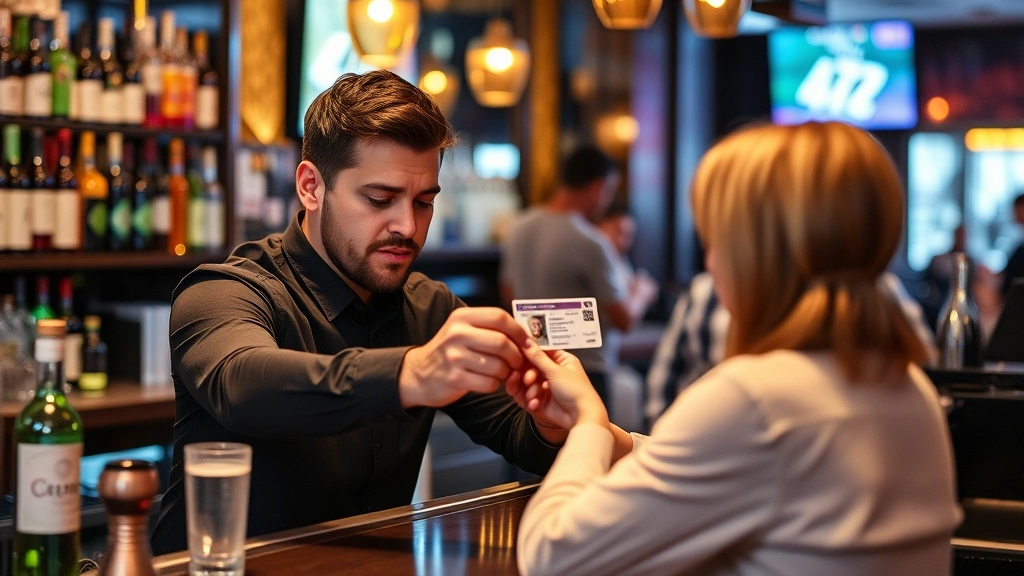
Commercial bar owners must maintain proper age-verification procedures. This means checking IDs for all customers, regardless of apparent age, and refusing service to anyone without valid identification or who appears intoxicated. Documentation of these procedures protects establishments if legal issues arise. Training staff on proper ID verification—recognizing fake documents, checking expiration dates, comparing photos to customers—is essential risk management.
Home bar operators should similarly verify guests’ ages before serving alcohol. While social entertaining carries less regulatory burden than commercial service, the principle of responsible service applies. If you host parties, keep alcohol secured from underage guests, and never serve to anyone under 21. Your home security measures might include controlling access to bar areas during parties with young guests present.
Liability insurance for commercial bars typically covers dram shop liability, protecting against claims from injured parties. Home entertaining doesn’t usually require commercial liability coverage, but homeowners insurance may have provisions or exclusions related to alcohol service at events. Reviewing your policy before hosting large parties is wise.
International Bartending Age Standards
Bartending age requirements vary dramatically worldwide, reflecting different cultural approaches to alcohol and employment. Understanding international standards is valuable if you’re considering bartending abroad or working in international hospitality settings.
In the United Kingdom, bartenders must be 18 years old to serve alcohol, aligning with the British legal drinking age. Australia similarly requires bartenders to be 18. Canada permits bartenders as young as 18 in most provinces, though Quebec allows 16-year-olds in specific circumstances. These countries generally separate the service age from the drinking age, allowing younger workers to serve alcohol they cannot personally consume.
European countries show similar patterns: Germany permits 16-year-olds to serve beer and wine but requires 18 for spirits; France allows 16-year-olds for beer and wine service; Spain requires 18. These variations reflect European philosophy that employment shouldn’t be restricted solely based on drinking age, provided proper training occurs.
Countries with strict alcohol policies, like some Middle Eastern nations, prohibit bartending entirely or restrict it to licensed establishments with specific age and training requirements. If you’re planning international bartending work, researching the specific country and region’s regulations is essential before accepting employment or relocating.
The International Bartenders Association provides resources on bartending standards across countries, though regulations ultimately fall to individual nations and regions. Professional bartenders working internationally should maintain certifications recognized in multiple countries and stay updated on regulatory changes in their target markets.
FAQ
Can an 18-year-old bartend in all states?
No. While approximately 34 states allow 18-year-olds to bartend, 16 states require bartenders to be 19, 20, or 21 years old. Some states allow 18-year-olds to serve beer and wine but not spirits. Always verify your specific state’s requirements with your state’s Alcoholic Beverage Control board before seeking bartending employment or hiring staff.
What happens if I serve alcohol to someone under 21?
Consequences vary by state but can include criminal charges, fines ($250–$5,000+), jail time, mandatory training, license revocation, and civil liability if the person injures themselves or others. Establishments face license suspension or revocation, significant fines, and potential closure. These consequences are severe enough that proper ID verification and age-checking procedures are non-negotiable in commercial settings.
Do I need certification to bartend?
Most states require Responsible Beverage Service (RBS) certification, though requirements vary. Some states mandate certification before employment; others allow 30 days after hire. Check with your employer or state ABC board for specific requirements. Certification typically costs $15–$50 and takes 1–3 hours to complete.
Can bartenders under 21 drink alcohol at work?
No. Bartenders under 21 cannot legally consume alcohol, even at their workplace. Many states explicitly prohibit this, and employers can face charges for allowing it. This applies regardless of whether the bartender is in a state allowing 18-year-olds to serve alcohol. The service and consumption ages remain distinct.
What’s the difference between serving beer/wine and spirits?
Some states differentiate between beer and wine service (sometimes allowed at 18) and spirits service (often requiring 21). This reflects the higher alcohol content of spirits and some states’ philosophy that younger workers can handle lower-proof beverages with less risk. Check your state’s specific rules, as they vary considerably.
How do I verify someone’s age properly?
Check government-issued photo identification for anyone ordering alcohol, regardless of apparent age. Verify the ID is current (not expired), compare the photo to the customer, and check the birth date. Be familiar with your state’s ID format and security features. If uncertain, refuse service. Many states provide ID verification training through RBS certification programs.
Can I bartend at home events without licensing?
Yes, serving alcohol at home events for personal entertaining doesn’t require commercial licensing or compliance with bartending age requirements. However, you remain liable for serving intoxicated guests or anyone under 21. Practicing responsible service—checking ages, monitoring consumption, refusing service to intoxicated individuals—protects you legally and ethically.
What should I include in my home bar setup?
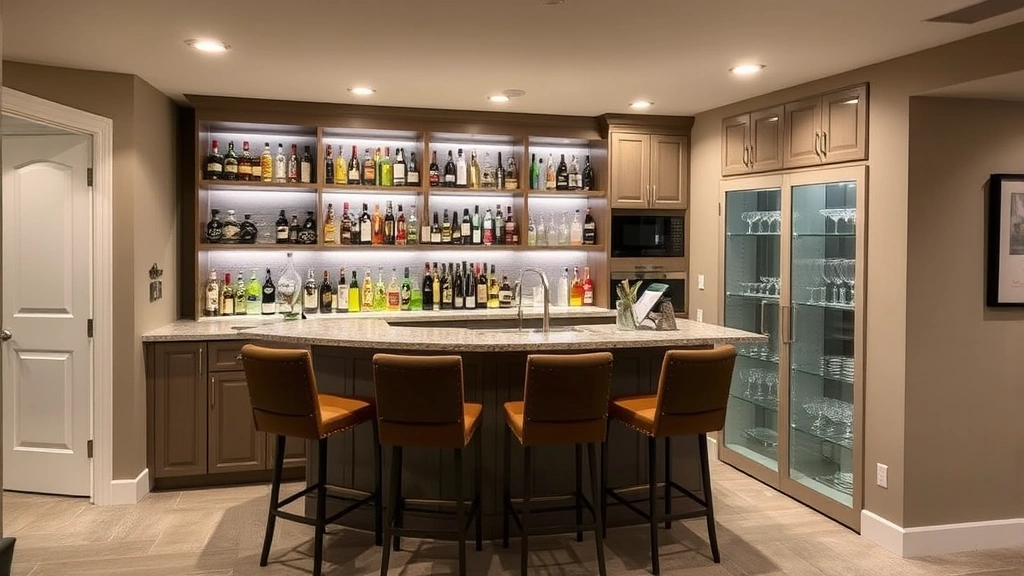
Your home bar design should include proper shelving for bottles, glassware storage, mixing tools, and a sink or ice station. Consider your space carefully, ensuring adequate lighting and ventilation. Unlike commercial bars, home bars need not comply with health codes, though maintaining cleanliness and safety is important. Your home security system might include controls for bar area access during parties with young guests.
Are there exceptions to bartending age requirements?
Some states allow limited exceptions for family-owned establishments or private clubs, but these are rare and strictly regulated. Generally, no exceptions exist—age requirements are uniformly enforced. Always consult your state ABC board about any potential exceptions for your specific situation.


