
Upgrade Your Clock: DIY Time on Monkey App
The Monkey App has revolutionized how DIY enthusiasts manage their project timelines and scheduling needs. Whether you’re tackling a basement finishing project or installing home security systems, understanding how to add time on Monkey App is essential for tracking progress and maintaining project schedules. This comprehensive guide walks you through every step of upgrading your clock settings and maximizing the app’s time management features for your construction and building projects.
Adding time to your Monkey App clock isn’t just about convenience—it’s a critical component of professional project management. When you’re managing multiple construction phases, material deliveries, or contractor schedules, precise time tracking ensures nothing falls through the cracks. The app’s intuitive interface makes it accessible even for beginners, while advanced features cater to experienced builders managing complex timelines.
Understanding the Monkey App Clock System
The Monkey App operates on a sophisticated time-tracking system designed specifically for project-based work. Unlike standard smartphone clocks, the Monkey App integrates time management directly into your project workflows, allowing you to allocate hours, minutes, and seconds to specific tasks. This system is particularly valuable when you’re coordinating bathroom additions or other time-sensitive renovations where labor costs depend on accurate hour tracking.
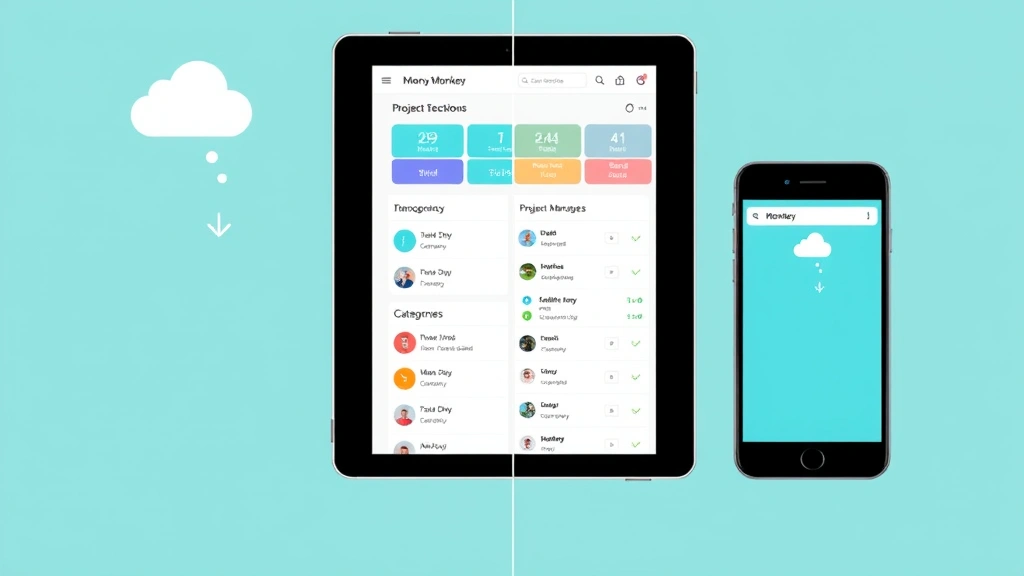
The clock system within Monkey App functions on both automatic and manual modes. Automatic mode tracks elapsed time in real-time as you work on designated tasks, while manual mode allows you to input specific time intervals after the fact. Understanding which mode suits your workflow is crucial before attempting to add time entries. The app stores all time data in cloud-based servers, ensuring your project records remain accessible from any device with proper authentication.
The underlying architecture of the Monkey App’s clock system uses standardized time protocols compliant with ISO 8601 time standards, ensuring compatibility with other project management tools and accounting software. This technical foundation means your time entries will integrate seamlessly with payroll systems, billing software, and project estimation tools used across the construction industry.
Step-by-Step Guide to Adding Time
Adding time on Monkey App follows a straightforward process that takes less than two minutes once you understand the basic steps. Begin by opening the Monkey App on your device and navigating to the main dashboard. Look for the clock icon or time management section, typically located in the bottom navigation menu or accessible through the main menu button.
Initial Setup Process:
- Launch the Monkey App and log in with your credentials
- Tap the clock or timer icon on the main dashboard
- Select “Add Time” or the “+” button next to your current project
- Choose between “Manual Entry” or “Start Timer”
- If using manual entry, input the date, start time, and end time
- Add descriptive notes about the work completed (e.g., “Framing north wall”)
- Select the appropriate project category from the dropdown menu
- Tap “Save” or “Confirm” to log the time entry
For those painting projects or other extended work sessions, the Start Timer feature proves invaluable. Simply tap “Start Timer” when you begin working, and the app automatically records elapsed time. The timer runs in the background, allowing you to continue working without interruption. When you finish your task, return to the app and tap “Stop Timer” to end the session.
Manual Time Entry Details:
Manual time entry becomes necessary when you’re logging hours after the fact or when recording time spent on tasks completed before you started using the app. The process requires accurate date selection—make sure your device’s date and time settings are correct before entering historical entries. The Monkey App allows backdating entries up to 90 days, providing flexibility for catching up on previous work logs.
When entering time manually, the format matters. Most versions of Monkey App use 24-hour time format for international compatibility, though some regional versions support 12-hour AM/PM format. Always verify your time format setting in the app preferences to avoid confusion. For example, 2:30 PM should be entered as 14:30 in 24-hour format.
Syncing Your Clock Across Devices
One of Monkey App’s most powerful features is its ability to synchronize time data across multiple devices. If you’re managing a construction project and need access to time logs from both your smartphone and tablet, the app automatically syncs all entries across platforms. This synchronization occurs whenever your device connects to the internet, typically within seconds of saving a new entry.
To ensure proper synchronization, verify that you’re logged into the same account on all devices. The app requires internet connectivity to sync—while you can add time entries offline, they won’t synchronize until your device regains connection. Most users experience seamless syncing within their home or office WiFi networks, though mobile data connections work equally well.
Cloud Storage and Data Security:
Your time entries are stored on Monkey App’s secure cloud servers, protected by industry-standard encryption protocols. The app complies with GDPR data protection regulations and implements regular security audits. This means your project time data—which may contain sensitive information about labor costs and project timelines—remains confidential and protected from unauthorized access.
Backup functionality in Monkey App runs automatically, creating daily snapshots of your time data. If you accidentally delete an entry or experience device failure, you can restore your information from these backups. The retention period for backups extends to 30 days, giving you ample opportunity to recover lost data.
Advanced Time Management Features
Beyond basic time entry, Monkey App offers sophisticated features for power users managing complex projects. The time allocation feature allows you to distribute total project hours across multiple tasks, creating detailed breakdowns of where time was spent. This proves especially valuable when documenting project work or preparing reports for clients.
Recurring Time Entries:
For ongoing tasks that occur regularly, Monkey App’s recurring time entry feature eliminates manual data entry. Set up a recurring entry for daily standup meetings, regular maintenance work, or scheduled inspections. The app automatically creates these entries on your specified schedule, which you can then modify if actual time differs from estimates.
Time Categorization and Tagging:
Organize your time entries using custom categories and tags. Create categories like “Demolition,” “Framing,” “Electrical,” “Plumbing,” and “Finishing” to track where hours are concentrated. Tags allow even more granular organization—you might tag entries with specific room names, contractor names, or material types. This categorization becomes invaluable when analyzing project efficiency or preparing detailed invoices.
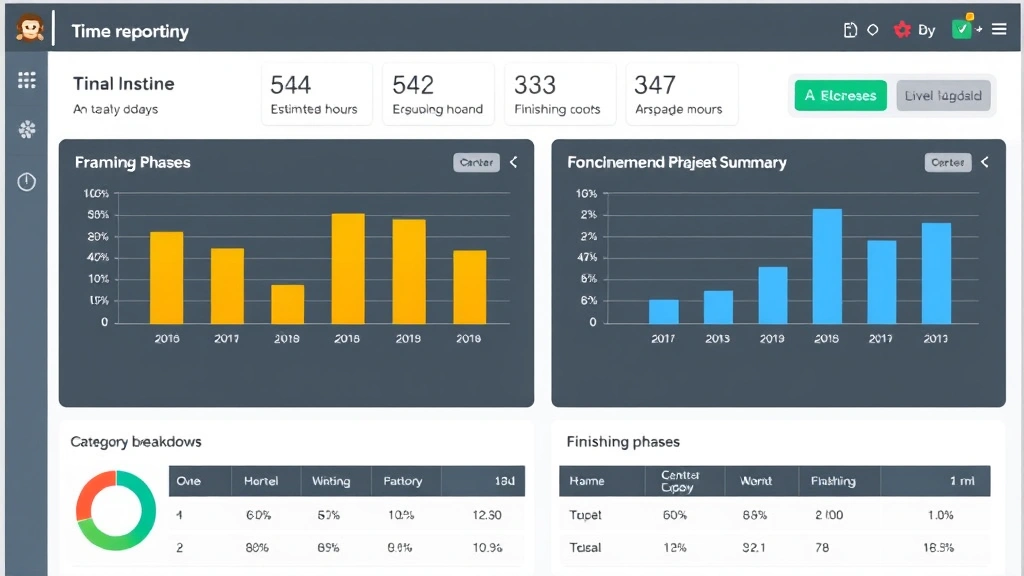
The reporting features generate comprehensive time analysis reports. View total hours by category, identify your most time-intensive tasks, and compare estimated versus actual time spent. These reports export to PDF or CSV format, making them compatible with accounting software and client billing systems. For projects tracking labor costs against budgets, these reports provide crucial data for profitability analysis.
Integration with External Tools:
Monkey App integrates with popular project management and accounting platforms. Connect your time data to QuickBooks, Asana, or Monday.com to create unified project workflows. These integrations automatically push your time entries to connected platforms, eliminating duplicate data entry and reducing errors.
Troubleshooting Common Time Issues
Even with straightforward functionality, users occasionally encounter issues with time entries. The most common problem involves timezone confusion—if you travel between regions or manage remote teams across time zones, the app may display times differently than expected. Resolve this by checking your device’s timezone settings and ensuring Monkey App uses your correct local timezone in preferences.
Time Entry Not Saving:
If your time entry fails to save, first verify your internet connection. The app requires connectivity to transmit data to cloud servers. Check that you’re logged in with an active account—expired sessions sometimes prevent save operations. Clear the app cache (Settings > Apps > Monkey App > Storage > Clear Cache) and attempt saving again. If problems persist, contact Monkey App support with your account information and the specific entry details.
Duplicate Time Entries:
Occasionally, rapid tapping or network delays can create duplicate entries. The app includes a duplicate detection feature that identifies suspicious duplicate entries created within seconds of each other. Review your recent entries and delete any obvious duplicates. If automatic duplicate detection fails, manually delete extras by swiping left on the entry and selecting delete.
Syncing Delays:
When multiple devices attempt simultaneous syncing, temporary delays may occur. Wait 2-3 minutes for the sync process to complete naturally. If sync appears stuck, toggle airplane mode on and off to reset your connection, or log out and back in to force a fresh sync cycle. Check your app version—outdated versions sometimes experience syncing issues. Update through your device’s app store to access the latest synchronization improvements.
Historical Entry Problems:
The app restricts backdated entries to the past 90 days for data integrity reasons. If you need to log time from older periods, contact Monkey App support to request special access. They can manually add entries or temporarily extend your backdating window for legitimate historical records.
Best Practices for Project Timeline Management
Successful time tracking requires consistent habits and strategic approaches. Establish a daily routine of logging time entries—ideally at the end of each work day while details remain fresh. This consistency prevents the accumulation of unlogged hours that become difficult to categorize accurately later. Many experienced builders set phone reminders to log time before leaving the job site.
Detailed Entry Descriptions:
Brief, generic notes like “worked on project” provide limited value. Instead, write specific descriptions: “Installed 47 linear feet of 2×6 rim joists, affixed with 3-inch lag bolts per building code specifications.” These detailed notes become invaluable when reviewing past work, calculating material consumption rates, or disputing invoices. They also assist when planning similar future projects—you’ll know exactly how long comparable work takes.
Time Estimation Accuracy:
Use historical time data from Monkey App to improve future estimates. Track the actual time required for recurring tasks, then use these metrics for bidding new projects. Over several months, you’ll develop accurate time multipliers for different work types. This data transforms from simple time tracking into a profit-optimization tool.
Team Coordination:
If managing subcontractors or employees, ensure everyone logs time in Monkey App using the same project structure and categories. Establish clear guidelines about when to start and stop timers, how to categorize work, and what level of detail to include in descriptions. Regular training prevents confusion and ensures consistent data quality across your team.
Budget Monitoring:
Use Monkey App’s time data to monitor labor costs against project budgets. Set baseline labor hour budgets when creating projects, then compare actual logged hours throughout the project. Alert yourself when actual hours reach 80% of budgeted hours, giving you time to adjust plans if the project is running behind schedule. This proactive approach prevents budget overruns.
Integration with Related Planning:
Connect your time tracking with other DIY project planning resources available through construction management sites. Cross-reference your Monkey App time logs with material delivery schedules, inspector availability, and contractor calendars. This holistic approach ensures all project components align efficiently.
Review time reports monthly to identify trends. Are certain project phases consistently taking longer than expected? Are specific contractors more efficient than others? These insights drive continuous improvement in your project management processes.
FAQ
How do I start a timer on Monkey App?
Open the app, navigate to your active project, tap the clock icon, and select “Start Timer.” The app will begin tracking elapsed time immediately. You can minimize the app and continue working—the timer runs in the background. Return to the app and tap “Stop Timer” when finished.
Can I edit time entries after saving them?
Yes, Monkey App allows editing previously saved entries. Tap on the entry you want to modify, select “Edit,” make your changes to the time, date, or description, and save. You can edit entries from the past 90 days without restrictions.
What happens if my internet connection drops while logging time?
If your connection drops while using the Start Timer feature, the app continues tracking time locally. Once your connection restores, the entry automatically syncs to cloud servers. For manual entries, the app saves them locally and syncs when connectivity returns.
Does Monkey App work offline?
Yes, you can add and view time entries offline. However, synchronization across devices and backup functionality require internet connectivity. All offline entries sync automatically once you reconnect to the internet.
How do I export time reports from Monkey App?
Navigate to the Reports section, select your date range and project, then tap “Export.” Choose your format (PDF or CSV) and the report generates for download. CSV files import directly into spreadsheet applications and accounting software.
Can multiple team members log time to the same project?
Yes, if your Monkey App account includes team collaboration features. Invite team members to your workspace, assign them to specific projects, and they can log their own time entries. All entries consolidate in the project’s master time log, clearly showing which team member logged each entry.
What’s the difference between automatic and manual time tracking?
Automatic tracking (Start Timer) records elapsed time in real-time, ideal for active work sessions. Manual tracking requires you to input specific start and end times, better suited for logging completed work or historical entries. Both methods produce identical results in your time reports.


