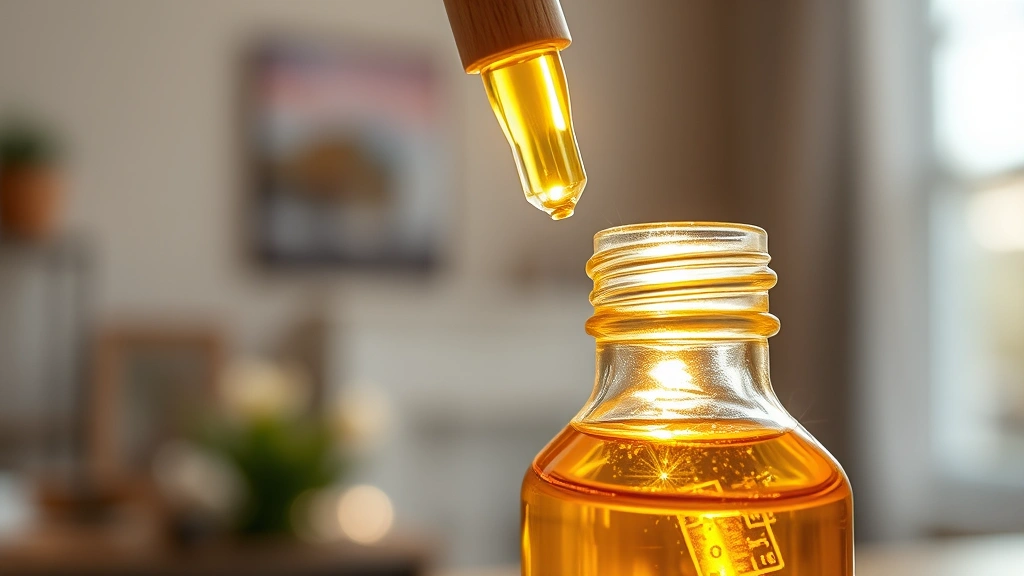
How to Anoint Your Home: Expert Tips for Spiritual Cleansing and Blessing
Anointing your home is a meaningful spiritual practice that combines intention, ritual, and sacred materials to purify and bless your living space. Whether you’re moving into a new residence, seeking to refresh your home’s energy, or honoring a spiritual tradition, understanding the proper techniques and materials ensures your anointing ceremony is both effective and respectful. This comprehensive guide walks you through everything from selecting appropriate oils and materials to executing a complete home anointing ritual that aligns with your beliefs and values.
The practice of home anointing spans multiple faith traditions and cultures, each bringing unique perspectives on how to sanctify domestic spaces. From Christian blessing oils to Islamic practices, Hindu rituals, and secular energy-clearing methods, the underlying principle remains consistent: intentional application of sacred substances combined with focused spiritual attention creates a meaningful transformation of your home’s spiritual atmosphere. Understanding these traditions and how to adapt them to your personal practice ensures you create a ceremony that feels authentic and powerful.
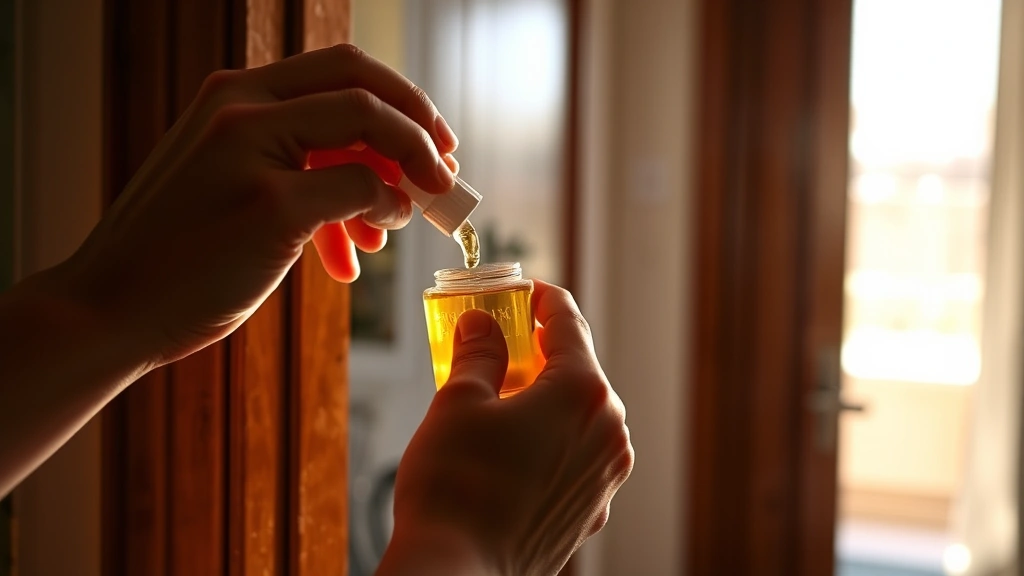
Understanding Home Anointing Traditions
Home anointing carries deep significance across numerous spiritual and religious traditions worldwide. In Christianity, anointing represents consecration and the presence of the Holy Spirit, with believers using blessed oils to mark doorways, windows, and corners as acts of spiritual protection and dedication. Islamic traditions incorporate anointing through the use of fragrant oils and perfumes, viewing them as spiritually elevating and purifying elements within the home environment. Hindu practices employ sandalwood paste and clarified butter infused with sacred herbs as part of home blessing ceremonies that honor deities and invite auspiciousness into living spaces.
Beyond religious frameworks, secular practitioners and those following energy-based spirituality use anointing to establish intentional spaces aligned with personal wellness goals. These modern approaches focus on aromatherapy benefits, the psychological impact of ritual, and the power of focused intention to shift environmental energy. Regardless of your spiritual background, understanding the foundational principles of anointing—purification, intention-setting, protection, and blessing—helps you develop a practice that resonates authentically with your worldview.
The physical act of anointing engages multiple senses: the tactile experience of applying oils, the aromatic properties of chosen materials, and the visual ritual of marking sacred boundaries. This multisensory engagement makes anointing particularly effective for creating psychological and emotional shifts within your home environment. When combined with genuine spiritual intention, these sensory experiences help solidify the ceremonial significance of your anointing practice.

Choosing Your Anointing Oils and Materials
Selecting appropriate oils forms the foundation of any successful home anointing practice. Frankincense oil stands as one of the most universally respected choices, valued across Christian, Islamic, and secular traditions for its purifying properties, grounding effects, and historical significance in spiritual ceremonies. Frankincense carries a warm, woody aroma that many find spiritually uplifting and conducive to meditation and prayer. When sourcing frankincense, seek pure essential oils or high-quality resin that you can burn or dilute appropriately.
Myrrh oil complements frankincense beautifully and appears frequently in blessing ceremonies across multiple traditions. This resinous oil offers grounding, protective qualities and pairs well with frankincense in combination anointing blends. Olive oil, particularly extra virgin varieties, holds particular significance in Christian anointing traditions and provides an excellent carrier oil base for diluting more potent essential oils. The mildness and historical reverence surrounding olive oil make it suitable for those preferring subtle, understated anointing approaches.
Additional oils worth considering include lavender for calm and peaceful energy, rosemary for clarity and spiritual awareness, cedarwood for grounding and protection, and peppermint for refreshing and invigorating spaces. When selecting oils, verify they’re sourced ethically and produced by reputable manufacturers. If you have home security concerns, certain protective oils like cedarwood and black pepper may align with your intentions.
For those preferring non-oil options, consider holy water (from religious traditions), salt-infused water, rose water, or herbal infusions made from sage, rosemary, or lavender. Some practitioners create custom anointing waters by combining distilled water with dried herbs, essential oil drops, and intention-setting prayers. Store all anointing materials in dark glass bottles away from direct sunlight to maintain potency and prevent oxidation.
Preparing Your Home for the Ceremony
Thorough preparation ensures your anointing ceremony unfolds smoothly and creates maximum spiritual impact. Begin by physically cleaning your entire home several days before the planned anointing. This isn’t merely practical—it represents the physical manifestation of spiritual purification. Clean floors, dust surfaces, open windows for ventilation, and remove clutter from all areas you’ll be anointing. This preparation mirrors the internal cleansing you’re inviting spiritually.
Next, establish your ceremonial intention. Write down specifically what you’re inviting into your home: protection, peace, healing, abundance, clarity, or spiritual growth. Read your intention aloud multiple times and visualize it manifesting throughout your space. This mental and emotional preparation focuses your spiritual energy and ensures the ceremony aligns with your deepest values and desires for your home.
Decide whether you’re performing this ceremony alone or with family members and trusted friends. Group anointing can amplify intention-setting power, though solitary ceremonies offer deeper personal connection. If including others, brief them beforehand on the ceremony’s spiritual significance and your expectations for respectful participation. Establish the ceremony’s duration—most effective home anointing takes 30 minutes to two hours depending on home size and ritual complexity.
Gather all materials before beginning: your chosen anointing oils or waters, small applicator bottles or cotton balls, a list of rooms and specific areas to anoint, your written intention statement, and any additional ceremonial items like candles, incense, or spiritual texts. Arrange for uninterrupted time by turning off phones, notifying household members, and ensuring pets won’t disrupt your focus. Many practitioners prefer performing anointing ceremonies during dawn, dusk, or evening hours when household energy feels more receptive to spiritual work.
Step-by-Step Anointing Process
Begin your ceremony by centering yourself through deep breathing, meditation, or prayer appropriate to your spiritual tradition. Light a candle if this resonates with your practice, symbolizing the presence of light and divine blessing entering your home. Stand at your home’s main entrance and read your intention statement aloud, speaking with conviction and clarity. This verbal affirmation activates your spiritual focus and announces your purposeful action to the universe, your chosen deity, or your own subconscious mind.
Apply a small amount of anointing oil or water to your fingertip, then mark the area above your front door’s frame, creating a small cross, circle, or other meaningful symbol. As you anoint, silently or aloud repeat your intention, visualizing protective light or blessed energy entering through this threshold. Move slowly and deliberately—this is not a rushed task but a sacred act deserving your full attention and presence.
Progress methodically through your home, anointing each doorway, window frame, and corner of every room. Pay special attention to entry points like exterior doors and windows, as these represent vulnerable thresholds where external energies enter your space. In each room, anoint the four corners, moving in a clockwise direction (considered spiritually progressive in many traditions) or counterclockwise if that aligns with your practice.
As you move through your home, maintain focused intention on your written statement. Some practitioners recite prayers, affirmations, or mantras; others prefer silent meditation while anointing. Both approaches prove equally effective when executed with genuine spiritual attention. If you’re exploring DIY home improvements, consider how anointing complements other enhancement projects you’re undertaking.
Pay particular attention to these key areas: main entrance (protection and welcome), bedroom thresholds (rest and safety), kitchen areas (nourishment and family gathering), bathroom entrances (purification and renewal), and any room where you spend significant time. If your home includes a basement, basement finishing projects may benefit from spiritual blessing through anointing before or after renovation work.
Conclude your ceremony by returning to your home’s center or main living area. Stand quietly, visualizing your entire home surrounded by protective light or blessed energy. Thank whatever spiritual force you invoked—God, the universe, your higher self, or ancestral guides—for accepting your intention and blessing your home. Many practitioners conclude by lighting incense, burning sage, or opening windows to circulate fresh air throughout the newly blessed space.
Anointing Specific Rooms and Areas
Living Rooms and Common Areas: These spaces benefit from anointing focused on harmony, welcoming energy, and family connection. Use oils promoting peace and togetherness, such as lavender combined with frankincense. Anoint corners, doorways, and the areas where family members typically gather, visualizing warm, loving interactions and peaceful evenings together.
Bedrooms: Anointing bedrooms emphasizes rest, safety, and intimate connection. Select calming oils like lavender, chamomile, or sandalwood. Anoint doorways, window frames, and the four corners of the room, visualizing deep, restorative sleep and protected personal space. Some practitioners anoint the four corners of the bed itself for additional blessing of this intimate space.
Kitchens: Kitchen anointing focuses on nourishment, health, and family sustenance. Rosemary and lemon oils work beautifully for kitchen spaces. Anoint doorways, window areas, and the space around cooking surfaces, visualizing wholesome meals and positive family interactions during shared dining experiences.
Bathrooms: These spaces deserve anointing emphasizing purification, renewal, and self-care. Peppermint and eucalyptus oils complement bathroom anointing nicely. Mark doorways and window areas while visualizing cleansing water and renewed personal energy flowing through these spaces.
Home Offices and Work Spaces: If you maintain a dedicated workspace, anoint it with oils promoting clarity, focus, and productivity. Rosemary and peppermint excel for these purposes. Visualize clear thinking, successful projects, and motivated energy flowing through your work environment.
Entryways and Hallways: These transitional spaces deserve special attention as they connect different areas of your home and represent thresholds of energy movement. Anoint all entry points thoroughly, visualizing only positive, aligned energy entering your home while stagnant or negative energy exits freely.
Timing and Spiritual Considerations
Timing your anointing ceremony according to lunar phases, seasonal changes, or specific spiritual dates can amplify its effectiveness. New moon periods align with new beginnings and are ideal for anointing a newly purchased home or initiating fresh energy patterns. Full moon periods emphasize manifestation and completion, making them suitable for anointing when you’re ready to solidify protective or healing intentions. Spring anointing ceremonies align with renewal and growth, while autumn anointing emphasizes grounding and preparation.
Many religious traditions associate anointing with specific holy days or seasons. Christian practitioners might anoint homes during Advent or Easter seasons; Islamic practitioners might incorporate anointing into Ramadan or other significant observances; Hindu practitioners often anoint homes during Diwali or other auspicious festivals. Aligning your ceremony with spiritually significant dates adds layers of meaning and connects your personal practice to broader spiritual community traditions.
Consider your own daily rhythms and energy levels when scheduling anointing. Morning ceremonies, performed with fresh energy and clear minds, often feel most powerful. Dawn anointing captures the spiritual quality of new beginnings. Evening ceremonies, particularly at dusk, can feel equally meaningful and often provide fewer household interruptions. Avoid scheduling anointing during times when you’re stressed, ill, or emotionally turbulent, as these states can interfere with focused intention-setting.
If you’ve recently completed home painting projects, allow several days for paint fumes to dissipate before anointing, as strong chemical odors can interfere with aromatic oils and your spiritual focus. Similarly, if you’ve undertaken woodworking projects or other construction work, complete those activities before anointing to avoid mixing spiritual ceremony with active renovation energy.
Maintaining Your Home’s Blessed Energy
Anointing your home represents a powerful initial blessing, but maintaining that blessed energy requires ongoing attention and intention. Refresh your anointing quarterly or seasonally to reinforce your original intention and adapt to changing circumstances in your life. Many practitioners perform lighter touch-up anointings—applying small amounts of oil to key entry points—between more comprehensive ceremonies.
Support your anointing practice through complementary spiritual disciplines. Regular meditation or prayer within your home strengthens the energetic foundation established through anointing. Burning incense, particularly frankincense or myrrh, periodically reinforces the aromatic blessing. Opening windows regularly allows fresh air to circulate and prevents stagnant energy accumulation. Playing uplifting music or maintaining positive, loving interactions within your home sustains the vibration established through your anointing ceremony.
Practice energetic cleansing when negativity or discord enters your home. Burning sage (smudging), ringing bells, clapping in corners, or simply opening all windows and doors while stating your intention to release negativity helps maintain the blessed state established through anointing. These practices prove particularly valuable after arguments, illness, or periods of stress within your household.
Document your anointing practice in a journal, recording the date, oils used, specific intentions set, and any experiences or changes you notice afterward. Over time, this record helps you identify what approaches most effectively shift your home’s energy and which oils, timing, and intentions align best with your personal spiritual path. Reviewing past entries reinforces your connection to the practice and deepens your understanding of how anointing influences your home environment.
Remember that anointing works synergistically with practical home maintenance and positive living practices. Implementing home security measures complements spiritual protection from anointing by addressing physical safety alongside energetic blessing. Creating a home that’s both spiritually blessed and practically well-maintained generates the strongest, most resilient positive environment for yourself and your family.
FAQ
Can I anoint my home if I rent rather than own it?
Absolutely. Renting doesn’t diminish your right to spiritually bless your living space. Use oils sparingly on doorways and window frames to avoid marking surfaces, or anoint with water-based solutions that won’t stain. Focus your intention on creating blessed energy within the space you occupy, regardless of ownership status. Many landlords appreciate tenants who maintain positive home environments.
How often should I anoint my home?
Complete home anointing ceremonies work well quarterly or seasonally—roughly four times yearly. Many practitioners perform lighter touch-up anointings monthly or whenever they sense energy shifts. Listen to your intuition; if your home feels spiritually depleted or you’ve experienced significant life changes, anointing more frequently may feel appropriate.
What if I don’t follow a specific religious tradition?
Home anointing works beautifully within secular, energy-based, or eclectic spiritual frameworks. Focus on your personal intentions, select oils for their aromatherapy and psychological benefits, and approach the ceremony as a meaningful ritual affirming your commitment to creating a blessed home environment. Intention matters more than religious affiliation.
Can I use synthetic oils or fragrance instead of pure essential oils?
While synthetic fragrances won’t harm your anointing ceremony, pure essential oils and natural plant materials carry energetic qualities many practitioners believe enhance spiritual effectiveness. If budget constraints exist, diluted pure oils work well, or consider high-quality fragrance oils as acceptable alternatives while prioritizing eventually upgrading to pure materials.
Is there a wrong way to anoint my home?
The primary requirement for effective anointing is genuine intention combined with respectful, focused action. Avoid anointing while intoxicated, angry, or spiritually disconnected. Don’t anoint with the intention of harming others or manipulating situations. When approached with positive intention and sincere spiritual attention, there’s no “wrong” anointing method—your authentic practice will generate meaningful results.
How long does an anointing’s effects last?
Some practitioners report feeling blessed energy for months following a thorough anointing ceremony. Others notice effects diminishing after several weeks. Energy maintenance through regular spiritual practices extends anointing benefits. Seasonal refreshing keeps blessed energy consistently strong throughout the year, adapting to life changes and seasonal shifts.


