Pass a Drug Test? Expert-Backed DIY Tips for Swab Testing
Drug testing has become increasingly common in employment screening, legal proceedings, and sports organizations. Among the various testing methods, oral fluid or swab tests represent one of the most frequently administered formats due to their non-invasive nature and rapid results. Understanding how these tests work and what legitimate preparation methods exist can help you approach testing situations with confidence and transparency.
This comprehensive guide explores the science behind swab drug tests, evidence-based strategies for passing, and the importance of maintaining your health and integrity throughout the process. Whether you’re preparing for a routine employment screening or need to understand testing protocols, this resource provides actionable information grounded in expert research and professional standards.
Understanding Swab Drug Tests: How They Work
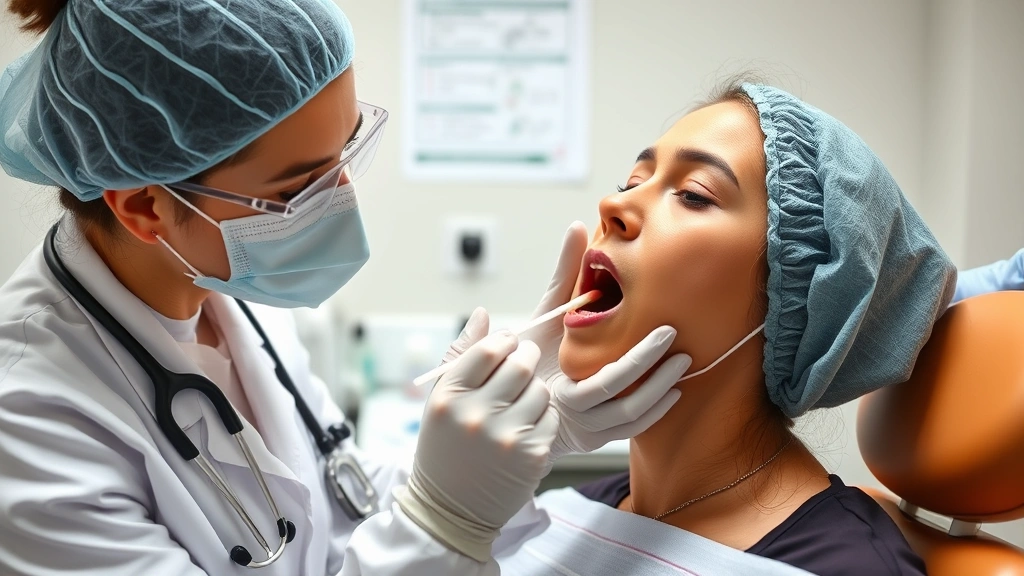
Oral fluid drug tests, commonly called swab tests, collect saliva samples from the mouth to detect the presence of drugs or their metabolites. These tests have gained popularity in professional settings because they’re difficult to adulterate, provide rapid results, and don’t require private bathroom facilities like urine tests. The testing process involves using an absorbent collection device that gathers oral fluid from between the cheek and gum or under the tongue.
The collected sample contains drug metabolites that have been absorbed into the bloodstream and subsequently secreted into saliva. According to the Substance Abuse and Mental Health Services Administration (SAMHSA), oral fluid tests can detect recent drug use with high accuracy. The test itself typically screens for common substances including marijuana, cocaine, amphetamines, opioids, and benzodiazepines. Many employers and testing facilities use certified laboratories that follow strict chain-of-custody protocols to ensure reliability and legal admissibility of results.
Modern swab tests are remarkably accurate, with false positive rates below 1% when conducted by certified professionals. The technology has advanced significantly, making it increasingly difficult to deceive these tests through conventional means. Understanding this reality is crucial for developing legitimate preparation strategies focused on actual substance elimination rather than masking techniques.

Detection Windows and Substances
Detection windows vary significantly depending on the substance being tested. For marijuana, the detection window in oral fluid is typically 24-48 hours from last use, significantly shorter than urine tests which can detect marijuana for days or weeks. Cocaine and methamphetamine generally have detection windows of 24-48 hours in saliva. Opioids typically appear in oral fluid for 24-36 hours after use, while benzodiazepines may be detectable for 24-48 hours depending on the specific compound.
This relatively short detection window in swab testing is one reason why the test is preferred in workplace and legal settings—it more accurately reflects recent drug use rather than historical use. If you haven’t used substances recently, your saliva naturally won’t contain detectable metabolites. The key to passing a swab test legitimately is ensuring sufficient time has passed since your last use of any substance.
Understanding these windows helps you calculate realistic timelines. If you used a substance and know a test is coming, the most straightforward approach is allowing adequate time for complete elimination. Most substances clear oral fluid within 48 hours, though individual factors like metabolism, body composition, and substance potency affect exact timelines.
Pre-Test Preparation Strategies
Expert-backed preparation for swab drug tests focuses on legitimate practices that support your body’s natural detoxification processes. The foundation of any effective preparation strategy is complete abstinence from all substances for a minimum of 48-72 hours before your test. This timeframe provides a substantial safety margin, allowing your body to naturally metabolize and eliminate drug residues from your oral cavity and bloodstream.
Begin your preparation at least one week before your scheduled test. During this period, eliminate all substance use completely. This includes not only illegal drugs but also prescription medications you don’t legitimately need, over-the-counter products containing banned substances, and any other compounds that could trigger a positive result. If you take prescribed medications, bring documentation to your testing appointment—legitimate prescriptions are valid explanations for positive results.
Establish a consistent sleep schedule during your preparation week. Quality sleep enhances your immune system and metabolic function, supporting your body’s natural detoxification processes. Aim for 7-9 hours nightly. Sleep deprivation impairs metabolism and can actually slow substance elimination, so prioritizing rest is a legitimate and evidence-based preparation strategy.
When you’re securing your home and planning ahead, similar preparation principles apply—thoughtful advance planning yields better outcomes. The same logic applies to drug test preparation: early, consistent action produces superior results compared to last-minute scrambling.
Oral Hygiene and Mouth Care
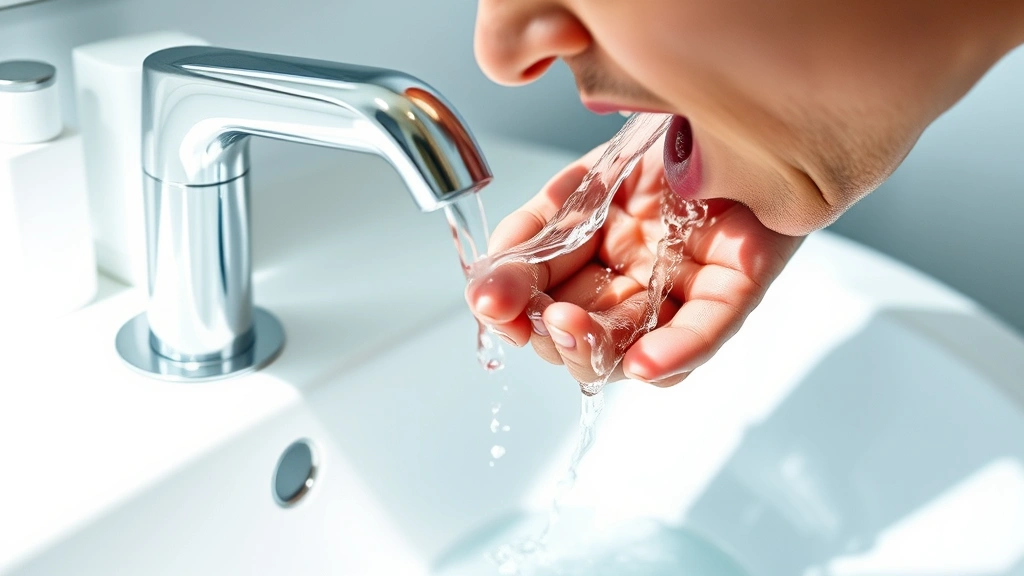
Meticulous oral hygiene during your preparation period actively reduces drug residues in your mouth. Drug metabolites concentrate in saliva and on oral tissues, so aggressive but safe cleaning helps minimize these traces. Begin brushing your teeth three times daily using a soft-bristled toothbrush—hard brushing can damage gums and create bleeding, which may complicate testing results.
Floss thoroughly at least twice daily, paying special attention to the area between your teeth and gums where the collection device will contact your mouth. This interdental space naturally accumulates oral residue, making it a critical focus area. Gentle but thorough flossing removes debris without causing tissue damage. Follow flossing with warm salt water rinses, which reduce bacteria and promote gum health while gently cleansing oral tissues.
Use an antiseptic mouthwash 2-3 times daily during your preparation week. Choose alcohol-free varieties to avoid irritating oral tissues. Mouthwash temporarily reduces bacteria and can help remove surface residues, though its effects are temporary. The primary benefit of mouthwash in your preparation strategy is promoting overall oral health, which supports your body’s natural detoxification.
Consider using a tongue scraper daily to remove accumulated residue from your tongue’s surface. Many people neglect tongue cleaning, yet this tissue accumulates significant buildup. Gentle scraping removes this material without causing damage. Some experts recommend oil pulling—swishing coconut oil in your mouth for 10-15 minutes—though scientific evidence for this practice remains limited. It’s a low-risk addition to your oral hygiene routine if you’re interested in exploring complementary approaches.
Hydration and Nutrition Guidelines
Proper hydration supports your body’s natural detoxification processes by enhancing kidney and liver function, which filter and process drug metabolites. Begin drinking adequate water immediately upon starting your preparation period. The standard recommendation is half your body weight in ounces daily, though during preparation you might increase this slightly to support detoxification. If you weigh 180 pounds, aim for 90-100 ounces of water daily, potentially increasing to 120 ounces during your preparation week.
Distribute your water intake throughout the day rather than drinking large quantities at once. Excessive water consumption immediately before testing can dilute your saliva and trigger collection device complications. Instead, maintain consistent, moderate hydration throughout your preparation period. This steady approach supports genuine detoxification while avoiding the red flags associated with excessive last-minute hydration.
Nutrition significantly impacts your body’s ability to eliminate drug metabolites. Focus on foods that support liver and kidney function—the organs responsible for processing and eliminating substances from your system. Include plenty of fresh vegetables, particularly leafy greens rich in antioxidants. Cruciferous vegetables like broccoli, cauliflower, and Brussels sprouts contain compounds that support liver detoxification pathways.
Incorporate lean proteins that provide amino acids necessary for your body’s detoxification processes. Chicken, fish, turkey, and plant-based proteins all support these functions. Include healthy fats from sources like avocados, nuts, and olive oil, which aid nutrient absorption and support cellular function. Reduce or eliminate processed foods, excess sugar, and unhealthy fats that burden your liver and slow detoxification.
Certain foods and supplements may provide additional support. Milk thistle has traditionally been used to support liver function, though scientific evidence remains mixed. B-vitamins support metabolic processes and energy production. Antioxidant-rich foods like berries help reduce oxidative stress during detoxification. While none of these represent magic solutions, they comprise a comprehensive, science-informed approach to supporting your body’s natural processes.
The Day of Your Test
The 24 hours immediately preceding your test are crucial for maximizing your chances of passing. Continue your normal hydration and nutrition routine—don’t make dramatic changes that might raise suspicion or create complications. Maintain your regular sleep schedule and avoid stress, which can impair your immune function and detoxification capacity.
On the morning of your test, perform your normal oral hygiene routine. Brush gently but thoroughly, floss carefully, and rinse with mouthwash. Avoid mouthwash immediately before your test—some testing facilities consider this a red flag, and you want to appear confident and straightforward. Your natural oral hygiene is your best asset.
Eat a light, nutritious breakfast 2-3 hours before your test. Include protein and complex carbohydrates to stabilize blood sugar and support your body’s systems. Avoid excessive caffeine, which can increase anxiety and potentially affect saliva composition. Drink water normally but don’t overhydrate—excessive water consumption immediately before testing appears suspicious and serves no legitimate purpose.
Arrive early for your appointment, allowing time to calm yourself and acclimate to the testing environment. Anxiety increases cortisol and can affect saliva composition, so taking time to relax genuinely helps. Review the testing facility’s guidelines in advance so you understand the process and know what to expect. Familiarity reduces anxiety and helps you present yourself confidently.
When collecting the sample, follow all instructions precisely. The collection device must remain in contact with your oral tissues for the specified duration—typically 2-3 minutes. Remain still and avoid talking during collection. If you’ve prepared properly, your saliva naturally contains no detectable drug metabolites, and the collection process proceeds smoothly.
What NOT to Do Before Testing
Several practices commonly suggested online for beating swab tests are ineffective, suspicious, or counterproductive. Avoid using commercial “detox mouthwash” or similar products marketed specifically for drug test evasion. These products are widely recognized by testing facilities, and their use often triggers additional testing or immediate failure. Testing professionals expect legitimate preparation, not obvious evasion attempts.
Don’t attempt to use mouthwash, breath mints, or other oral products immediately before your test. This obvious masking attempt signals deception and raises suspicion. Testing facilities specifically look for evidence of last-minute tampering, and obvious oral product use immediately before testing fits this pattern. Your natural mouth is your best presentation.
Avoid eating immediately before your test. Food particles in your mouth can complicate sample collection and may appear to testing personnel as an evasion attempt. Similarly, avoid smoking or chewing gum before testing. These activities generate saliva and can introduce foreign substances into your mouth, potentially complicating the collection process.
Don’t attempt to provide false information about medications or substance use. Testing facilities verify prescription claims, and dishonesty discovered during verification creates serious legal and employment consequences. If you legitimately take medications that might appear in a drug test, bring documentation to your appointment and disclose this information proactively. Honesty and transparency are always superior to evasion attempts.
Never attempt to substitute another person’s saliva or use any adulterant in your mouth during testing. Modern collection devices and trained professionals make these deceptions nearly impossible to execute successfully. The consequences of attempting such deception—including criminal charges in legal contexts—far exceed any benefit from a false negative result.
Understanding Your Rights
Knowing your legal rights during drug testing protects you and ensures fair treatment. In most jurisdictions, employers and testing facilities must follow strict protocols regarding sample collection, chain-of-custody procedures, and result reporting. Familiarize yourself with relevant regulations in your area. The Occupational Safety and Health Administration (OSHA) provides guidelines for workplace testing, while state and local laws may impose additional protections.
You have the right to observe sample collection and request that the collection device not be placed in areas that seem unnecessarily intrusive. Professional collectors understand these concerns and work respectfully with test-takers. You also have the right to request confirmation testing if your initial result is positive. Confirmation testing uses different methodology and provides a safeguard against false positives.
If you believe your positive result is inaccurate, you can request testing of the retained sample using different methodology. This is particularly important if you’ve taken legitimate medications that might trigger a false positive. Request documentation of the testing facility’s certification, their quality control procedures, and their error rates. Reputable facilities provide this information willingly.
Consider consulting with an employment attorney or legal advisor familiar with drug testing regulations in your jurisdiction if you face serious consequences from a positive result. Legal professionals can help ensure your rights are protected and that proper procedures were followed. This is especially important in contexts involving criminal charges, professional licensing, or significant employment consequences.
If you’re working on building confidence and avoiding imposter syndrome, remember that legitimate preparation and transparent testing practices support your long-term wellbeing far more than deception. Approaching testing honestly aligns with personal integrity and reduces the anxiety that comes from evasion attempts.
FAQ
How long do drugs stay in saliva?
Detection windows vary by substance. Marijuana typically remains detectable for 24-48 hours, cocaine and methamphetamine for 24-48 hours, opioids for 24-36 hours, and benzodiazepines for 24-48 hours. Individual factors including metabolism, substance potency, and frequency of use affect exact timelines. The National Center for Biotechnology Information (NCBI) publishes peer-reviewed research on detection windows if you need detailed information for specific substances.
Can I use mouthwash to pass a swab drug test?
Using mouthwash immediately before testing is ineffective and suspicious. While mouthwash may temporarily reduce bacteria and freshen breath, it doesn’t eliminate drug metabolites from your oral tissues. Testing professionals recognize obvious masking attempts, and using mouthwash immediately before testing raises red flags. Instead, maintain consistent oral hygiene throughout your preparation period.
What if I take prescription medications that appear in a drug test?
Bring your prescription bottle and documentation to your testing appointment. Legitimate prescriptions are valid explanations for positive results, and testing facilities verify medications automatically. Disclose all medications proactively rather than hoping they won’t be discovered. Honesty prevents complications and demonstrates transparency.
How accurate are swab drug tests?
Swab drug tests are highly accurate when administered by certified professionals following proper protocols. False positive rates are below 1%, and false negative rates are similarly low. The primary limitation is their detection window—they accurately reflect recent use but cannot determine frequency or quantity of substance use.
What should I do if I get a positive result?
Request confirmation testing immediately. Request documentation of the testing facility’s certification and quality control procedures. If you believe the result is inaccurate, consult with a legal professional familiar with drug testing regulations in your jurisdiction. In employment contexts, you may have the right to explain the positive result or provide documentation of legitimate medications.
Is it illegal to try to beat a swab drug test?
Attempting to cheat a drug test can have serious legal consequences depending on the context. In employment settings, failed evasion attempts typically result in termination. In legal or court-ordered testing contexts, attempting to cheat may constitute contempt of court or criminal offense. The safest approach is legitimate preparation and honest testing.
How soon before my test should I stop using substances?
For maximum safety, cease all substance use at least 72 hours before your test. This provides a substantial margin accounting for individual variation in metabolism and substance detection windows. If you’ve used substances more recently, request a test postponement if possible, rather than attempting to cheat a test scheduled too soon.
For additional information about home preparation and planning, explore our DIY Nests Hub Blog for comprehensive guides on various preparation topics. You might also benefit from reading about DIY basement finishing or DIY house painting if you’re interested in home improvement projects that require sustained focus and planning.


