
Burning Incense: Expert Tips for Beginners
Burning incense is a timeless practice that transforms any space into a sanctuary of calm and aromatic delight. Whether you’re looking to enhance your home’s ambiance, create a meditative environment, or simply enjoy pleasant fragrances, learning how to burn incense properly is essential for safety, efficiency, and maximum enjoyment. This guide provides comprehensive instruction for beginners who want to master this ancient art without common mistakes.
Many people struggle with incense burning because they don’t understand the fundamentals of proper technique, safety protocols, and equipment selection. From choosing the right incense type to understanding ventilation requirements, this article covers everything you need to know. As you explore DIY Nest Hub’s comprehensive building resources, you’ll find that creating a peaceful home environment involves thoughtful planning—just like any home improvement project.
Understanding Incense Types and Forms
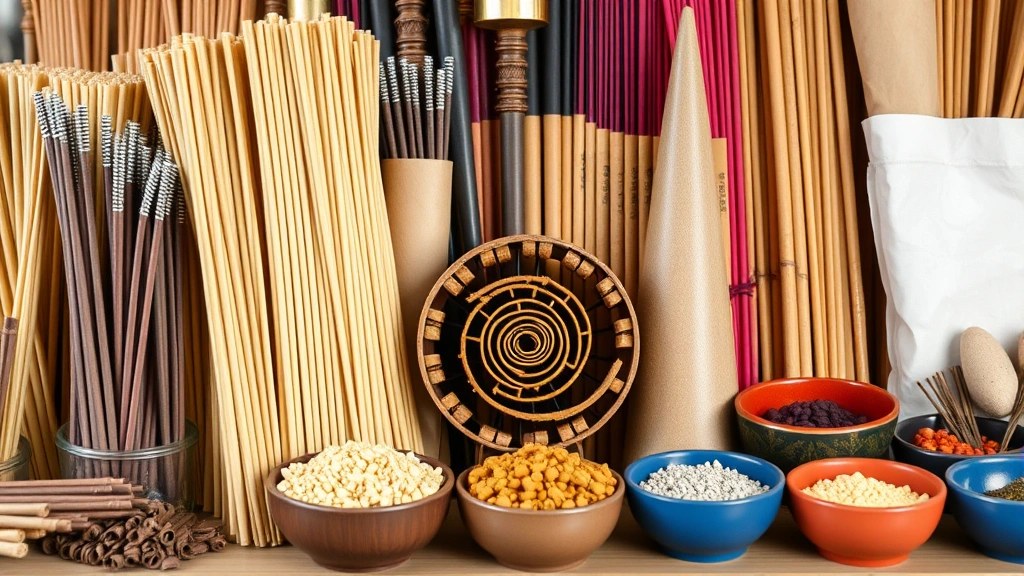
Incense comes in several distinct forms, each with unique burning characteristics and requirements. The most common type is stick incense, which consists of aromatic materials wrapped around or coated onto a wooden or bamboo core. These are convenient, portable, and ideal for beginners because they’re straightforward to light and burn predictably. Stick incense typically burns for 30 to 60 minutes depending on quality and thickness.
Cone incense offers a more compact option, burning for 15 to 30 minutes with a wider aromatic radius. These pyramid-shaped pieces work well in smaller rooms and create a stronger scent throw. Coil incense, recognizable by its spiral shape, burns slowly and continuously—some coils last several hours. This form works excellently for extended meditation sessions or all-day ambient fragrance.
Loose or granular incense represents the traditional form used in temples and spiritual practices. These raw materials require a heat source like charcoal blocks and offer the most authentic experience, though they demand more skill and attention. Resin incense falls into this category and produces particularly rich, complex aromas. When finishing your basement or creating a meditation space, understanding these options helps you select incense that complements your environment.
Each incense type contains different ratios of fragrant materials, binders, and bases. Natural incense uses essential oils and plant materials, while synthetic versions may include artificial fragrances. Higher-quality incense burns more cleanly with less smoke and produces superior aroma. Budget-friendly options often contain fillers that create excessive smoke and unpleasant odors. Understanding these distinctions helps you make informed purchases that match your needs and preferences.
Essential Equipment and Holders
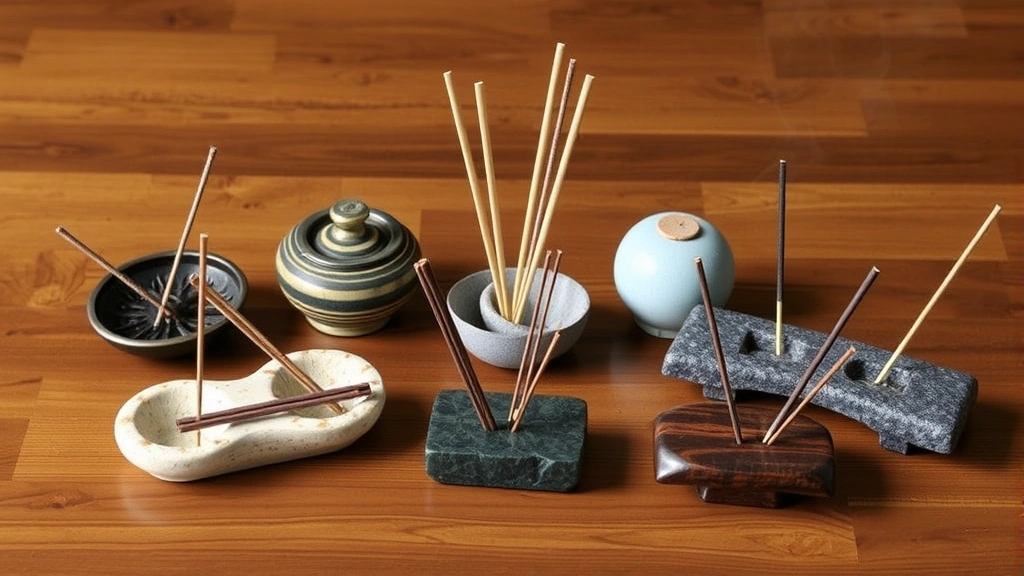
Proper equipment ensures safe, efficient incense burning. An incense holder is non-negotiable—it catches falling ash, protects surfaces, and maintains safety. Stick incense holders typically feature a narrow slot or groove that securely grips the stick at an angle, allowing ash to fall into a collection chamber below. Look for holders made from heat-resistant materials like ceramic, metal, or stone.
Cone incense requires a different holder design with a flat or slightly concave surface to catch melting wax and ash. Many cone holders have a small hole or depression at the center to stabilize the cone. Some advanced models feature decorative designs that complement home décor while providing functionality. Metal and ceramic cone holders offer superior heat resistance compared to plastic alternatives.
For coil incense, specialized coil holders suspend the spiral above a collection tray. These holders allow ash to fall freely without obstruction, reducing the risk of coil collapse. Some designs feature hanging mechanisms that elevate the coil several inches above the base. Charcoal-based loose incense requires a heat-resistant dish or censer, typically made from brass, copper, or cast iron. These vessels withstand high temperatures and develop beautiful patinas over time.
Beyond holders, you’ll need a lighter or matches specifically designed for incense. Long-handled lighters provide safety by keeping your hand away from the flame. Wooden matches work well but require careful handling. Some people prefer dedicated incense igniters—small devices that use a coil to light incense without open flame exposure. Sand or ash filling your holder’s collection chamber helps extinguish falling embers and prevents accidental fires.
When designing home improvement projects like bathroom installations, incorporating dedicated incense storage and burning areas demonstrates thoughtful design planning. Store incense in cool, dry locations away from direct sunlight to preserve fragrance quality and prevent warping.
Step-by-Step Burning Instructions
For Stick Incense: Place your holder on a stable, heat-resistant surface away from drafts, curtains, and flammable materials. Hold the incense stick at a 45-degree angle to a flame—either a lighter or candle—and wait for the tip to ignite. The tip should glow orange-red with a small flame. Allow the flame to burn for 10 to 15 seconds, then gently blow it out. The stick should continue burning with a glowing ember and steady smoke production. Never leave a burning incense stick unattended.
Position the stick in your holder so ash falls into the collection chamber. The burning end should point slightly downward to encourage even combustion. If the incense produces excessive white smoke, it may be burning too quickly or the holder may be too restrictive. If it barely smokes, ensure adequate oxygen flow around the burning tip. Most stick incense burns completely within 45 minutes, leaving minimal ash residue.
For Cone Incense: Place the cone in a holder designed for its shape, ensuring it sits upright and stable. Light the tip of the cone with a flame and hold it there for 30 seconds until the tip glows consistently. Blow out any flame and allow the cone to smolder. Cone incense produces more visible smoke than sticks and fills spaces faster. Position the holder where smoke can circulate throughout the room without being blocked by walls or furniture.
For Coil Incense: Hang or place the coil in its holder so the bottom loop sits at least one inch above any surface. Light the outer edge of the coil spiral and allow it to glow steadily. Coil incense burns progressively inward, creating continuous fragrance for extended periods. Check periodically that ash isn’t accumulating excessively and blocking airflow.
For Loose or Charcoal Incense: This method requires more preparation. Light a charcoal disc using a lighter or match until the entire surface glows red and develops a white ash coating—typically 3 to 5 minutes. Place the hot charcoal in a heat-resistant censer or dish lined with sand. Sprinkle small amounts of loose incense directly onto the hot charcoal, adding more as desired. This method produces immediate, intense fragrance and requires active management throughout the burning session.
Safety Considerations and Fire Prevention
Safety must be your primary concern when burning incense. Never leave burning incense unattended, even for brief moments. Embers can fall unexpectedly, and sticks can tip over if holders aren’t properly secured. Establish a strict rule: if you’re leaving the room, extinguish the incense immediately. This single practice prevents the vast majority of incense-related accidents.
Position incense holders on completely stable surfaces that won’t tip easily. Avoid placing them on shelves above important items or in areas where children or pets can reach them. Keep incense at least 12 inches away from curtains, papers, books, and other flammable materials. Ceiling fans and air vents can cause incense to blow ash around; position holders away from these air currents.
Ensure your incense holder’s ash collection chamber has adequate capacity. Overfilled ash can spill onto surfaces below, creating fire hazards. Empty collection chambers regularly, especially when burning multiple sticks or coils consecutively. Allow ash to cool completely before disposing of it in a trash container. Some people prefer disposing of ash in water to eliminate any residual heat.
Check incense quality before purchasing. Reputable manufacturers follow safety standards and use non-toxic materials. Low-quality incense may contain harmful chemicals or unstable binders that create fire hazards. The Consumer Product Safety Commission provides guidelines for incense product safety. Research manufacturer reputations and read customer reviews before making purchases.
Install working smoke detectors in areas where you regularly burn incense. While incense smoke is generally safe in ventilated spaces, detectors provide an additional safety layer. If you have respiratory sensitivities or asthma, consult healthcare providers before regular incense use. Some people experience irritation from certain fragrances or smoke levels.
Keep a fire extinguisher nearby in your home, especially in meditation rooms or spaces where you burn incense frequently. This precaution applies to comprehensive home security and safety planning. Knowing how to respond to emergencies protects your family and property.
Ventilation and Air Quality Management
Proper ventilation is essential for safe, enjoyable incense burning. While incense smoke is generally non-toxic when used appropriately, enclosed spaces can accumulate smoke and create discomfort. Open windows or doors to allow fresh air circulation. Even a small opening significantly improves air quality in your burning space. Ceiling fans help distribute smoke throughout larger areas, preventing concentration in one location.
For smaller rooms, crack a window slightly or position incense near a ventilation source. This prevents smoke from becoming oppressive while maintaining pleasant fragrance. In bathrooms or kitchens with exhaust fans, burning incense near these vents helps extract smoke while dispersing aroma. However, avoid blocking exhaust fans with incense holders or allowing excess smoke to enter ventilation systems.
The amount of incense you burn directly impacts air quality. Burning a single stick in a well-ventilated room produces minimal smoke and poses no concerns. Burning multiple sticks simultaneously or using coils continuously may create excessive smoke in poorly ventilated spaces. Monitor your comfort level and adjust burning frequency accordingly. If you experience headaches, eye irritation, or respiratory discomfort, increase ventilation or reduce incense use.
Different incense types produce varying smoke levels. Natural, high-quality incense produces less smoke than synthetic varieties. Charcoal-based loose incense creates more visible smoke than stick varieties. If smoke bothers you, experiment with different types to find options that work best. Some people use incense in outdoor spaces like patios or porches to avoid indoor air quality concerns entirely.
Consider seasonal ventilation patterns. Winter months with closed windows require more attention to air circulation. Use ceiling fans or portable air purifiers to maintain good air quality while enjoying incense. Summer months naturally provide better ventilation through open windows and doors. Adjust your incense burning habits based on seasonal conditions and your home’s ventilation capabilities.
Troubleshooting Common Issues
Incense Won’t Stay Lit: If your incense keeps going out, the problem usually involves insufficient oxygen or excessive drafts. Move the holder away from fans, open windows, or air conditioning vents. Ensure the incense tip glows steadily after you blow out the initial flame. If it immediately extinguishes, try lighting it at a different angle or allowing the flame to burn longer before blowing it out. Poor-quality incense may have weak binders that prevent sustained burning; switching brands often solves this issue.
Excessive Ash Production: Incense that produces large amounts of ash may be burning too quickly, indicating either low quality or improper holder positioning. Ensure the stick sits at the correct angle—usually 45 degrees—in your holder. If ash falls in large clumps, the incense core may be too thick or poorly made. Try different brands or thinner stick varieties. Some ash production is normal; only excessive amounts indicate problems.
Weak or No Fragrance: Incense that doesn’t produce noticeable aroma may be old, stored improperly, or low quality. Incense fragrance degrades over time, especially when exposed to heat or sunlight. Store incense in cool, dark places in sealed containers to preserve fragrance. If newly purchased incense lacks aroma, return it or try different brands. Sometimes fragrance simply doesn’t match your preferences; what smells pleasant to others may seem weak to you.
Too Much Smoke: Excessive smoke typically results from poor ventilation, low-quality incense, or burning too many sticks simultaneously. Improve air circulation by opening windows or using fans. Switch to higher-quality incense that burns cleaner. Reduce the number of sticks you burn at once. Some people find that coil incense produces less objectionable smoke than sticks, making it a better choice for sensitive individuals.
Unpleasant Odors: If your incense smells bad rather than pleasant, the product may be low quality or stored improperly. Temperature fluctuations and humidity damage incense fragrance. Purchase from reputable sellers and store in ideal conditions. Some scents simply don’t appeal to everyone; experiment with different fragrances until you find favorites. Natural incense generally smells more pleasant than synthetic varieties.
When installing new flooring or renovating spaces, consider how incense smoke might affect your newly finished surfaces. Proper ventilation protects your home improvements while allowing you to enjoy incense safely.
Frequently Asked Questions
How long does incense typically burn?
Stick incense usually burns for 30 to 60 minutes depending on thickness and quality. Cones burn for 15 to 30 minutes, while coils can burn for several hours. Loose incense on charcoal burns only as long as you add material—typically 5 to 30 minutes per application.
Is incense smoke harmful to health?
Incense smoke is generally safe in well-ventilated spaces. However, prolonged exposure in poorly ventilated areas may cause respiratory irritation in sensitive individuals. People with asthma or allergies should consult healthcare providers and use natural, high-quality incense only. Always ensure adequate ventilation when burning incense.
Can I use incense in apartments or rental homes?
Yes, but check your lease first. Some rental agreements restrict incense use due to smoke concerns. Burning incense in well-ventilated spaces with open windows minimizes smoke and odor. Use high-quality incense that produces minimal smoke. Notify neighbors if smoke drifts into their spaces.
What’s the best incense for beginners?
Stick incense is ideal for beginners because it’s easy to light, burns predictably, and requires minimal equipment. Start with natural, quality brands rather than budget varieties. Popular beginner-friendly options include sandalwood, lavender, and vanilla—pleasant scents that appeal to most people.
How should I store incense properly?
Store incense in cool, dry locations away from direct sunlight and heat sources. Sealed containers prevent fragrance loss and moisture absorption. Avoid storing incense in bathrooms or kitchens where humidity is high. Properly stored incense maintains quality for months or years.
Can I burn incense outdoors?
Absolutely! Outdoor burning eliminates ventilation concerns and allows you to enjoy incense without affecting indoor air quality. Patios, porches, and gardens are excellent locations. Use weighted or secured holders to prevent wind from tipping them over. Outdoor burning works particularly well for coil and cone incense.
What’s the difference between incense and essential oil diffusers?
Incense involves burning aromatic materials, while diffusers disperse essential oils through ultrasonic, nebulizing, or heat methods. Both methods create pleasant fragrances, but they work differently. Incense produces visible smoke and requires active burning management. Diffusers offer more control and don’t involve flame or smoke.
How do I clean incense holders?
Remove ash regularly from collection chambers. For thorough cleaning, soak ceramic or metal holders in warm water with mild soap. Scrub gently to remove stubborn ash residue. Dry completely before using again. Brass and copper holders develop patinas over time, which many people find aesthetically pleasing.
Are there scents that repel insects?
Good Housekeeping notes that certain incense types, particularly citronella and lavender varieties, may help deter insects in outdoor spaces. However, effectiveness varies based on conditions, insect types, and incense quality. While incense shouldn’t be your only insect control method, it can contribute to a more pleasant outdoor experience.
Can I make homemade incense?
Yes, though it requires proper materials and technique. Homemade incense typically involves mixing fragrant materials with binders and rolling them onto sticks or shaping into cones. This advanced project requires quality ingredients and careful safety considerations. Beginners should start with commercial incense before attempting homemade varieties.


