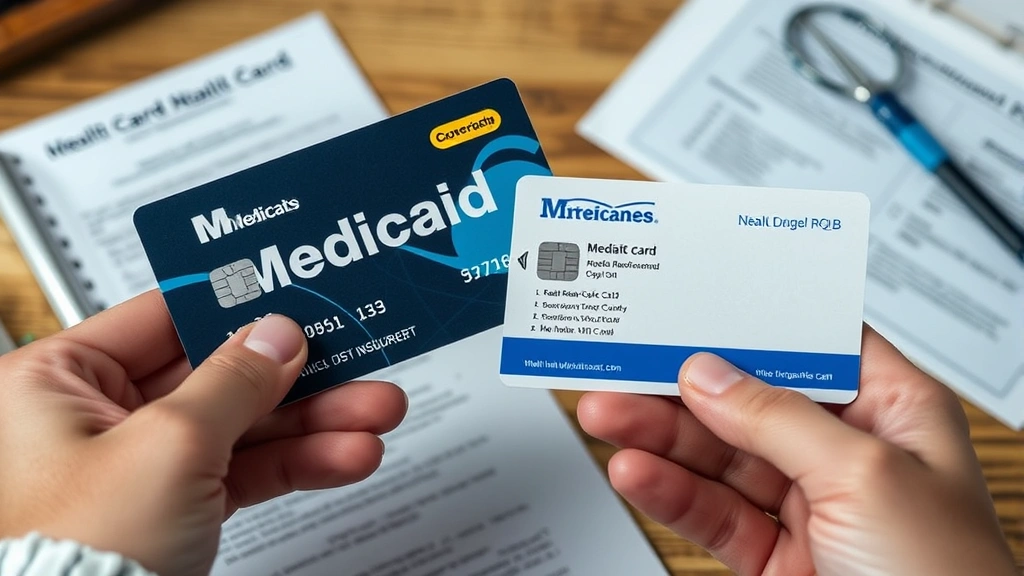
How to Cancel Medicaid: Step-by-Step Guide
Medicaid is a vital healthcare program for millions of Americans, but circumstances change. Whether you’ve gained employment with health insurance benefits, experienced a significant life change, or simply need to explore other coverage options, understanding how to cancel Medicaid is an important part of managing your healthcare decisions. This comprehensive guide walks you through the cancellation process, helping you navigate state-specific requirements and avoid common pitfalls that could affect your coverage timeline.
Canceling Medicaid isn’t as straightforward as canceling other subscriptions like how to cancel Instacart subscription services. The process involves state-specific procedures, potential waiting periods, and documentation requirements. We’ll break down each step to ensure you handle your Medicaid cancellation properly and maintain continuous healthcare coverage if needed.

Understanding Medicaid and Your Coverage
Medicaid is a joint federal and state program that provides health insurance coverage to eligible low-income individuals and families. Unlike Medicare, which is federally administered, Medicaid operates under state administration with federal oversight, meaning eligibility requirements, benefits, and cancellation procedures vary significantly by state. Before initiating cancellation, you need a clear understanding of your current coverage status and what losing Medicaid means for your healthcare access.
Your Medicaid coverage includes doctor visits, hospital stays, prescription medications, preventive care, and emergency services. When you cancel Medicaid, you lose access to these covered services immediately unless you transition to alternative coverage. This is why timing your cancellation with a new insurance plan is crucial. Many states offer COBRA continuation coverage or special enrollment periods in qualified health plans through the Healthcare.gov marketplace to bridge coverage gaps.
Understanding your state’s specific Medicaid program is the first step. Some states operate traditional Medicaid, while others run managed care programs where your coverage is administered through private insurance companies. Your coverage documents should clearly indicate which type of program you’re enrolled in, and this information will be important when you contact your state agency.
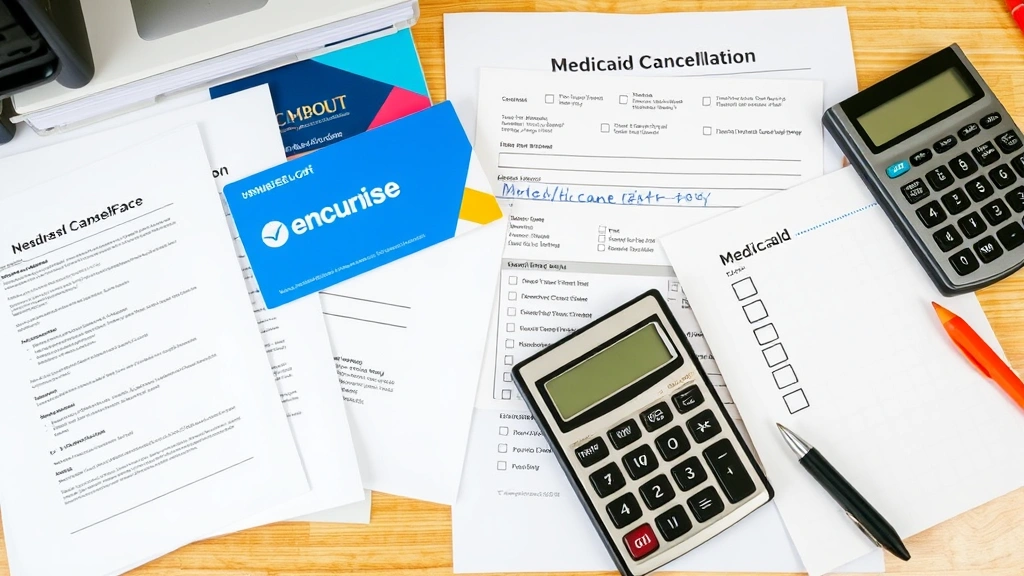
Reasons You Might Cancel Medicaid
Common reasons for canceling Medicaid include gaining employment with employer-sponsored health insurance, experiencing income changes that exceed Medicaid eligibility limits, qualifying for Medicare, moving to another state with different eligibility criteria, or choosing alternative coverage options. Each situation requires different timing considerations and documentation.
If you’re gaining employer insurance, you may want to coordinate your Medicaid cancellation with your new plan’s effective date to avoid coverage gaps. Income increases might make you ineligible for Medicaid, requiring cancellation even if you don’t have alternative coverage lined up immediately. For those approaching retirement age, transitioning from Medicaid to Medicare requires careful coordination to ensure benefits don’t lapse.
Some individuals cancel Medicaid to enroll in private health plans through the marketplace or to pursue DIY Nests Hub Blog resources about managing your own healthcare decisions. Whatever your reason, documenting it clearly helps your state agency process your request efficiently and prevents accidental termination due to administrative errors.
Step-by-Step Cancellation Process
Step 1: Verify Your Eligibility for Alternative Coverage Before canceling, confirm you have alternative health insurance in place or understand your options. Contact your new insurance provider to verify your effective date. If you don’t have coverage lined up, explore marketplace options at Healthcare.gov or your state’s health insurance exchange. This prevents the stress of being uninsured while your cancellation processes.
Step 2: Gather Required Documentation Collect your Medicaid card, identification documents, and any letters from your state Medicaid agency. Have information about your new insurance ready, including policy numbers and effective dates. If your cancellation is due to income changes, gather recent pay stubs or employment verification. Documentation requirements vary by state, so check your state’s specific requirements on their Medicaid website.
Step 3: Contact Your State Medicaid Agency Locate your state’s Medicaid office contact information. Most states provide phone numbers, online portals, and mailing addresses on their official Medicaid websites. When you call, have your Medicaid number ready and be prepared to explain your reason for cancellation. Many states now offer online portals where you can request cancellation directly. The official Medicaid.gov website provides links to each state’s program.
Step 4: Submit Your Cancellation Request You can typically cancel Medicaid through phone, mail, email, or online portal, depending on your state. Phone is usually fastest, allowing you to confirm details immediately. If you mail your request, send it certified mail with return receipt requested to document delivery. Include your Medicaid number, name, date of birth, signature, and requested cancellation date. Keep copies of everything you submit.
Step 5: Request Written Confirmation Ask your state agency for written confirmation of your cancellation date. This documentation is crucial if billing issues arise later or if your new insurance company questions your previous coverage. Request a final Explanation of Benefits showing your coverage end date. This prevents disputes about when your coverage actually terminated.
State-Specific Procedures
Each state operates its Medicaid program differently, with varying cancellation procedures and timelines. California’s Medicaid program (Medi-Cal) allows online cancellation through their website or phone cancellation at 1-888-747-1222. New York requires requests through their ACCESS system or by mail. Texas uses the HHSC portal for online cancellation. These variations mean you must research your specific state’s process rather than assuming a one-size-fits-all approach.
Some states process cancellations immediately upon request, while others implement them at the end of the current month or after a processing period. Understanding your state’s timeline prevents accidental lapses in coverage. Visit Medicaid.gov’s state-by-state directory to find your state’s specific requirements and contact information. This resource provides official links to each state’s Medicaid program website where you’ll find authoritative cancellation procedures.
If you’re moving to another state, your cancellation timing becomes especially important. Some states allow you to maintain coverage through your move date if you’re relocating, while others terminate coverage when you leave. Contact both your current state and your new state’s Medicaid office to understand how your move affects your coverage and what documentation you need for the transition.
Important Documents and Information
Gather these essential documents before contacting your state Medicaid agency: your Medicaid identification card showing your member number and state, government-issued photo identification, proof of citizenship or immigration status, proof of income (recent pay stubs or tax returns), and proof of your new insurance coverage if applicable. Having these documents organized streamlines your cancellation request and prevents delays.
You’ll also need information about your new health plan, including the policy number, group number, effective date, and carrier contact information. If you’re canceling due to income changes, have documentation showing your new income level. For employment-based cancellations, an offer letter or benefits enrollment confirmation helps explain your situation to the Medicaid office.
Request and keep copies of all communications with your state Medicaid agency. Take notes during phone calls including the date, time, representative’s name, and what was discussed. If you submit cancellation requests by mail or email, keep confirmation receipts. This documentation protects you if disputes arise about when your coverage actually ended or if billing problems occur later.
Protecting Your Coverage During Transition
The transition period between canceling Medicaid and starting new coverage requires careful planning. Coordinate your cancellation date to align with your new plan’s effective date. If your new insurance starts on the 15th of the month, request your Medicaid cancellation for that same date. This prevents gaps where you’re uninsured and ensures continuous coverage.
If you have prescriptions, schedule refills before your Medicaid cancellation takes effect. Some medications have supply limits, and running out during a coverage gap creates serious health risks. Contact your pharmacy to understand your prescription coverage under your new plan and time refills accordingly. For ongoing treatments or specialist appointments, schedule them before your Medicaid ends or confirm your new insurance covers your current providers.
Consider COBRA continuation coverage if you’re losing Medicaid due to employment changes. While COBRA can be expensive, it provides continuation of your current coverage for up to 18 months, which may bridge gaps until you’re eligible for employer coverage. Check if your state offers transition programs for individuals moving from Medicaid to marketplace plans. Many states provide cost assistance for the first months of marketplace coverage.
Common Mistakes to Avoid
Canceling Without Alternative Coverage Never cancel Medicaid without confirmed alternative coverage in place or a clear understanding of your options. Being uninsured creates financial and health risks. Even if you’re moving to another state, maintain coverage during the transition by timing your cancellation with your new state’s Medicaid approval or marketplace plan effective date.
Missing State-Specific Deadlines Some states have specific deadlines for cancellation requests or require requests during certain periods. Missing these deadlines could delay your cancellation or result in additional months of coverage you don’t want. Research your state’s requirements thoroughly before submitting your request.
Failing to Document the Cancellation Without written confirmation, disputes can arise about when your coverage actually ended. This affects billing for services rendered after cancellation and could impact your credit if claims are sent after your coverage date. Always request and keep written confirmation of your cancellation.
Not Updating Provider Information Your doctors and hospitals need to know your coverage has changed. Update your insurance information with all your healthcare providers to prevent billing confusion. Provide them with your new insurance details so claims are submitted to the correct carrier.
Overlooking Dependent Coverage If dependents are covered under your Medicaid, they must also be canceled or transferred appropriately. Don’t assume dependents will automatically move to new coverage. Handle dependent cancellations separately if necessary and ensure they have continuous coverage.
Ignoring Renewal Notices After requesting cancellation, you may still receive Medicaid renewal notices or bills. Don’t ignore these. Contact your state agency immediately to confirm your cancellation was processed. Sometimes administrative errors result in continued billing even after cancellation requests.
Managing your healthcare coverage transitions requires the same attention to detail you’d give to other important administrative tasks. Just as understanding how to cancel Gold’s Gym membership involves specific steps and timing, Medicaid cancellation demands careful planning and documentation to protect your health and financial interests.
FAQ
How long does it take to cancel Medicaid?
Cancellation timelines vary by state. Some states process cancellations immediately, while others implement them at the end of the current month or after a 10-30 day processing period. Contact your state agency for specific timing information. Request an effective cancellation date that aligns with your new insurance coverage.
Can I cancel Medicaid online?
Many states offer online cancellation through their Medicaid portals or state benefits websites. Check your state’s Medicaid website for online options. If online cancellation isn’t available, you can cancel by phone or mail. Phone cancellation is typically fastest and allows you to confirm details immediately.
What happens if I cancel Medicaid and then need it again?
You can reapply for Medicaid at any time. However, the reapplication process takes time, and you must meet current eligibility requirements. There’s no automatic reinstatement. If you think you might need Medicaid again, carefully consider whether cancellation is the right choice or if you should maintain coverage while exploring other options.
Will canceling Medicaid affect my credit?
Canceling Medicaid itself doesn’t affect your credit. However, unpaid medical bills from before or after cancellation can impact your credit if they’re sent to collections. Ensure all outstanding bills are resolved before cancellation and monitor your credit for any unexpected medical debt collections after coverage ends.
Can I cancel Medicaid for one family member but keep it for others?
Yes, Medicaid cancellation is handled individually. Each family member’s coverage can be canceled separately based on their own circumstances. Contact your state agency to cancel coverage for specific individuals while maintaining coverage for others in your household.
What if my state denies my cancellation request?
States cannot deny cancellation requests from eligible individuals. If your state refuses to process your cancellation, contact their appeals department or your state’s health insurance ombudsman. You have the right to cancel Medicaid coverage. If you encounter resistance, escalate your request through official channels or contact your state’s attorney general’s office for consumer protection assistance.
Do I need to return my Medicaid card?
Most states don’t require you to physically return your Medicaid card, but you should destroy it after cancellation to prevent fraudulent use. Some states provide instructions for card return in their cancellation confirmation. Follow your state’s specific guidance to ensure proper card disposal.
What if I made a mistake and want to cancel my cancellation request?
Contact your state Medicaid agency immediately if you want to withdraw a cancellation request. The sooner you notify them, the more likely they can stop the cancellation process. If your cancellation has already been processed, you’ll need to reapply for Medicaid through the normal application process. Time is critical in these situations.


