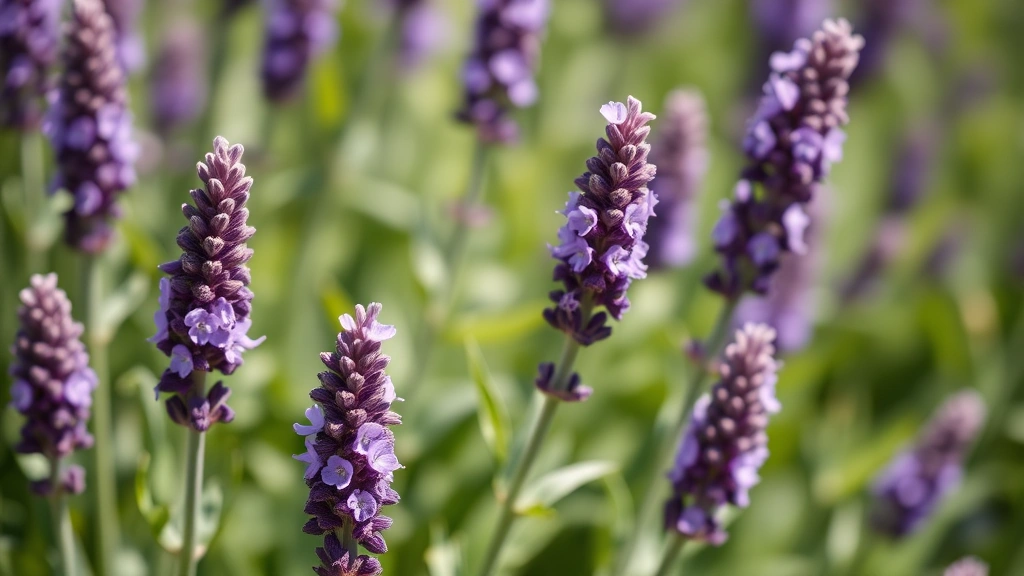
Lavender Care Tips: Gardener-Approved Methods for Thriving Plants
Lavender is one of the most rewarding plants to grow, whether you’re cultivating it in a Mediterranean-style garden, a cottage landscape, or even containers on your patio. With its fragrant purple blooms, silvery-green foliage, and remarkable resilience, lavender has earned its place as a favorite among both novice and experienced gardeners. However, growing healthy, vibrant lavender requires understanding its specific needs and providing consistent care throughout the growing season.
This comprehensive guide covers everything you need to know about how to care for lavender, from soil preparation and watering schedules to pruning techniques and pest management. Whether you’re starting from seeds, transplants, or established plants, these gardener-approved methods will help you achieve spectacular blooms and maintain vigorous plants year after year. We’ll explore the environmental conditions lavender thrives in, common mistakes to avoid, and practical solutions for keeping your plants healthy and productive.
Understanding Lavender Varieties and Growing Requirements
Before diving into specific care techniques, it’s essential to understand that not all lavender is created equal. The three main types of lavender—English lavender (Lavandula angustifolia), French lavender (Lavandula stoechas), and Spanish lavender (Lavandula latifolia)—have slightly different growing requirements and hardiness levels. English lavender is the most cold-hardy variety, capable of surviving winters in USDA zones 5-9, making it ideal for gardeners in northern climates. French and Spanish varieties prefer warmer conditions and thrive best in zones 8-11.
English lavender typically reaches 12-24 inches in height and produces elongated flower spikes in shades of purple, pink, or white. French lavender grows slightly more compact at 12-18 inches and features distinctive pom-pom-like flower clusters with colorful bracts. Spanish lavender is the tallest variety, reaching up to 3 feet, with unique flower formations. Understanding your specific variety will help you set appropriate expectations for height, bloom time, and hardiness. If you’re interested in companion planting strategies, check out our guide on DIY Pallet Projects: Creative Ideas for Your Home and Garden, which includes garden design concepts that pair beautifully with lavender displays.
Lavender is naturally adapted to Mediterranean climates, meaning it evolved to thrive in conditions with hot, dry summers and mild winters. This heritage is crucial to understanding lavender care—the plant is inherently drought-tolerant and actually prefers lean, well-drained soil to rich, heavily amended beds. Many gardeners make the mistake of over-nurturing their lavender, providing too much water and nutrients, which leads to weak, leggy growth and reduced flowering. The key to success is creating growing conditions that mimic the plant’s natural Mediterranean habitat.
Soil Preparation and Drainage Essentials
Proper soil preparation is absolutely foundational to lavender success. Unlike many ornamental plants that benefit from rich, organic-heavy soil, lavender demands excellent drainage above all else. The plant’s roots are susceptible to rot in wet, compacted soils, and this is the leading cause of lavender decline in home gardens. Before planting, assess your soil’s drainage capacity by digging a hole about 12 inches deep, filling it with water, and observing how quickly it drains. Ideally, water should drain within 24 hours.
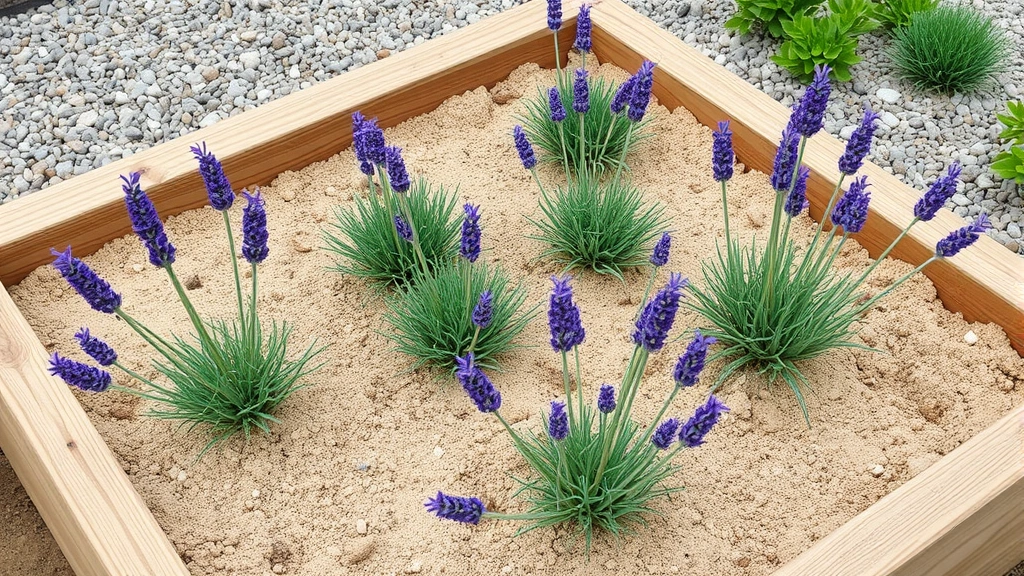
If you have heavy clay soil or poor drainage, you have several options. The simplest approach is to amend your planting area with coarse sand, perlite, or gravel—aim for a 50/50 mix of native soil and drainage amendment. Alternatively, create raised beds filled with a well-draining soil mixture specifically formulated for Mediterranean plants. A recommended soil blend includes 40% quality garden soil, 30% coarse sand or perlite, and 30% compost or aged bark. The pH should be slightly alkaline to neutral (7.0-8.0), though lavender is quite adaptable to a range of pH levels.
When planting lavender, position the crown (where stems meet the roots) slightly above the soil surface rather than burying it. This prevents moisture from collecting around the base, which can lead to rot. Space plants 18-24 inches apart to allow for mature spread and ensure good air circulation around the foliage. Apply a thin mulch layer of gravel or coarse sand around the plant base, keeping it a few inches away from the stems. This mulch helps maintain drainage while providing a finished appearance that complements lavender’s Mediterranean aesthetic.
Watering and Moisture Management
One of the most critical aspects of lavender plant care is establishing proper watering practices. Once established, lavender is remarkably drought-tolerant and requires minimal supplemental watering. In fact, overwatering is the primary reason lavender plants fail in home gardens. During the first growing season, newly planted lavender needs regular watering to establish a deep root system—water deeply but infrequently, aiming for about 1 inch per week through rain or irrigation.
After the first year, reduce watering frequency significantly. Mature lavender plants typically need water only during extended dry periods exceeding three weeks without rain. In most climates, natural rainfall provides sufficient moisture. When you do water, apply water at the soil level rather than overhead—wet foliage encourages fungal diseases and creates conditions for rot. Use drip irrigation or soaker hoses if possible, allowing water to penetrate deeply into the root zone.
The best approach to determining when to water is the finger test: insert your finger 2 inches into the soil. If it feels dry at that depth, watering is appropriate. If it still feels moist, wait another few days before checking again. During winter dormancy, lavender requires virtually no supplemental water. In fact, consistent moisture during cold months is more likely to cause damage than benefit. If you live in a region with frequent winter rain, ensure your drainage is exceptional to prevent waterlogging during this vulnerable period.
Sunlight and Temperature Conditions
Lavender is a sun-worshipping plant that demands full sunlight to produce abundant blooms and develop strong, compact growth. Plant lavender in locations receiving at least 6-8 hours of direct sunlight daily; 8 or more hours is ideal for maximum flowering. In extremely hot climates (zones 10-11), afternoon shade can prevent heat stress, but most gardeners should prioritize maximum sun exposure.
Beyond sunlight, temperature consistency matters for lavender health. English lavender hardy varieties tolerate temperatures down to -10°F (-23°C) when properly established, but extreme temperature fluctuations in spring can damage new growth. Avoid planting lavender in low-lying areas prone to frost pockets, where cold air settles and temperatures drop further than surrounding areas. Similarly, ensure good air circulation around plants to prevent frost damage and fungal issues.
In hot climates, lavender actually benefits from improved air movement, which helps dry foliage quickly after rain or irrigation. If you’re planning a comprehensive garden renovation, our DIY Basement Finishing: A Complete Guide discusses creating functional outdoor spaces that could include dedicated lavender-growing zones with proper sun exposure and airflow.
Pruning Techniques for Optimal Growth
Proper pruning is essential for maintaining attractive, productive lavender plants. Unlike some perennials that require minimal intervention, lavender benefits significantly from regular pruning that promotes dense growth, prevents woodiness, and encourages abundant flowering. The timing and technique of pruning directly impact plant longevity and appearance.
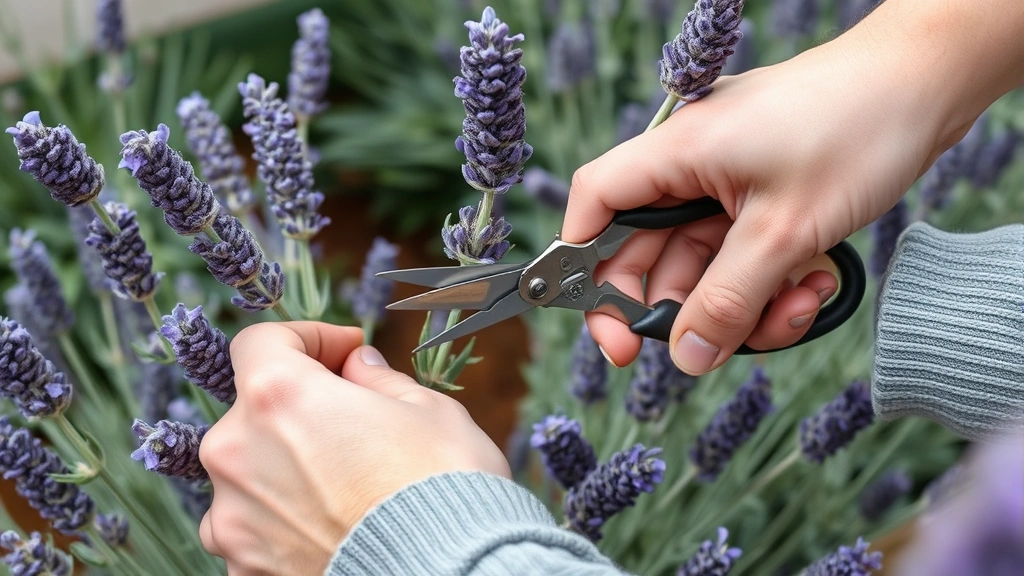
The primary pruning window occurs in spring, just as new growth emerges and before flowering begins. Using sharp pruning shears, remove approximately one-third of the plant’s height, cutting back into the green foliage but avoiding cutting into bare wood. This spring pruning rejuvenates the plant, removes any winter damage, and encourages branching for a fuller plant with more flower stems. Make cuts at a slight angle just above a leaf node, and always sterilize pruning tools between cuts to prevent disease transmission.
After flowering concludes (typically mid to late summer), perform a second, lighter pruning. Remove spent flower spikes by cutting just below the lowest flowers, cutting back to the nearest set of healthy leaves. This deadheading removes seed heads, tidies the plant’s appearance, and often encourages a second flush of blooms in late summer or early fall. Never prune lavender in fall or early winter, as this stimulates tender new growth vulnerable to frost damage.
For older, overgrown lavender plants that have become woody and sparse, more aggressive rejuvenation pruning is possible but risky. Cut the entire plant back to 6-8 inches from the ground in early spring, leaving some green foliage if possible. This severe pruning often revitalizes old plants, but there’s a chance the plant won’t recover. Always have a contingency plan, such as propagating cuttings from the plant before attempting drastic pruning.
Fertilizing Your Lavender Plants
Unlike many ornamental plants, lavender thrives in lean soil conditions and actually performs poorly in heavily fertilized beds. Excessive nitrogen promotes soft, vegetative growth at the expense of flowers, resulting in a plant that’s more foliage than blooms. Most established lavender plants require no supplemental fertilization whatsoever, especially if planted in well-prepared soil.
For newly planted lavender, a light application of balanced, slow-release fertilizer (such as 10-10-10 NPK) at planting time provides a gentle nutrient boost to support establishment. After the first year, discontinue fertilization entirely. If your lavender appears weak or yellowed despite proper care, a soil test is warranted before adding fertilizer. Yellowing often indicates drainage problems rather than nutrient deficiency.
In extremely poor or depleted soils, a light application of balanced fertilizer in early spring (diluted to half strength) can support growth, but this should be the exception rather than the norm. Always err on the side of under-fertilizing rather than over-fertilizing. If you’re building garden infrastructure and want to incorporate raised beds for optimal soil control, check out our comprehensive guide on DIY Pallet Projects: Creative Ideas for Your Home and Garden, which includes strategies for creating customized growing beds.
Pest and Disease Management
Lavender is remarkably pest and disease-resistant when grown in appropriate conditions. Its aromatic oils naturally repel many common garden pests, and the plant’s cultural requirements (excellent drainage, full sun, good air circulation) create an environment where diseases rarely establish. However, several issues can occur under suboptimal conditions.
Root Rot: The most serious threat to lavender is root rot, caused by fungal pathogens in overly wet soil. Prevention is far easier than treatment—ensure excellent drainage and avoid overwatering. If root rot develops, there’s limited treatment available; severely affected plants are usually better removed and replaced.
Powdery Mildew: In humid climates with poor air circulation, powdery mildew can develop on lavender foliage. Improve air circulation by spacing plants appropriately, pruning selectively to open the canopy, and avoiding overhead watering. If mildew appears, remove affected foliage and apply sulfur dust or neem oil according to product directions.
Spider Mites: In very hot, dry conditions, spider mites occasionally colonize lavender. These tiny pests cause stippled, yellowed foliage. Increase humidity by misting plants in early morning, prune heavily infested portions, and apply insecticidal soap or horticultural oil if populations are severe.
Leafhoppers and Aphids: These sap-sucking insects occasionally appear but rarely cause significant damage to established lavender. Strong water spray from a hose dislodges most pests. Insecticidal soap works for heavy infestations.
The best disease management strategy is cultural: plant lavender in full sun, ensure excellent drainage, space plants appropriately for air circulation, water at soil level rather than overhead, and maintain a regular pruning schedule. These practices create an environment where lavender naturally thrives and pests and diseases rarely establish.
Propagation Methods
Propagating lavender allows you to expand your garden, share plants with fellow gardeners, or replace aging plants. Lavender can be propagated from seed, though some cultivars won’t breed true to type. More reliable is propagation from cuttings, which produces genetically identical plants that flower identically to the parent plant.
Seed Propagation: Lavender seeds require cold stratification (a period of moist, cold conditions) to germinate. In fall, sow seeds in a seed tray filled with well-draining seed-starting mix, water gently, and place the tray in a cold frame or unheated garage for 4-6 weeks. In early spring, move trays to a warm, bright location. Seeds typically germinate within 14-21 days at 65-70°F. Seedlings develop slowly and usually won’t flower until their second year.
Cutting Propagation: This is the preferred method for most gardeners. In late spring or early summer, take 2-3 inch softwood cuttings from new green growth. Remove the lower leaves, dip the cut end in rooting hormone powder, and insert cuttings into moist perlite or a 50/50 mix of perlite and peat moss. Cover the container with a clear plastic dome or bag to maintain humidity, and place in bright, indirect light. Rooting typically occurs within 3-4 weeks. Once rooted, gradually acclimate cuttings to lower humidity before transplanting into individual pots with well-draining soil.
Seasonal Care Calendar
Understanding seasonal care needs helps you provide appropriate maintenance throughout the year. Here’s a month-by-month overview of lavender care priorities.
Spring (March-May): As new growth emerges, perform your primary pruning, removing approximately one-third of the plant’s height. Apply a thin layer of gravel mulch if needed. Begin a regular watering schedule for newly planted lavender. Watch for new pest or disease issues and address promptly. Divide established plants if desired, or take softwood cuttings for propagation.
Summer (June-August): This is peak bloom season. Enjoy the flowers and fragrance, and harvest blooms for fresh or dried use. Water newly planted lavender regularly but established plants minimally. Perform deadheading after flowering to encourage additional blooms and maintain plant appearance. Monitor for spider mites in very hot, dry conditions.
Fall (September-November): Reduce watering as temperatures cool. Resist the urge to prune in fall, as this stimulates tender new growth. Allow seedheads to remain on plants if desired for visual interest and to support pollinators. Stop fertilizing entirely. In cold climates, apply winter mulch in late fall after the ground freezes to prevent frost heave damage.
Winter (December-February): In cold climates, established lavender is dormant and requires no active care. Ensure drainage remains excellent to prevent waterlogging in winter rains or snow melt. In mild climates, lavender may continue growing slowly; provide minimal water and no fertilizer. Avoid pruning or disturbing plants during this vulnerable period.
FAQ
How often should I water my lavender plant?
Newly planted lavender needs consistent watering (about 1 inch per week) during its first growing season to establish roots. Once established (after year one), mature lavender is drought-tolerant and rarely needs supplemental water except during extended dry periods exceeding three weeks. Use the finger test: water only when the soil is dry 2 inches below the surface.
Can lavender grow in shade?
Lavender requires at least 6-8 hours of direct sunlight daily to thrive and produce abundant blooms. While lavender can survive in partial shade, flowering will be reduced and growth may become leggy. For best results, plant lavender in locations receiving full sun throughout the day.
What’s the best time to prune lavender?
Perform primary pruning in spring as new growth emerges, removing approximately one-third of the plant’s height. After flowering, perform light deadheading pruning. Never prune in fall or early winter, as this stimulates tender growth vulnerable to frost damage.
Why is my lavender turning yellow and dying?
Yellowing lavender typically indicates poor drainage or overwatering rather than nutrient deficiency. Check soil moisture and ensure water drains quickly. If soil stays wet, amend with sand or perlite to improve drainage. Reduce watering frequency significantly—lavender prefers dry conditions.
How do I propagate lavender from cuttings?
Take 2-3 inch softwood cuttings from new green growth in late spring or early summer. Remove lower leaves, dip in rooting hormone, and insert into moist perlite. Cover with plastic to maintain humidity and place in bright, indirect light. Roots develop in 3-4 weeks; gradually acclimate to lower humidity before transplanting.
Is lavender toxic to pets?
While lavender is generally safe for dogs and cats, concentrated essential oils can cause digestive upset if ingested in large quantities. Fresh lavender plants are less likely to cause problems than essential oils or dried products. If your pet ingests significant amounts, contact your veterinarian.
Can I grow lavender indoors?
Lavender can be grown indoors in containers near a bright, sunny window, though it typically doesn’t thrive as well as outdoor plants. Provide excellent drainage, minimal watering, and ensure good air circulation. Indoor lavender may not flower as abundantly as outdoor specimens.
Mastering how to care for lavender isn’t complicated—it primarily requires understanding the plant’s Mediterranean heritage and providing conditions that mimic its natural habitat. By prioritizing excellent drainage, full sun exposure, minimal watering, and appropriate pruning, you’ll enjoy healthy, vibrant lavender plants that produce abundant fragrant blooms year after year. Start with these gardener-approved methods, observe how your plants respond, and adjust your care routine based on your specific climate and growing conditions. With patience and attention to these fundamentals, you’ll develop the confidence to grow lavender successfully and perhaps expand your collection to fill your garden with this beloved Mediterranean treasure.


