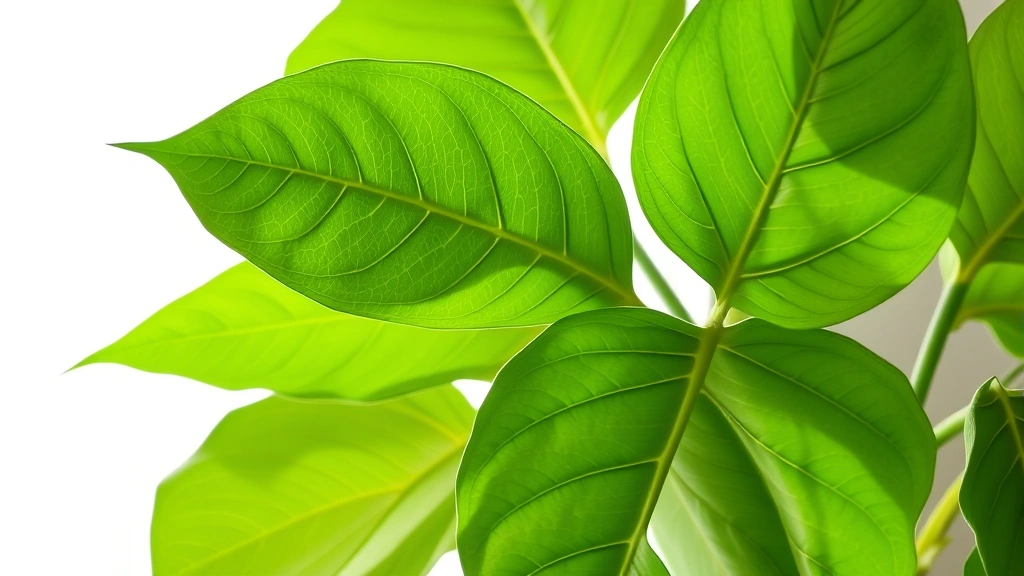
Fiddle Leaf Fig Care Tips: Gardener’s Guide
The fiddle leaf fig (Ficus lyrata) has become one of the most coveted houseplants for interior design enthusiasts and plant parents alike. With its striking, violin-shaped leaves and impressive height potential, this tropical beauty can transform any living space into a botanical sanctuary. However, despite its stunning appearance, the fiddle leaf fig has earned a reputation for being somewhat finicky, requiring specific conditions to thrive indoors.
Whether you’re a seasoned gardener looking to expand your collection or a beginner eager to master plant care, understanding the essential requirements of the fiddle leaf fig is crucial for success. This comprehensive guide walks you through every aspect of fiddle leaf fig maintenance, from optimal lighting conditions to troubleshooting common problems. By following these proven strategies, you’ll be well-equipped to keep your fiddle leaf fig healthy, vibrant, and growing for years to come.
Light Requirements and Placement
Light is perhaps the most critical factor in how to care for fiddle leaf fig plants successfully. These tropical natives thrive in bright, indirect light conditions that mimic their natural rainforest habitat. Ideally, your fiddle leaf fig should receive at least 6-8 hours of bright, filtered light daily. A location near an east or west-facing window typically provides the perfect balance of illumination without exposing the plant to harsh, direct afternoon sun that can scorch the delicate leaves.
The positioning of your fiddle leaf fig within your home matters significantly. Place the plant near a window with sheer curtains that diffuse direct sunlight, or position it a few feet away from the glass pane where it receives ambient light throughout the day. South-facing windows can work, but only if you provide shade during peak afternoon hours. If your home lacks sufficient natural light, consider supplementing with a full-spectrum grow light positioned 12-18 inches above the plant.
One common mistake is moving your fiddle leaf fig frequently. These plants appreciate consistency and can experience leaf drop when relocated suddenly. Once you’ve found an ideal spot with adequate light, resist the urge to relocate it unless absolutely necessary. If you must move your plant, do so gradually, introducing it to new lighting conditions over several days to prevent shock.
Watering Schedule and Soil Moisture
Proper watering is essential for maintaining a healthy fiddle leaf fig, yet it’s where many plant parents struggle. The key is finding the right balance—not too wet, not too dry. Unlike some houseplants that prefer consistently moist soil, fiddle leaf figs prefer to dry out slightly between waterings. Water your plant thoroughly when the top inch of soil feels dry to the touch, typically every 7-10 days depending on your home’s temperature and humidity levels.
When watering, use room-temperature water and water until it drains freely from the drainage holes at the bottom of the pot. This ensures thorough hydration of the entire root system. However, never allow your plant to sit in standing water, as this promotes root rot—a serious condition that can quickly kill your fiddle leaf fig. Always empty the saucer or cache pot after watering to prevent waterlogging.
Seasonal variations affect watering frequency significantly. During the growing season (spring and summer), your plant will need more frequent watering as it actively produces new growth. Conversely, in fall and winter when growth slows, reduce watering frequency. Many gardeners find it helpful to use the finger test: insert your finger about an inch into the soil; if it feels dry, it’s time to water.
Water quality matters too. If your tap water is heavily chlorinated or contains high mineral content, consider using filtered water or allowing tap water to sit overnight before using it. Some plant enthusiasts prefer distilled water to avoid mineral accumulation in the soil.
Soil Conditions and Potting
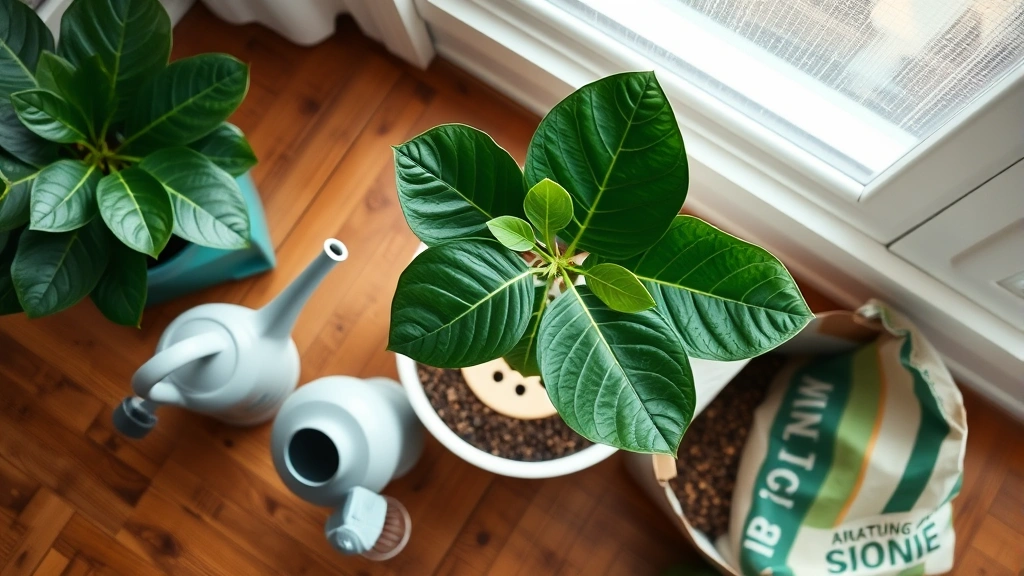
The soil you choose directly impacts your fiddle leaf fig’s ability to absorb nutrients and maintain proper moisture levels. This plant requires well-draining, high-quality potting soil that prevents water from pooling around the roots. A mixture combining regular potting soil, perlite, and orchid bark in a 2:1:1 ratio creates an ideal growing medium that balances moisture retention with excellent drainage.
When potting your fiddle leaf fig, select a container with drainage holes—this is non-negotiable. The pot should be only slightly larger than the root ball, typically 1-2 inches larger in diameter than the current pot. Oversized containers hold excess moisture, increasing the risk of root rot. Terracotta pots offer excellent drainage but dry out quickly, while plastic pots retain moisture longer. Choose based on your watering habits and home environment.
Repotting becomes necessary every 12-18 months or when roots begin emerging from drainage holes. Spring is the ideal time for repotting, as your plant is entering its active growth phase. Gently remove the plant from its current pot, loosen the root ball slightly, and transfer it to fresh soil in the new container. Water thoroughly after repotting and hold off on fertilizing for 4-6 weeks to allow the plant to adjust.
Soil pH should ideally range from 6.0 to 7.0 (slightly acidic to neutral). Most quality potting soils fall within this range, but if you’re mixing your own soil, monitor pH levels periodically. Amending your potting mix with peat moss alternatives or coconut coir improves water retention while maintaining adequate drainage.
Temperature and Humidity Control
As a tropical plant, your fiddle leaf fig thrives in warm, humid conditions. Maintain temperatures between 65-75°F (18-24°C) for optimal growth. Temperatures below 50°F can shock the plant and cause leaf drop, so keep your fig away from cold windows, air conditioning vents, and drafty doors during winter months. Sudden temperature fluctuations stress the plant, so avoid placing it near heating systems that cycle on and off frequently.
Humidity is equally important for fiddle leaf fig health. In their natural tropical habitat, these plants experience high humidity levels that support lush foliage. Most homes maintain humidity levels of 30-40%, which is lower than ideal for fiddle leaf figs. Increase humidity by misting the leaves with water 2-3 times weekly, placing a humidifier nearby, or grouping your plant with other houseplants to create a microclimate with elevated moisture.
Another effective humidity-boosting technique involves placing your pot on a pebble tray filled with water. As the water evaporates, it creates a humid microenvironment around the plant. Ensure the pot sits on the pebbles rather than directly in water to prevent root saturation. For those serious about plant care, investing in a digital hygrometer helps monitor humidity levels and guides adjustments to your care routine.
Feeding and Fertilizing Your Plant
Fiddle leaf figs are moderate feeders that benefit from regular fertilization during the growing season. From spring through early fall, apply a balanced, water-soluble fertilizer every 4-6 weeks. A formula with equal nitrogen, phosphorus, and potassium (such as 10-10-10) supports healthy foliage and overall plant development. During winter months when growth slows significantly, reduce feeding to once every 8-10 weeks or eliminate it entirely.
When applying fertilizer, always follow package instructions carefully and dilute to half strength to avoid nutrient burn, which can damage the roots and foliage. Apply fertilizer only to moist soil, never to dry roots, as this concentrates the solution and can cause damage. Some gardeners prefer slow-release fertilizer pellets that gradually release nutrients over months, reducing the need for frequent applications.
Organic fertilizer options like fish emulsion or seaweed extract provide gentle nutrition while improving soil structure. These natural alternatives work more slowly than synthetic fertilizers but offer long-term benefits for soil health. Whichever fertilizer you choose, consistency matters more than strength—regular, moderate feeding produces better results than sporadic heavy applications.
Watch for signs of over-fertilization, including salt buildup on the soil surface, brown leaf tips, or yellowing foliage. If over-fertilization occurs, flush the soil thoroughly with water to remove excess salts. You might also consider choosing organic fertilizers that release nutrients slowly and reduce over-fertilization risk.
Pruning and Maintenance Techniques
Regular pruning keeps your fiddle leaf fig healthy, promotes bushier growth, and removes damaged or diseased foliage. Prune in spring or early summer when the plant is actively growing and can quickly recover from cuts. Remove any dead, diseased, or yellowing leaves by cutting them off at the base of the stem with clean, sharp pruning shears.
To encourage branching and a fuller appearance, prune the main stem just above a leaf node (the point where leaves emerge). This stimulates the plant to produce new growth from that location, creating a bushier silhouette rather than a single tall stem. For young plants, pinching off the growing tip encourages lateral branching from the beginning.
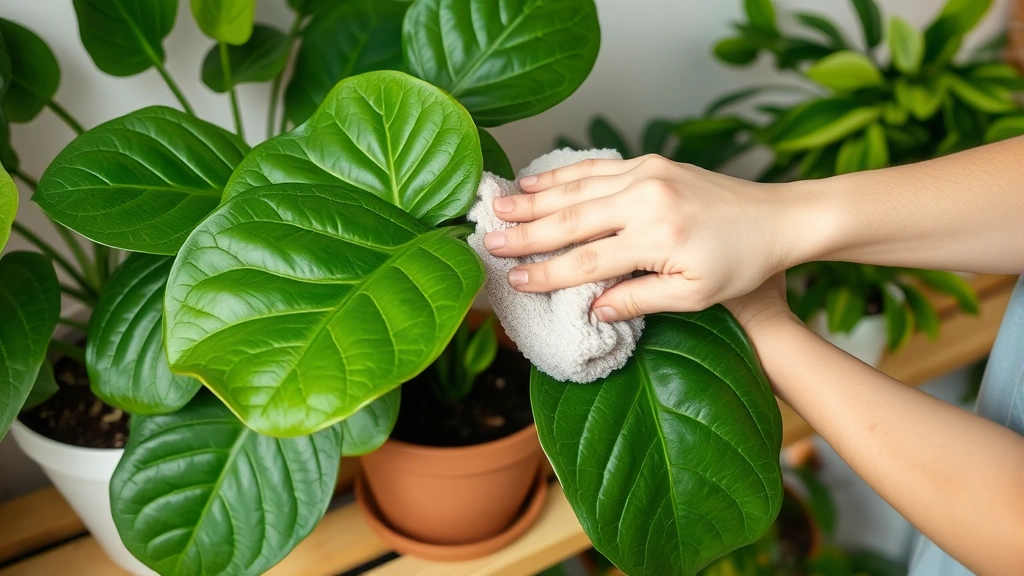
Maintaining clean foliage is often overlooked but crucial for plant health. Dust accumulates on large fiddle leaf fig leaves, reducing the plant’s ability to photosynthesize. Gently wipe leaves monthly with a soft, damp cloth or use a spray bottle with water and a tiny drop of mild dish soap. Avoid commercial leaf shine products, which can clog pores and damage the leaves.
Inspect your plant regularly for pests and diseases. Check the undersides of leaves where spider mites and mealybugs often hide. Early detection makes pest management significantly easier. If you notice sticky residue, tiny webs, or white cotton-like clusters on your plant, address the problem immediately by isolating the plant and treating it with insecticidal soap or neem oil.
Common Problems and Solutions
Despite your best efforts, fiddle leaf figs occasionally develop problems. Understanding common issues and their solutions helps you respond quickly and effectively. The most prevalent problem is leaf drop, often caused by overwatering, underwatering, sudden temperature changes, or low light conditions. Evaluate your care routine and environmental conditions to identify the culprit, then make gradual adjustments.
Brown or yellow leaf tips typically indicate low humidity, mineral buildup in the soil, or inconsistent watering. Increase humidity through misting or a humidifier, flush the soil if mineral buildup is suspected, and establish a more consistent watering routine. Brown spots with yellow halos may indicate a fungal infection, which requires isolating the plant and removing affected leaves.
Root rot is the most serious condition affecting fiddle leaf figs, usually resulting from overwatering or poor drainage. Signs include soft, mushy stems, foul-smelling soil, and rapid leaf drop. If caught early, unpot the plant, remove affected roots with clean tools, repot in fresh, dry soil, and reduce watering frequency. Severe cases may be irreversible, making prevention through proper watering practices essential.
Pest infestations, while less common than fungal issues, can occur indoors. Spider mites cause stippling on leaves and fine webbing, while mealybugs appear as white cotton-like clusters in leaf axils. Treat infestations by isolating the plant, spraying with EPA-approved neem oil or insecticidal soap, and repeating applications every 7-10 days until the infestation clears.
Propagation Methods
Once your fiddle leaf fig matures, you may want to propagate it to create new plants for your home or to share with friends. The most reliable method is air layering, though stem cuttings can also work with patience and proper technique. If you’re interested in expanding your plant collection, consider exploring similar species like how to care for bromeliads or how to care for begonias for diverse indoor gardening experiences.
Air Layering Method: Select a healthy stem and make two small cuts about an inch apart, removing a thin ring of bark. Wrap this section with moist sphagnum moss, then cover with plastic wrap to maintain moisture. Roots typically develop within 4-8 weeks. Once roots are visible, cut the stem below the root ball and pot it in fresh soil.
Stem Cutting Method: Take 5-6 inch cuttings from healthy stems, making cuts just below a node. Remove lower leaves and dip the cut end in rooting hormone powder. Plant the cutting in moist potting soil or water, maintaining high humidity. Rooting takes 4-6 weeks; once roots develop, transfer to potting soil. This method has lower success rates than air layering but requires less effort.
Propagation requires patience and consistent care. Keep cuttings in bright, indirect light and maintain high humidity to prevent drying out. Avoid overwatering, as excess moisture promotes rot before roots develop. Once established, treat new plants with the same care as mature fiddle leaf figs.
FAQ
How often should I water my fiddle leaf fig?
Water when the top inch of soil feels dry, typically every 7-10 days. Adjust frequency based on season, humidity, and temperature. During growing season (spring/summer), water more frequently; in winter, reduce watering.
Can fiddle leaf figs tolerate low light?
Fiddle leaf figs prefer bright, indirect light and struggle in low-light conditions. If your home lacks sufficient natural light, supplement with a full-spectrum grow light positioned 12-18 inches above the plant.
Why is my fiddle leaf fig dropping leaves?
Leaf drop results from multiple potential causes: overwatering, underwatering, cold temperatures, low light, or sudden environmental changes. Evaluate your care routine and make gradual adjustments to address the underlying issue.
What’s the best time to repot a fiddle leaf fig?
Spring is ideal for repotting, as your plant enters its active growth phase and can quickly establish in new soil. Repot every 12-18 months or when roots emerge from drainage holes.
How do I increase humidity for my fiddle leaf fig?
Mist leaves 2-3 times weekly, place a humidifier nearby, group plants together, or set the pot on a pebble tray filled with water. Aim for humidity levels above 50% for optimal growth.
Is fertilizer necessary for fiddle leaf figs?
Yes, regular feeding during growing season supports healthy growth. Apply balanced fertilizer every 4-6 weeks from spring through early fall, reducing frequency in winter months.
Can I propagate my fiddle leaf fig indoors?
Yes, air layering and stem cuttings both work indoors. Air layering has higher success rates, while stem cuttings are simpler but require more patience and careful humidity management.
For more plant care inspiration and comprehensive DIY guides, visit the DIY Nests Hub Blog where we cover everything from basement finishing projects to house painting techniques and even home security solutions.


