Check Transmission Fluid: Mechanic’s Simple Guide
Your transmission is one of the most critical systems in your vehicle, responsible for transferring power from the engine to the wheels efficiently. Transmission fluid serves as the lifeblood of this complex system, providing hydraulic pressure, cooling, lubrication, and protection against wear. Learning how to check your transmission fluid is an essential skill that can help you maintain your vehicle’s health, prevent costly repairs, and extend the lifespan of your transmission.
Unlike checking engine oil, which most car owners tackle regularly, transmission fluid checks often get overlooked. Many drivers don’t realize that monitoring transmission fluid levels and condition is just as important as routine oil changes. In fact, transmission problems can develop silently, and by the time you notice symptoms like slipping gears or delayed engagement, significant damage may have already occurred. By understanding how to properly check your transmission fluid, you’ll be taking a proactive approach to vehicle maintenance that can save you thousands of dollars in repair costs.

Why Transmission Fluid Matters
Transmission fluid is far more than just a lubricant. It’s a sophisticated blend of base oils, detergents, friction modifiers, and anti-wear additives designed to meet the demanding requirements of modern automatic or manual transmissions. The fluid performs multiple critical functions simultaneously, making its condition paramount to transmission longevity.
The primary role of transmission fluid is to provide hydraulic pressure that enables gear shifting and torque multiplication. Without adequate fluid pressure, your transmission cannot engage gears properly, leading to slipping, hesitation, or complete failure to shift. Additionally, transmission fluid dissipates heat generated by friction and mechanical stress within the transmission case. A well-maintained cooling system relies on transmission fluid to carry excess heat away from sensitive components.
When you change your oil regularly, you’re protecting your engine, but transmission fluid requires equal attention. The fluid also contains detergents that keep internal transmission components clean and prevent varnish buildup, which can cause valves to stick and pressure regulators to malfunction. As your vehicle accumulates miles, transmission fluid gradually degrades, losing its protective properties and becoming less effective at its multiple functions.
Tools and Materials You’ll Need
Before you begin checking your transmission fluid, gather the necessary tools and materials. Having everything prepared ensures a smooth, efficient process and reduces the risk of making mistakes that could damage your transmission or void your warranty. Most of these items are inexpensive and worth keeping in your vehicle maintenance kit.
- Transmission dipstick: Located in your engine bay, this tool measures fluid level and allows you to assess condition
- Clean lint-free cloth or paper towels: Essential for wiping the dipstick without leaving fibers in the fluid
- Transmission fluid of the correct type: Consult your owner’s manual for the specific fluid grade and specification your vehicle requires
- Funnel with a fine mesh screen: Prevents contamination when adding fluid
- Owner’s manual: Contains specific instructions for your vehicle model and the correct fluid specifications
- Safety glasses: Protects your eyes from splashes when working near the transmission
- Work gloves: Keeps your hands clean and provides grip security
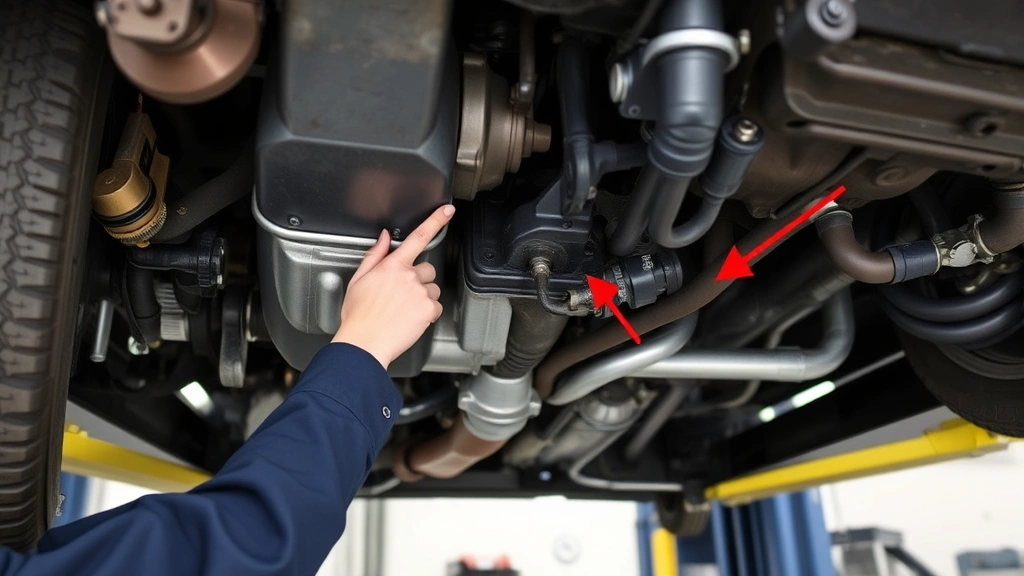
- Jack and jack stands (optional): May be needed for vehicles with difficult access to the transmission dipstick
Different vehicle manufacturers use different transmission fluid types. Your owner’s manual will specify whether your vehicle requires Dexron, Mercon, CVT fluid, or a manufacturer-specific blend. Using the wrong fluid type can cause transmission problems, so never substitute or mix fluid types without consulting your manual or a qualified mechanic.
Safety Precautions Before Starting
Safety should always be your first priority when working on any vehicle system. Transmission fluid can be extremely hot immediately after driving, and burns from hot fluid can cause serious injury. Additionally, transmission fluid is toxic if ingested and can cause skin irritation with prolonged contact. Taking proper safety precautions protects both you and your vehicle.
Always allow your engine to cool for at least five minutes before checking transmission fluid, but the transmission should still be warm when you check it. A warm transmission ensures the fluid has expanded to its normal operating volume, giving you an accurate reading. Never check transmission fluid immediately after highway driving or towing, as the fluid will be dangerously hot and measurements will be inaccurate.
Park your vehicle on a level surface and engage the parking brake firmly. If you must work beneath the vehicle, always use proper jack stands—never rely solely on a jack to support the vehicle. Wear safety glasses and gloves throughout the process. If you spill transmission fluid on your skin, wash it immediately with soap and water. Ensure proper ventilation in your work area, as transmission fluid fumes can be harmful in enclosed spaces.
Never leave the engine running while checking transmission fluid unless your vehicle’s specific instructions require it. Most modern vehicles ask you to check fluid with the engine off, but some automatics require the engine running. Check your owner’s manual to be certain. If your vehicle requires the engine running, position yourself safely away from moving engine components and keep your hands clear of the serpentine belt.
Step-by-Step Checking Process
Now that you understand the importance of transmission fluid and have gathered your tools, let’s walk through the actual checking process. Following these steps carefully will ensure you get an accurate reading and avoid contaminating your transmission fluid.
Step 1: Prepare Your Vehicle Park on a level surface and let the engine cool slightly. The transmission should be warm but not hot to the touch. If you’re unsure about the temperature, wait ten minutes after driving. Engage the parking brake and put the transmission in Park for automatic vehicles or Neutral for manual transmissions.
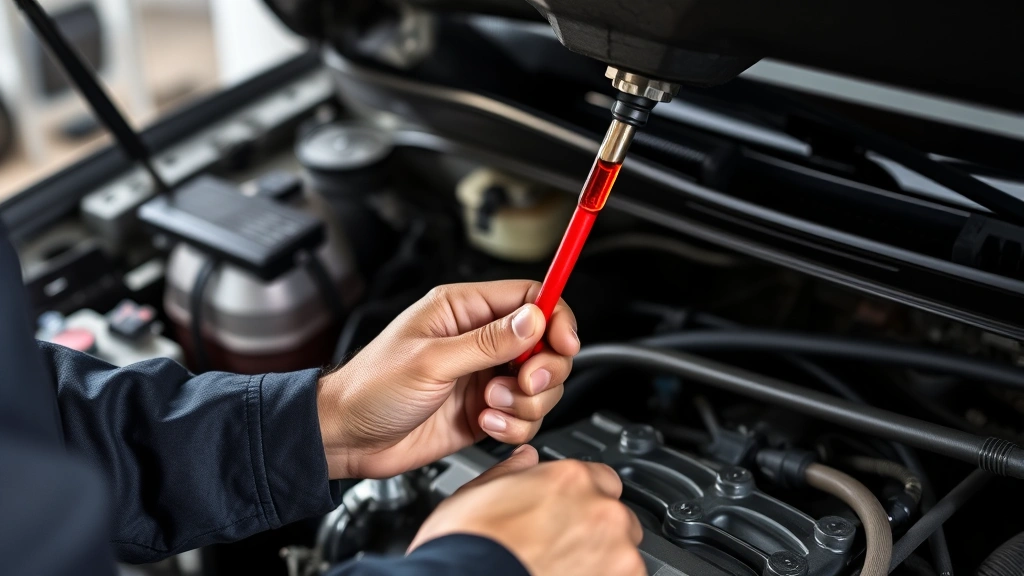
Step 2: Locate the Transmission Dipstick Open your hood and consult your owner’s manual to find the transmission dipstick. In most vehicles, it’s a yellow or red handle located near the back of the engine bay. Some dipsticks are clearly labeled with transmission symbols. If you cannot locate it, your vehicle may have a sealed transmission without a traditional dipstick—check your manual for alternative checking methods.
Step 3: Remove and Inspect the Dipstick Grasp the dipstick handle firmly and pull straight up with steady pressure. The stick may require some effort to remove if it’s been sealed for a long time. Once removed, wipe the dipstick completely clean using a lint-free cloth. Ensure no residual fluid remains on the stick, as this will give you an inaccurate reading.
Step 4: Reinsert and Remove Again Reinsert the dipstick slowly until it seats fully in its tube. You should feel it click or seat completely. Now remove it again slowly and carefully. This second removal gives you an accurate reading of the current fluid level. The dipstick will have minimum and maximum marks indicating the proper range.
Step 5: Check the Fluid Level Examine where the fluid reaches on the dipstick. It should fall between the minimum and maximum marks. If the level is below the minimum mark, your transmission is low on fluid and requires topping up. If it’s above the maximum mark, you have too much fluid, which can cause foaming and pressure problems.
Step 6: Assess Fluid Condition While the dipstick is out, examine the fluid’s color, smell, and consistency. Healthy transmission fluid should be bright red or pink, clear, and have a slightly sweet smell. Dark brown or black fluid, burnt smells, or visible particles indicate the fluid needs replacement. These signs suggest the fluid has broken down and lost its protective properties.
Understanding Transmission Fluid Color and Condition
The appearance and smell of your transmission fluid tell a story about your transmission’s health. Learning to interpret these signs helps you catch problems early before they become expensive repairs. Think of fluid condition assessment as a diagnostic tool that complements your mechanical understanding of vehicle maintenance.
Bright red or pink fluid indicates fresh, healthy transmission fluid in good condition. This is what you want to see. The fluid should be translucent enough that you can see the dipstick through it. A slight sweet smell is normal for transmission fluid, though different brands may have slightly different odors.
Dark red or brownish fluid suggests the fluid is aging and may need replacement soon. This color develops as additives break down and oxidation occurs. While not an emergency, you should plan to have the fluid serviced within the next few thousand miles. Check your vehicle’s maintenance schedule for recommended transmission fluid change intervals, which typically range from 30,000 to 100,000 miles depending on driving conditions.
Dark brown or black fluid indicates significant fluid degradation. This color means the fluid has lost most of its protective properties and should be replaced immediately. Driving with degraded fluid risks transmission damage, as the fluid cannot adequately protect against wear or dissipate heat properly. If you see this condition, schedule a transmission fluid service as soon as possible.
A burnt smell, similar to burnt plastic or rubber, indicates the transmission has been overheating. This could result from towing heavy loads, driving in stop-and-go traffic, or a malfunctioning cooling system. Burnt-smelling fluid should be evaluated by a professional, as overheating suggests an underlying problem that needs diagnosis.
Visible particles, cloudiness, or a milky appearance indicate water contamination or internal transmission damage. Never ignore these signs. Water in transmission fluid causes corrosion of internal components and reduces the fluid’s ability to lubricate. Milky appearance suggests coolant has mixed with transmission fluid, indicating a leak in the transmission cooler. These conditions require professional inspection and likely transmission service.
A strong chemical smell different from normal transmission fluid odor might indicate the fluid has been contaminated with other substances. This is rare but serious. Do not continue driving; have the transmission inspected by a qualified technician.
Common Problems and Solutions
Understanding common transmission fluid issues helps you troubleshoot problems and know when to seek professional help. These situations represent the most frequent fluid-related problems mechanics encounter.
Low Fluid Level If your dipstick reading shows fluid below the minimum mark, you need to add transmission fluid. Use only the fluid type specified in your owner’s manual. Remove the transmission fluid filler cap (usually located near the dipstick), insert a funnel with a fine mesh screen, and add fluid slowly. Check the level frequently as you add, rechecking with the dipstick method described earlier. Add only small amounts at a time to avoid overfilling.
Low fluid can result from normal consumption, though modern transmissions consume very little fluid. More commonly, low levels indicate a leak. Check beneath your vehicle for red fluid spots. If you see evidence of leaks, have a professional inspect the transmission pan, seals, and cooler lines. Continuing to drive with low fluid risks severe transmission damage.
Overfilled Transmission Adding too much fluid causes excessive pressure and foaming. This reduces the fluid’s ability to lubricate and cool, leading to transmission slipping, shifting problems, and potential damage. If you accidentally overfill, you must remove the excess. Some vehicles allow you to remove fluid through the dipstick tube using a fluid extraction pump. Alternatively, have a professional drain and refill the transmission to the correct level.
Fluid Leaks Transmission leaks represent one of the most common transmission problems. Small leaks might only show as spots under your vehicle. Larger leaks cause noticeable fluid loss and transmission problems. Common leak sources include the transmission pan gasket, input shaft seal, output shaft seal, cooler lines, and the dipstick tube. Have any suspected leak inspected by a professional, as some leaks are minor while others indicate serious internal problems.
When you tackle DIY car repairs, understanding your transmission’s limits is critical. Unlike engine oil changes, which are straightforward for most car owners, transmission service often requires professional equipment and expertise.
When to Seek Professional Help
While checking transmission fluid is a simple task any car owner can perform, certain situations require professional attention. Knowing when to call a mechanic prevents small problems from becoming catastrophic failures. Your transmission is too important to ignore warning signs or attempt repairs beyond your skill level.
Contact a transmission specialist if you notice fluid leaks, as these often indicate internal seal failure or external line damage. Leaks worsen over time and can cause total transmission failure if left unaddressed. Professional mechanics have the diagnostic equipment to pinpoint leak sources and determine whether simple seal replacement or more extensive work is needed.
If your transmission fluid is dark brown, black, burnt-smelling, or contaminated, schedule professional service immediately. These conditions indicate the fluid has broken down or the transmission is overheating. A mechanic can perform a transmission fluid analysis to determine the fluid’s condition and whether the transmission has internal damage.
Transmission slipping, delayed engagement, difficulty shifting, or unusual noises warrant professional diagnosis. While these symptoms might relate to fluid condition, they often indicate internal transmission problems requiring specialist attention. A qualified transmission technician can perform a thorough inspection using specialized diagnostic equipment.
If you’re unsure about your vehicle’s specific checking procedure, transmission fluid type, or proper maintenance intervals, consult your owner’s manual or contact your vehicle’s manufacturer. Different manufacturers have different requirements, and following your specific vehicle’s guidelines ensures you maintain your transmission correctly.
For comprehensive automotive maintenance guidance beyond transmission fluid, explore our DIY car repairs guide for additional vehicle maintenance projects you can tackle safely.
FAQ
How often should I check my transmission fluid?
Most manufacturers recommend checking transmission fluid every month or before long trips. Some vehicles with sealed transmissions may not require regular checks. Consult your owner’s manual for your vehicle’s specific recommendations. High-mileage vehicles, those towing regularly, or driven in severe conditions should be checked more frequently.
Can I check transmission fluid without starting the engine?
Yes, most modern vehicles allow you to check transmission fluid with the engine off. However, some older automatic transmissions require the engine running for accurate readings. Your owner’s manual specifies the correct procedure for your vehicle. Never assume—always check your manual first.
What’s the difference between transmission fluid and engine oil?
Transmission fluid and engine oil are completely different products with different chemical compositions, viscosities, and performance requirements. Never use engine oil in your transmission, as it lacks the friction modifiers and anti-wear additives transmission fluid requires. Similarly, don’t use transmission fluid in your engine.
How much does transmission fluid replacement cost?
Transmission fluid replacement costs vary widely depending on your vehicle, the type of transmission, and your location. A simple fluid and filter change might cost $150-$300 at an independent shop or $200-$400 at a dealership. A complete transmission flush, which removes more fluid and deposits, typically costs $150-$300 more. Always get quotes from multiple shops before committing to service.
Is transmission fluid lifetime or does it need changing?
Despite marketing claims of “lifetime” transmission fluid, most transmission fluids degrade over time and eventually require replacement. Typical intervals range from 30,000 to 100,000 miles depending on driving conditions and vehicle type. Severe driving conditions like towing, frequent stop-and-go traffic, or extreme temperatures require more frequent service. Follow your owner’s manual’s maintenance schedule for your specific vehicle.
What happens if I drive with low transmission fluid?
Driving with low transmission fluid risks severe transmission damage. Insufficient fluid reduces hydraulic pressure needed for gear engagement, causes inadequate cooling and lubrication, and can lead to internal component wear and overheating. Even short-distance driving with low fluid can cause permanent damage. If you discover low fluid, top it up before driving further.
Can transmission fluid expire or go bad in storage?
Transmission fluid can degrade in storage, especially if exposed to heat, light, or humidity. Store unopened bottles in a cool, dark place. Once opened, use the fluid within a reasonable timeframe—typically within a year. Never use transmission fluid that has been sitting open for extended periods, as it may have absorbed water or become contaminated.
Why is my transmission fluid pink instead of red?
Some transmission fluids are naturally pink or light red when new. This is normal and doesn’t indicate a problem. The important thing is that the fluid should be bright and clear, not dark or cloudy. Check your owner’s manual to see what color your transmission fluid should be when new, as different brands and types vary slightly.


