How to Clean Acrylic: Expert Tips Inside
Acrylic surfaces are popular throughout homes and buildings due to their clarity, durability, and affordability compared to glass. Whether you’re dealing with acrylic bathtubs, windows, skylights, shower enclosures, or decorative panels, proper cleaning techniques are essential to maintain their transparency and prevent damage. Many homeowners make costly mistakes when cleaning acrylic, using harsh chemicals or abrasive tools that scratch and cloud the material permanently. Understanding the right methods and products will help you keep your acrylic surfaces crystal clear and extend their lifespan significantly.
This comprehensive guide covers everything you need to know about cleaning acrylic effectively. We’ll explore the science behind why acrylic requires special care, walk through step-by-step cleaning procedures, and provide expert recommendations for maintaining pristine surfaces. Whether you’re tackling routine maintenance or dealing with stubborn stains, you’ll find practical solutions that work without compromising your acrylic’s integrity or appearance.

Understanding Acrylic Material Properties
Acrylic is a thermoplastic polymer known scientifically as polymethyl methacrylate (PMMA). This material offers excellent optical clarity, lightweight construction, and superior impact resistance compared to glass. However, acrylic’s chemical composition makes it vulnerable to certain substances and cleaning methods that don’t affect harder materials. The plastic nature of acrylic means it can soften when exposed to solvents, scratch easily from abrasive particles, and become cloudy when cleaned incorrectly.
The surface of acrylic is susceptible to static electricity buildup, which attracts dust and particles. This is why you’ll notice acrylic surfaces collecting dust more readily than other materials. Additionally, acrylic expands and contracts with temperature changes, which is important to understand when installing or maintaining these surfaces. When cleaning, you must account for this sensitivity to harsh chemicals, extreme temperatures, and physical abrasion. Unlike glass, which can withstand vigorous scrubbing, acrylic requires a gentler approach to maintain its optical properties and structural integrity.
Understanding acrylic’s composition helps explain why certain cleaning products damage it while others work perfectly. The material’s susceptibility to crazing—fine cracks that develop under stress from incompatible chemicals—makes product selection critical. This is especially important for cleaning acrylic bathtubs and tub surrounds, where harsh chemicals might otherwise seem appropriate. Temperature also plays a role; cold water followed by hot water can cause the material to crack due to rapid expansion and contraction.
Essential Tools and Supplies
Selecting the right cleaning tools is just as important as choosing the correct cleaning solution. Your toolkit should prioritize gentleness while still providing effective cleaning power. Here’s what you’ll need for optimal results:
- Soft microfiber cloths: These are your primary cleaning tool. Microfiber’s synthetic fibers are gentler than cotton or paper towels and won’t scratch acrylic surfaces. They also trap dust effectively and can be used wet or dry.
- Soft-bristled brushes: Use only brushes with synthetic bristles, never natural boar bristles or stiff nylon brushes. Soft-bristled options help dislodge dirt without scratching.
- Squeegees with rubber blades: For acrylic shower enclosures and windows, squeegees prevent water spots and streaking. Ensure the rubber blade is clean before use.
- Soft sponges: Non-abrasive cellulose sponges work well for gentle scrubbing, but avoid scouring sponges with rough surfaces.
- Distilled water: Tap water contains minerals that leave spots on acrylic. Distilled water prevents mineral buildup and streaking.
- Mild dish soap: A pH-neutral, gentle dish soap is your safest bet for regular cleaning. Avoid antibacterial soaps with harsh chemicals.
- Isopropyl alcohol (diluted): A 50/50 solution of isopropyl alcohol and distilled water removes stubborn residue without damaging acrylic.
- Acrylic-specific cleaners: Products formulated specifically for acrylic provide optimal results and include protective agents.
When building your cleaning kit, prioritize quality microfiber cloths and avoid anything with a rough texture. Many hardware stores and home improvement retailers offer acrylic-specific cleaning products that are worth the investment. Check product labels to confirm they’re acrylic-safe before purchasing. Store your supplies in a designated location away from extreme temperatures and direct sunlight, as heat can degrade cleaning solution effectiveness.
Step-by-Step Cleaning Process
Following a systematic approach ensures thorough cleaning without risking damage to your acrylic surfaces. This proven method works for most acrylic applications throughout your home:
- Remove loose debris: Start by gently wiping the acrylic surface with a dry microfiber cloth to remove dust and loose particles. This prevents dragging abrasive particles across the surface during wet cleaning, which causes micro-scratches.
- Prepare your cleaning solution: Mix a few drops of mild dish soap with distilled water in a spray bottle. Alternatively, prepare a diluted isopropyl alcohol solution for more stubborn cleaning needs. Avoid mixing different cleaning products, as chemical combinations can damage acrylic.
- Apply the solution: Spray your prepared solution directly onto the acrylic surface or onto a microfiber cloth. Never spray directly into seams or edges where liquid might pool and cause damage.
- Wipe gently: Using circular motions, wipe the surface with your damp microfiber cloth. Apply gentle pressure—acrylic doesn’t require aggressive scrubbing like tile or porcelain. For light cleaning, one pass is usually sufficient.
- Address problem areas: For spots that resist gentle wiping, use a soft-bristled brush with light pressure. Work in circular motions rather than back-and-forth scratching motions.
- Rinse thoroughly: Wipe the surface with a clean cloth dampened with distilled water only. This removes all soap residue, which can leave streaks and buildup over time.
- Dry completely: Use a fresh, dry microfiber cloth to dry the surface. This prevents water spots and mineral deposits from forming on the acrylic.
- Polish if desired: For a streak-free shine, use a dedicated acrylic polish or a mixture of equal parts white vinegar and distilled water applied with a clean cloth.
The entire process typically takes 10-15 minutes for average-sized acrylic surfaces. Consistency is key; regular light cleaning prevents buildup that requires more aggressive methods later. For cleaning acrylic car windows and protective covers, follow the same gentle approach to maintain clarity.
Removing Stubborn Stains
Despite proper maintenance, acrylic surfaces occasionally develop stubborn stains from mineral deposits, soap scum, or environmental exposure. Different stain types require different approaches:
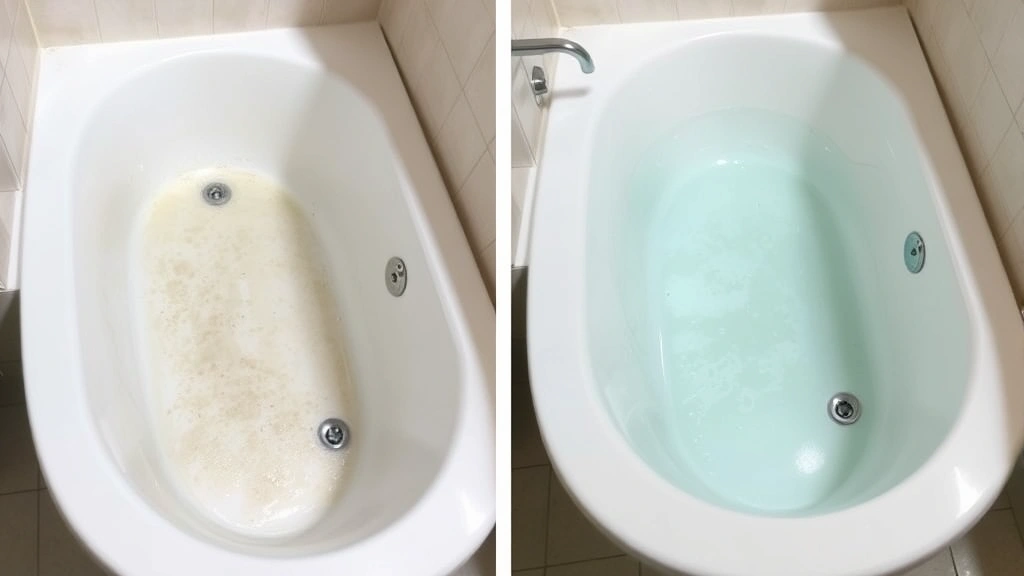
Hard water deposits and mineral buildup: These white, chalky deposits are common on acrylic bathtubs and shower enclosures. Create a solution of equal parts white vinegar and distilled water. Dampen a cloth with this mixture and let it sit on the affected area for 10-15 minutes to soften the deposits. Gently wipe with a soft cloth. The acetic acid in vinegar dissolves mineral deposits without damaging acrylic. Repeat if necessary, but avoid letting vinegar sit for extended periods.
Soap scum and residue: For buildup from cleaning products and personal care items, prepare a paste of baking soda and distilled water. Apply this paste to the affected area and let it sit for 5-10 minutes. Gently rub with a soft cloth or soft-bristled brush using circular motions. Baking soda is a mild abrasive that removes stubborn residue without scratching acrylic. Rinse thoroughly afterward.
Mold and mildew: In damp areas like bathrooms, mold and mildew can develop on acrylic surfaces. Mix one part white vinegar with three parts distilled water and apply with a cloth. Let the solution sit for 15-20 minutes, then gently scrub with a soft brush. For severe mold, consider using a commercial mold remover designed for acrylic, but test it in an inconspicuous area first.
Scratches and cloudiness: Light scratches and cloudy areas can sometimes be improved with acrylic polishing compounds. These products contain mild abrasives that smooth microscopic surface imperfections. Apply according to product directions, usually by buffing with a soft cloth. Deeper scratches may require professional repair or surface replacement.
Prevention is more effective than treatment. Regular cleaning prevents stain buildup that becomes increasingly difficult to remove. Wipe up spills immediately, and ensure proper ventilation in bathrooms to reduce mold growth. Like maintaining other home surfaces such as cast iron cookware, acrylic maintenance requires consistent attention.
Protecting Against Future Damage
Preventing damage is far more cost-effective than repairing or replacing acrylic surfaces. Implement these protective strategies to maintain your acrylic in optimal condition:
- Apply protective coatings: Acrylic sealers and protective waxes create a barrier against stains and UV damage. These products should be acrylic-specific and applied according to manufacturer instructions. Reapply periodically as directed.
- Control temperature exposure: Avoid placing hot items directly on acrylic surfaces, and don’t expose acrylic to rapid temperature changes. Never use hot water followed immediately by cold water, as this causes thermal stress and potential cracking.
- Manage humidity levels: In bathrooms and other damp areas, maintain proper ventilation to prevent excessive moisture accumulation. Use exhaust fans during and after showers to reduce humidity.
- Protect from direct sunlight: UV rays can cause acrylic to yellow and become brittle over time. Install UV-protective window treatments or apply UV-protective films to acrylic windows and skylights exposed to direct sun.
- Use protective pads: Under decorative acrylic items or furniture, place felt pads to prevent scratching from movement and friction.
- Avoid harsh chemicals: Keep acetone, nail polish remover, strong solvents, and aggressive degreasers away from acrylic. Even brief contact can cause permanent damage.
- Establish cleaning schedules: Regular light cleaning prevents the need for aggressive stain removal later. Clean acrylic surfaces weekly or bi-weekly depending on usage.
Documentation of your acrylic surfaces’ condition helps track any changes over time. Take photos of new installations for reference, and keep records of any damage or repairs. This information proves valuable if warranty claims become necessary.
Common Mistakes to Avoid
Understanding what not to do is equally important as knowing proper techniques. These common mistakes damage acrylic and should be avoided:
Using abrasive cleaners and scouring powders: Products containing pumice, silica, or other abrasive particles scratch acrylic permanently. Avoid any cleaner marketed for tough scrubbing. Even “gentle” scouring powders can damage acrylic’s surface.
Applying harsh chemicals: Acetone, turpentine, chlorinated solvents, and strong degreasers dissolve or craze acrylic. Never use window cleaners containing ammonia on acrylic surfaces. Check all product labels for acrylic compatibility before use.
Using paper towels and rough cloths: Paper towels and terry cloth leave lint and can scratch acrylic. Cotton materials also tend to leave streaks. Microfiber is the only appropriate cloth material for acrylic cleaning.
Scrubbing with stiff brushes: Natural bristle brushes, stiff nylon brushes, and wire brushes all scratch acrylic. Only soft-bristled synthetic brushes are appropriate for acrylic surfaces.
Exposing to extreme temperatures: Placing hot pans directly on acrylic or exposing surfaces to intense heat causes warping and discoloration. Similarly, sudden temperature changes cause thermal shock and cracking.
Ignoring water spot prevention: Allowing water to air-dry on acrylic leaves mineral deposits and spots. Always dry surfaces with a clean cloth immediately after rinsing.
Mixing cleaning products: Combining different cleaners creates chemical reactions that can damage acrylic or produce toxic fumes. Use one product at a time, rinsing thoroughly between applications if switching products.
Neglecting regular maintenance: Putting off cleaning allows stains to set permanently, requiring more aggressive removal methods that risk damage. Consistent light cleaning prevents these situations.
For additional guidance on household maintenance, explore our comprehensive resources on DIY cleaning techniques for various surfaces and materials throughout your home. Each surface type requires tailored approaches for optimal results.
FAQ
Can I use vinegar on acrylic surfaces?
Yes, white vinegar is safe for acrylic when properly diluted. Mix equal parts white vinegar and distilled water for cleaning mineral deposits and hard water stains. However, avoid letting vinegar sit on acrylic for extended periods or using undiluted vinegar, as the acidity can eventually damage the surface. Always rinse thoroughly with distilled water afterward.
What’s the difference between acrylic and plexiglass?
Plexiglass is actually a brand name for acrylic sheet material. The terms are often used interchangeably, though technically plexiglass refers specifically to products made by Arkema. All plexiglass is acrylic, but not all acrylic is plexiglass. Cleaning methods are identical regardless of brand.
How often should I clean acrylic surfaces?
Regular light cleaning prevents buildup and maintains clarity. For bathroom acrylic, weekly cleaning is ideal. For windows and skylights, monthly cleaning usually suffices unless exposed to significant dust or pollution. High-traffic areas may require more frequent attention. Establish a routine based on your specific usage and environmental conditions.
Can I use glass cleaner on acrylic?
Most commercial glass cleaners contain ammonia or other harsh chemicals that damage acrylic. Never use traditional glass cleaners on acrylic surfaces. Instead, use products specifically formulated for acrylic or prepare your own solution with mild dish soap and distilled water.
How do I remove scratches from acrylic?
Light surface scratches sometimes improve with acrylic polishing compounds applied according to product instructions. Deeper scratches cannot be removed and may require professional repair or replacement of the acrylic sheet. Prevention through proper handling and gentle cleaning is the best approach.
Is it safe to use bleach on acrylic?
No, bleach damages acrylic and can cause discoloration, weakening, and crazing. Even diluted bleach solutions are unsafe for acrylic. For mold and mildew removal, use vinegar solutions or commercial products specifically labeled as acrylic-safe.
What causes cloudiness in acrylic over time?
Cloudiness results from microscopic scratches, UV exposure, chemical damage, or mineral buildup. Regular gentle cleaning prevents scratches, while UV-protective films reduce sun damage. Proper ventilation in humid areas prevents mineral deposits from accumulating. Once significant cloudiness develops, it usually requires professional polishing or replacement.