Table of Contents
Introduction
You know that feeling when you pull into your driveway and catch a glimpse of your car? If it’s covered in dust, mud, or road grime, it’s hard not to feel a little disappointed. But here’s the thing—a clean car isn’t just about looking good (though that gleaming-in-the-sunlight moment is pretty satisfying). It’s actually protecting your investment. And the best part? Getting that showroom shine is way easier than most people think when you tackle it yourself at home.
Look, keeping your car clean goes way beyond just looking good in the parking lot. There’s real pride in driving something you’ve taken care of yourself. Plus—and this might surprise you—it can actually save you serious money down the road. Most car owners don’t realize how much regular cleaning protects their vehicle’s value and prevents long-term damage from dirt buildup. When you master the basics of DIY car care, you’re in complete control of how your car gets treated. No more wondering if someone else is being careful with your paint job. Want to get started on the right foot? Our guide on DIY car detailing covers all the essential tools and techniques you’ll need.
Here’s probably the biggest reason people switch to cleaning their own cars: the money you’ll save is no joke. Professional car washes and detailing services? They add up fast—especially if you want to keep your car looking its best year-round. But when you invest in the right supplies and learn the techniques, you can get those same professional results for a fraction of the cost. And you can clean whenever it fits your schedule, not theirs. If you’re getting bitten by the DIY bug, you might want to check out DIY car repairs too—it’s a natural next step once you’re comfortable working on your vehicle.
But it’s not just about the money (though that’s nice). There’s something genuinely satisfying about taking care of your car with your own hands. You create a comfortable space for yourself and your passengers inside, while protecting the exterior from rust and paint damage caused by everyday exposure to the elements. Now, there are times when you might need professional help—and we’ll talk about when that makes sense. For the complete picture on keeping your ride spotless, the insights in our DIY car detailing guide are absolutely worth your time.
What You’ll Learn in This Guide
We’re going to walk through everything you need to know about DIY car cleaning—from the basics to some pro-level tricks that’ll have your car looking amazing all year long. Here’s what we’ll cover:
- Essential Tools and Materials: Gain a complete understanding of must-have supplies for interior and exterior cleaning, including specialized products for different surfaces and finishes.
- Step-by-Step Cleaning Process: Follow a logical sequence to clean your car thoroughly and efficiently, from removing trash inside to waxing the exterior for a polished look.
- Tips and Tricks for Effective Cleaning: Learn expert advice on selecting the right products, proper techniques to avoid scratches, and scheduling cleanings for optimal results.
- Common Mistakes to Avoid: Understand frequent pitfalls in DIY car cleaning and how to prevent them, helping you save time and protect your vehicle’s appearance long-term.
Whether you’re completely new to this or you’ve been washing your own car for years, you’ll find practical advice that actually works. The goal? Give you the confidence and know-how to keep your car looking fantastic. And honestly, once you master cleaning your car inside and out with the right approach, you’ll get a sense of pride and ownership that no drive-through car wash can match. If you’re on a roll with DIY projects, you might enjoy tackling something like DIY flooring installation to keep that momentum going around the house.
We won’t just leave you hanging after the cleaning part, either. You’ll also learn when it makes sense to call in the pros—like when your car needs serious detailing work or has damage that’s beyond a regular cleaning. Finding that sweet spot between DIY effort and knowing when to get expert help? That’s how you keep your vehicle in top shape for years to come. So let’s dive in and transform how you think about car care, one practical tip at a time.

So you’ve gotten your feet wet with DIY car cleaning—nice! Now let’s talk about what really makes the difference between a quick wash and that “wow, did you just buy this car?” finish. Getting your hands dirty with the right techniques and tools? That’s where the magic happens. And here’s the thing: cleaning your own car isn’t just about making it look good (though that’s definitely a perk). You’re actually protecting your investment, building a real connection with your ride, and yeah—saving some serious cash in the process. Ready to turn your driveway into a mini detail shop? Let’s break down everything you need to know to get professional results without the professional price tag.
Essential Tools and Step-by-Step Cleaning Process
Here’s what nobody tells you: having the right gear makes all the difference. I’m not talking about breaking the bank—just smart choices that’ll save you time and prevent those “oops, I just scratched my paint” moments. You’ll want a decent automotive vacuum (trust me, your household vacuum won’t cut it), some quality microfiber cloths that won’t leave lint everywhere, car-specific shampoos and waxes that actually protect instead of strip, and detail brushes for getting into those annoying crevices. Want the full rundown on what pros actually use? Check out these expert DIY car detailing techniques and necessary tools that’ll help you nail that showroom finish.
Now, here’s where most people mess up—they just start spraying and wiping randomly. Bad idea. There’s actually a method to this madness, and it starts inside, moves outside, then finishes with the protective stuff. Why? Because you don’t want to be kicking dirt onto your freshly washed exterior when you open the doors. Start by clearing out all that random stuff (yes, even those old coffee cups), then vacuum everything like you mean it—seats, carpets, those weird spaces between cushions. Once your interior’s spotless, hit the exterior with a good rinse to knock off the loose dirt. Then it’s shampoo time with a soft sponge, working your way around the car systematically. Don’t forget the wheels and tires—they need their own brushes and some extra attention. Dry everything with microfiber towels (no water spots, thank you very much), and finish with wax for that protective shine. Need more tips on keeping your car in top shape? This comprehensive beginner’s guide to DIY car repairs has some great maintenance advice that pairs perfectly with your cleaning routine.
Key Aspects of the Cleaning Process
Want to nail this every time? Focus on these game-changers:
- Interior Preparation and Vacuuming: This isn’t just “get the big stuff out.” We’re talking full excavation mode—every crumb, every coin, every mystery object under the seats. A good automotive vacuum gives you the power and precision to reach everywhere, including those floor mats that somehow collect half the parking lot.
- Surface Cleaning and Conditioning: Your dashboard, console, and door panels are like the skin of your car’s interior—they need the right care to stay healthy. Use cleaners designed for the job, whether you’re dealing with leather that needs conditioning or fabric that just needs a gentle touch.
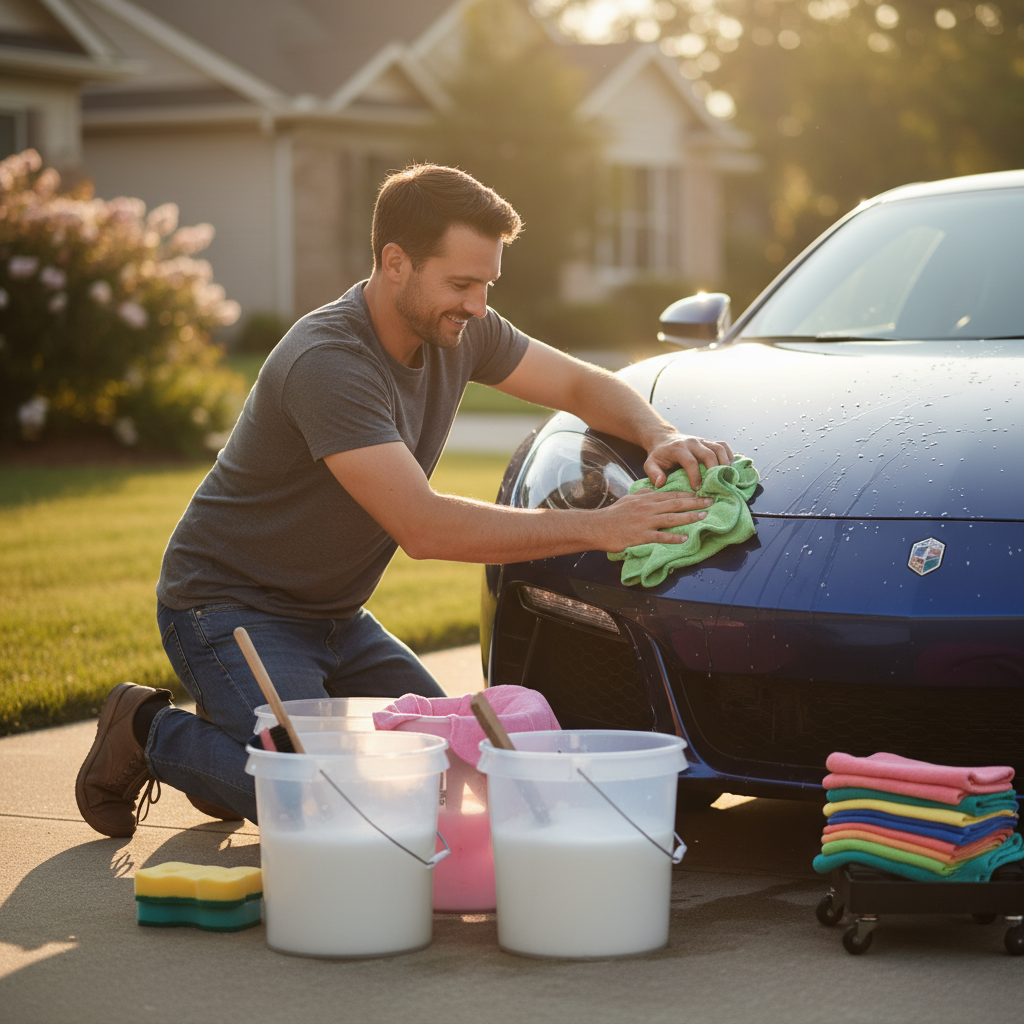
- Exterior Washing Protocol: Start with water, always. That initial rinse is your paint’s best friend—it gets rid of the gritty stuff that could scratch during washing. Then it’s quality car shampoo with a microfiber sponge, working in sections from top to bottom. Gravity’s on your side here.
- Final Protection and Shine: Wax isn’t just for looks (though it does make your car look amazing). It’s armor against sun, rain, bird droppings, and all the other stuff the world throws at your paint. And those tire shine products? They’re not just vanity—they actually help prevent cracking and keep your rubber healthy.
Get these steps down, and you’ll see a dramatic difference in both how your car looks and how long that fresh-cleaned feeling lasts. But knowing what to do is only half the battle—let’s talk about the mistakes that can turn your good intentions into expensive problems.
Tips, Tricks, and Common Mistakes to Avoid in DIY Car Cleaning
Real talk: DIY car cleaning has some sneaky pitfalls that can bite you if you’re not careful. It’s not just about following steps—it’s about knowing the little details that separate the pros from the “why does my car look worse now?” crowd. Take frequency, for example. Clean too little and you’re letting damage build up. Clean too much with the wrong stuff and you’re actually wearing things out faster. Sound familiar? It’s a lot like DIY car repair principles—consistent, smart maintenance beats emergency fixes every time.
Product choice is where I see people trip up most often. That dish soap under your kitchen sink? Keep it there. Your car’s paint and interior need pH-balanced, automotive-specific products that clean without destroying protective coatings. And those paper towels? They’re basically sandpaper compared to proper microfiber cloths. Want to really up your game? Learn about detailed car cleaning products and their application techniques to get the most bang for your buck. As for timing, aim for every 1-2 weeks depending on how much you drive and where you park. Regular cleaning is way easier (and cheaper) than letting things build up to the point where you need professional intervention.
Key Tips and Common Mistakes
These are the make-or-break details that separate great results from disasters:
- Avoid Harsh Chemicals: I get it—when something’s really dirty, you want to bring out the big guns. But household cleaners can strip paint, fade plastic, and ruin upholstery faster than you’d believe. Stick with automotive products that are designed to clean without destroying.
- Don’t Wash in Direct Sunlight: Hot sun equals fast-drying soap and water, which equals streaks and spots that are a pain to remove. Find some shade or wait for a cloudy day. Your car (and your sanity) will thank you.
- Use Separate Tools: Cross-contamination is real. The sponge you use on your wheels shouldn’t go anywhere near your paint, and interior cloths shouldn’t touch exterior surfaces. It seems like overkill until you’re looking at scratches that could’ve been prevented.
- Dry Thoroughly: Water spots are the enemy of a good finish. Proper drying with clean microfiber towels isn’t just about looks—it’s your chance to catch any spots you missed and make sure everything’s truly clean.
Master these basics and you’ll avoid the frustrating mistakes that make people give up on DIY car care. Remember, there’s no shame in knowing your limits—sometimes calling in a pro is the smartest move you can make to keep your car looking and running its best.

Look, keeping your car clean isn’t just about making it look pretty (though that’s definitely a nice bonus). It’s about protecting what’s probably one of your biggest investments. And here’s the thing—when you do it yourself with the right approach, you’re not just saving money. You’re actually taking better care of your vehicle than most quick-service places ever could. The secret? It all comes down to using the right tools. We’re talking automotive-grade vacuums, quality microfiber cloths, and pH-balanced cleaners that won’t strip your paint or damage your interior. Trust me, that methodical approach we walked through—prep, wash, finish—really does make all the difference between a mediocre job and results that’ll have your neighbors asking where you got it detailed.
But here’s what really separates the pros from the weekend warriors: knowing what NOT to do. Those little details matter more than you’d think. Skip the harsh household cleaners (your car’s finish will thank you later). Time your washes right—early morning or evening beats the blazing midday sun every time. These aren’t just tips; they’re the difference between a car that looks great today and one that holds its value years down the road. Whether you’re just starting out or you’ve been doing this for years, mastering these fundamentals puts you in complete control of your car’s care.
Want to take things up a notch? This is just the beginning of what you can do yourself. If you’re feeling confident with the cleaning basics, our DIY car repairs guide is perfect for tackling essential maintenance like oil changes and battery care—stuff that’ll save you serious money at the shop. And if you caught the detailing bug? Our comprehensive DIY car detailing guide dives deep into advanced techniques that’ll give you that showroom shine. Feeling ambitious about home projects in general? Check out our DIY flooring installation guide—because once you get the DIY confidence going, why stop at just the car?
There’s something incredibly satisfying about washing your own car. You know every inch got the attention it needed. You saved money. And honestly? It just feels good to take care of your stuff properly. Keep building on these skills, and your car will reward you with years of reliable service and head-turning looks. If you’re ready to go even further, that DIY car detailing guide I mentioned is packed with pro-level advice that’ll keep you learning and improving. After all, the best part about DIY isn’t just the money you save—it’s knowing you did it right.
Frequently Asked Questions
-
How often should I clean my car?
- Regular cleaning every 1-2 weeks helps maintain your vehicle’s appearance and prevent damage from dirt buildup.
-
What are the best products for DIY car cleaning?
- Use automotive-specific, pH-balanced car shampoos and microfiber cloths to safely clean without harming your car’s surfaces.
-
Can I use household cleaners on my car?
- It’s best to avoid household cleaners as they may damage paint, plastics, and interior materials. Stick to products designed for cars.
-
How do I avoid scratches when washing my car?
- Use clean, soft microfiber sponges and rinse thoroughly to remove debris before washing to prevent surface scratches.
-
When should I consider professional detailing?
- If your car has tough stains, deep scratches, or needs comprehensive restoration, professional detailing can offer expert care beyond DIY scope.