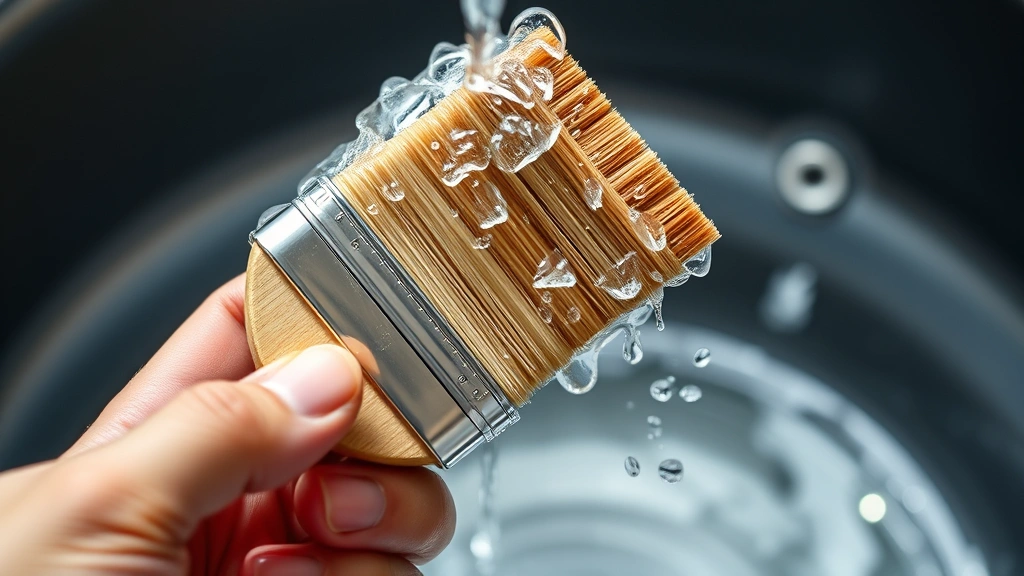
How to Clean Boar Bristle Brush: Expert Tips Inside
Boar bristle brushes are prized tools for painters, woodworkers, and craftspeople who demand quality results. Whether you’re applying stain, varnish, or paint, these natural bristle brushes deliver superior control and finish. However, maintaining them properly is essential to extend their lifespan and preserve their performance. A well-cared-for boar bristle brush can last for years, while neglect can ruin bristles permanently.
Learning how to clean boar bristle brushes correctly isn’t just about aesthetics—it’s about protecting your investment and ensuring professional-quality work on every project. Unlike synthetic brushes, natural boar bristles require specific cleaning techniques to prevent damage, bristle loss, and hardening. This comprehensive guide walks you through every step, from immediate post-use care to deep cleaning methods, storage strategies, and troubleshooting common problems.

Why Proper Cleaning Matters for Boar Bristle Brushes
Boar bristle brushes differ fundamentally from synthetic alternatives. Natural bristles have microscopic scales along their length that help hold paint or stain and distribute it evenly across surfaces. When paint or finish dries on these bristles, the scales lock together, making bristles stiff and unusable. This is why immediate and thorough cleaning is non-negotiable for maintaining brush quality.
Beyond performance, proper cleaning prevents several damaging outcomes. Dried paint hardens the bristles permanently, making them unable to flex and hold liquid. Bristles can split or break when hardened paint is forced through them during future use. Cross-contamination between different finishes ruins brushes—oil-based paint residue left in a brush will prevent water-based stain from adhering properly. Additionally, bacteria and mold can develop in damp bristles stored without proper drying, creating health hazards and unpleasant odors.
The investment in quality boar bristle brushes ranges from moderate to substantial depending on size and quality. Professional-grade brushes easily cost $20 to $100 or more. Proper cleaning is simply good stewardship of your tools and budget. When you understand the science behind bristle structure, cleaning becomes a deliberate process rather than an afterthought.

Immediate Cleaning After Use
The moment you finish painting or staining, your brush enters its critical care window. The longer paint sits on bristles, the more it hardens and bonds to the fibers. Immediate action prevents permanent damage.
For water-based finishes: Rinse your brush under running warm water immediately after use. Don’t let the brush sit in the paint can or on a surface. Hold the brush under the faucet and gently work your fingers through the bristles, separating them so water reaches the interior. Continue rinsing until water runs clear—this typically takes 2 to 3 minutes for a well-used brush. Pay special attention to the ferrule (the metal part holding bristles), where paint accumulates and dries fastest.
For stubborn water-based paint, create a cleaning solution by mixing warm water with a small amount of dish soap. Swirl the brush in this mixture, working the soap through bristles with your fingers or against the bottom of a bucket. Rinse thoroughly under running water until no soap residue remains.
For oil-based finishes: Water won’t work—you need an appropriate solvent. Mineral spirits, turpentine, or specialized brush cleaners designed for oil-based products are your options. Pour solvent into a container deep enough to submerge bristles completely. Swirl the brush vigorously in the solvent, pushing bristles against the container bottom to dislodge paint. As the solvent becomes discolored, transfer the brush to fresh solvent and repeat. Continue this process until the solvent remains relatively clear after swirling—typically 3 to 5 changes of solvent depending on paint thickness.
After solvent cleaning, finish by rinsing with warm soapy water to remove residual solvent. This final rinse is crucial because solvent left on bristles will cause them to remain soft and sticky, making storage problematic.
Deep Cleaning Methods
Sometimes brushes need more aggressive cleaning, either because they’ve been neglected or because stubborn residue remains after standard cleaning. Several deep cleaning methods work effectively for boar bristle brushes.
Comb cleaning: A fine-toothed comb or specialized brush comb helps remove dried paint particles lodged in bristles. After the initial solvent or water rinse, gently comb through the bristles, starting at the tips and working toward the ferrule. This physical removal of particles prevents them from re-hardening. Use light pressure—aggressive combing damages bristles. This method works best when done immediately after cleaning while bristles are still slightly damp.
Vinegar soak: For water-based paint residue that won’t rinse away, white vinegar offers surprising effectiveness. Heat white vinegar until steaming (don’t boil), then pour into a container and submerge the brush bristles for 15 to 30 minutes. The acidity helps break down dried paint. After soaking, rinse under warm running water and gently work bristles with your fingers. This method is gentler than harsh chemicals and works well as a maintenance treatment even for brushes in regular use.
Specialized brush cleaning solutions: Commercial products like Murphy Oil Soap, brush cleaning solutions from paint manufacturers, or products specifically formulated for natural bristles can tackle stubborn buildup. Follow product instructions carefully, as concentrations and soak times vary. These solutions often work better than basic soap and water for accumulated grime and hardened finish.
Fabric softener method: Liquid fabric softener can condition and clean boar bristles simultaneously. Mix one part fabric softener with three parts warm water, submerge the brush, and let it soak for 30 minutes. The conditioning agents soften bristles while the solution loosens dried paint. This method is particularly useful for brushes that have become stiff from neglect. After soaking, rinse thoroughly under warm water until no softener residue remains.
Choosing the Right Solvent
Solvent selection depends on the type of finish you’re cleaning from your brush. Using the wrong solvent wastes time and can damage bristles.
Water-based finishes require: Warm water and mild dish soap. This simple combination effectively removes latex paint, water-based stain, and acrylic finishes. The warmth helps open bristle scales while soap breaks down paint particles. Never use hot water, which can damage natural bristles—warm is sufficient and safer.
Oil-based finishes require: Mineral spirits (also called paint thinner), turpentine, or specialized brush cleaners. Mineral spirits is the most common choice because it’s effective, relatively safe, and widely available. Turpentine works well but has a strong odor and is more expensive. Some manufacturers produce proprietary brush cleaners optimized for their specific products—check your paint can for recommendations. Always work in well-ventilated areas when using solvents, and follow OSHA safety guidelines for chemical handling.
Lacquer and shellac finishes require: Denatured alcohol or specialized lacquer thinner. These aggressive solvents dissolve these finishes effectively. Handle them with extra care in well-ventilated spaces, wearing appropriate safety equipment. Never use lacquer thinner on brushes you plan to use with oil or water-based products without thorough rinsing.
A practical approach is keeping your brush dedicated to one type of finish. A brush used exclusively for oil-based stain never needs water, and a water-based paint brush never needs solvents. This simplifies cleaning and prevents solvent residue from interfering with future projects.
Drying and Storage Best Practices
How you dry and store your brush after cleaning determines whether it remains in excellent condition or deteriorates over time.
Drying techniques: After final rinsing, gently squeeze excess water from bristles using your hand or a lint-free cloth. Never wring or twist the brush—this damages bristles and distorts their arrangement. For faster drying, hold the brush horizontally and gently flick your wrist to fling water from bristles. This mimics a professional painter’s technique. You can also stand the brush upright in a container with bristles pointing up, allowing gravity to drain remaining moisture. Avoid standing the brush bristles-down on a surface while wet, as water pooling at the ferrule promotes mold growth.
Complete drying takes 24 to 48 hours depending on humidity and bristle thickness. Ensure adequate air circulation around the brush during this period. Some craftspeople hang brushes bristles-down from a hook, which aids drying while preventing bristle deformation. Never store a damp brush in a sealed container or plastic bag, as trapped moisture creates ideal conditions for mold and mildew.
Storage containers: Once completely dry, store brushes in a clean, dry location. Specialized brush holders or simple containers work equally well. The key is protecting bristles from dust, insects, and accidental damage. Many professionals store brushes bristles-up in containers or hang them from hooks. Bristles-down storage should only be temporary during the drying phase. For long-term storage, bristles-up orientation prevents bristles from flattening or bending permanently.
Store brushes away from direct sunlight, which can fade bristles and degrade the wood handle over time. Extreme temperature fluctuations should also be avoided. A cool, dry closet or storage shelf provides ideal conditions. If you store brushes for extended periods between projects, inspect them occasionally for signs of pest damage or mold growth.
Troubleshooting Common Issues
Even with proper care, boar bristle brushes sometimes develop problems. Understanding solutions helps you salvage brushes before they’re permanently damaged.
Stiff, hardened bristles: If your brush has hardened from dried paint, don’t discard it immediately. Soak bristles in the appropriate solvent (mineral spirits for oil-based paint, warm water with dish soap for water-based) for several hours or overnight. The extended soak gives solvent time to penetrate and soften dried paint. After soaking, gently work the bristles with your fingers and comb through them with a fine-toothed brush. Multiple soak-and-work cycles may be necessary for severely hardened brushes. Patience often restores functionality.
Bristle loss: Losing a few bristles during cleaning is normal—natural bristles occasionally shed. However, excessive bristle loss indicates damage from harsh treatment or low-quality brushes. If your brush loses bristles excessively, you’ve likely been using too much force during cleaning or storing it improperly. Switch to gentler cleaning techniques and inspect your storage methods. Quality boar bristle brushes shouldn’t shed significantly during normal use.
Bristles splaying outward: When bristles spread apart and won’t return to their original tight formation, the brush has lost its shape. This often results from improper storage (bristles-down for extended periods) or allowing bristles to dry while bent. Unfortunately, this damage is largely permanent. To prevent it, store bristles-up and ensure bristles dry in their natural upright position. For slightly splayed brushes, wrapping them tightly with a rubber band while drying sometimes helps restore shape.
Mold or mildew smell: A musty odor indicates mold growth from improper drying or storage. Don’t use the brush until mold is eliminated. Soak bristles in a solution of one part white vinegar to three parts warm water for 30 minutes. The vinegar kills mold spores. Follow with thorough rinsing and complete drying in a well-ventilated area. To prevent recurrence, always ensure complete drying before storage and maintain good air circulation around stored brushes.
Paint color changes or mixing: If you switch from one paint color to another without thorough cleaning, residual paint from the previous color contaminates the new finish. This is particularly problematic with light colors applied over dark residue. Prevent this by being extra thorough during cleaning transitions. Use fresh solvent, multiple rinses, and consider using a brush comb to remove any remaining particles. For critical color work, some professionals keep separate brushes for light and dark colors.
Maintaining boar bristle brushes requires attention to detail, but the investment pays dividends in brush longevity and project quality. Think of brush care as part of your DIY project preparation—proper tool maintenance supports professional results.
FAQ
Can I use the same brush for oil-based and water-based finishes?
Technically possible but not recommended. Even thorough rinsing may leave microscopic solvent residue that interferes with the opposite finish type. Oil residue prevents water-based products from adhering properly, while water-based residue can cause oil-based finishes to bead up. Dedicate brushes to specific finish types for best results. The cost of maintaining separate brushes is minimal compared to ruined projects.
How often should I replace a boar bristle brush?
With proper care, quality boar bristle brushes last many years—often 5 to 10 years or longer. Replace them only when bristles become permanently stiff, splayed, or lose excessive bristles during use. Budget-quality brushes may need replacement sooner, while premium brushes reward careful maintenance with extended lifespan. Regular cleaning and proper storage dramatically extend brush life compared to neglected brushes that fail within months.
Is it safe to clean brushes in my kitchen sink?
For water-based finishes cleaned with soap and water, kitchen sink cleaning is generally acceptable after thorough rinsing. However, avoid this for oil-based solvents, which can leave chemical residue even after rinsing. If your household includes children or people with chemical sensitivities, use a dedicated utility sink or outdoor cleaning area instead. This prevents any possibility of contamination. Many professionals use a separate brush-cleaning station in their workshop.
What’s the difference between boar bristle and synthetic brushes regarding cleaning?
Boar bristles have natural scales that require gentler handling during cleaning. Synthetic brushes are more forgiving of aggressive scrubbing and can tolerate hotter water. However, both benefit from immediate cleaning and proper drying. Synthetic brushes may dry faster and resist bristle damage better, but quality boar bristle brushes deliver superior paint distribution and finish quality, justifying their more careful maintenance requirements.
Can I use a dishwasher to clean my brush?
Absolutely not. Dishwasher heat and aggressive water jets damage natural bristles irreparably. The high temperatures cause bristles to curl and lose their structural integrity. Hand cleaning, even when it takes slightly longer, preserves bristle quality. This is one of the few situations where modern conveniences actually harm your tools rather than help them.
How do I know if my brush is clean enough to store?
Water should run completely clear when rinsing under running water, and no paint smell should remain. If you’re cleaning oil-based finishes, the final rinse should be with soapy water (not solvent), and this rinse should also run clear with no chemical odor. Squeeze a few bristles between your fingers—they should feel soft and flexible, not tacky or stiff. Only store the brush once you’re confident it’s completely clean and dry.


