How to Clean Birkenstock Footbed: Expert Tips for Long-Lasting Comfort
Birkenstock sandals are renowned for their superior comfort and durability, but maintaining that signature footbed requires proper care and attention. The cork and latex footbed is engineered to mold to your foot over time, creating a personalized fit that shouldn’t be compromised by neglect. Regular cleaning not only preserves the aesthetic appeal of your Birkenstocks but also extends their lifespan and prevents bacterial growth that can cause odors and deterioration.
Whether you’re dealing with everyday dirt, stubborn stains, or general wear and tear, understanding the correct cleaning methods is essential. Unlike generic footwear maintenance, Birkenstock footbeds demand a delicate approach that respects their specialized materials. This comprehensive guide walks you through professional-grade techniques that will keep your beloved sandals looking fresh and feeling comfortable for years to come.
Understanding Your Birkenstock Footbed Material
The Birkenstock footbed is a sophisticated construction combining multiple layers of premium materials. The top layer is typically suede or leather, which provides comfort and breathability. Beneath this sits the anatomically-designed cork layer that contours to your foot’s natural shape, and a latex base that offers cushioning and stability. Understanding this composition is crucial because each material responds differently to moisture, heat, and cleaning agents.
According to Birkenstock’s official care guidelines, the footbed should never be soaked or submerged in water. The cork and latex materials can absorb moisture, leading to warping, delamination, or permanent structural damage. Additionally, harsh chemicals can strip away natural oils from the leather or suede, causing cracking and discoloration. This is why learning proper cleaning techniques for footwear materials is essential before attempting any maintenance.
The footbed’s design also makes it a breeding ground for bacteria and fungi if not properly maintained. Sweat, dead skin cells, and moisture create an ideal environment for odor-causing organisms. Regular cleaning removes these contaminants before they can establish themselves, protecting both your footwear and your foot health.
Essential Cleaning Supplies You’ll Need
Before tackling your Birkenstocks, gather the following supplies to ensure effective and safe cleaning:
- Soft-bristled brush – A dedicated shoe brush or old toothbrush works well for gentle scrubbing without damaging materials
- Dry cloths – Use microfiber or soft cotton cloths to avoid lint transfer
- White vinegar – A natural disinfectant that kills odor-causing bacteria without harsh chemicals
- Baking soda – Excellent for absorbing moisture and neutralizing odors naturally
- Mild soap – Use gentle dish soap or specialized footwear cleaner, never harsh detergents
- Water – Lukewarm water is ideal; avoid hot water that can damage adhesives
- Optional: leather conditioner – Helps restore suppleness to leather footbeds after cleaning
If you’re interested in comprehensive cleaning approaches for various household materials, you’ll find similar principles apply to footwear maintenance. The key is using appropriate solutions for specific materials, which we’ll detail throughout this guide.
Step-by-Step Cleaning Process
Following this systematic approach ensures thorough cleaning while protecting your investment:
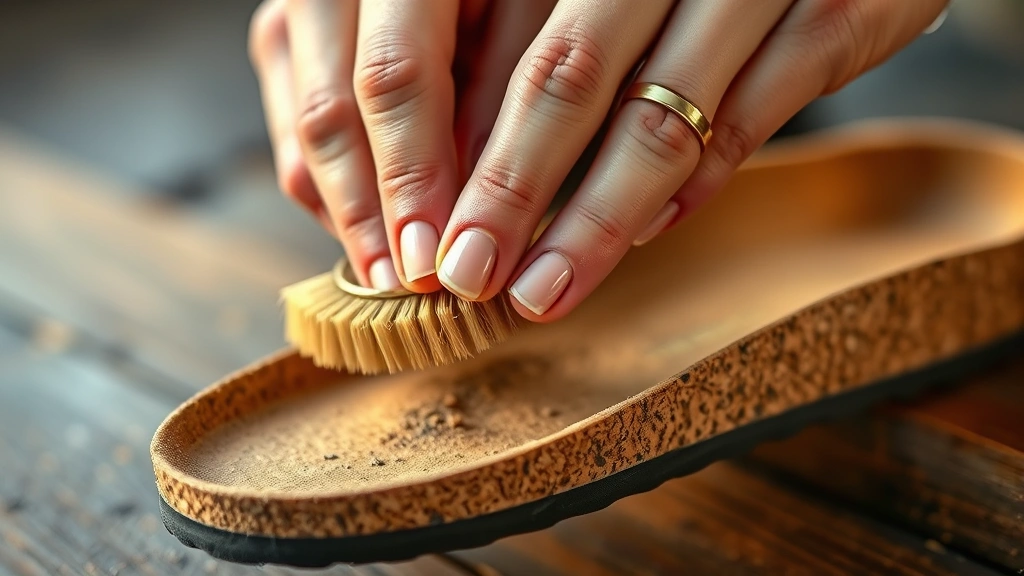
- Remove loose debris: Use a soft-bristled brush to gently remove dirt, dust, and dried mud from the footbed surface. Brush in circular motions, paying special attention to the contoured areas where debris accumulates. Don’t apply excessive pressure; let the brush do the work.
- Create a cleaning solution: Mix one part white vinegar with three parts lukewarm water in a small bowl. Add a few drops of mild dish soap. This solution is potent enough to clean without being corrosive to cork or latex materials.
- Dampen your cloth: Dip a soft cloth into the solution, then wring it out thoroughly. The cloth should be damp, not wet. This prevents excess moisture from penetrating the footbed layers.
- Wipe the entire footbed: Using gentle, circular motions, wipe the entire footbed surface. Pay extra attention to high-contact areas where your foot rests. Work methodically from heel to toe, ensuring complete coverage.
- Target specific stains: For stubborn marks, create a paste using baking soda and a minimal amount of water. Apply this paste to stains and gently scrub with your brush using circular motions. Allow the paste to sit for 5-10 minutes before wiping away.
- Final rinse: Using a cloth dampened with plain lukewarm water only, wipe away any soap residue or cleaning solution. This step is critical to prevent buildup that attracts dirt.
Much like the detailed approach outlined in our bathtub jets cleaning guide, footbed cleaning requires attention to detail and patience. Rushing this process can result in incomplete cleaning or inadvertent damage to delicate materials.
Removing Stubborn Stains and Odors
Sometimes regular cleaning isn’t enough to address persistent problems. Here are specialized techniques for challenging situations:
For stubborn stains: Create a paste combining equal parts baking soda and white vinegar. The chemical reaction between these two ingredients creates a gentle abrasive that lifts stains without scratching. Apply to the stained area, let sit for 15 minutes, then gently scrub and rinse thoroughly. For oil-based stains, sprinkle baking soda directly on the footbed and let it absorb the oil for several hours before brushing away.
For persistent odors: Odor elimination requires addressing the root cause. Sprinkle baking soda generously inside the footbed and allow it to absorb odors overnight. Tap out excess powder the next morning. Alternatively, place crumpled newspaper or activated charcoal inside the sandals overnight to absorb smell-causing molecules. For severe cases, spray the footbed lightly with a solution of equal parts white vinegar and water, then allow to air dry completely in sunlight, which has natural antimicrobial properties.
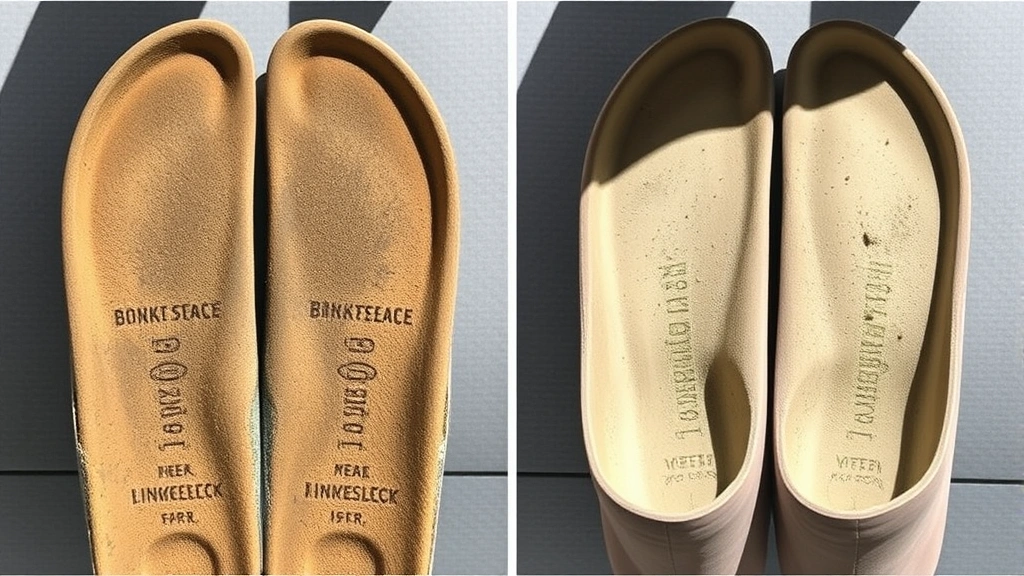
For discoloration: If your footbed has darkened from sweat or dirt accumulation, a more intensive cleaning may be necessary. Mix a solution of equal parts white vinegar and water, dampen a cloth, and wipe the entire footbed. Follow with a clean, damp cloth using plain water to rinse. The acidity in vinegar helps restore the original color by removing mineral deposits and buildup. Avoid using bleach or harsh whitening agents, which can damage the cork and latex materials.
Drying and Storage Best Practices
Proper drying is just as important as cleaning itself. Improper drying can cause warping, delamination, and mold growth. Always air dry your Birkenstocks at room temperature away from direct heat sources. Never use a hair dryer, oven, or place them in direct sunlight for extended periods, as extreme heat can damage the adhesives binding the footbed layers together.
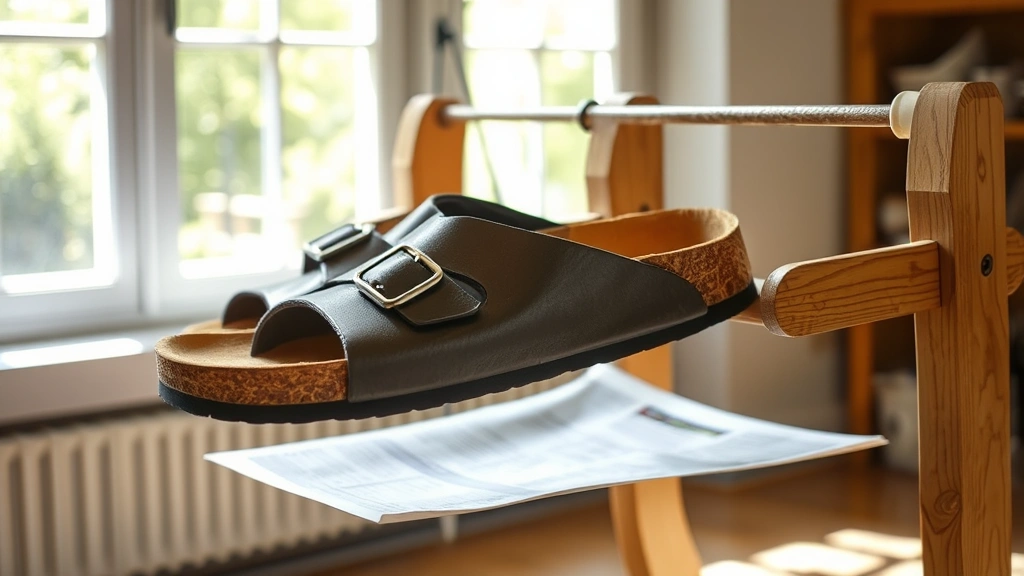
After cleaning, gently pat your sandals dry with a soft cloth, then place them in a well-ventilated area. Stuff the footbeds loosely with newspaper or paper towels to help absorb remaining moisture and maintain the sandal’s shape. Change the newspaper every few hours if your sandals are very wet. Complete drying typically takes 24-48 hours depending on humidity levels and ventilation.
For storage between seasons, ensure your Birkenstocks are completely dry before putting them away. Store them in a cool, dry place away from direct sunlight and extreme temperatures. Use a cotton shoe bag to protect them from dust while allowing air circulation. Avoid plastic bags, which can trap moisture and promote mold growth. Consider placing a small pouch of baking soda or activated charcoal in the storage area to absorb any ambient moisture.
Preventive Maintenance Tips
The best cleaning approach is prevention. These strategies minimize the need for intensive cleaning:
- Wear moisture-wicking socks: When possible, wear quality socks that absorb sweat rather than allowing it to saturate the footbed. This significantly reduces odor and bacterial growth.
- Rotate your sandals: Don’t wear the same pair daily. Alternating between multiple pairs allows each to dry completely and reduces sweat accumulation.
- Apply protective spray: Consider using a leather and suede protective spray designed for footwear. These products create a barrier against stains and moisture while allowing breathability.
- Clean promptly after exposure: If your Birkenstocks get wet or muddy, clean them as soon as they’re dry. Letting dirt dry and set makes removal significantly harder.
- Maintain proper fit: Ensure your Birkenstocks fit correctly. Ill-fitting sandals cause excessive sweating and friction, leading to faster deterioration and odor issues.
- Use foot powder: Applying a light dusting of talc-free foot powder before wearing your sandals helps reduce moisture and odor formation throughout the day.
For comprehensive guidance on maintaining various household items, check out our detailed car cleaning guide, which emphasizes that preventive maintenance always outweighs reactive cleaning in terms of time and effort saved.
Professional Birkenstock retailers occasionally offer specialized cleaning and restoration services. If your footbeds are severely damaged or discolored beyond home remedies, these professionals have access to industrial-grade materials and techniques. Many Birkenstock stores also sell official footbed replacement kits if your original footbeds become permanently damaged, allowing you to extend your sandal’s life indefinitely.
Frequently Asked Questions
Can I machine wash my Birkenstock sandals?
No. Machine washing is never recommended for Birkenstocks. The agitation, excessive water exposure, and heat from drying cycles can damage the cork, latex, and adhesives. Always hand clean using the methods described in this guide.
What if my footbed has mold or mildew?
If you notice fuzzy growth or musty smells indicating mold, act immediately. Spray the affected area with a solution of equal parts white vinegar and water. Allow to dry completely in sunlight, which has natural antifungal properties. If mold persists, contact a professional footwear restoration service or consider replacing the footbed.
How often should I clean my Birkenstocks?
For regular wearers, a light cleaning every 1-2 weeks and a thorough cleaning monthly keeps footbeds in optimal condition. Adjust frequency based on activity level and climate. If you wear them in dusty or muddy environments, weekly cleaning is advisable.
Can I use commercial shoe cleaners on Birkenstocks?
Be cautious with commercial products. Always check that they’re safe for cork and latex materials. Avoid anything containing harsh solvents, bleach, or strong acids. When in doubt, test on an inconspicuous area first, or stick with the natural cleaning solutions recommended in this guide.
My footbed is permanently stained. Are there alternatives?
If staining is purely cosmetic and doesn’t affect comfort or function, you might consider it part of the patina that develops with regular wear. However, if you’re concerned, many Birkenstock models offer replacement footbed kits that are relatively affordable compared to purchasing new sandals. Visit an authorized Birkenstock store locator to find retailers near you.
Is it safe to use essential oils for odor control?
While some essential oils have antimicrobial properties, applying them directly to the footbed can stain or damage materials. Instead, place a few drops on a cloth, let it dry, then place inside the sandal overnight. Remove before wearing. Tea tree oil and lavender are popular choices, but always use sparingly.
What’s the lifespan of a Birkenstock footbed?
With proper care and cleaning, a Birkenstock footbed typically lasts 5-10 years or longer. The cork naturally compresses and molds to your foot, which is expected. However, if the footbed becomes unstable, develops cracks, or shows signs of delamination, replacement is advisable. Regular cleaning extends this lifespan significantly by preventing premature deterioration from accumulated dirt and moisture.


