Easy Bronze Cleaning Tips from Experts
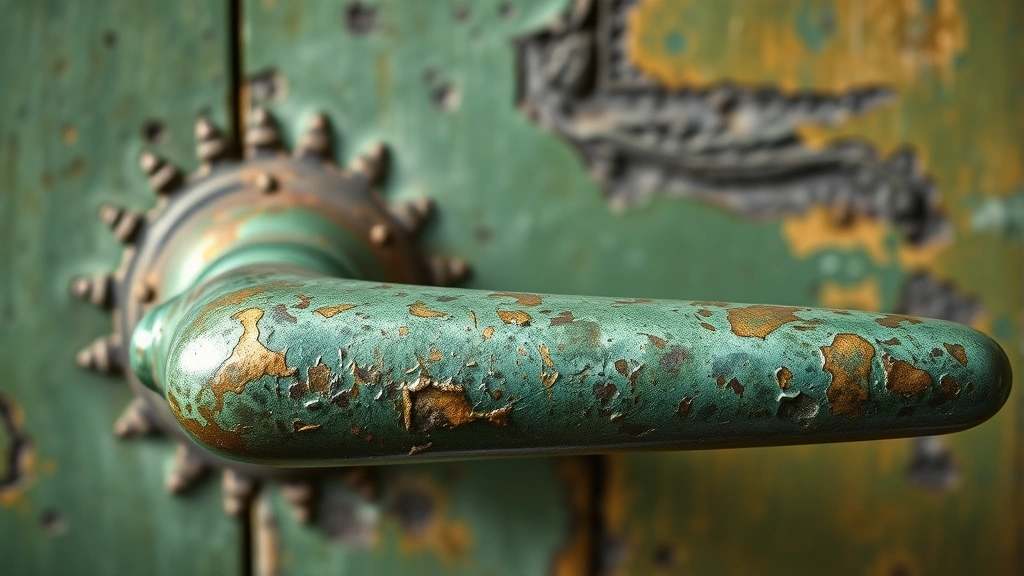
Bronze is a beautiful and durable metal that has been used in construction, home décor, and artistic applications for centuries. However, like any metal exposed to air and moisture, bronze develops a patina over time—that characteristic greenish or brownish coating that forms on the surface. While some homeowners appreciate the aged aesthetic, others prefer to restore bronze to its original lustrous shine. Learning how to clean bronze properly ensures you maintain its beauty without causing damage to the underlying metal.
Whether you’re caring for bronze door handles, decorative sculptures, architectural details, or outdoor fixtures, understanding the right cleaning techniques is essential. This comprehensive guide will walk you through expert-approved methods that are safe, effective, and easy to implement. You’ll discover why bronze requires special attention, what tools and materials you’ll need, and step-by-step instructions for achieving professional-quality results at home.

Understanding Bronze and Its Properties
Bronze is an alloy primarily composed of copper and tin, though modern bronzes may contain other metals like aluminum, manganese, or silicon. This composition gives bronze its distinctive warm, reddish-brown color and exceptional durability. Understanding what you’re working with helps you choose appropriate cleaning methods and avoid damaging this precious metal.
The metal’s reactivity with oxygen and moisture causes oxidation, which creates the patina layer. This natural process is actually protective in many cases, as the patina can prevent deeper corrosion. However, when patina becomes thick, uneven, or unsightly, cleaning becomes necessary. The key is removing the unwanted coating without stripping away the bronze itself or creating new damage.
Bronze’s hardness makes it resistant to scratching, but its chemical composition means it’s susceptible to certain corrosive environments. Salt air, acidic conditions, and high humidity accelerate patina formation. Indoor bronze typically develops patina more slowly than outdoor bronze, which is why your cleaning approach should vary based on the item’s location and exposure level.
Why Bronze Needs Special Cleaning Care
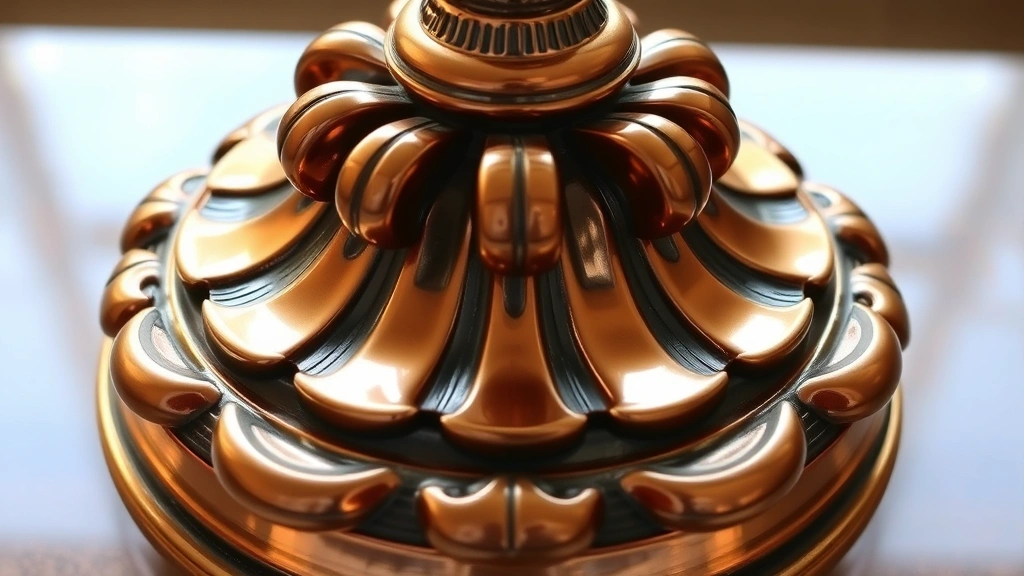
Unlike stainless steel or aluminum, bronze requires a more delicate approach. Harsh abrasives, strong chemicals, and aggressive scrubbing can permanently damage the surface, create micro-scratches, or remove protective layers. This is especially important for antique or valuable bronze pieces where maintaining the original finish is crucial.
Bronze responds well to gentle, chemical-based cleaning rather than mechanical abrasion. When you understand the chemistry involved, you can select methods that dissolve patina without harming the underlying metal. This is why expert bronze cleaners emphasize patience and precision over force.
Additionally, different bronze applications require different approaches. Architectural bronze used in door frames might tolerate slightly more aggressive cleaning than delicate sculptural pieces. Indoor decorative bronze needs different maintenance than outdoor bronze exposed to weather. Tailoring your method to your specific situation ensures optimal results.
For more detailed information about maintaining various home surfaces, check out our DIY Nests Hub Blog for comprehensive guides on home maintenance.
Essential Tools and Materials
Soft-bristled brushes are your first line of defense when learning how to clean bronze. Look for brushes with natural bristles rather than synthetic ones, as they’re gentler on the metal surface. A soft toothbrush works excellently for detailed areas and crevices.
For polishing applications, microfiber cloths are superior to regular cotton rags. They capture fine particles without leaving lint and distribute cleaning solutions evenly. Keep several cloths on hand so you always have clean ones available.
The cleaning solutions you choose matter significantly. Mild dish soap mixed with warm water handles light surface dust and grime. For more stubborn patina, white vinegar acts as a gentle acid that dissolves oxidation. Lemon juice offers similar properties with a pleasant scent. Commercial bronze cleaners and polishes are available, but ensure they’re specifically formulated for bronze to avoid chemical reactions with other metals.
Additional supplies include:
- Distilled water for rinsing (tap water can leave mineral deposits)
- Soft sponges or cotton pads
- Rubber gloves to protect your hands
- Newspaper or drop cloths to protect surrounding surfaces
- Protective wax or lacquer for finishing
- Small containers for mixing solutions
Having the right tools prepared before you start ensures a smooth, efficient cleaning process. Like preparing for other home projects, such as DIY basement finishing, proper preparation is half the battle.
Basic Cleaning Methods for Bronze
The Gentle Soap and Water Method works wonderfully for light cleaning and routine maintenance. Mix a few drops of mild dish soap into warm distilled water. Dip your soft-bristled brush or microfiber cloth into the solution and gently scrub the bronze surface using circular motions. This method removes dust, dirt, and light oxidation without aggressive action.
Pay special attention to textured areas where dirt accumulates. Work methodically across the entire surface to ensure even cleaning. Rinse thoroughly with distilled water and dry immediately with a clean microfiber cloth. Leaving water on bronze allows new oxidation to begin forming.
The Vinegar Solution Approach tackles more persistent patina. Mix equal parts white vinegar and water, or use undiluted vinegar for heavier patina. Soak a cloth in the solution and apply it to the bronze, allowing it to sit for several minutes. The acetic acid gently dissolves the patina layer without damaging the underlying metal.
For items that can be submerged, placing them in a vinegar solution for 15-30 minutes can be highly effective. Stir occasionally to help dislodge loosened patina. After soaking, use a soft brush to gently remove remaining patina, then rinse thoroughly with distilled water and dry immediately.
The Lemon Juice Method offers similar chemical action with a fresh scent. Squeeze fresh lemon juice onto a cloth and apply to the bronze surface. The citric acid works similarly to vinegar but may be gentler on some finishes. This method is particularly suitable for decorative bronze that you want to treat with extra care.
Allow the lemon juice to sit briefly before gently scrubbing with a soft brush. The longer you allow it to work, the more patina dissolves, but avoid extended periods that might dry the juice onto the surface. Rinse thoroughly and dry immediately.
Removing Stubborn Patina and Corrosion
When basic methods don’t achieve desired results, slightly more aggressive approaches become necessary. Cream of tartar and lemon juice paste creates a gentle abrasive that works effectively on stubborn patina. Mix cream of tartar with fresh lemon juice until you achieve a paste consistency. Apply this to the bronze and let it sit for 5-10 minutes.
Using a soft-bristled brush, gently work the paste into the patina, using circular motions. The mild abrasive action combined with the acid dissolves tough oxidation. Rinse thoroughly with distilled water and dry completely. This method requires patience but avoids harsh chemicals and excessive abrasion.
Commercial Bronze Cleaners formulated by professional restoration companies provide reliable results. Always follow manufacturer instructions carefully, as different products have varying strengths and application methods. Test any commercial cleaner on an inconspicuous area first to ensure compatibility with your specific bronze piece.
These products often contain proprietary chemical formulations that safely dissolve patina while protecting the base metal. Some include protective compounds that begin the finishing process as you clean. For valuable or antique bronze, professional-grade cleaners offer peace of mind.
Steel Wool Considerations require extreme caution. While some sources recommend very fine steel wool (0000 grade), this approach risks scratching the bronze surface. If you choose this method, use only the finest grade available, apply minimal pressure, and work in the direction of any existing grain or finish. Most experts recommend avoiding steel wool entirely in favor of softer alternatives.
For heavily corroded bronze or pieces with deep pitting, professional restoration services may be necessary. Attempting aggressive cleaning on severely damaged bronze can worsen the situation rather than improve it.
Polishing and Protecting Your Bronze
Once you’ve successfully cleaned your bronze, proper finishing ensures it maintains its appearance and resists future patina formation. Polishing compounds specifically designed for bronze enhance shine and create a smooth, attractive surface. Apply polish using a soft cloth with circular motions, working in small sections.
Quality bronze polish contains oils and waxes that protect the metal while improving appearance. These products fill micro-scratches and create a barrier against oxidation. Allow the polish to dry slightly before buffing with a clean microfiber cloth to achieve maximum shine.
Protective Wax Application provides longer-lasting protection than polish alone. Bronze-specific waxes create a water-resistant barrier that significantly slows patina formation. Apply a thin, even coat using a soft cloth, then buff to a shine. Reapply protective wax every 3-6 months, depending on environmental exposure.
For outdoor bronze or pieces in high-humidity environments, more frequent waxing may be necessary. Indoor decorative bronze typically requires less frequent protection. The goal is maintaining a thin, consistent protective layer rather than building up thick coatings.
Lacquer Finishes offer the strongest protection for bronze. Clear lacquer creates a plastic-like barrier that prevents all air and moisture contact, effectively halting patina formation. However, lacquer can yellow over time and eventually requires reapplication. Additionally, some collectors prefer the natural patina development that lacquer prevents.
Professional lacquering should be considered for valuable pieces, as application requires skill to avoid drips, uneven coverage, or bubbling. DIY lacquer application is possible but carries higher risk of unsatisfactory results.
Preventive Maintenance Strategies
The best approach to bronze maintenance is prevention. Regular light cleaning prevents heavy patina buildup that requires aggressive removal. Monthly dusting with a soft, dry cloth removes particles that contribute to oxidation. This simple habit significantly extends the time between deep cleanings.
Environmental Control plays a crucial role in patina formation. Keep bronze away from direct water exposure, high humidity, and salt air when possible. Use dehumidifiers in damp environments where valuable bronze is stored. In kitchens and bathrooms where humidity is high, bronze requires more frequent maintenance.
Outdoor bronze benefits from protective coverings during harsh weather. Temporary shelters or tarps during rainy seasons reduce moisture exposure. For permanent outdoor installations, ensure proper drainage around the bronze to prevent water accumulation.
Handling Practices affect bronze condition. Clean hands before touching bronze, as skin oils and salts accelerate patina formation. Avoid touching frequently cleaned or polished areas, as fingerprints create visible marks on shiny surfaces. Store bronze items in cool, dry locations away from direct sunlight.
Like maintaining other home features discussed in our guide to how to clean an electric kettle, regular maintenance prevents problems better than emergency deep cleaning.
Common Mistakes to Avoid
Using Harsh Chemicals represents the most common bronze cleaning mistake. Bleach, ammonia-based cleaners, and strong solvents can damage bronze irreversibly. These chemicals may create dark stains, pitting, or discoloration that professional restoration cannot fully repair. Always test any new cleaning product on a hidden area before applying it to visible surfaces.
Aggressive Scrubbing with stiff brushes, scouring pads, or high-pressure washers damages bronze’s surface. Even with appropriate cleaning solutions, excessive force creates scratches and removes protective layers. Bronze cleaning requires patience and gentle pressure.
Incomplete Drying allows new patina to form immediately after cleaning. Water left on bronze provides the moisture necessary for oxidation to continue. Always dry bronze thoroughly with clean microfiber cloths immediately after rinsing.
Mixing Cleaning Methods without rinsing between applications can create chemical reactions. For example, combining vinegar with commercial cleaners might produce unexpected results. Always rinse thoroughly between different cleaning methods.
Neglecting Regular Maintenance leads to heavy patina buildup that requires more aggressive cleaning. Establishing a regular maintenance schedule prevents this situation. Monthly light cleaning is far easier than quarterly deep cleaning.
Applying Wax Over Dirt traps particles beneath the protective layer, creating a rough, uneven finish. Always ensure bronze is completely clean before applying wax or polish. Dirty surfaces sealed with wax become difficult to clean later.
For additional cleaning guidance on various household items, explore our resource on how to clean boar bristle brush, which emphasizes similar principles of gentle, appropriate cleaning methods.
Frequently Asked Questions
Can I use baking soda to clean bronze?
Baking soda is too abrasive for most bronze surfaces. While it’s gentler than steel wool or scouring powder, it can create micro-scratches on polished bronze. Cream of tartar mixed with lemon juice is a better alternative for mild abrasive action when needed.
How often should I clean my bronze items?
Light dusting monthly prevents heavy patina buildup. Deep cleaning frequency depends on environmental conditions—indoor bronze might need deep cleaning annually, while outdoor bronze may require quarterly attention. High-humidity environments demand more frequent maintenance.
Is green patina on bronze harmful?
The green patina itself isn’t harmful to the bronze. However, if it continues developing, it can eventually lead to pitting and structural damage. The protective wax or lacquer layer helps prevent this progression. Some collectors appreciate patina as part of bronze’s character and prefer minimal cleaning.
Can I clean antique or valuable bronze myself?
For antique bronze with historical or monetary value, professional restoration is recommended. DIY cleaning risks permanently damaging irreplaceable pieces. For everyday decorative bronze or newer pieces, these expert methods are safe and effective.
What’s the difference between patina and corrosion?
Patina is the initial oxidation layer that forms on bronze, typically greenish-brown and relatively stable. Corrosion is more advanced deterioration involving pitting, flaking, or structural weakness. Patina can be cleaned; corrosion may require professional restoration.
Should I seal my bronze after cleaning?
Yes, applying protective wax or lacquer after cleaning significantly extends the time before new patina forms. This is especially important for outdoor bronze or pieces in humid environments. Indoor decorative bronze may not require sealing if you’re comfortable with natural patina development.
Can I use vinegar on all bronze items?
Vinegar works on most bronze, but always test on a hidden area first. Some bronze finishes or lacquers may be affected by acetic acid. If your bronze has any coating or finish beyond bare metal, verify compatibility before applying vinegar broadly.
How do I know if my bronze item is actually bronze?
Bronze is non-magnetic, warm to the touch, and has a distinctive reddish-brown color. Magnet tests confirm it’s not ferrous metal. If uncertain, test a small area with your chosen cleaning method before proceeding with full cleaning.


