How to Clean Feather Pillows: Expert Tips for Longevity and Comfort
Feather pillows are a luxurious investment in sleep quality, but maintaining them requires knowledge and care. Unlike synthetic alternatives, feather-filled pillows demand specific cleaning techniques to preserve their loft, comfort, and lifespan. Whether you’re dealing with surface stains, odors, or a general refresh, understanding the proper methods will help you keep your pillows in pristine condition for years to come.
This comprehensive guide walks you through every aspect of feather pillow maintenance, from spot cleaning minor blemishes to deep cleaning methods that restore your pillows to like-new condition. We’ll cover the science behind why feather pillows need special attention, the tools you’ll need, step-by-step instructions for various cleaning scenarios, and expert tips for preventing damage during the process.
Understanding Feather Pillow Construction
Before diving into cleaning methods, it’s essential to understand what makes feather pillows unique. Feather pillows contain a ticking—the outer fabric shell—that holds thousands of feathers and down clusters. The ticking is typically woven tightly enough to prevent feathers from escaping, but it remains porous enough to allow water and cleaning solutions to penetrate during washing.
Feathers are natural protein structures with a waxy coating that provides water resistance and durability. This coating can break down with harsh chemicals or excessive agitation, leading to flattened, damaged feathers that no longer provide proper support. The fill ratio between feathers and down also matters; pillows with higher down content are softer but may require gentler handling than those with coarser feathers.
Understanding your pillow’s specific construction is crucial. Check the manufacturer’s care label—this will indicate whether machine washing is recommended, what water temperature is safe, and whether dry cleaning is required. Some premium pillows may have special inner casings that protect the fill, while others rely solely on the outer ticking.
Pre-Cleaning Assessment and Preparation
Before you begin any cleaning process, conduct a thorough assessment of your pillows’ condition. Examine the ticking for tears, holes, or weak seams where feathers might escape. Even small openings will allow fill to escape during washing, ruining the pillow and clogging your machine.
Identify the type and location of any stains or soiling. Body oils accumulate around the head area, while spills create localized stains. Understanding what you’re cleaning helps determine whether spot cleaning suffices or if full washing is necessary. For general grime and odor without visible stains, a refresh cycle might be all you need.
Check the care label carefully. This label provides manufacturer guidance based on the specific materials and construction used. If the label indicates “dry clean only,” respect this recommendation—attempting machine washing could void warranties and damage the pillow. For pillows marked as machine washable, note the recommended water temperature, cycle type, and drying method.
Gather all necessary supplies before starting: mild detergent, white vinegar, baking soda, clean towels, mesh laundry bags, and access to a washer and dryer. Having everything prepared prevents mid-process scrambling and ensures you can complete the cleaning efficiently.
Spot Cleaning Techniques
For minor stains and localized soiling, spot cleaning is the gentlest approach and often sufficient to maintain pillow freshness. This method minimizes water exposure and agitation, reducing stress on feathers and the ticking.
For fresh spills: Immediately blot the affected area with a clean, dry cloth to absorb excess liquid. Avoid rubbing, which pushes the stain deeper into the fill. Use gentle pressing motions to transfer moisture to the cloth.
For set-in stains: Create a cleaning solution by mixing one part white vinegar with three parts cool water. Alternatively, dissolve a small amount of mild laundry detergent in cool water. Dip a clean cloth into the solution and gently dab the stained area. Work from the outside edges of the stain toward the center to prevent spreading. Use a separate damp cloth with plain water to rinse away residue, then blot with dry towels.
For stubborn marks: Make a paste using baking soda and water. Apply this paste directly to the stain and let it sit for 15-30 minutes. The mild abrasive nature of baking soda helps lift discoloration without harsh chemicals. Gently work the paste into the fabric with a soft brush, then rinse thoroughly with clean water and allow to air dry.
After spot cleaning, ensure the pillow dries completely before use. Moisture trapped inside can promote mildew growth and odors. Place the pillow in a warm, well-ventilated area, or use a fan to accelerate drying.
Spot cleaning works best as preventive maintenance. Addressing stains immediately, before they set, makes removal significantly easier. Keeping pillows protected with pillow protectors—washable covers that go under your regular pillowcase—reduces the frequency of deep cleaning needed.
Machine Washing Feather Pillows
Machine washing is acceptable for most feather pillows, provided the manufacturer’s care label permits it. This method is more thorough than spot cleaning and removes accumulated body oils, dust, and odors throughout the entire pillow.
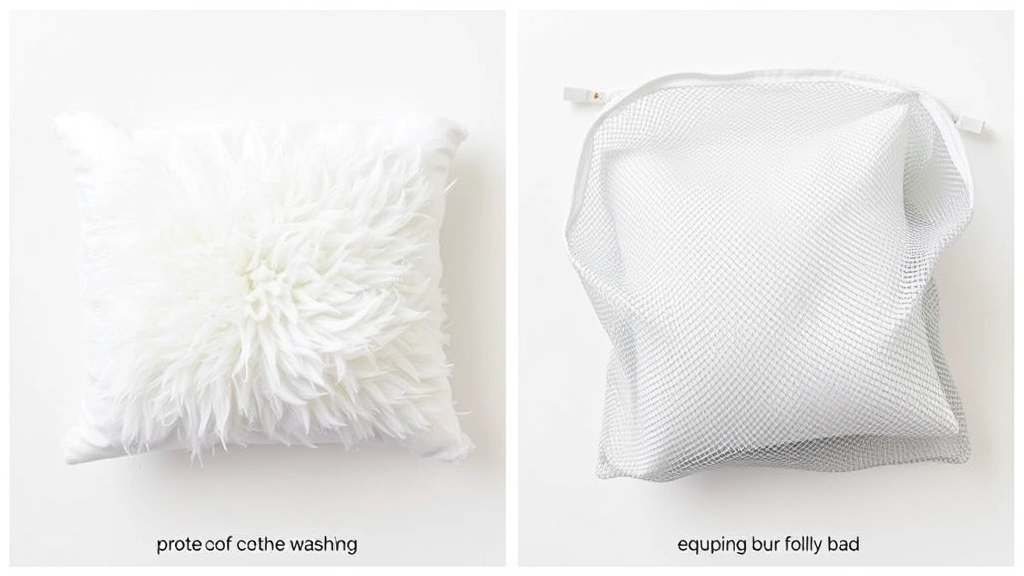
Preparation steps: Check the ticking for any damage and repair small holes with needle and thread before washing. Place each pillow in a mesh laundry bag—this protects the ticking from excessive agitation while allowing water and detergent to penetrate. Using two pillows per wash load balances the machine and improves cleaning effectiveness.
Washer settings: Select a gentle or delicate cycle with cool to warm water, never hot. Hot water can damage the waxy coating on feathers and weaken fabric fibers. Use cold water for white pillows to prevent yellowing, and warm water for colored pillows if the care label permits. Add only half the recommended amount of mild detergent—excess soap residue is difficult to rinse from feather fill and can cause odors.
Avoiding common mistakes: Never use bleach, optical brighteners, or fabric softeners on feather pillows. These chemicals can damage feathers and leave residues that attract dirt. Don’t overload the washer; pillows need space to move freely during the cycle. Avoid heavy-duty or sanitize cycles, which use excessive agitation that breaks down feather structures.
After washing, remove pillows from the mesh bags immediately. Leaving them in bags while damp can trap moisture and create odor problems. Proceed directly to the drying phase to prevent mildew development.
Hand Washing Methods
Hand washing is ideal for pillows with delicate tickings, those marked as requiring gentle care, or when you want maximum control over the process. This method takes longer but provides superior protection for premium pillows.
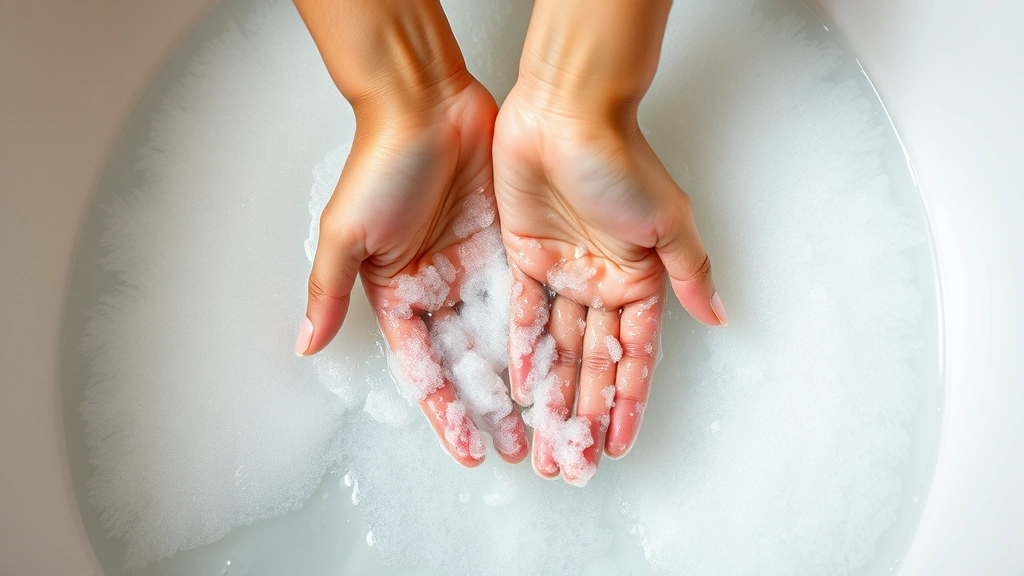
Fill a large basin or bathtub with cool water and add a small amount of mild detergent. Submerge one pillow and gently press the soapy water through the ticking for 5-10 minutes. Avoid twisting, wringing, or aggressive scrubbing. Work your fingers through the fabric gently, allowing the solution to penetrate the feather fill.
For pillows with visible staining, focus gentle pressure on affected areas. Let the pillow soak for 15-20 minutes if heavily soiled, allowing the detergent time to break down oils and dirt.
Drain the soapy water and refill the basin with clean, cool water. Gently press clean water through the pillow repeatedly until the water runs clear and no soap residue remains. This rinsing step is critical—trapped detergent will cause odors and attract dust over time.
Press out excess water by supporting the pillow with both hands and gently squeezing. Never wring or twist the pillow, as this damages feathers and can tear the ticking. The pillow will still be quite wet after this step, which is normal.
Drying and Fluffing
Proper drying is absolutely critical for feather pillow maintenance. Moisture trapped inside the pillow promotes mildew, mold, and unpleasant odors that are nearly impossible to remove.
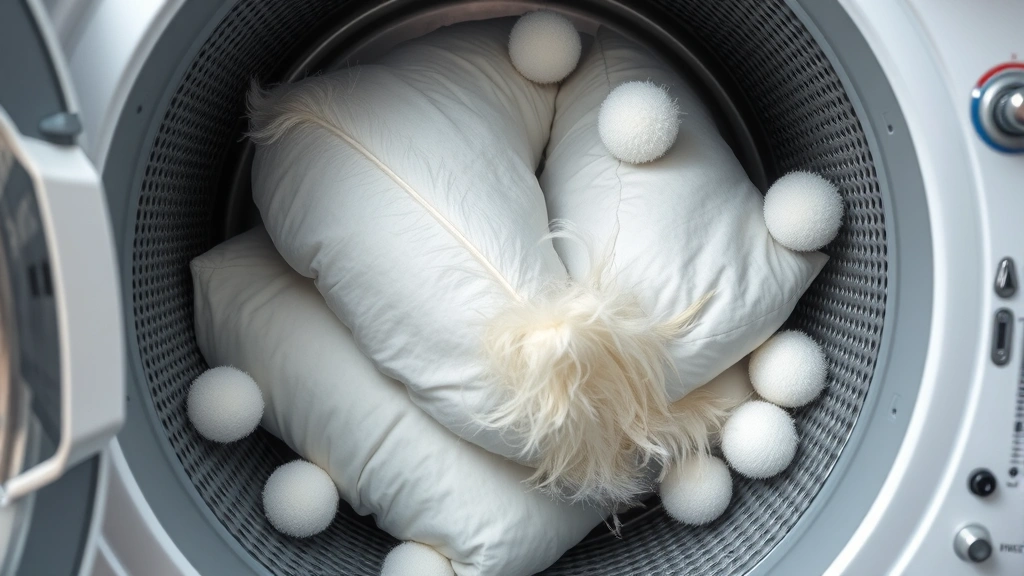
Machine drying: Place pillows in the dryer on a low heat setting (around 130°F or 54°C) with dryer balls or clean tennis balls. These items bounce around during the cycle, preventing feathers from clumping and ensuring even drying. Run the dryer for 45-60 minutes, then check the pillow’s moisture level. The pillow should feel completely dry throughout, not just on the surface.
If moisture remains, run additional 15-20 minute cycles, checking between each. Avoid high heat, which damages feather coatings and can create a burnt smell. Some people prefer multiple low-heat cycles over one long cycle for better results.
Air drying: For extra-delicate pillows or when you want to avoid any heat exposure, hang pillows in direct sunlight in a warm, breezy location. Turn them regularly to ensure even drying. This method takes 2-4 days depending on humidity and temperature. While slower than machine drying, air drying is gentlest on feathers.
Fluff pillows periodically during drying to break up clumping. Grab opposite corners and shake vigorously, or knead the pillow like bread dough. This redistributes feathers and accelerates drying by exposing more fill to air circulation.
Never store pillows until completely dry. Even slight moisture can lead to mildew problems that compromise the pillow’s integrity and your health.
Dealing with Odors and Discoloration
Beyond visible stains, feather pillows can develop odors from body oils, sweat, and moisture accumulation. These odors often persist after standard washing if not specifically addressed.
Odor removal during washing: Add one cup of white vinegar to the rinse cycle when machine washing. Vinegar neutralizes odors without leaving a strong smell itself once the pillow dries. Alternatively, soak hand-washed pillows in a solution of water with one cup of white vinegar for 30 minutes before the final rinse.
Baking soda treatment: After pillows are completely dry, sprinkle baking soda generously over the entire surface. Let it sit for 4-8 hours or overnight, then vacuum thoroughly. Baking soda absorbs odors trapped in the fill and ticking. Repeat this process monthly as preventive maintenance.
Yellowing and discoloration: Over time, white pillows may yellow from age, sweat, or mineral deposits in water. While this doesn’t affect function, it’s cosmetically undesirable. For yellowing, try soaking in a solution of water with oxygen-based bleach (like OxiClean) rather than chlorine bleach. Follow product directions carefully and rinse extremely thoroughly. Test this method on an inconspicuous area first.
Some discoloration is inevitable with age and use. Pillow protectors significantly reduce yellowing and staining by providing a barrier between the pillow and direct contact with skin and sweat.
Prevention and Maintenance Schedule
Establishing a regular maintenance routine extends pillow lifespan and reduces the need for intensive deep cleaning. Prevention is far easier than remediation once problems develop.
Daily care: Always use pillow protectors under your pillowcases. These washable covers prevent body oils, sweat, and dead skin cells from contacting the pillow directly. Wash protectors weekly with regular laundry. Fluff pillows daily by shaking and kneading them to redistribute fill and improve air circulation.
Weekly maintenance: Expose pillows to fresh air and sunlight when possible. Sunlight naturally kills bacteria and mildew spores while freshening the pillow. Sprinkle baking soda over pillows weekly, let sit for several hours, then vacuum off.
Monthly deep care: Wash pillow protectors and pillowcases in hot water. Consider refreshing the pillow itself with a vinegar rinse in the washing machine, even without visible soiling. This removes accumulated odors and body oils before they become problematic.
Seasonal cleaning: Plan a thorough deep clean twice yearly—spring and fall work well. This involves either machine or hand washing, depending on your pillow type, followed by complete drying. Seasonal deep cleaning prevents odor and stain buildup.
Rotate pillows regularly if you have multiple pillows. Using different pillows on alternating nights distributes wear evenly and gives each pillow recovery time between uses. This extends the overall lifespan of your pillow collection.
Inspect pillows regularly for signs of deterioration. Lumpy areas indicate clumping that may require professional cleaning or pillow replacement. Tears in the ticking should be repaired immediately to prevent fill loss. Most quality feather pillows last 5-10 years with proper care; some premium pillows last 15+ years.
FAQ
Can I use a washing machine to clean feather pillows?
Yes, most feather pillows can be machine washed if the care label permits. Always check manufacturer instructions first. Use a gentle cycle with cool or warm water, mild detergent, and mesh laundry bags for protection. Avoid hot water and heavy-duty cycles.
How often should I wash feather pillows?
Wash feather pillows every 6-12 months as part of regular maintenance. If you use pillow protectors (recommended), you can extend this to annually. Spot clean as needed for visible stains or spills. Refresh pillows with baking soda monthly between full washes.
What temperature water should I use?
Cool or warm water (60-100°F or 15-37°C) is ideal. Never use hot water, which damages the natural waxy coating on feathers and can weaken fabric fibers. Check your care label for specific temperature recommendations for your pillow.
Can I dry feather pillows in the dryer?
Yes, machine drying on low heat with dryer balls is effective and commonly recommended. Use temperatures around 130°F (54°C) for 45-60 minutes. Avoid high heat. Air drying is an alternative for delicate pillows, though it takes 2-4 days.
What should I do if my pillow smells bad?
Add white vinegar to the rinse cycle during washing, or soak hand-washed pillows in a vinegar solution. After drying, sprinkle baking soda over the pillow and let sit overnight, then vacuum. Use pillow protectors going forward to prevent odor buildup.
Can I use bleach on feather pillows?
No, avoid chlorine bleach entirely. It damages feathers and fabric fibers. For yellowing on white pillows, use oxygen-based bleach (OxiClean) according to product directions, then rinse extremely thoroughly.
How do I prevent feathers from clumping?
Fluff pillows regularly during and after drying using dryer balls or tennis balls in the machine, or by hand. Distribute fill evenly by shaking, kneading, and working your fingers through the pillow. Proper drying technique prevents most clumping issues.
Are pillow protectors necessary?
While not strictly necessary, pillow protectors significantly extend pillow lifespan by preventing direct contact with body oils and sweat. They reduce cleaning frequency and are easy to maintain with regular laundry. For best results, use both a protector and pillowcase.
What if my pillow has a tear in the ticking?
Repair small tears immediately before washing. Use needle and thread to stitch the tear closed with small, tight stitches. For large tears or damage near seams, professional repair or replacement may be necessary to prevent fill loss.


