DIY Eyeglass Cleaning: Optometrist’s Tips for Crystal Clear Vision
Your eyeglasses are one of your most important daily accessories, yet many people neglect proper cleaning techniques that could extend their lifespan and maintain optimal clarity. Whether you wear prescription lenses, reading glasses, or sunglasses, understanding how to clean your eyeglasses correctly prevents scratches, removes stubborn debris, and keeps your lenses performing at their best. This comprehensive guide draws from optometrist recommendations and lens care best practices to help you master the art of eyeglass maintenance.
Improper cleaning methods cause more lens damage than you might realize. Using paper towels, dry cloths, or your shirt sleeve creates microscopic scratches that accumulate over time, gradually reducing optical clarity and increasing glare. The good news is that proper eyeglass cleaning takes just a few minutes and requires minimal supplies you likely already have at home. By following these expert-approved techniques, you’ll protect your investment and enjoy clearer, more comfortable vision every single day.
Why Proper Eyeglass Cleaning Matters
Your lenses accumulate dust, oils, and debris throughout the day from various sources including skin oils from your face, environmental pollution, and fingerprints from handling. When you ignore these deposits or clean incorrectly, several problems emerge. First, visibility decreases as layers of grime cloud your vision. Second, scratches develop when abrasive materials contact the lens surface, creating permanent damage that no amount of cleaning can reverse. Third, lens coatings—including anti-reflective, scratch-resistant, and UV protection layers—degrade faster with improper handling.
Optometrists consistently report that patients who clean their eyeglasses properly experience better vision quality and fewer complaints about glare and distortion. The American Academy of Ophthalmology emphasizes that proper lens care directly impacts both optical performance and the longevity of your eyewear investment. Think of eyeglass maintenance similarly to how you’d approach DIY carpet cleaning with proper techniques—rushing the process or using wrong methods causes damage that’s expensive to repair.
Beyond vision clarity, clean eyeglasses contribute to better hygiene and comfort. Dirty lenses can harbor bacteria and irritate sensitive eyes, particularly if you have dry eye syndrome or allergies. Regular, proper cleaning reduces these issues and helps your eyes feel more comfortable throughout the day.
Essential Supplies You’ll Need
The beauty of proper eyeglass cleaning is that you don’t need expensive or specialized products. Here are the supplies optometrists recommend:
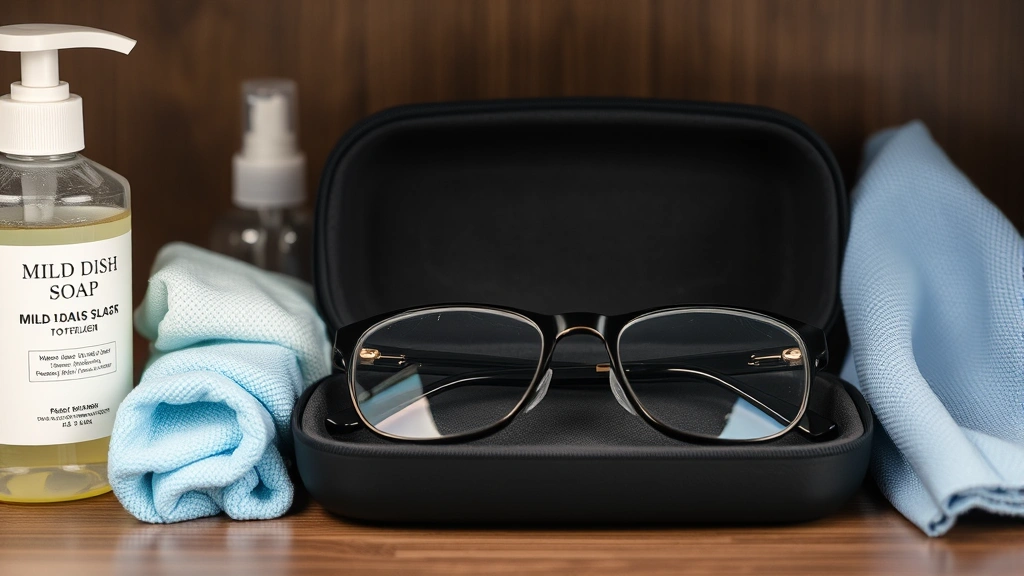
- Lukewarm tap water: The foundation of proper lens cleaning, water helps suspend debris so it washes away rather than scratching the surface
- Mild dish soap: A small drop of gentle, fragrance-free dish soap removes oils and stubborn residue without damaging lens coatings
- Microfiber cloth: This is essential—microfiber is specifically designed to clean lenses without scratching, unlike paper towels or cotton fabrics
- Lens cleaning solution (optional): Pre-made solutions formulated for eyeglasses work well, though soap and water is equally effective and more economical
- Clean towel: Use a lint-free option for drying your hands before handling clean lenses
Avoid purchasing expensive specialty cleaners unless you have specific coating concerns. Most optometrists recommend simple soap and water as the most effective and safest cleaning method. Look for microfiber cloths specifically marketed for eyeglasses rather than generic microfiber products, as these are manufactured to precise standards that protect delicate lens coatings.
Step-by-Step Cleaning Process
Follow this methodical approach that optometrists recommend for optimal results:
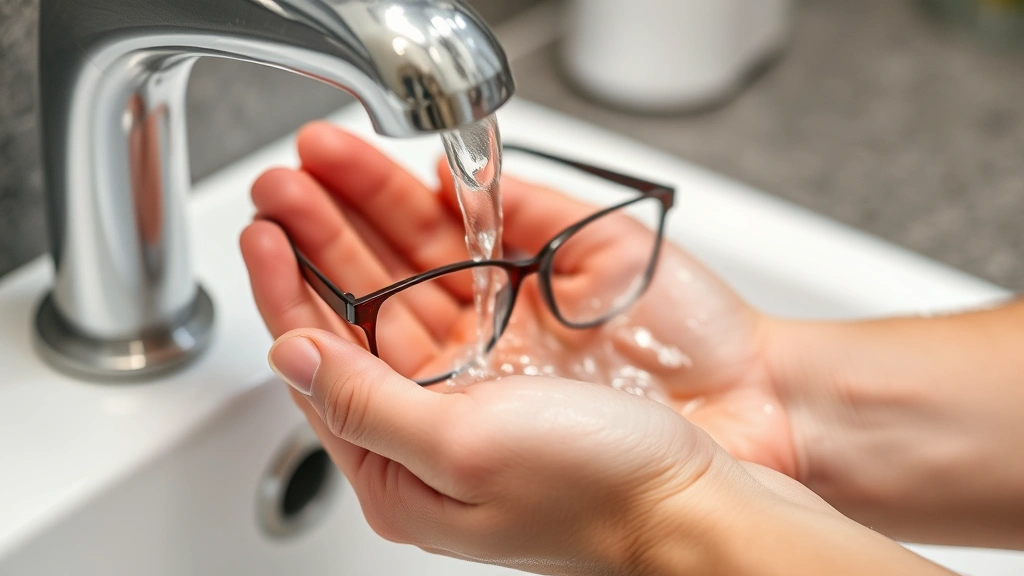
- Rinse under lukewarm water: Hold your eyeglasses under a gentle stream of lukewarm (not hot) water. This removes loose dust and debris that could scratch during wiping. Hot water can damage lens coatings and frames, so stick with comfortably warm water similar to what you’d use to wash your hands
- Apply mild soap: Place a tiny drop of dish soap on each lens. Your fingertip works perfectly for application. The soap should be fragrance-free and gentle—avoid antibacterial formulas which can be too harsh
- Gently rub with fingertips: Using your clean index and middle fingers, gently rub each lens in circular motions for about 10-15 seconds per lens. Focus on the center first, then work toward the edges. This removes oils and stubborn particles
- Rinse thoroughly: Rinse under lukewarm running water until all soap residue disappears. Any remaining soap creates streaks and reduces clarity
- Shake gently: Hold glasses at a slight angle and shake gently to remove excess water. Avoid aggressive shaking which could damage frames
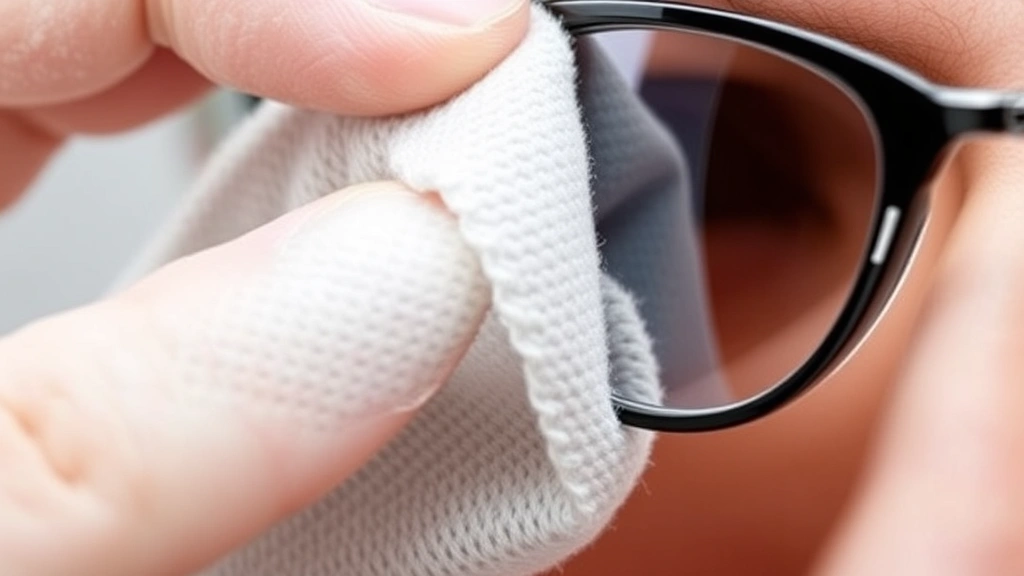
- Dry with microfiber cloth: Gently wipe lenses with your microfiber cloth using light pressure and circular motions. This absorbs remaining water and polishes the surface
This entire process takes approximately two to three minutes but provides thorough cleaning that maintains optical quality. Perform this cleaning daily or whenever you notice smudges or debris. Many eyeglass wearers find a morning routine works best, ensuring clear vision throughout the day.
For perspective on how proper technique matters in cleaning tasks, consider how DIY grout cleaning requires methodical step-by-step approaches to avoid damage—eyeglass cleaning follows similar principles where technique prevents costly damage.
Removing Stubborn Debris and Buildup
Sometimes regular cleaning isn’t enough, particularly if you wear eyeglasses outdoors frequently or work in dusty environments. Here’s how to handle more challenging situations:
For dried-on residue: Soak your eyeglasses in lukewarm water with a drop of dish soap for 2-3 minutes. This softens stubborn deposits, making them easier to remove without scrubbing aggressively. After soaking, follow the standard cleaning process described above.
For dust and pollen: If you’ve been outside in dusty conditions, rinse first under running water before applying soap. This removes the bulk of particles without them scratching during the washing process. You may need to repeat rinsing 2-3 times for heavily contaminated lenses.
For nose pad buildup: The silicone or plastic nose pads accumulate sweat and oils. Clean these separately using the same soap-and-water method, rubbing gently with your fingertip. This prevents buildup from transferring to lenses.
For frame grooves: Use a soft toothbrush (reserved exclusively for this purpose) to gently clean grooves and hinges where dirt accumulates. Dip the brush in soapy water and gently scrub, then rinse thoroughly.
If buildup persists despite these efforts, consult your optometrist. Sometimes professional ultrasonic cleaning is necessary, which uses high-frequency vibrations to remove debris without contact. This is similar in concept to how deep cleaning approaches work for other household items—removing stubborn bathroom ceiling buildup requires understanding when professional methods are necessary versus DIY approaches.
Drying and Polishing Techniques
Proper drying is just as important as washing for maintaining clarity and preventing damage. Here are expert techniques:
Microfiber cloth quality matters: Use only microfiber cloths specifically designed for eyeglasses. These cloths have a special weave pattern that lifts moisture without scratching. Wash microfiber cloths regularly (at least monthly) in warm water without fabric softener, which clogs the fibers and reduces effectiveness. Air dry them completely before use.
Polishing technique: After water rinsing, hold your eyeglasses up to light and identify remaining water spots. Use gentle circular motions with your microfiber cloth, applying minimal pressure. Let the cloth do the work rather than pressing hard. This prevents streaking and ensures even polish.
Handling delicate coatings: If your lenses have anti-reflective or other specialty coatings, extra gentleness during drying prevents damage. Thinner, lighter pressure with more frequent gentle passes works better than aggressive wiping. According to the American Optometric Association, proper drying technique directly impacts coating longevity.
Final inspection: Hold your clean glasses at arm’s length against light sources to check for streaks or remaining spots. If present, repeat gentle polishing with a clean section of your microfiber cloth. This ensures you’re wearing perfectly clear lenses.
Never use heat sources to dry eyeglasses. Hair dryers, ovens, and radiators can warp frames and damage lens coatings. Room temperature air drying combined with microfiber polishing is always the safest approach.
Protecting Your Lenses Long-Term
Proper cleaning is just one aspect of eyeglass care. These additional practices extend lifespan and maintain optical quality:
Storage matters: Always store eyeglasses in a protective case, preferably a hard case that prevents crushing and damage. Soft cases provide minimal protection. Place lenses facing inward to prevent direct contact with case surfaces. Never leave eyeglasses loose in bags, cars, or on surfaces where they could be sat on or knocked over.
Temperature control: Extreme heat damages lens coatings and can warp frames. Never leave eyeglasses in hot cars, direct sunlight for extended periods, or near heating vents. Similarly, extreme cold can make frames brittle. Store in room temperature environments whenever possible.
Handling practices: Always use both hands when putting on or removing eyeglasses. Single-handed removal twists frames and stresses hinges, leading to damage over time. When cleaning, hold frames securely but gently, avoiding excessive pressure on delicate components.
Regular professional maintenance: Visit your optometrist annually for professional cleaning and inspection. They can identify early damage, adjust frames to proper fit, and perform ultrasonic cleaning that removes debris invisible to the naked eye. This preventive maintenance catches problems before they become expensive.
Think of eyeglass protection similarly to how you’d protect other household investments—protecting leather items from mold and deterioration requires consistent preventive care, just as eyeglasses need regular attention to maintain value and function.
Common Mistakes to Avoid
Understanding what not to do is equally important as knowing proper techniques. Here are mistakes optometrists see repeatedly:
- Using paper products: Paper towels, tissues, and napkins contain wood fibers that scratch delicate lens coatings. Even “soft” paper products cause microscopic damage that accumulates over time. Microfiber cloth is the only appropriate wiping material for eyeglasses
- Dry wiping: Wiping dry lenses without water first causes particles to scratch the surface. Always rinse with water before any wiping or polishing to suspend debris safely
- Using clothing: Shirt sleeves, sweater cuffs, and handkerchiefs introduce lint, oils, and dirt. Never resort to clothing for emergency cleaning—carry a microfiber cloth instead
- Harsh chemicals: Window cleaner, alcohol-based products, and strong solvents damage lens coatings and can dissolve certain frame materials. Stick with mild dish soap and water
- Pressure and aggression: Scrubbing hard or using excessive pressure damages coatings and can crack lenses. Gentle, consistent pressure is always more effective
- Hot water: Water hotter than you’d comfortably use for handwashing can damage lens coatings and warp frames. Always use lukewarm water
- Ignoring frame cleaning: Focusing only on lenses while neglecting frames allows buildup that transfers to lenses. Clean frames regularly with the same soap-and-water method
According to the Ontario Association of Optometrists, most eyeglass damage results from preventable mistakes rather than manufacturing defects. Awareness of these common errors helps you avoid costly damage.
Similar to how cleaning moldy clothes requires avoiding certain damaging techniques, eyeglass maintenance demands understanding both proper and improper methods. The consequences of wrong approaches—whether dealing with delicate fabrics or precision optical equipment—justify learning correct procedures.
FAQ
How often should I clean my eyeglasses?
Clean eyeglasses daily or whenever you notice smudges or debris. Many people benefit from morning cleaning to start the day with perfect clarity. If you work in dusty environments or spend significant time outdoors, more frequent cleaning may be necessary. The key is addressing buildup before it affects vision quality.
Can I use regular lens cleaner spray?
Commercial lens cleaning solutions work well if formulated specifically for eyeglasses. Check that products are safe for your specific lens coatings—some solutions can damage anti-reflective or specialty coatings. Mild dish soap and water is equally effective and more economical. If using commercial solutions, follow manufacturer instructions carefully.
What if my microfiber cloth gets dirty?
Wash microfiber cloths monthly in warm water with a small amount of mild detergent. Skip fabric softener, which clogs the fibers and reduces effectiveness. Air dry completely before using again. Keep multiple cloths available so you always have clean ones ready.
Can I use distilled water instead of tap water?
Yes, distilled water works perfectly and may be preferable if you have hard tap water with mineral deposits. However, regular tap water is fine for most people. The minerals in tap water don’t cause problems during normal cleaning and rinsing.
Should I clean the inside and outside of lenses?
Yes, both surfaces accumulate dust and oils. Follow the same gentle cleaning technique for both sides. Pay special attention to the inside surface if you wear eyeglasses frequently, as breath moisture and skin oils deposit more heavily on the interior.
How do I prevent scratches on my lenses?
Prevention involves several practices: always use microfiber cloths for wiping, rinse with water before wiping, store in a protective case, avoid placing lenses face-down on surfaces, and handle with clean hands. Most scratches result from dry wiping or contact with abrasive materials—proper technique prevents nearly all preventable damage.
What should I do if my lenses already have scratches?
Unfortunately, scratches are permanent and cannot be removed through cleaning. Prevention is your best strategy. If scratches significantly affect vision, consult your optometrist about replacement options. Some lens materials and coatings are more scratch-resistant than others—your optometrist can discuss upgrades when replacing eyeglasses.
Are expensive eyeglass cleaning kits necessary?
No, expensive kits are unnecessary. Mild dish soap and water combined with a quality microfiber cloth provides superior cleaning to most commercial products. Save money by using basic supplies you likely already have at home. Invest in eyeglass protection instead—a durable case and extra microfiber cloths are worthwhile purchases.


