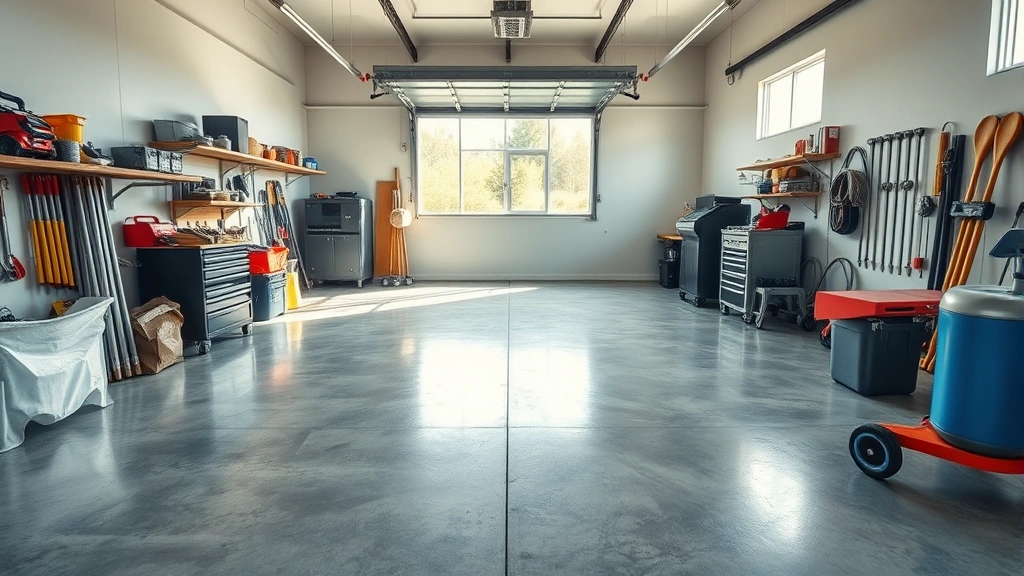
Clean Concrete Floor? Pro Tips for Best Results
Concrete floors are durable workhorses found in garages, basements, warehouses, and industrial spaces throughout North America. Their resilience makes them practical, but their porous surface can trap dirt, oil stains, and grime that regular sweeping won’t eliminate. Whether you’re preparing a garage for a fresh coat of epoxy, maintaining a basement workshop, or simply refreshing your concrete surfaces, knowing how to clean concrete floors properly saves time, extends floor life, and creates a safer working environment.
Professional-grade cleaning doesn’t require expensive equipment or hazardous chemicals. By understanding concrete’s unique characteristics and applying proven techniques, homeowners and DIY builders can achieve results matching professional cleaning services. This comprehensive guide walks you through assessment, preparation, cleaning methods, and maintenance strategies that deliver lasting cleanliness and floor protection.
Understanding Your Concrete Floor
Concrete is a porous material composed of cement, aggregates, and water that cure into a solid surface. This porosity is crucial to understanding cleaning requirements. Unlike sealed tile or polished stone, unsealed concrete absorbs liquids, dust, and contaminants deeply into its structure. According to the American Concrete Institute, concrete’s pore structure can retain moisture and allow staining substances to penetrate up to several inches below the surface.
Concrete floors typically fall into three categories: unsealed (raw), sealed with penetrating sealers, or coated with surface-level protectants like epoxy or polyurethane. Each type requires different cleaning approaches. Raw concrete needs more aggressive cleaning and benefits from protective sealing afterward. Sealed concrete allows easier cleaning since contaminants sit on top rather than penetrating the material. Understanding your floor’s current condition determines which cleaning methods work best and prevents damage from inappropriate techniques.
Age also matters significantly. New concrete (less than 28 days old) remains curing and requires gentle cleaning. Mature concrete can withstand more vigorous scrubbing and pressure washing. Checking your concrete’s installation date helps you select appropriate cleaning intensity and products.
Essential Tools and Materials
Professional results begin with proper equipment. Start with safety gear: wear heavy-duty gloves, safety glasses, and respiratory protection when using chemical cleaners or pressure washers. Concrete dust contains silica, which poses respiratory hazards requiring OSHA-approved masks during dry sweeping or grinding operations.
For basic cleaning, gather these tools:
- Push broom and dustpan for initial debris removal
- Stiff-bristled brush (natural or synthetic) for scrubbing
- Mop and bucket for wet cleaning
- Shop vacuum with HEPA filter for dust containment
- Pressure washer (1500-3000 PSI) for heavy-duty cleaning
- Concrete cleaner (alkaline-based or enzymatic)
- Degreaser for oil and grease removal
Chemical options range from eco-friendly enzymatic cleaners to industrial-strength degreasers. Enzymatic cleaners break down organic matter naturally and work well for biological stains. Alkaline cleaners lift surface dirt effectively. For stubborn residues like tape residue or construction adhesives, specialized removers work better than general cleaners. Always read product labels and follow manufacturer instructions regarding dilution ratios, contact time, and safety precautions.
The Concrete Cleaning Association recommends testing any new product on an inconspicuous area first to ensure compatibility with your specific concrete composition and any existing sealers or coatings.

Step-by-Step Cleaning Process
Phase 1: Preparation and Dry Cleaning
Begin by removing all items from the floor and sweeping thoroughly. Use a push broom to gather loose dirt, dust, and debris into piles. A shop vacuum with HEPA filtration captures fine dust particles that sweeping misses, particularly important for health and air quality. Pay special attention to corners, edges, and areas where dust accumulates against walls or equipment.
For large areas, consider renting a commercial floor sweeper, which efficiently collects debris and prepares the surface for wet cleaning. This preliminary step is non-negotiable because debris trapped under cleaning solution reduces effectiveness and can scratch the surface during scrubbing.
Phase 2: Applying Cleaner
Mix your chosen concrete cleaner according to product instructions. Most alkaline cleaners require dilution with water. Spray or pour the solution across a manageable section (roughly 10-15 square feet). Allow the cleaner to dwell on the surface for the recommended time—typically 10-15 minutes—to penetrate and break down contaminants. This dwell time is critical; skipping it significantly reduces cleaning effectiveness.
For floors with heavy buildup, apply a second coat of cleaner to particularly dirty areas. Let it sit while you work on adjacent sections, maximizing efficiency.
Phase 3: Scrubbing
Using a stiff-bristled brush, scrub the dampened concrete in circular motions, applying moderate pressure. Work methodically across the floor in overlapping strokes to ensure complete coverage. For textured concrete, pay extra attention to surface irregularities where dirt accumulates. A deck brush or floor brush handles larger areas efficiently, while smaller detail brushes address corners and tight spaces.
If you’re dealing with stubborn glue residues from old flooring or construction materials, allow more aggressive scrubbing with stiffer brushes. Some builders use floor stripper machines for large commercial spaces, though hand scrubbing works well for residential projects.
Phase 4: Rinsing
Thoroughly rinse the scrubbed area with clean water using a mop, bucket, or pressure washer set to low-medium pressure (1500-2000 PSI). Multiple rinses ensure all cleaning solution residue is removed. Leftover cleaner can leave streaks, attract dirt faster, and potentially damage sealers if applied later.
For pressure washing, maintain consistent distance (12-18 inches) and move steadily to avoid surface damage. Never use pressure washers exceeding 3000 PSI on unsealed concrete, as excessive pressure can erode the surface and create spalling (surface pitting).

Phase 5: Drying
Allow the concrete to dry completely before sealing or applying protective coatings. Depending on humidity, temperature, and concrete porosity, drying takes 24-72 hours. Ensure adequate ventilation by opening windows or running fans to accelerate moisture evaporation. Moisture trapped in concrete pores compromises sealer adhesion and coating performance, so patience here prevents costly failures.
Removing Stubborn Stains
Different stains require targeted approaches. Oil and grease stains are concrete’s most common problem, particularly in garages and workshops. Fresh spills should be absorbed immediately with absorbent materials like cat litter or baking soda, which wick moisture away from the surface. Once absorbed, sweep up the material and apply a commercial degreaser.
For set-in oil stains, enzymatic degreasers work best because they contain microorganisms that consume organic compounds. Apply the degreaser, allow 24-48 hours dwell time (keep the area damp), then scrub and rinse thoroughly. Stubborn stains may require multiple applications or stronger industrial degreasers containing d-limonene or similar solvents.
Rust stains from metal objects or rebar near the surface need oxalic acid-based cleaners specifically formulated for concrete. These cleaners chemically convert rust compounds into water-soluble forms that rinse away. Always wear gloves and eye protection when handling acid-based products, and ensure proper ventilation.
Mold and mildew thrive in damp concrete, particularly in basements and shaded outdoor areas. Diluted bleach solutions (1 part bleach to 3 parts water) kill mold effectively, though bleach doesn’t prevent regrowth. For lasting results, address moisture sources by improving drainage, installing dehumidifiers, or applying mold-inhibiting sealers. The EPA provides comprehensive mold remediation guidelines for residential spaces.
Paint and coating stains require solvent-based removers or mechanical removal with floor grinders. Chemical paint strippers work on fresh spills, while cured paint typically needs grinding or shot-blasting. For small drips, a wire brush or paint scraper removes surface layers before chemical treatment.
Water stains and efflorescence (white, chalky deposits) indicate mineral deposits and moisture migration. Efflorescence removers containing mild acids dissolve these deposits. Addressing underlying moisture issues prevents recurrence—improve grading around the building, install sump pumps if needed, or apply moisture-blocking sealers underneath concrete slabs.
Sealing and Protection
After thorough cleaning, concrete benefits tremendously from protective sealing. Sealers fall into two categories: penetrating sealers that soak into concrete pores and provide water resistance without changing appearance, and topical sealers that create surface barriers with visible protection and enhanced aesthetics.
Penetrating sealers are ideal for maintaining concrete’s natural look while preventing staining. Silane, siloxane, and urethane-based penetrating sealers allow moisture vapor transmission, preventing trapped water that causes spalling and freeze-thaw damage. These sealers typically last 3-5 years before reapplication.
Topical sealers include epoxy and polyurethane coatings that create hard, glossy or matte finishes. Epoxy provides excellent durability and chemical resistance, making it popular for garage floors and workshops. Polyurethane offers UV resistance and works better outdoors. These coatings require proper surface preparation—clean concrete and sometimes light grinding to ensure adhesion.
The International Code Council addresses concrete durability in building codes, recommending sealers for concrete exposed to moisture, chemicals, or freeze-thaw cycles. Consult your local building department for sealing requirements in your climate zone.
Application timing matters: apply sealers only to completely dry concrete, typically 24-72 hours after cleaning. Follow manufacturer instructions regarding temperature, humidity, and ventilation requirements. Most sealers require 7-14 days of curing before exposing the floor to traffic or moisture.
Maintenance Schedule
Proper maintenance extends concrete life and preserves cleanliness between deep cleanings. Establish a routine:
- Daily: Sweep loose dirt and debris. Wipe up spills immediately to prevent staining.
- Weekly: Damp mop high-traffic areas. Remove tracked-in dirt before it spreads.
- Monthly: Scrub problem areas with mild cleaner. Address fresh stains before they set.
- Quarterly: Deep clean the entire floor using the step-by-step process outlined above.
- Annually: Assess sealer condition. Reapply penetrating sealers as needed. Inspect for damage, spalling, or new stains requiring specialized treatment.
Preventive measures reduce cleaning frequency and protect your investment. Place entry mats at doorways to trap dirt before it reaches concrete. Use drip pans under vehicles and equipment. Apply absorbent materials to fresh spills. Install adequate lighting to identify problems early. These simple practices maintain cleanliness and prevent expensive damage.
For complementary cleaning knowledge, understanding how to clean various surfaces helps you address different materials in your home consistently. Similarly, learning proper cleaning techniques for different materials develops skills applicable across your property.
FAQ
Can I use bleach to clean concrete floors?
Diluted bleach (1:3 ratio with water) kills mold and mildew effectively but doesn’t remove general dirt or oils. Bleach also doesn’t prevent regrowth and can damage some sealers. Use bleach specifically for biological growth, then address moisture sources to prevent recurrence. For general cleaning, alkaline or enzymatic cleaners work better.
How often should I seal my concrete floor?
Penetrating sealers typically last 3-5 years depending on traffic and exposure. Topical sealers like epoxy last 5-10 years with proper maintenance. Test your sealer’s effectiveness by sprinkling water on the surface—if it beads up, the sealer is intact. If water absorbs, resealing is needed. Heavy-traffic areas require more frequent resealing than low-traffic spaces.
Is pressure washing safe for all concrete?
Pressure washers above 3000 PSI can damage unsealed concrete by eroding the surface and creating spalling. New concrete (under 28 days old) requires gentle cleaning only. Sealed concrete tolerates pressure washing better since the sealer protects the substrate. Always test pressure washers on inconspicuous areas first, and maintain proper distance (12-18 inches) and steady motion to avoid damage.
What’s the best way to remove old paint from concrete?
Fresh paint responds to chemical paint strippers and scraping. Cured paint requires mechanical removal using floor grinders, shot-blasting, or sanding. For small areas, wire brushes and paint scrapers work manually. Always wear respiratory protection when grinding or sanding, as concrete dust poses serious health risks. Some professionals use environmentally friendly citrus-based paint strippers as alternatives to harsh chemicals.
Why does my concrete floor have white chalky deposits?
These deposits are efflorescence—mineral salts migrating to the concrete surface as moisture evaporates. While cosmetically undesirable, efflorescence isn’t harmful. Remove it with efflorescence removers or mild acid solutions, then address underlying moisture issues through improved drainage, dehumidifiers, or moisture-blocking sealers. Preventing regrowth requires controlling moisture sources, not just removing visible deposits.
Can I clean concrete with vinegar?
Vinegar (acetic acid) works for light cleaning and can help dissolve some mineral deposits, but it’s not strong enough for heavy-duty cleaning or grease removal. Mix vinegar 1:1 with water for gentle cleaning of sealed concrete. For unsealed concrete or stubborn stains, stronger alkaline or enzymatic cleaners are more effective. Vinegar suits maintenance cleaning between deep cleanings rather than primary cleaning solutions.


