How to Clean Leather Furniture: Pro Tips from Experts
Leather furniture adds elegance and sophistication to any home, but maintaining its beauty requires knowledge and care. Whether you own a premium leather sofa, a well-worn armchair, or a leather dining set, understanding proper cleaning techniques will extend its lifespan and keep it looking luxurious for years. Many homeowners make costly mistakes by using harsh chemicals or incorrect methods that damage the leather’s natural finish and protective coating.
Professional furniture cleaners and leather care specialists have developed proven techniques to safely remove dirt, stains, and odors while preserving the leather’s integrity. This comprehensive guide shares insider secrets for cleaning leather furniture effectively, covering everything from daily maintenance to deep cleaning solutions. Whether you’re dealing with spilled wine, pet accidents, or accumulated dust, you’ll find expert-approved methods that work without professional equipment or expensive service calls.
Understanding Your Leather Type
Before cleaning your leather furniture, identify what type of leather you have. Full-grain leather is the highest quality, featuring the complete hide with natural markings and durability. Top-grain leather has the outer layer sanded smooth for a uniform appearance but remains breathable and durable. Split leather and bonded leather are lower-quality options made from leftover hide fibers, and they require gentler handling.
Aniline leather absorbs dyes naturally without protective coatings, making it softer but more susceptible to staining. Semi-aniline leather has a light protective coating, offering better stain resistance. Pigmented leather features a thick protective finish and is the most durable and stain-resistant option. Check your furniture documentation or contact the manufacturer to determine your leather’s classification, as this affects which cleaning products and methods you can safely use.
Understanding the difference between genuine leather and bonded leather is crucial. Genuine leather develops a natural patina over time and improves with age. Bonded leather, made from leather scraps held together with polyurethane, can peel and deteriorate if cleaned too aggressively. Most DIY home improvement projects can benefit from proper research, and furniture care is no exception.
Essential Cleaning Supplies
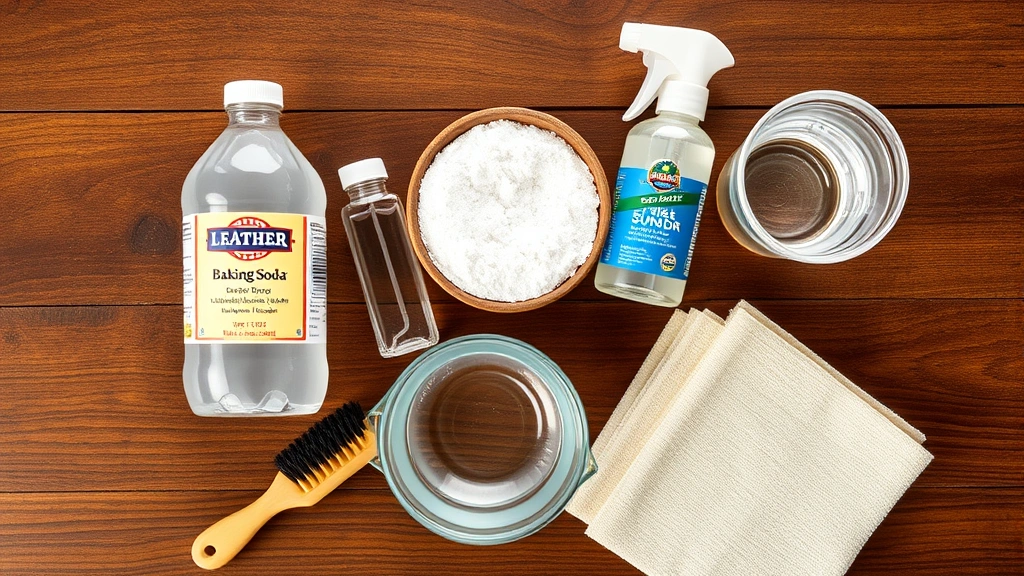
Gather these professional-grade supplies before starting your leather cleaning project. You’ll need distilled water, which prevents mineral deposits that tap water leaves behind. White vinegar acts as a natural cleaner and deodorizer without harsh chemicals. Mild dish soap, when diluted properly, safely removes dirt without stripping natural oils.
Microfiber cloths are essential—they’re soft enough to avoid scratching leather while effectively trapping dirt particles. Avoid paper towels, which can be too abrasive. Leather conditioner replenishes natural oils and prevents cracking. Many professionals recommend The Leather Institute’s recommended products for conditioning.
Optional supplies include rubbing alcohol for stubborn stains, baking soda for odor removal, and linseed oil for deep conditioning. Invest in a leather protectant spray to create a barrier against future spills. Never use bleach, acetone, or harsh solvents, which damage leather permanently. Avoid furniture polish designed for wood, as it can leave sticky residue on leather surfaces.
Daily Maintenance Routine
Proper daily maintenance prevents dirt accumulation and extends the time between deep cleanings. Dust your leather furniture weekly with a soft, dry microfiber cloth. This removes surface particles that can scratch leather when you sit down. Brush gently in circular motions rather than aggressive scrubbing.
Wipe spills immediately with a clean, dry cloth. Don’t rub; instead, blot the area to absorb moisture. For liquid spills, act within minutes before they penetrate the leather’s surface. Keep leather furniture away from direct sunlight, which fades color and dries out the material. Close blinds or use furniture covers during peak sun hours.
Rotate cushions and pillows monthly to ensure even wear. This prevents one area from becoming compressed while others remain plump. Maintain proper humidity levels in your home—between 40-55% relative humidity is ideal for leather. Very dry air causes cracking, while excessive moisture promotes mold and mildew growth. Consider using a humidifier during winter months when heating systems dry indoor air significantly.
Spot Cleaning Techniques
Address fresh stains immediately for best results. Create a simple cleaning solution by mixing one part white vinegar with two parts distilled water. Test this solution on an inconspicuous area first to ensure it doesn’t affect color or finish. Dampen a microfiber cloth with the solution and gently wipe the stained area using circular motions.
For oily stains, sprinkle baking soda directly on the spot and let it sit for 15 minutes to absorb oils. Vacuum gently with an upholstery attachment, then wipe with a damp cloth. For ink stains, apply rubbing alcohol to a cloth and dab the area carefully, working from the outside toward the center to prevent spreading. Never pour liquid directly onto leather—always apply it to your cloth first.
Chocolate stains should be allowed to dry completely before cleaning. Once hardened, gently scrape away excess chocolate with a plastic scraper, then clean the residue with your vinegar solution. Mud stains require patience—let them dry completely, then brush away dried particles before wet cleaning. Attempting to clean wet mud often drives it deeper into leather pores.
Pet accidents require immediate attention to prevent permanent odors and stains. Blot urine with paper towels, then clean with a solution of equal parts white vinegar and distilled water. Follow up with baking soda to neutralize remaining odors. For solid waste, remove it immediately and clean the area thoroughly. Consider consulting The Spruce’s pet stain removal guide for additional strategies.
Deep Cleaning Methods
Deep cleaning your leather furniture every 6-12 months maintains its appearance and extends lifespan. Start by vacuuming thoroughly with an upholstery attachment, getting into crevices and seams where dirt accumulates. This removes loose particles before wet cleaning begins.
Prepare a deep-cleaning solution by mixing one tablespoon of mild dish soap with two cups of distilled water. Stir gently to create light suds. Dip a microfiber cloth into the solution—it should be damp, not soaking—and wipe the entire furniture piece in circular motions. Work in small sections, rinsing your cloth frequently in clean water to avoid spreading dirt around.
After applying the soap solution, use a cloth dampened with plain distilled water to remove all soap residue. This step is crucial—leftover soap leaves a dull film on leather. Dry the furniture immediately with clean, dry cloths. Open windows to promote air circulation and faster drying. Never use heat sources like hair dryers or space heaters, which can shrink and crack leather.
For stubborn grime, use a soft-bristled brush designed for leather furniture. Brush gently in circular motions rather than back-and-forth scrubbing. Professional leather cleaners often employ steam cleaning for deep dirt removal, but this requires specialized equipment. If your furniture has extensive soiling, consulting a professional leather cleaning service may be worthwhile.
Dealing with Stubborn Stains
Some stains resist standard cleaning methods and require specialized approaches. Grease stains respond well to a paste made from baking soda and water. Apply the paste to the stain, let it dry completely, then brush away gently. Repeat if necessary until the stain lightens.
Wine and juice stains require quick action. Blot immediately, then apply a solution of one part vinegar to two parts water. For red wine specifically, some professionals recommend using salt to draw out the stain—sprinkle salt on the wet stain immediately, let it absorb the liquid, then vacuum and clean. Avoid this method on delicate leather, as salt can be abrasive.
Water rings from wet glasses respond to leather conditioning. Apply a small amount of leather conditioner to the area and rub gently until the ring disappears. The conditioner restores moisture that water removed. For stubborn water marks, use a cloth dampened with equal parts vinegar and water, then condition immediately after.
Scuff marks and scratches need different treatment depending on severity. Light scuffs often disappear when you apply leather conditioner. Deeper scratches may require leather repair cream that matches your furniture’s color. Test any repair product on a hidden area first. Professional leather repair specialists use specialized dyes and compounds for severe damage, which may be necessary for valuable pieces.
Mold and mildew growth indicates excessive moisture. Clean affected areas with a cloth dampened in vinegar, which kills mold spores. Increase air circulation and reduce humidity levels to prevent recurrence. If mold growth is extensive, professional remediation may be necessary. Don’t ignore this issue, as mold can damage leather permanently and pose health risks.
Conditioning and Protection
Leather conditioning is essential for maintaining suppleness and preventing cracking. Apply leather conditioner every 6-12 months, depending on usage and climate. Use products specifically formulated for furniture leather, not shoe polish or automotive leather treatments, which have different formulations.
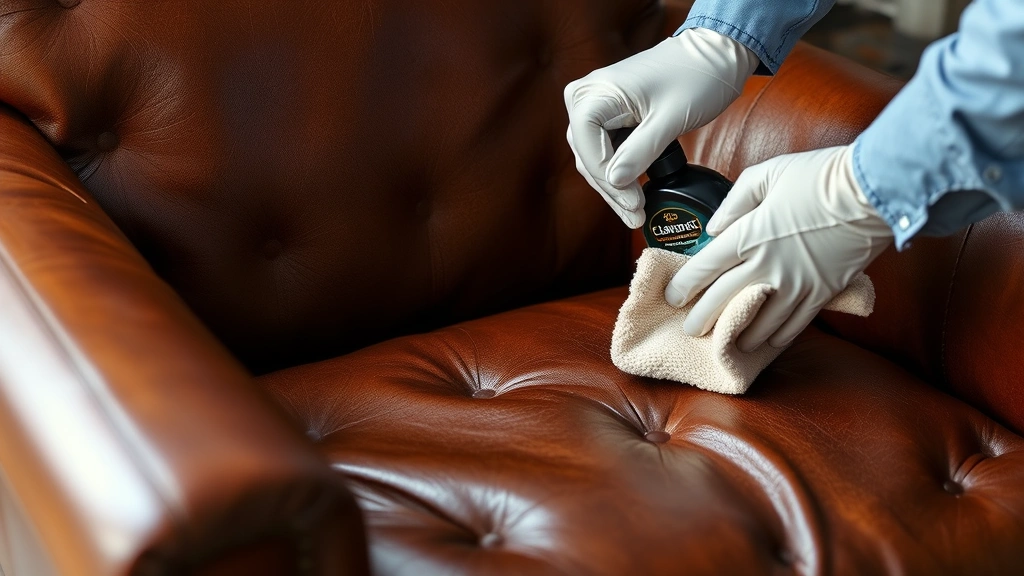
To condition your furniture, apply a small amount of conditioner to a soft cloth and rub it into the leather using circular motions. Work in small sections, allowing the conditioner to absorb. Buff away excess conditioner with a clean cloth. The leather should feel soft and look slightly glossy when properly conditioned. Over-conditioning creates a sticky residue, so use restraint.
Leather protectant sprays create an invisible barrier that resists spills and stains. Apply protectant after cleaning and conditioning, following the product’s instructions carefully. Most protectants require reapplication every 12-18 months. This preventive step significantly reduces stain severity when accidents occur, buying you time to clean spills before they set permanently.
Temperature and humidity control protect leather between cleanings. Maintain consistent temperatures—avoid placing furniture near heating vents, fireplaces, or air conditioning units that create temperature fluctuations. Extreme heat dries leather and causes cracking, while cold can make it brittle. Position furniture away from windows where UV rays fade color over time. If you’re painting rooms or making home improvements, be cautious about protecting leather furniture from dust and chemical exposure during projects.
Storage of leather furniture requires special attention. If storing seasonally or long-term, clean and condition the piece thoroughly first. Wrap it in breathable fabric, not plastic, which traps moisture and promotes mildew. Store in a climate-controlled space with moderate humidity. Never store leather furniture in basements or attics prone to temperature and humidity fluctuations.
Frequently Asked Questions
Can I use saddle soap on modern leather furniture?
Saddle soap, traditionally used for horse tack and leather jackets, can work on some furniture but may be too heavy for delicate modern pieces. Test on a hidden area first. For contemporary furniture, mild dish soap solutions or commercial leather cleaners formulated specifically for furniture are generally safer choices.
What’s the difference between cleaning and conditioning leather?
Cleaning removes dirt, stains, and grime from the leather surface. Conditioning replenishes natural oils that leather loses over time due to exposure, cleaning, and use. Both processes are necessary—cleaning maintains appearance while conditioning maintains the material’s health and flexibility.
How often should I condition leather furniture?
Most experts recommend conditioning every 6-12 months for furniture in regular use. Furniture in dry climates may need more frequent conditioning, while pieces in humid environments need less. If leather feels dry or stiff, it’s time to condition regardless of how long it’s been since the last application.
Is vinegar safe for all leather types?
Vinegar is safe for most leather types when properly diluted, but aniline and delicate leathers may be sensitive. Always test diluted vinegar on an inconspicuous area first. Some leather finishes may be affected by vinegar’s acidity, so caution is warranted with valuable or specialty pieces.
What should I do if leather furniture smells bad?
Odors often indicate moisture, mold, or pet accidents. Address the underlying cause by improving ventilation and reducing humidity. Sprinkle baking soda on affected areas, let sit overnight, then vacuum thoroughly. For persistent odors, place bowls of activated charcoal or crumpled newspaper near the furniture to absorb smells. Professional ozone treatment is available for severe odor problems.
Can I use a steam cleaner on leather furniture?
Professional steam cleaning can work on leather furniture, but it requires expertise and specialized equipment. Excessive heat and moisture can damage leather, so this method is best left to professionals. For home cleaning, stick to damp cloth methods rather than steam.
How do I prevent leather furniture from fading?
UV rays cause fading, so minimize direct sunlight exposure. Use window treatments like curtains, blinds, or UV-protective films. Rotate furniture occasionally if possible to ensure even fading. Apply leather protectant products that include UV inhibitors for additional protection.
What’s the best way to remove ink stains from leather?
Fresh ink stains respond to rubbing alcohol applied carefully with a cloth. Dab rather than rub, working from the outside of the stain toward the center. For set-in ink stains, professional cleaning or specialized leather repair services may be necessary. Permanent markers are particularly difficult to remove.
For cleaning leather clothes and other leather items, similar principles apply with adjustments for garment construction. When you’re concerned about valuable pieces, professional expertise ensures the best outcomes. Just as cleaning gold jewelry at home requires specific knowledge, leather furniture care benefits from understanding material properties and appropriate techniques.


