Clean Gold Jewelry Safely: Pro Tips to Shine
Gold jewelry holds both monetary and sentimental value, making proper maintenance essential for preserving its brilliance and longevity. Over time, gold pieces accumulate dust, oils, and tarnish that dull their natural radiance. Learning how to clean gold jewelry at home empowers you to restore shine without expensive professional services or harsh chemicals that could damage delicate pieces.
Whether you’re caring for an heirloom engagement ring, vintage necklaces, or everyday bracelets, understanding safe cleaning methods protects your investment while achieving professional results. This comprehensive guide covers proven techniques, materials, and safety precautions that jewelry experts recommend for maintaining gold’s lustrous appearance.
Understanding Gold Types and Composition
Gold jewelry comes in various compositions that affect cleaning methods. Pure gold, rated 24 karats, is too soft for daily-wear jewelry, so manufacturers alloy it with other metals. 14-karat gold contains 58.3% pure gold mixed with stronger metals like copper or silver, making it ideal for rings and bracelets. 18-karat gold offers 75% purity with enhanced durability. Gold-plated jewelry features a thin gold layer over base metals, requiring gentler handling to prevent wearing through the plating.
The alloy metals used significantly impact how your jewelry responds to cleaning. Copper-based alloys may tarnish or develop patina over time. White gold often contains nickel or palladium, while rose gold’s reddish hue comes from copper content. Understanding your jewelry’s specific composition helps you select appropriate cleaning methods and protects gemstones like diamonds, sapphires, or pearls that may be set in your pieces.
Check jewelry documentation or ask a jeweler about your pieces’ karatage before applying any cleaning solution. This knowledge prevents damage and ensures you’re using methods suited to your specific items.
Essential Cleaning Supplies and Materials
Successful gold jewelry cleaning requires specific supplies that you likely already have at home. The most important items include mild dish soap, lukewarm water, soft-bristled brushes, lint-free cloths, and various natural cleaning agents. Gathering these materials before starting ensures a smooth, efficient cleaning process.
Basic supplies needed:
- Mild dish soap (dawn or similar gentle formulas)
- Lukewarm water (never hot or cold)
- Soft-bristled toothbrush or jewelry brush
- Microfiber cloths or soft cotton cloths
- Baking soda
- White vinegar
- Rubbing alcohol (70% isopropyl)
- Small glass bowls or containers
- Paper towels
- Optional: ammonia-free jewelry cleaner
For those interested in broader cleaning techniques for various household items, similar gentle approaches apply. When working with delicate jewelry, invest in a dedicated soft brush—never use old toothbrushes that may harbor bacteria or residue from previous uses.
Avoid gathering harsh chemicals like bleach, acetone, or commercial drain cleaners. These substances can permanently damage gold’s surface, discolor gemstones, or weaken metal bonds. Similarly, skip steel wool, scouring pads, and abrasive materials that scratch precious metals.
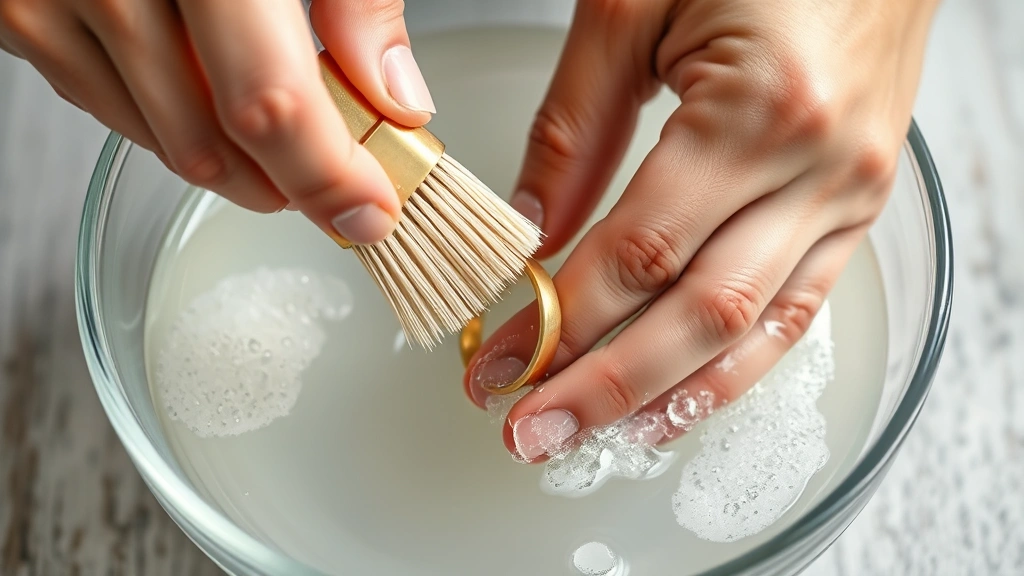
The Gentle Soap and Water Method
The most basic and safest approach for regular gold jewelry maintenance is the soap and water method. This technique works excellently for solid gold pieces without delicate gemstones or porous stones like opals and pearls that absorb water.
Step-by-step process:
- Fill a small bowl with lukewarm water—test temperature with your inner wrist to ensure it’s comfortable
- Add 2-3 drops of mild dish soap to the water and gently swirl to distribute
- Place jewelry in the soapy solution for 15-20 minutes, allowing time for dirt and oils to loosen
- Remove pieces and gently scrub with a soft-bristled brush, paying attention to crevices and settings
- Rinse thoroughly under running lukewarm water until soap residue completely disappears
- Pat dry immediately with a soft cloth to prevent water spots
This method removes everyday dust, skin oils, and light tarnish without risk of damage. The gentle approach works particularly well for gold chains, simple bands, and pieces with secure gemstone settings. For engagement rings and frequently worn items, perform this cleaning weekly to maintain brilliance and prevent buildup that becomes harder to remove over time.
Never leave gold jewelry soaking indefinitely—15-20 minutes is optimal. Extended soaking doesn’t improve cleaning results and may weaken solder joints or loosen stone settings over time.
Baking Soda Solutions for Stubborn Tarnish
Baking soda offers remarkable cleaning power for tarnished gold, particularly useful for white gold or pieces showing dark discoloration. This natural abrasive gently removes oxidation without scratching the precious metal surface.
Baking soda paste method:
- Mix 3 parts baking soda with 1 part water in a small bowl to create a thick paste
- Apply paste directly to jewelry using a soft cloth or soft-bristled brush
- Gently rub in circular motions, focusing on tarnished areas and hard-to-reach crevices
- Let the paste sit for 5-10 minutes on heavily tarnished pieces
- Rinse thoroughly under running water, ensuring all paste residue is removed
- Dry immediately with a soft cloth
For delicate or antique pieces, test the baking soda paste on a small, inconspicuous area first. Some vintage gold may have special finishes or patinas that you want to preserve. The gentleness of baking soda makes it safer than commercial metal polishes, which often contain harsh chemicals.
Baking soda soak for severe tarnish:
- Line a bowl with aluminum foil (shiny side up)
- Place jewelry on the foil
- Mix 1 tablespoon baking soda with 1 cup hot water
- Pour solution over jewelry, ensuring pieces contact the foil
- Let sit for 5-15 minutes depending on tarnish severity
- Remove jewelry, scrub gently if needed, rinse, and dry thoroughly
This aluminum foil method works through an electrochemical reaction where the foil helps remove tarnish from the gold surface. It’s particularly effective for silver-colored gold alloys and works safely without abrasive scrubbing.
Vinegar and Alcohol Techniques
White vinegar and rubbing alcohol provide effective cleaning solutions for gold jewelry, particularly pieces with gemstones or intricate designs where residue accumulates in tight spaces. These liquids penetrate crevices that brushes may miss.
White vinegar method:
- Pour white vinegar into a small glass bowl
- Submerge gold jewelry in vinegar for 10-15 minutes
- Remove pieces and gently scrub with a soft brush if needed
- Rinse thoroughly under running water multiple times to remove vinegar smell
- Dry immediately with a soft cloth
Vinegar’s acidity breaks down buildup and tarnish effectively. The smell dissipates quickly once pieces are rinsed and dried. For jewelry with gemstones, ensure stones are securely set before soaking—loose settings may allow vinegar to penetrate and weaken adhesives.
Rubbing alcohol method:
- Pour 70% isopropyl rubbing alcohol into a container
- Soak jewelry for 5-10 minutes
- Use a soft brush to gently clean, particularly around gemstone settings
- Remove jewelry and let air dry or pat with a cloth
Rubbing alcohol evaporates quickly, making it excellent for pieces with gemstones that shouldn’t stay wet. It disinfects while cleaning, beneficial for jewelry worn against skin. Avoid using denatured alcohol or high-proof spirits, which may contain additives harmful to gold or gemstones.
Drying and Storage Best Practices
Proper drying and storage prevent water spots, tarnish, and damage between cleanings. How you care for jewelry after washing significantly impacts its long-term appearance and integrity.
Drying techniques:
- Pat jewelry immediately with lint-free microfiber cloths
- For pieces with gemstones, use paper towels to avoid lint residue
- Never air dry gold jewelry, as water spots and mineral deposits form
- For intricate pieces, use a soft cloth to gently work between crevices
- Ensure pieces are completely dry before storing
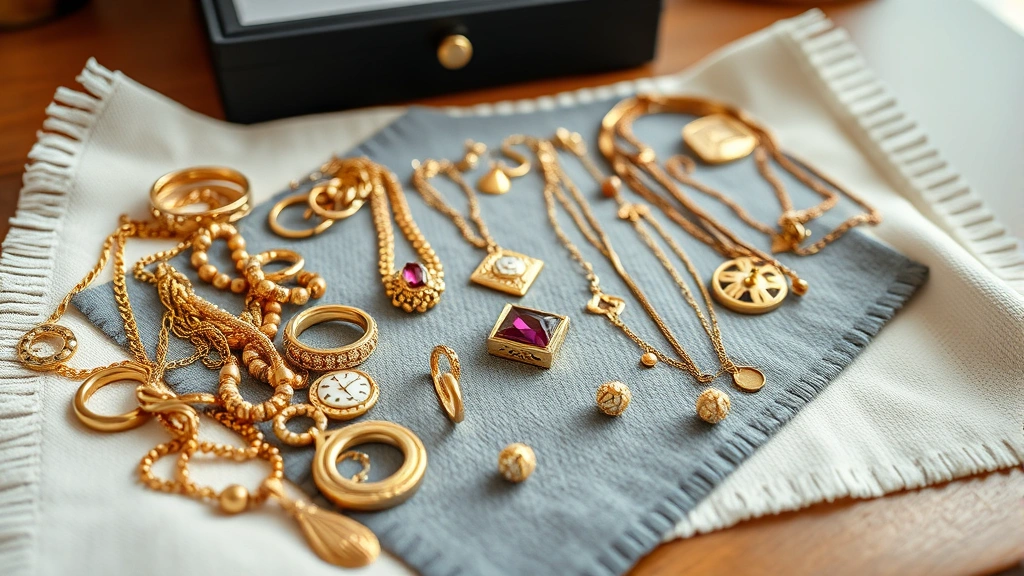
Storage conditions directly affect tarnish development. Store gold jewelry in a cool, dry location away from humidity, which accelerates oxidation. Individual cloth pouches or jewelry boxes with compartments prevent pieces from scratching each other. For valuable heirlooms, similar care principles apply as when protecting valuable home items from damage.
Storage best practices:
- Use individual soft cloth pouches for each piece
- Store in a jewelry box with compartments or drawer organizer
- Keep in a cool location away from direct sunlight
- Avoid storing in bathrooms where humidity is high
- Use silica gel packets in storage containers to absorb moisture
- Keep jewelry away from perfumes, lotions, and hairspray
- Store chains separately to prevent tangling
For frequently worn pieces, consider storing them on a jewelry stand or in an easily accessible box. This encourages regular cleaning and inspection for loose stones or damaged settings.
What to Avoid When Cleaning Gold
Understanding what damages gold jewelry is as important as knowing proper cleaning methods. Many household products and techniques seem logical but actually harm precious metals and gemstones.
Never use these materials:
- Harsh chemicals: Bleach, drain cleaner, acetone, and industrial solvents permanently damage gold and gemstones
- Abrasive materials: Steel wool, scouring pads, and sandpaper scratch and dull the surface
- Extreme temperatures: Very hot water can loosen stone settings and warp delicate pieces
- Ultrasonic cleaners: For jewelry with loose stones, opals, pearls, or porous gems—vibrations can dislodge stones
- Steam cleaners: High-pressure steam damages delicate settings and loose gems
- Toothpaste: Abrasive particles scratch gold and can damage gemstone coatings
- Chlorine: Found in pools and bleach, chlorine weakens metal and discolors gold
Remove gold jewelry before swimming, showering with chlorinated water, or engaging in activities involving harsh chemicals. Cosmetics, lotions, and perfumes also dull gold over time by creating buildup on the surface. Developing a habit of removing jewelry before applying these products extends the time between deep cleanings.
For gold-plated jewelry, be especially careful with aggressive cleaning. The thin gold layer can wear through with excessive scrubbing, exposing the base metal underneath. Gentle methods are essential for maintaining the appearance and value of plated pieces.
Professional Ultrasonic Cleaning at Home
Ultrasonic jewelry cleaners use high-frequency sound waves to agitate cleaning solution and remove stubborn debris from jewelry surfaces and settings. These devices are widely available for home use, offering professional-quality results when used correctly.
Safe ultrasonic cleaning guidelines:
- Only use for solid gold pieces with securely set gemstones
- Avoid ultrasonic cleaning for opals, pearls, emeralds, and porous stones
- Never use for vintage or antique pieces with potentially weak settings
- Follow manufacturer instructions for solution type and duration
- Use distilled water to prevent mineral deposits
- Run for 5-10 minutes maximum—longer exposure doesn’t improve results
- Remove jewelry immediately after cycle completes
Ultrasonic cleaners excel at removing trapped dirt in intricate settings, around prongs, and in chain links. However, the vibration can dislodge loosely set stones, so inspect pieces before using this method. If your jewelry has any visible movement of stones or loose settings, stick with gentler manual cleaning methods.
For similar deep-cleaning approaches to other household items, many people use ultrasonic technology. While we focus on jewelry here, the same caution about delicate items applies—understanding your specific pieces’ condition determines appropriate cleaning intensity.
FAQ
How often should I clean my gold jewelry?
Clean frequently worn pieces weekly using the gentle soap and water method. Pieces worn occasionally can be cleaned monthly. Deep cleaning with baking soda or vinegar should occur every 3-6 months depending on how much tarnish develops. Store-only pieces need cleaning only before wearing.
Can I clean gold jewelry with stones in it?
Yes, but verify stone types first. Diamonds, sapphires, and rubies are durable and safe with all methods described. Avoid soaking opals, pearls, emeralds, and porous stones in water. For these delicate gems, use the dry baking soda paste method or consult a professional jeweler.
Is it safe to use lemon juice to clean gold?
Lemon juice is acidic and can damage certain gold alloys, particularly those containing copper. Stick with white vinegar instead, which is gentler while still providing acidic cleaning benefits. Avoid citric acid products on antique or delicate pieces.
Why does my gold jewelry tarnish?
Gold itself doesn’t tarnish, but alloy metals mixed with pure gold do oxidize when exposed to air, moisture, and sulfur compounds. White gold may show tarnish more visibly than yellow gold due to its lighter color. Regular cleaning and proper storage minimize tarnish development.
Can I use commercial jewelry cleaner on gold?
Many commercial cleaners are safe for gold, but verify they’re ammonia-free before using. Check the label and test on inconspicuous areas first. Natural methods using household ingredients are safer and equally effective for regular maintenance.
How do I clean gold-plated jewelry without damaging the plating?
Use only the gentle soap and water method for gold-plated pieces. Avoid baking soda pastes, vinegar soaks, and ultrasonic cleaning, which can wear through the thin gold layer. Pat dry immediately to prevent water spots and tarnish under the plating.
What causes gold jewelry to lose its shine?
Dust, skin oils, cosmetics, and environmental pollutants accumulate on gold surfaces, dulling shine. Tarnish from oxidized alloy metals also reduces brilliance. Regular gentle cleaning restores shine without damaging the metal or gemstones.
Can I clean antique gold jewelry at home?
Antique pieces require extra caution due to potentially weak solder joints, loose settings, and delicate craftsmanship. Use only the gentlest methods—lukewarm soapy water and soft brushing. For valuable antiques, consult a professional jeweler before attempting home cleaning.


