How to Remove Water Spots on Your Car: A Detailer’s Complete Guide
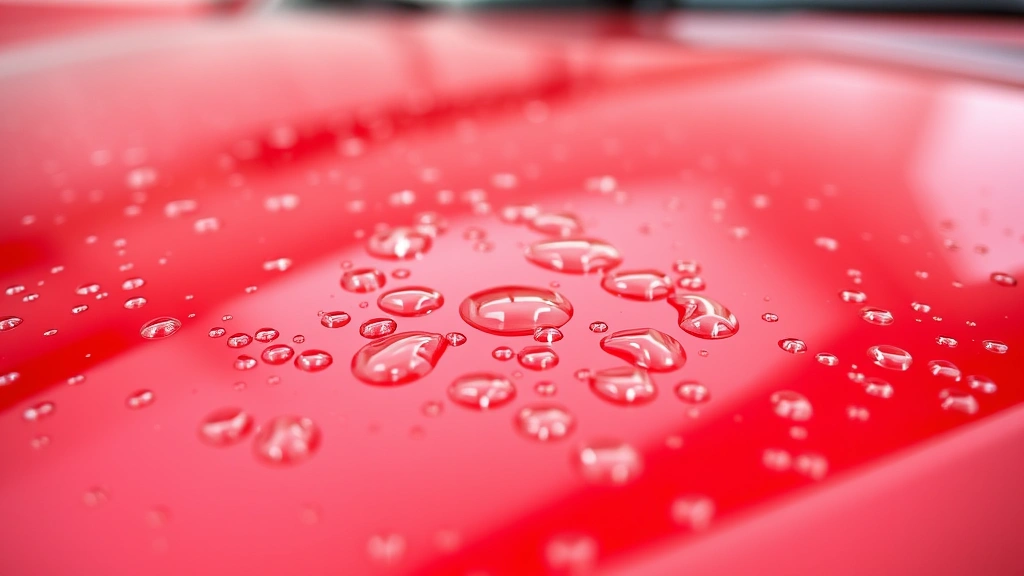
Water spots are one of the most frustrating imperfections that plague car owners, appearing after rain, car washes, or sprinkler overspray. These mineral deposits form when water evaporates on your vehicle’s paint, leaving behind calcium, magnesium, and other dissolved minerals that create unsightly marks. Whether you’re dealing with light etching or stubborn hard water stains, understanding the science behind water spots and the proven removal techniques will help you restore your car’s pristine finish.
As a detailing enthusiast, you’ve probably noticed that some water spots are easier to remove than others. This guide walks you through every method—from simple home solutions to professional-grade techniques—to help you tackle water marks effectively. We’ll explore prevention strategies, treatment options, and best practices to keep your vehicle looking showroom-ready year-round.
Understanding Water Spots and Their Causes
Water spots develop when mineral-laden water sits on your car’s paint and evaporates, leaving behind concentrated mineral deposits. The composition of these spots depends entirely on your local water supply. Hard water areas with high mineral content create more severe spotting, while soft water regions may see minimal issues. Understanding what causes water spots helps you choose the most effective removal strategy.
Two primary types of water spots affect vehicles: mineral deposits that sit on the surface and etched spots that have bonded chemically to the clear coat. Fresh water spots are typically surface-level and easier to remove, while older spots may have etched into the paint’s protective layer, requiring more aggressive treatment. The longer water sits on your vehicle, the more likely it is to etch, making quick action essential for best results.
Hard water contains dissolved minerals like calcium and magnesium that concentrate as water evaporates. When you wash your car and allow it to air dry, these minerals remain on the surface. Tap water from garden hoses, sprinklers, and even some car wash facilities can introduce these minerals. Understanding your local water quality helps you anticipate spotting issues and plan preventative measures accordingly.
Prevention: The First Line of Defense
The most effective approach to water spots is preventing them from forming in the first place. Proper car cleaning practices significantly reduce spotting risk. Always dry your vehicle immediately after washing using microfiber towels or a leaf blower to prevent water from sitting on the paint. This single habit eliminates the majority of potential water spot problems before they start.
Apply a quality ceramic coating or wax to create a hydrophobic barrier that causes water to bead and roll off rather than pooling. These protective layers make water spots less likely to form and easier to remove if they do develop. Reapply wax every three to six months, or ceramic coatings every six to twelve months, depending on the product and climate conditions.
Consider using distilled water for final rinses instead of tap water. Distilled water contains virtually no minerals, eliminating the primary cause of spotting. While this requires a bit more effort, it’s an excellent solution for vehicles with persistent water spot problems. You can also install a water softener on your outdoor spigot if you frequently wash your car at home.
Avoid parking under trees or in areas where sprinkler systems operate, as these are common sources of mineral-heavy water. When parking in the sun, position your vehicle to minimize direct water exposure. Cover your car during heavy rain or when sprinkler systems are active to prevent water from settling on the paint.
Basic Removal Methods for Fresh Water Spots
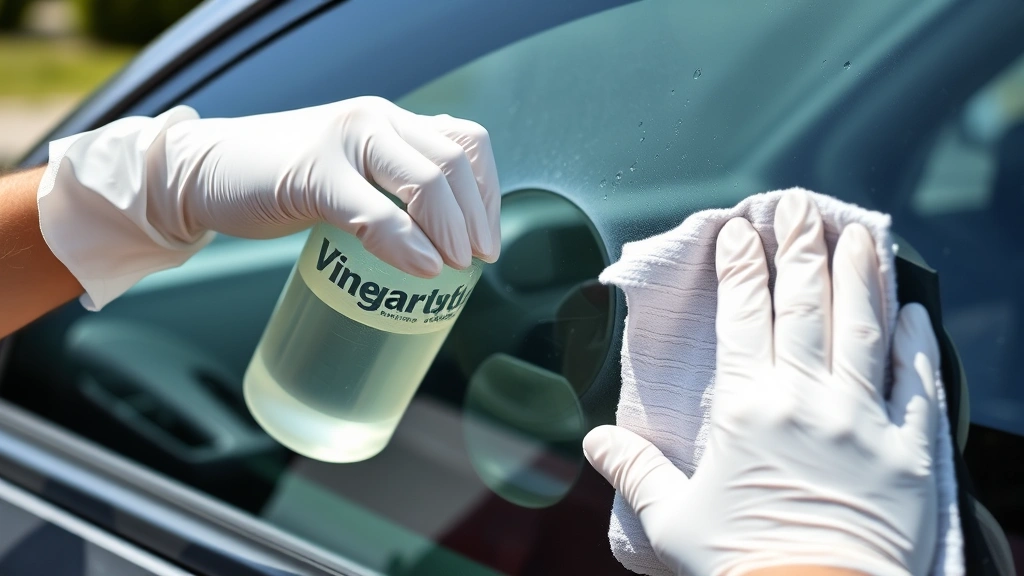
For recently formed water spots, simple household solutions often work remarkably well. White vinegar is one of the most effective natural remedies, containing acetic acid that dissolves mineral deposits. Mix equal parts white vinegar and distilled water in a spray bottle, apply to affected areas, and let sit for five to ten minutes before wiping with a soft microfiber cloth. This method works best on fresh spots that haven’t etched the clear coat.
Baking soda creates a gentle abrasive paste when mixed with water, perfect for light water spot removal. Combine three parts baking soda with one part distilled water to create a consistency similar to peanut butter. Apply with a soft cloth using circular motions, then rinse thoroughly with distilled water. This technique is safer than aggressive scrubbing and won’t damage the clear coat when done properly.
Lemon juice offers another natural option due to its citric acid content. Cut a fresh lemon in half and rub directly onto water spots, or mix lemon juice with distilled water in a spray bottle. The acid breaks down mineral deposits effectively, though you must rinse thoroughly afterward to prevent any residual acidity from affecting the paint. Test on a small area first to ensure compatibility with your vehicle’s finish.
For larger affected areas, a clay bar treatment provides excellent results. Clay bars mechanically lift contaminants from the paint surface without requiring chemicals. Wet the area with distilled water, then gently rub the clay bar across the surface using straight-line motions. Rinse frequently and inspect progress. Clay bars are particularly effective for fresh water spots and are safer for the clear coat than aggressive polishing.
Advanced Techniques for Stubborn Stains
When basic methods don’t work, rubbing compound becomes necessary. This mildly abrasive product removes thin layers of clear coat to eliminate etched water spots. Apply the compound with a microfiber applicator pad using gentle circular motions, working in small sections. Wipe clean with a soft cloth and assess results. This method requires care, as aggressive rubbing can damage the paint, so start gently and increase pressure only if needed.
Isopropyl alcohol (70% concentration) effectively removes mineral deposits without harming most clear coats. Dampen a microfiber cloth with isopropyl alcohol and gently buff affected areas. The alcohol evaporates quickly and leaves no residue, making it ideal for final touch-ups. Always work in well-ventilated areas and avoid inhaling fumes. Never use pure, undiluted alcohol, as this can damage the clear coat.
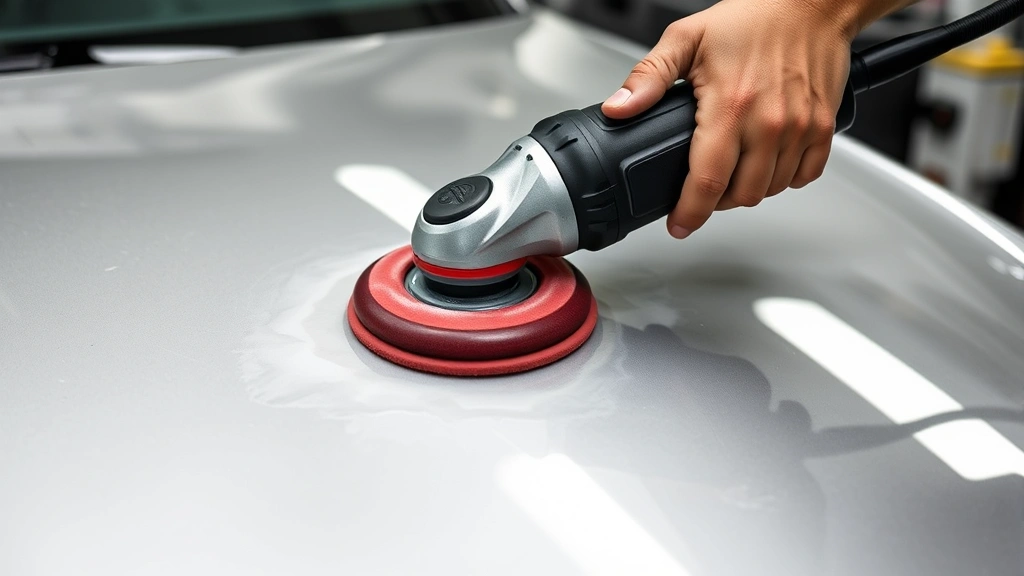
For deeply etched water spots, polishing compounds designed specifically for automotive paint work best. These products contain finer abrasives than rubbing compounds and restore shine while removing surface damage. Apply with an electric dual-action polisher on low speed for best results, or use hand application if a polisher isn’t available. Follow manufacturer instructions carefully, as improper technique can cause swirl marks or uneven paint removal.
Steam cleaning offers a chemical-free approach to stubborn water spots. A high-pressure steam cleaner forces water through mineral deposits, dislodging them without harsh chemicals. This method works well for vehicles with multiple affected areas and is gentle on the clear coat. Ensure the steamer is set to appropriate pressure to avoid damage, and follow up with microfiber towel drying.
Professional-Grade Solutions
If home remedies fail, professional detailers have access to industrial-strength products and equipment. Professional-grade water spot removers contain powerful chelating agents that dissolve mineral deposits quickly and effectively. These products are typically stronger than consumer versions and produce faster results, though they require proper safety precautions and expertise to apply correctly.
Paint correction services involve machine polishing to remove etched water spots by carefully abrading the clear coat. Professional detailers use specialized equipment and compounds to feather repairs seamlessly, restoring the paint’s original appearance. This approach works for severe spotting that home methods cannot address, though it does involve some clear coat removal.
Ceramic coating applications provide long-term protection after water spot removal. Professional installers apply premium ceramic coatings that create a harder, more durable protective layer than consumer products. These coatings make future water spotting less likely and easier to remove if it does occur. The investment pays dividends in reduced maintenance and improved paint longevity.
Tools and Products You’ll Need
Essential tools for water spot removal include microfiber towels (preferably in multiple colors to prevent cross-contamination), spray bottles, and soft-bristled brushes. High-quality microfiber absorbs water efficiently and won’t scratch the clear coat when used properly. Always use clean towels for final drying to avoid reintroducing contaminants.
Stock your detailing arsenal with distilled water, white vinegar, isopropyl alcohol, and a clay bar kit. For more serious spots, invest in rubbing compound, polishing compound, and either a dual-action polisher or foam applicator pads for hand application. A pressure sprayer or foam cannon helps apply cleaning solutions evenly across large areas.
Safety equipment matters too—wear nitrile gloves when handling chemical products, use eye protection, and ensure adequate ventilation when working with solvents. A well-lit workspace helps you spot areas you’ve missed and assess your progress accurately. Consider investing in a natural cleaning approach using vinegar and baking soda before resorting to stronger chemicals.
Quality matters when selecting products—premium microfiber towels, professional-grade compounds, and reputable brands deliver better results than budget alternatives. Read reviews from automotive enthusiasts and detailers to identify products that consistently perform well. Many professionals recommend specific brands based on years of experience and proven effectiveness.
FAQ
What causes water spots on cars?
Water spots form when mineral-laden water evaporates on your vehicle’s paint, leaving behind calcium, magnesium, and other dissolved minerals. Hard water areas experience more severe spotting. The longer water sits, the more likely it is to etch into the clear coat, making quick removal important.
Can I use regular tap water to wash my car?
While tap water works for initial washing, always use distilled water for final rinses to prevent mineral deposits. If your tap water is particularly hard, consider installing a water softener on your outdoor spigot or using a hose filter designed to reduce mineral content.
Is vinegar safe for car paint?
Yes, white vinegar is safe for car paint when used properly. Mix equal parts vinegar and distilled water, apply to affected areas, and rinse thoroughly. Always test on a small area first, and avoid letting vinegar sit on the paint for extended periods. The acetic acid dissolves mineral deposits without damaging the clear coat.
When should I use professional detailing services?
Consider professional services when home methods fail, water spots have deeply etched the clear coat, or you have extensive spotting across large areas. Professionals have industrial-strength products and specialized equipment that deliver superior results for severe cases. They can also apply protective coatings to prevent future spotting.
How often should I apply wax to prevent water spots?
Reapply wax every three to six months, depending on your climate, driving conditions, and the specific product used. More frequent application provides better protection in harsh environments with high humidity or frequent rain. Ceramic coatings last longer (six to twelve months) but require professional application for best results.
What’s the difference between water spots and paint etching?
Fresh water spots sit on the paint surface and are easily removed with simple solutions. Paint etching occurs when minerals bond chemically to the clear coat over time, requiring more aggressive removal techniques like polishing compounds or professional correction services. Early removal prevents etching from developing.
Can I use a pressure washer to remove water spots?
High-pressure water alone won’t remove mineral deposits effectively. However, a pressure washer combined with appropriate cleaning solutions can help. Use low pressure settings to avoid damaging the clear coat, and always follow up with proper drying and finishing techniques to prevent new water spots from forming.
Is clay bar treatment safe for all car paints?
Clay bar treatment is safe for most automotive clear coats when done properly. Always wet the surface with distilled water before using the clay bar, and use gentle straight-line motions rather than aggressive circular rubbing. Test on a small inconspicuous area first if you’re uncertain about your vehicle’s finish.