Clean Whirlpool Dishwasher Filter: Pro Tips Inside
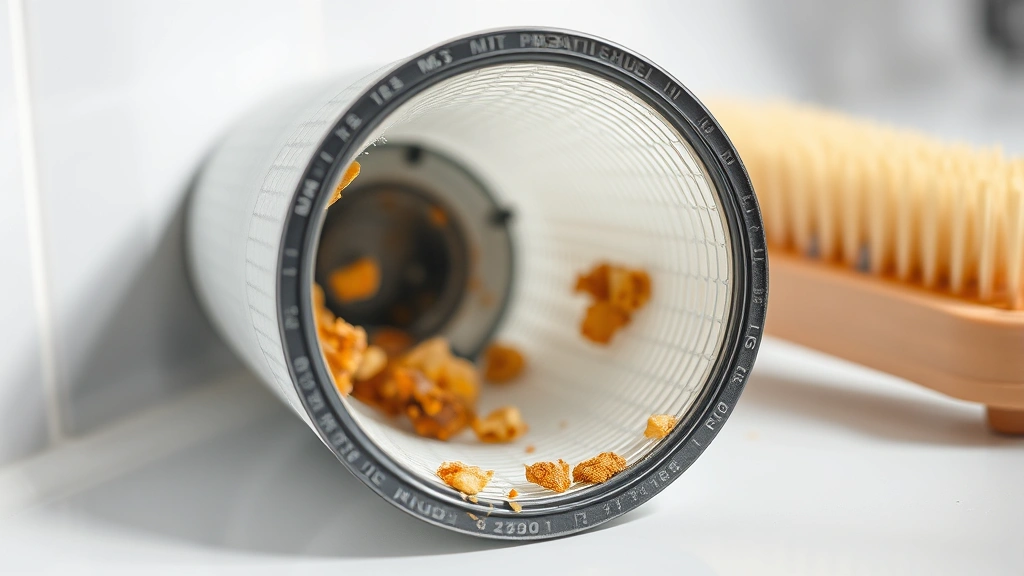
A clean dishwasher filter is the backbone of effective dishwashing performance. Your Whirlpool dishwasher relies on its filtration system to trap food particles, grease, and debris before they can damage the spray arms or recirculate onto your dishes. When this critical component becomes clogged, you’ll notice poor cleaning results, standing water, and unpleasant odors emanating from your machine. Regular maintenance of your dishwasher filter takes just minutes but extends the lifespan of your appliance significantly.
Many homeowners overlook their dishwasher filter until problems arise, but understanding how to clean it properly prevents costly repairs down the line. Whether you’re dealing with stubborn buildup or performing routine maintenance, this comprehensive guide walks you through every step of the process. We’ll cover identification, removal, cleaning techniques, and preventative measures to keep your Whirlpool dishwasher running like new.

Understanding Your Whirlpool Dishwasher Filter System
Whirlpool dishwashers typically feature a two-part filter assembly consisting of a primary filter basket and a secondary fine mesh filter. The primary filter, usually cylindrical or cup-shaped, catches larger food particles and debris. The secondary filter, positioned beneath or adjacent to the primary filter, captures smaller particles and prevents them from entering the pump system. Understanding this dual-filter design is essential because both components require regular cleaning to maintain optimal performance.
The filter system sits at the bottom of your dishwasher’s tub, directly below the spray arm assembly. Water drains through these filters before exiting the machine, making them vulnerable to accumulation of food scraps, grease, and mineral deposits. Unlike some modern self-cleaning filter systems, most Whirlpool models require manual cleaning. Manufacturers recommend checking and cleaning your filters monthly, or more frequently if you have a large household or frequently wash heavily soiled dishes.
Different Whirlpool models may have slightly different filter configurations. Some feature a removable filter cage, while others have filters that twist out. Consult your Whirlpool official documentation or your appliance’s user manual to identify your specific model’s filter type. This ensures you’re using the correct removal technique and won’t accidentally damage the filter housing.
Tools and Materials You’ll Need
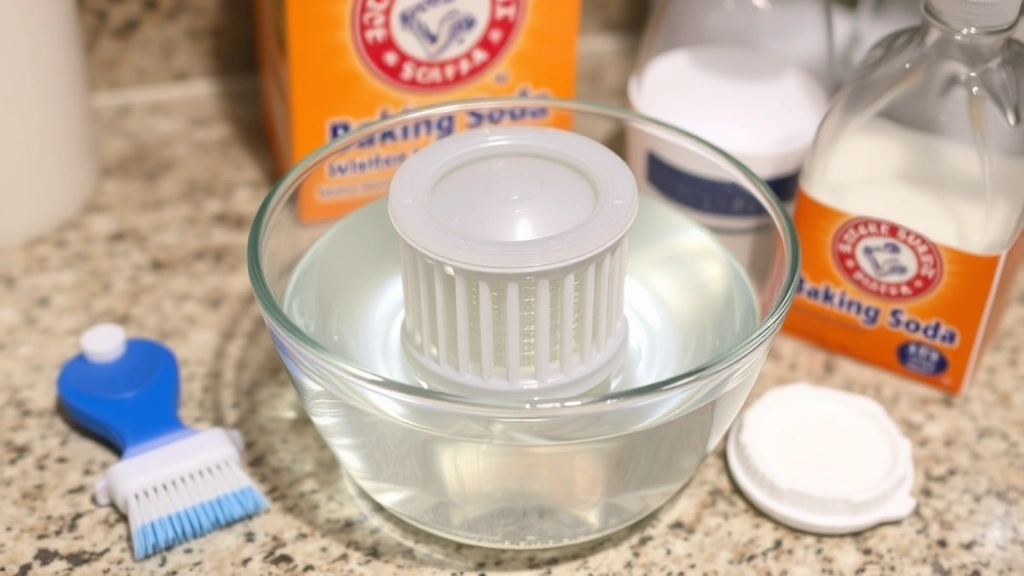
Before you begin cleaning your Whirlpool dishwasher filter, gather the following items to make the process efficient and effective:
- Soft-bristled brush – An old toothbrush works perfectly for reaching tight spaces and removing stubborn debris without scratching filter surfaces
- Warm running water – Essential for rinsing away loosened particles and mineral deposits
- Dish soap – A mild detergent helps break down grease and buildup on filter surfaces
- Vinegar solution – Mix equal parts white vinegar and water for dissolving mineral deposits and sanitizing; similar to the process described in our guide on how to clean washer with vinegar and baking soda
- Baking soda – A natural abrasive that tackles stubborn grime and eliminates odors
- Small bucket or container – Useful for soaking filters in cleaning solutions
- Lint-free cloth or paper towels – For drying filters before reinstallation
- Flashlight – Helps you see into the filter housing and identify remaining debris
Having these materials ready before you start prevents interruptions and makes the entire process smoother. Most items are household staples you likely already own, making this a budget-friendly maintenance task.
Step-by-Step Cleaning Instructions
Step 1: Safety First – Before accessing your dishwasher’s filter, ensure the machine is completely empty and has finished its cycle. If the dishwasher recently ran, allow it to cool for 10-15 minutes. Never attempt to clean filters while the machine is operating or immediately after use, as you risk burns from hot water and moving components.
Step 2: Locate and Access the Filter – Open your dishwasher door fully and look at the bottom center of the tub. You’ll see the filter assembly, typically a cylindrical cage or cup. Gently grasp the filter handle (if present) or the top rim of the filter basket. Rotate counterclockwise to unscrew it, or pull straight up if your model uses a pull-out design. Consult your manual if you’re unsure of your specific model’s release mechanism.
Step 3: Remove Visible Debris – Hold the filter over your sink or trash can and use your fingers to remove large food particles, bones, or plastic pieces. Be gentle to avoid pushing debris deeper into the filter mesh. A soft brush can help dislodge stubborn particles trapped in the filter cage.
Step 4: Rinse Under Running Water – Place the filter under warm running water, angling it to allow water to flow through all surfaces. Use your brush to gently scrub the exterior and interior surfaces. Pay special attention to the mesh areas where grease and mineral deposits accumulate. Rotate the filter as you rinse to ensure complete coverage.
Step 5: Clean the Filter Housing – While the filter is removed, take this opportunity to clean the housing area where the filter sits. Use your brush and running water to remove any debris that has accumulated in the basin. A flashlight helps you see into corners and crevices. This step prevents recontamination of your clean filter.
Step 6: Soak for Stubborn Buildup – If you notice mineral deposits, grease residue, or persistent odors, prepare a soaking solution. Mix warm water with dish soap and let the filter soak for 15-30 minutes. For tougher deposits, use a vinegar and water solution or add baking soda to the water. The soaking time allows cleaning agents to break down stubborn buildup without requiring vigorous scrubbing.
Step 7: Final Scrub and Rinse – After soaking, use your soft-bristled brush to gently scrub the filter surfaces again. Focus on mesh areas where particles hide. Rinse thoroughly under running water until the water runs clear and you detect no soap residue or vinegar smell.
Step 8: Dry and Reinstall – Pat the filter dry with a lint-free cloth or paper towels. Moisture remaining on the filter can promote mold growth before the next cycle. Once completely dry, place the filter back in its housing with the handle or opening facing upward. Rotate clockwise to secure (or press down firmly if using a push-fit design) until you feel it seat properly. Ensure the filter is fully secured before running your dishwasher again.
Deep Cleaning Techniques for Stubborn Buildup
Standard rinsing works well for routine maintenance, but heavily soiled filters benefit from more intensive cleaning methods. If your Whirlpool dishwasher has been neglected for several months or you frequently wash greasy pans, you may encounter buildup that requires extra effort.
Vinegar Soak Method – Fill a container with equal parts white vinegar and warm water. Submerge your filter and let it soak for 1-2 hours. The acetic acid in vinegar dissolves mineral deposits, grease, and hard water stains. After soaking, use your brush to gently scrub away loosened debris. This method is particularly effective for filters showing white, chalky deposits indicating mineral accumulation.
Baking Soda Paste – For stubborn grease, create a paste by mixing baking soda with a small amount of water. Apply this paste directly to problem areas of the filter and let it sit for 10-15 minutes. The mild abrasive properties of baking soda cut through grease without damaging the delicate mesh. Use a soft brush to gently work the paste into the filter, then rinse thoroughly.
Boiling Method – For filters that won’t fit in a dishwasher-safe container, boil water in a pot and carefully place the filter inside (using tongs to avoid burns). Allow the filter to boil for 5-10 minutes. The heat helps loosen stubborn particles and kills bacteria causing odors. Remove carefully with tongs and allow to cool before handling.
Combination Approach – For severely neglected filters, combine multiple techniques. Start with a vinegar soak, follow with baking soda paste application, then finish with a boiling treatment before final rinsing. This multi-step approach addresses various types of buildup and ensures thorough cleaning.
Our comprehensive guide on cleaning appliances with vinegar and baking soda provides additional insights into these natural cleaning methods that work equally well on dishwasher filters.
Preventative Maintenance Tips
Keeping your Whirlpool dishwasher filter clean is far easier than dealing with problems caused by neglect. Implementing simple preventative measures extends your appliance’s lifespan and maintains optimal performance.
Scrape Before Loading – Remove large food particles from dishes before placing them in the dishwasher. This single habit dramatically reduces filter strain and prevents blockages. You don’t need to rinse thoroughly (modern detergents handle dried food), but removing bones, large vegetable scraps, and excessive grease makes a significant difference.
Monthly Inspection Schedule – Set a recurring calendar reminder to check your filter monthly. This habit ensures you catch buildup before it becomes problematic. A quick visual inspection takes less than a minute and prevents unpleasant surprises.
Clean Spray Arms Regularly – The spray arms work in conjunction with your filter system. When spray arm holes become clogged, water doesn’t distribute properly, stressing your filter. Clean spray arm holes using a toothpick or fine wire monthly to maintain balanced water flow and reduce filter strain.
Use Quality Detergent – Premium dishwasher detergents contain better grease-cutting agents that prevent buildup accumulation. While they cost slightly more, they reduce the frequency of deep cleaning required for your filter.
Rinse Aid and Rinse Cycles – Using rinse aid improves drying performance and helps prevent mineral deposits on your filter. Additionally, running an occasional rinse cycle without dishes (using vinegar in the detergent dispenser) helps flush accumulated debris from your system.
Check Water Temperature – Whirlpool recommends water temperatures between 120-140°F for optimal cleaning. Hotter water helps dissolve grease more effectively, reducing filter accumulation. If your filter frequently clogs despite regular cleaning, your home’s water temperature may be too low.
Troubleshooting Common Filter Problems
Standing Water at the Bottom – If water pools at the bottom of your dishwasher after cycles, your filter is likely clogged. Remove the filter and inspect for blockages. Ensure the filter housing drain hole (usually at the bottom center) isn’t obstructed. If cleaning doesn’t resolve the issue, the pump may require professional inspection.
Persistent Odors – Foul smells indicate bacterial growth in trapped debris. Clean your filter thoroughly using the vinegar soak method described above. Also clean the filter housing, spray arms, and door seals where bacteria accumulate. Run a hot cycle with vinegar in the detergent dispenser to sanitize the entire system.
Cloudy or Spotted Dishes – While not always filter-related, poor filter function contributes to this problem. Hard water minerals that your filter fails to trap properly deposit on dishes. Ensure your filter is clean and consider using rinse aid to help prevent mineral spotting.
Filter Won’t Fit Back Properly – If your filter feels stuck or won’t seat correctly, debris may be preventing full insertion. Remove the filter and inspect the housing for obstructions. Gently clean the filter cage threads or sealing surfaces. Reinsert slowly, rotating gently until resistance is felt, then secure fully.
Visible Filter Damage – If your filter shows cracks, holes, or torn mesh, replacement is necessary. Damaged filters allow debris to bypass the filtration system, potentially damaging your pump. Contact Whirlpool customer service for replacement part numbers specific to your model.
Water Leaking from Filter Area – If water leaks from around the filter during operation, the filter may not be seated properly or the seal may be damaged. Remove and reinstall the filter, ensuring it’s fully secured. If leaking persists, the filter gasket may require replacement.
FAQ
How often should I clean my Whirlpool dishwasher filter?
Whirlpool recommends monthly filter cleaning for most households. If you have a large family, frequently wash heavily soiled dishes, or live in a hard water area, you may need to clean it every two weeks. Regular inspection helps you determine the appropriate schedule for your usage patterns.
Can I put my dishwasher filter in the dishwasher to clean it?
Most Whirlpool filter manufacturers don’t recommend dishwasher cleaning because high temperatures and pressure can damage the filter mesh. Hand washing with warm water and mild soap is the safest approach. Always consult your specific model’s manual for manufacturer recommendations.
What if my filter smells bad even after cleaning?
Persistent odors suggest bacterial growth. Soak your filter in a vinegar and water solution for 1-2 hours, then scrub gently with a soft brush. Additionally, run your empty dishwasher on a hot cycle with a cup of white vinegar in the bottom to sanitize the entire system. If odors return quickly, you may have mold growth in the door seals or spray arms.
Is it normal for my filter to have some buildup?
Light food particle accumulation is normal between cleanings. However, if you notice grease coating, mineral deposits, or visible mold growth, your filter needs immediate cleaning. Heavy buildup indicates your filter isn’t being cleaned frequently enough or you need to scrape dishes more thoroughly before loading.
Can I clean my filter with hot water?
Yes, warm to hot water (not boiling directly from the tap) is ideal for filter cleaning. Hot water helps dissolve grease and mineral deposits more effectively than cold water. However, avoid exposing filters to extremely high temperatures that could warp plastic components. Water around 120-140°F is optimal.
What should I do if my filter is broken?
Contact Whirlpool customer service with your model number to order replacement filters. Most Whirlpool filters cost between $20-50 depending on your model. Installation is straightforward—simply remove the old filter and insert the new one, following the same procedure as regular cleaning. Never operate your dishwasher without a filter, as debris will damage internal components.
Why is my filter yellow or discolored?
Discoloration typically results from mineral deposits, grease oxidation, or food staining. Soak your filter in a vinegar and water solution for several hours to dissolve mineral buildup. For stubborn staining, use a baking soda paste. Discoloration doesn’t necessarily indicate a problem, but it suggests your filter needs thorough cleaning.
How do I know if my filter is too clogged?
Signs of severe clogging include standing water at the bottom after cycles, poor cleaning performance, slow draining, and foul odors. If you notice these symptoms, immediately remove and inspect your filter. Even if it doesn’t look heavily soiled, deep cleaning using the vinegar soak method often resolves clogging issues.


