Clean Fuel Injectors Safely: Expert Tips Revealed
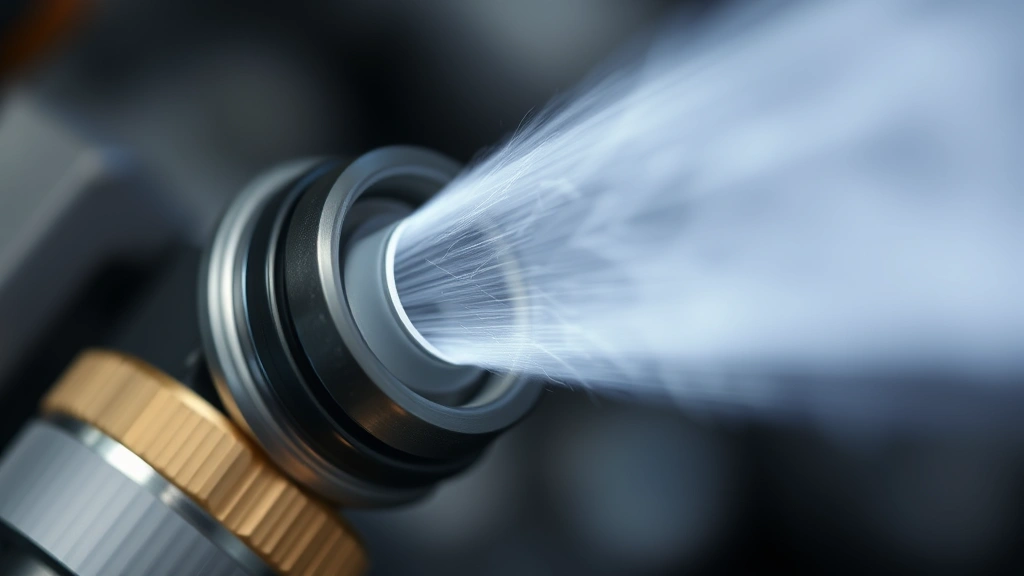
Fuel injectors are critical components in your vehicle’s engine that spray precisely atomized fuel into the combustion chamber. Over time, carbon deposits, varnish, and contaminants accumulate on injector tips, reducing fuel atomization efficiency and causing poor engine performance. Learning how to clean your fuel injectors safely can restore engine power, improve fuel economy, and extend engine life without requiring expensive professional service.
This comprehensive guide walks you through professional-grade cleaning techniques, safety protocols, and best practices used by automotive technicians. Whether you’re experiencing rough idling, decreased fuel efficiency, or difficulty starting your vehicle, understanding proper injector cleaning methods will empower you to diagnose and resolve these issues effectively. We’ll cover chemical cleaners, ultrasonic cleaning, professional equipment alternatives, and when to seek expert help.

Understanding Fuel Injector Deposits
Fuel injectors operate under extreme pressure and temperature conditions, spraying fuel thousands of times per minute. Despite modern fuel formulations containing detergents, deposits still accumulate gradually. Carbon buildup occurs from incomplete combustion, while varnish forms when fuel oxidizes in the injector tip. These deposits restrict fuel flow and distort spray patterns, causing uneven fuel distribution across cylinders.
The quality of fuel you use significantly impacts deposit formation. Lower-octane fuel from unreliable sources contains fewer detergents and more impurities. API fuel standards establish minimum detergent requirements, but premium fuels typically exceed these minimums. Understanding deposit types helps you choose appropriate cleaning methods—some deposits respond better to chemical solvents, while others require mechanical agitation.
Fuel system contamination extends beyond injectors. Debris can accumulate in fuel filters, regulators, and injector seals. A complete fuel system cleaning approach addresses all components simultaneously, ensuring optimal engine performance. Modern direct-injection engines are particularly susceptible to carbon accumulation because fuel sprays directly into combustion chambers rather than intake valves, where gasoline previously provided self-cleaning action.

Signs Your Injectors Need Cleaning
Several performance indicators suggest your fuel injectors require attention. Rough idle is among the most common symptoms—when injectors don’t spray fuel uniformly, cylinders receive inconsistent fuel amounts, causing uneven combustion and vibration. Poor acceleration response occurs because clogged injectors can’t deliver sufficient fuel during demand periods. You might experience hesitation when pressing the accelerator pedal, particularly during highway merging or passing.
Reduced fuel economy indicates injector problems. When deposits restrict fuel flow, your engine’s computer compensates by injecting more fuel, wasting gasoline. Check engine light activation with oxygen sensor fault codes frequently points to injector issues, since improper fuel delivery creates abnormal exhaust composition. Some vehicles exhibit difficulty starting, especially in cold conditions when fuel viscosity increases and partially clogged injectors can’t spray adequately.
Misfire codes appearing in your diagnostic scanner confirm injector malfunction. A misfire occurs when a cylinder fails to ignite properly, typically from insufficient fuel delivery. Black smoke from the exhaust indicates rich running conditions caused by injector spray pattern degradation. Before proceeding with cleaning, scan your vehicle’s computer for fault codes to confirm injector-related issues versus other potential problems.
Safety Precautions and Preparation
Safety is paramount when working with fuel systems. Gasoline is highly flammable—never work near open flames, sparks, or smoking materials. Ensure your workspace has proper ventilation to disperse fuel vapors. Wear chemical-resistant gloves, safety glasses, and a respirator when handling fuel and cleaning solvents. Keep a fire extinguisher rated for fuel fires within arm’s reach of your work area.
Disconnect your vehicle’s negative battery terminal before beginning any fuel system work. This prevents electrical sparks that could ignite fuel vapors. Allow your engine to cool completely—fuel system pressure remains elevated when the engine is warm. For fuel-injected vehicles, you must release fuel system pressure before disconnecting any fuel lines. Most vehicles have a Schrader valve on the fuel rail that you can access with a special tool to safely release pressure.
Consult your vehicle’s service manual for specific procedures and component locations. Different manufacturers design fuel systems differently, and your manual contains crucial safety information and specifications. Have absorbent materials like oil dry or paper towels ready to contain any fuel spills. Never pour spilled fuel down drains—collect it in approved containers for proper disposal at hazardous waste facilities.
Chemical Cleaning Method
The most accessible cleaning approach uses fuel system cleaning additives. These products contain detergents and solvents that dissolve carbon deposits and varnish. Pour the recommended amount into your fuel tank—most products treat 15-20 gallons. The cleaner circulates through your fuel system during normal driving, gradually removing deposits over several hundred miles. This method is non-invasive and requires minimal tools.
For more aggressive chemical cleaning, some enthusiasts use fuel rail cleaning kits. These systems connect directly to your fuel rail, bypassing the fuel tank and filter. You fill the kit’s container with a specialized cleaning solution, then run your engine while the solution flows through injectors under pressure. This delivers concentrated cleaner directly to injector tips, providing faster results than tank additives. Follow kit instructions carefully regarding solution concentration and running duration.
Ultrasonic fuel injector cleaners use high-frequency sound waves to dislodge deposits. Remove injectors from your engine and place them in the ultrasonic cleaning solution. Sound waves create cavitation bubbles that collapse violently, generating microscopic jets that blast away carbon buildup. This method effectively removes stubborn deposits without damaging injector internals. Many professional shops use ultrasonic cleaners because they provide superior results compared to chemical soaking alone.
When selecting cleaning products, choose those meeting SAE J2619 gasoline fuel injector cleanliness standards. These products have undergone rigorous testing to ensure effectiveness and engine safety. Avoid bargain-brand cleaners that may contain abrasive particles or incompatible solvents. Quality matters significantly when working with precision fuel system components.
Ultrasonic Cleaning Technique
Ultrasonic cleaning represents the most effective DIY injector cleaning method. Begin by carefully removing fuel injectors from your engine. Disconnect electrical connectors and unbolt the fuel rail, then gently extract each injector. Some injectors have O-ring seals that require careful handling to prevent damage. Keep injectors organized so you remember their original positions—fuel systems are precisely calibrated by cylinder.
Prepare an ultrasonic cleaning bath by filling the unit with specialized fuel injector cleaning solution. Most ultrasonic cleaners operate at 40-50 kHz frequency, suitable for injector cleaning. Heat the solution to the temperature recommended by your cleaner manufacturer—typically 60-75°C. Place injectors in the cleaning basket, ensuring they’re fully submerged. Run the ultrasonic cleaner for 15-30 minutes, depending on deposit severity.
Inspect injectors under magnification after ultrasonic cleaning. The spray pattern should appear uniform with fine mist characteristics. Any remaining deposits visible under magnification indicate additional cleaning is needed. Some stubborn deposits require a second ultrasonic cycle. Never use metal brushes or abrasive materials on injector tips—these precision components are easily damaged by mechanical abrasion.
Before reinstalling cleaned injectors, flush them with clean gasoline or injector solvent to remove cleaning solution residue. Any remaining chemical could affect fuel combustion or damage engine components. Allow injectors to air-dry completely before installation. Inspect O-ring seals and replace if they appear cracked, hardened, or deteriorated. Worn seals will leak fuel, creating performance problems and potential fire hazards.
Professional Equipment Options
Professional-grade fuel injector cleaning equipment uses precision pressure control and specialized solutions unavailable to consumers. Fuel injector cleaning machines connect to your fuel rail and deliver cleaner at exact pressures matching your vehicle’s specifications. These machines cost $3,000-$8,000, making them impractical for individual DIYers but standard equipment in professional shops.
Carbon cleaning systems use fuel additives combined with intake valve cleaning technology. These machines inject cleaning solution while monitoring oxygen sensors and fuel trim adjustments. Professional shops can perform complete fuel system diagnostics during cleaning, identifying other potential issues affecting engine performance. If you’re uncertain about your cleaning abilities or your vehicle shows additional symptoms, professional service is worthwhile.
Some automotive shops offer ASE-certified technician services specifically for fuel system cleaning. These professionals have specialized training, proper equipment, and access to manufacturer service bulletins. They can identify whether your symptoms stem from injectors or other fuel system components like regulators, filters, or pumps. Professional diagnosis prevents wasted effort cleaning injectors when other problems exist.
Consider professional cleaning if your vehicle exhibits multiple symptoms, has high mileage, or uses direct injection technology. Direct-injection engines require more frequent cleaning because fuel doesn’t wash intake valves. Professional equipment can clean intake valves simultaneously, addressing both common carbon accumulation sites. The investment in professional service often costs less than replacing fuel injectors or addressing engine damage from prolonged poor performance.
Prevention and Maintenance
Preventing fuel injector deposits is more cost-effective than cleaning. Use quality fuel from reputable stations—major brands like Shell, Chevron, and Mobil invest heavily in fuel quality and detergent packages. Fuel marketing associations establish standards exceeding EPA minimums at premium-grade stations. Premium fuel contains additional detergents and deposit preventatives, reducing long-term accumulation.
Change your fuel filter according to manufacturer recommendations—typically every 15,000-30,000 miles. A clogged fuel filter increases pressure on your fuel pump and forces injectors to work harder, accelerating deposit formation. Fresh filters also prevent contamination from reaching injectors. Keep your engine’s air filter clean, as intake restrictions force your engine to run rich, increasing carbon deposits.
Use quality synthetic motor oil and maintain proper oil change intervals. While motor oil doesn’t directly affect fuel injectors, a well-lubricated engine runs more efficiently and produces fewer combustion byproducts that contribute to fuel system deposits. Regular tune-ups including spark plug replacement ensure complete combustion, minimizing carbon formation.
Consider fuel system cleaning additives every 10,000-15,000 miles as preventative maintenance. Inexpensive tank treatments cost $10-$20 and can prevent expensive cleaning procedures or injector replacement. Many drivers report improved fuel economy and smoother operation after using quality additives regularly. For vehicles experiencing rough performance, fuel system cleaning should be among the first diagnostics performed before assuming mechanical problems.
If your vehicle sits unused for extended periods, fuel degrades and deposits form more readily. Use fuel stabilizer in vehicles stored seasonally, and run the engine periodically to circulate fuel system components. Modern gasoline contains ethanol that absorbs moisture, promoting corrosion and varnish formation in idle fuel systems. Proper storage procedures prevent deposit accumulation during dormant periods.
FAQ
How often should I clean fuel injectors?
Most vehicles benefit from fuel system cleaning every 50,000-80,000 miles, depending on driving conditions and fuel quality. Severe service conditions, short trips, or low-quality fuel warrant more frequent cleaning. Use your vehicle’s performance as a guide—if you notice symptoms like rough idle or poor acceleration, cleaning is overdue. DIY car cleaning guides can complement fuel system maintenance as part of comprehensive vehicle care.
Can I clean fuel injectors while the engine is running?
Some fuel rail cleaning kits operate with the engine running, but removing injectors always requires the engine off and fuel system pressure released. Never work on pressurized fuel systems—the risk of fuel spray and ignition is unacceptable. Always follow manufacturer procedures and disconnect the battery before starting fuel system work.
Will fuel system cleaner damage my engine?
Quality fuel system cleaners meeting SAE standards are engineered to be completely compatible with engine components. They pass rigorous testing for fuel compatibility, elastomer compatibility, and combustion safety. Only use products specifically designed for fuel injector cleaning—never substitute other solvents or household cleaners. Always follow product instructions regarding concentration and usage.
How much does professional fuel injector cleaning cost?
Professional fuel injector cleaning typically costs $150-$300 depending on your vehicle and service complexity. Individual injector replacement costs $400-$800 per injector, making professional cleaning significantly more economical if it restores performance. Get quotes from multiple shops and ask about diagnostic procedures included in the service.
What’s the difference between fuel tank additives and injector cleaning services?
Tank additives provide preventative maintenance, gradually removing light deposits during normal driving. Professional cleaning services use concentrated solutions and specialized equipment to remove heavy deposits faster and more thoroughly. For preventative maintenance, additives are sufficient; for vehicles showing significant symptoms, professional service provides better results.
Can I damage my fuel injectors by cleaning them?
Improper cleaning techniques can damage injectors, particularly mechanical abrasion of precision spray tips or using incompatible solvents. However, ultrasonic cleaning with proper solutions and professional-grade chemical cleaners are safe when procedures are followed. Always refer to your vehicle’s service manual and product instructions to avoid damaging expensive components.


