
Cool Your Room Naturally: Expert Tips for Comfortable Spaces Without Air Conditioning
When summer temperatures soar, the instinct to crank up the air conditioning is strong. However, natural cooling methods can be surprisingly effective at reducing room temperature while lowering energy costs and environmental impact. Whether you’re dealing with a heat wave, trying to conserve electricity, or simply prefer sustainable living, there are numerous proven strategies to keep your space comfortably cool using passive design principles, strategic ventilation, and smart material choices.
This comprehensive guide explores practical, tested techniques that work with your home’s natural thermal properties. From window treatments to air circulation patterns, we’ll cover everything you need to know about how to cool off your room efficiently and affordably. Many of these methods require minimal investment and can be implemented immediately, while others represent longer-term improvements that pay dividends throughout hot months.
Understanding Room Heat Sources
Before implementing cooling solutions, identify where heat enters your room. The sun’s radiation through windows accounts for approximately 30-40% of unwanted heat gain in residential spaces, according to the U.S. Department of Energy. Direct sunlight on exterior walls, roof areas, and poor insulation create additional thermal stress. Understanding these sources helps you prioritize interventions that deliver maximum cooling benefit.
Heat transfer occurs through three mechanisms: radiation (direct sunlight), conduction (heat flowing through materials), and convection (air movement). Your room experiences all three simultaneously. A room facing west, for instance, receives intense afternoon sun and will be significantly warmer than a north-facing room. Rooms with poor air circulation trap heat, creating hot spots near the ceiling where warm air naturally rises. By targeting each heat source strategically, you can achieve substantial temperature reduction without mechanical cooling.
Professional energy audits, available through many utility companies, use thermal imaging to identify exactly where heat enters your space. This scientific approach helps prioritize investments in insulation, window treatments, or ventilation improvements that will have the greatest impact on your specific room.
Strategic Window Management
Windows are your room’s largest vulnerability during heat waves. Direct sunlight creates intense heat gain, especially on south and west-facing exposures. Implementing layered window treatments dramatically reduces solar heat without completely blocking natural light. External shading devices are more effective than interior treatments because they block heat before it penetrates the glass.
External Solutions: Install exterior shade cloths, roller screens, or adjustable louvers on windows receiving direct sunlight. These reduce heat gain by 50-80% depending on color and material density. Medium-density shade cloth (30-50% opacity) blocks excessive heat while allowing light and visibility. For a permanent solution, consider home improvement projects like installing fixed awnings on south-facing windows or retractable awnings on west-facing exposures.
Interior Solutions: When external modifications aren’t possible, interior treatments provide meaningful heat reduction. Reflective window film, applied to the glass exterior, bounces solar radiation away while maintaining daytime visibility. Cellular shades with honeycomb structures trap air, creating insulation that works both ways—keeping heat out in summer and warmth in during winter. Install shades in lighter colors (white, cream, or silver) to maximize reflectivity. Close shades during peak sun hours (typically 10 AM to 4 PM) and open them during evening hours when outdoor temperatures drop.
Low-emissivity (Low-E) window treatments and films reduce infrared radiation transmission. While new Low-E windows require significant investment, aftermarket films provide similar benefits at a fraction of the cost. According to the National Fenestration Rating Council, properly installed window treatments can reduce cooling costs by 15-25% in typical homes.
Cross-Ventilation and Air Flow
Natural ventilation uses pressure differences to move cool air through your room and exhaust warm air. This passive cooling method works best during morning and evening hours when outdoor temperatures drop below indoor temperatures. Understanding wind patterns and air pressure dynamics helps you maximize this free cooling resource.
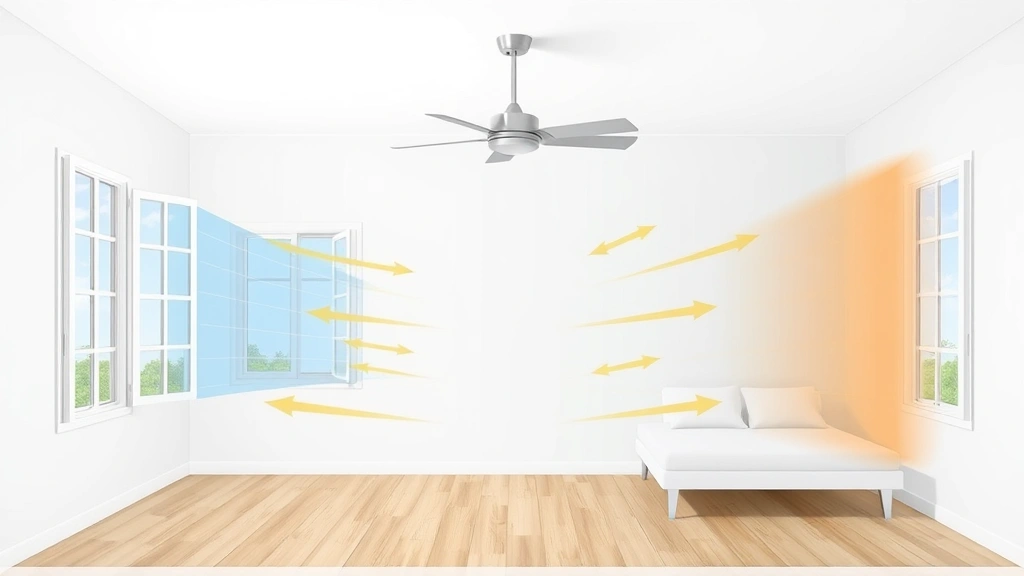
Creating Effective Cross-Ventilation: Open windows on opposite sides of your room to establish airflow corridors. Wind pressure on the windward side creates positive pressure, forcing air inside, while negative pressure on the leeward side draws warm air out. Position windows at different heights when possible—lower windows accept incoming cool air while upper windows release warm air that naturally rises. This vertical stratification enhances flow efficiency.
Place fans strategically to enhance natural ventilation. A fan positioned in a window facing outward (exhausting) pulls cool outdoor air through other windows. Conversely, a fan in an intake window pushes outdoor air throughout the room. Experiment with fan placement and direction to find optimal configurations for your specific space. Ceiling fans, though often associated with air conditioning, also work effectively with natural ventilation by promoting air circulation and creating perceived temperature reductions of 2-4 degrees Fahrenheit.
Time your ventilation for maximum benefit. Open windows during cooler parts of the day—early morning, evening, and night—and close them during peak heat hours. In many climates, overnight air can be 10-15 degrees cooler than daytime temperatures. By ventilating thoroughly during cool periods and sealing the room during heat, you can maintain lower temperatures throughout the following day.
Ventilation Safety Considerations: While promoting airflow, maintain security by using home security measures like window locks and door sensors. Install screens to prevent insect entry while maintaining ventilation. Ensure adequate air exchange to prevent stale indoor air quality during extended ventilation periods.
Thermal Mass and Heat Absorption
Thermal mass refers to materials that absorb and slowly release heat. Strategic use of thermal mass can moderate room temperature by absorbing excess daytime heat and releasing it during cooler nighttime hours. This thermal buffering effect smooths temperature fluctuations, reducing peak heat stress.
Effective Thermal Mass Materials: Concrete, brick, stone, and water possess high thermal mass. A room with concrete floors or exposed brick walls will naturally regulate temperature better than one with carpet and drywall. Water-based thermal mass systems—using large water containers or wall-mounted water columns—provide excellent heat absorption. A gallon of water absorbs roughly 8,000 BTU per degree Fahrenheit of temperature change, making it an efficient thermal moderator.
Position thermal mass strategically. In naturally ventilated spaces, place thermal mass in areas that receive morning and midday sun. The material absorbs this solar heat, preventing rapid temperature rises. As evening approaches and outdoor temperatures drop, ventilate the room to allow this stored heat to escape. Over multiple days, this cycle maintains more moderate temperatures than would occur without thermal mass.
For renters or those avoiding permanent modifications, movable thermal mass works surprisingly well. Large ceramic pots filled with water, positioned where they receive sunlight, absorb heat effectively. This approach provides flexibility while delivering tangible cooling benefits. Dark-colored containers absorb more solar radiation than light-colored ones, enhancing heat absorption capacity.
Reflective and Insulating Materials
The color and reflectivity of surfaces dramatically affect room temperature. Light-colored, reflective materials bounce solar radiation away, while dark materials absorb it. Implementing reflective strategies throughout your room creates cumulative cooling effects.
Exterior Reflective Surfaces: Paint exterior walls with light-colored, heat-reflective paint. White or light gray finishes reflect 60-70% of solar radiation, compared to 5-10% reflection from dark colors. This simple modification can reduce exterior surface temperatures by 20-30 degrees Fahrenheit, substantially decreasing heat conduction into the room. For house painting projects, specify cool-roof coatings certified by the Cool Roof Rating Council.
Interior Reflective Materials: Light-colored interior finishes also help by reflecting indoor light sources and preventing secondary heat absorption. Glossy or semi-gloss paint finishes reflect more light than matte finishes. While this seems minor, accumulated reflectivity across walls, ceilings, and floors creates noticeable differences in perceived brightness and actual temperature.
Insulation works both ways—it keeps heat out in summer and warmth in during winter. Proper wall and ceiling insulation, meeting International Building Code standards for your climate zone, significantly reduces heat transfer. If your room has inadequate insulation, this represents a worthwhile longer-term investment. Attic insulation is particularly important since heat rises and escapes through roof areas.
Nighttime Cooling Strategies
Nighttime presents the most effective natural cooling opportunity. Outdoor temperatures often drop substantially, and humidity levels decrease. Maximizing nighttime cooling requires deliberate ventilation and heat release strategies that take advantage of these favorable conditions.
Flush Cooling Method: Open all windows wide during the coolest hours (typically 10 PM to 6 AM) to allow room temperatures to drop significantly. Close all windows before sunrise and seal the room completely with shades drawn. This traps the cool air inside, maintaining lower temperatures throughout the following day. The effectiveness depends on the temperature differential between indoor and outdoor environments—greater differences produce more dramatic cooling effects.
This strategy works exceptionally well in climates with significant day-night temperature swings, such as desert regions or high-altitude areas where nighttime temperatures drop 20-30 degrees below daytime peaks. Even in moderate climates, 10-15 degree drops provide substantial benefit. The key is timing—close windows at the exact point when outdoor temperature begins rising in early morning.
Evaporative Cooling Enhancement: During nighttime ventilation, place shallow pans of water or damp towels in the path of incoming air. As air passes over the water, evaporation cools it further. This passive evaporative cooling works best in low-humidity environments. In humid climates, this technique provides minimal additional benefit since the air already contains substantial moisture.
Water-Based Cooling Techniques
Water’s high heat capacity and evaporative properties make it an excellent cooling medium. Several water-based approaches provide natural cooling without mechanical systems.
Evaporative Coolers (Swamp Coolers): These mechanical devices, far simpler than air conditioners, pull air through water-saturated pads. Evaporation cools the air before it enters the room. Unlike refrigerated air conditioning, evaporative coolers actually add moisture to the air, making them ideal for dry climates but less effective in humid regions. They consume significantly less electricity than traditional AC units, reducing operating costs by 75% or more.
Passive Water Cooling: Without mechanical systems, water still provides cooling benefits. Place bowls of ice water in your room—the combination of cold water and evaporation cools surrounding air. Position these strategically near fans to enhance air circulation. While not as effective as mechanical evaporative coolers, this simple technique provides modest temperature reduction at virtually no cost.
Water Features: Fountains and water features promote evaporative cooling while improving humidity and air quality. The combination of moving water and air circulation creates a cooler microclimate in the immediate vicinity. For larger spaces, water fountains provide ambient cooling and aesthetic benefits simultaneously.
Landscaping for Shade
Exterior vegetation dramatically affects room temperature by shading windows and walls while promoting air circulation. Strategic landscaping represents a long-term investment that improves cooling efficiency for decades.
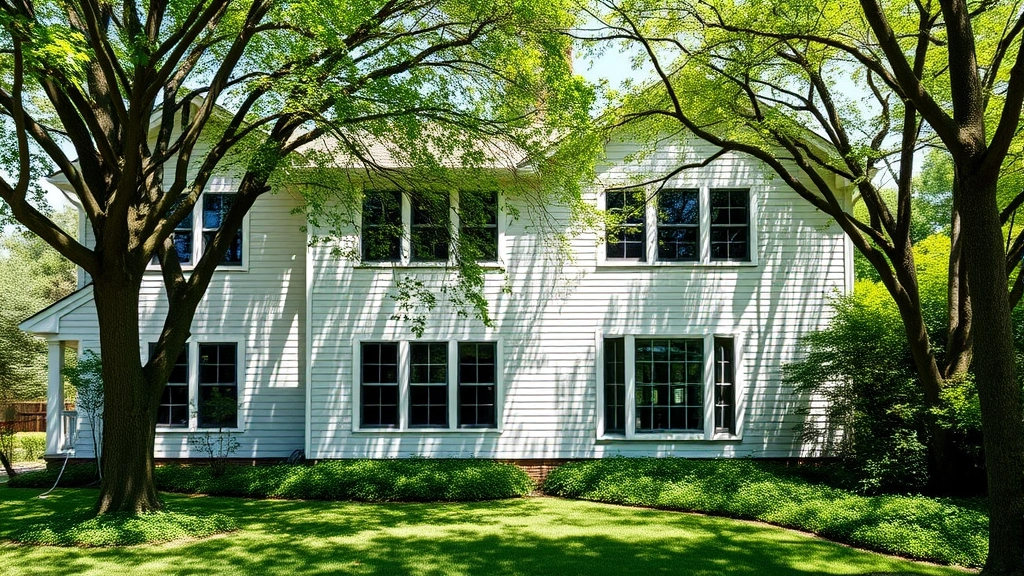
Tree Placement: Deciduous trees (those that lose leaves seasonally) provide ideal summer shade while allowing winter sun penetration. Plant trees on the south and west sides of your home, positioning them to shade windows and exterior walls. Trees reduce surrounding air temperatures by 2-5 degrees through transpiration—the process of water movement through plants and evaporation from leaves. This creates a cooler microclimate around your entire room.
Vines and Climbing Plants: Fast-growing vines on trellises or walls shade exterior surfaces while allowing air circulation behind them. This creates an air gap that prevents heat transfer to the wall beneath. Climbing vines reduce wall surface temperatures by 10-20 degrees compared to unshaded walls.
Ground Cover and Mulch: Bare soil and pavement absorb and radiate heat intensely. Ground cover plants and light-colored mulch reflect solar radiation and reduce surface temperatures. This decreases radiant heat affecting your room and improves overall property comfort.
Electrical and Mechanical Aids
While this guide focuses on natural cooling, strategic use of minimal electrical devices amplifies natural cooling effectiveness dramatically.
Fans and Air Circulation: Ceiling fans and portable fans move air efficiently using minimal electricity. A ceiling fan uses approximately 15-25 watts compared to 3,500-5,000 watts for air conditioning units. Fans don’t actually lower room temperature but create air movement that increases evaporative cooling from skin and makes occupants feel 2-4 degrees cooler. Running fans during ventilation hours enhances natural airflow patterns.
Ventilation Fans: Exhaust fans in bathrooms and kitchens remove heat and humidity generated by showers and cooking. Running these fans during peak heat hours vents warm air directly outside. Whole-house fans, installed in attics or ceilings, exhaust large volumes of warm air outside while drawing cool outdoor air through the home. These consume far less electricity than air conditioning while providing rapid temperature reduction.
For additional guidance on DIY home improvement projects, consult comprehensive resources covering ventilation system installation and optimization. Proper fan selection and placement, based on room size and desired air changes per hour, ensures maximum efficiency.
Combination Approach: The most effective cooling strategy combines multiple techniques. Use window treatments to block solar heat, cross-ventilation and fans to move air, nighttime flush cooling to reduce baseline temperature, and strategic landscaping to shade exterior surfaces. This integrated approach achieves cooling comparable to mechanical systems while using minimal electricity and maintaining complete control over your indoor environment.
FAQ
What is the most effective natural cooling method?
Nighttime flush cooling—opening windows during cool evening hours and sealing the room during peak heat—typically produces the most dramatic temperature reductions. Combining this with strategic window shading and cross-ventilation creates compounding effects that maintain comfortable temperatures throughout hot days. Effectiveness varies significantly based on your climate’s day-night temperature differential.
Can natural cooling work in humid climates?
Natural cooling is less effective in humid regions where evaporative cooling provides minimal benefit and nighttime temperature drops are smaller. However, strategic ventilation, window shading, and thermal mass still provide meaningful cooling. Humid climates benefit most from shade trees, reflective surfaces, and excellent air circulation rather than evaporative cooling techniques.
How much temperature reduction can I realistically expect?
Results depend on your climate, room orientation, and implementation thoroughness. Typical realistic expectations: window shading alone reduces peak temperatures by 5-10 degrees; nighttime ventilation reduces baseline temperature by 5-15 degrees depending on outdoor conditions; combining multiple strategies can achieve 10-20 degree reductions compared to unmodified spaces. Individual results vary based on external conditions and specific implementation.
Is it safe to leave windows open for extended periods?
Extended window opening raises security and air quality concerns. Install window locks that allow partial opening, use security screens, and consider comprehensive home security solutions to maintain safety while promoting ventilation. Ensure adequate fresh air exchange to prevent indoor air quality degradation. In allergy-prone seasons, window screens prevent pollen entry while maintaining ventilation.
What’s the cost difference between natural cooling and air conditioning?
Natural cooling requires minimal operating costs beyond initial investments in window treatments, fans, or landscaping. Air conditioning typically costs $200-500 monthly during peak season depending on usage and electricity rates. Natural cooling methods, particularly nighttime ventilation and shading, reduce or eliminate these operational expenses. Long-term savings easily justify initial investments in shade structures, reflective coatings, or landscaping improvements.
Can I combine natural cooling with partial air conditioning?
Absolutely. Using air conditioning only during extreme heat events while relying on natural cooling for typical warm days dramatically reduces overall electricity consumption and costs. This hybrid approach maintains comfort while minimizing environmental impact and utility expenses. Many homeowners find this balanced strategy optimal for their climate and lifestyle.


