Building a Shed? Expert-Approved Distance Guide
When planning to build a shed on your property, understanding setback requirements and property line distances isn’t just a legal formality—it’s essential for avoiding costly disputes, demolition orders, and neighborly conflicts. Whether you’re constructing a small storage shed near your garage or a larger workshop structure, local building codes mandate specific distances from property lines, utility easements, and neighboring structures. These regulations exist to protect property rights, ensure emergency access, prevent fire hazards, and maintain neighborhood aesthetics.
The challenge many DIY builders face is that setback requirements vary dramatically depending on your location, zoning classification, and shed specifications. A structure that’s perfectly legal in one county might violate ordinances just miles away. This comprehensive guide walks you through the critical distances you need to know, how to verify your local requirements, and what happens when you get the measurements wrong. By the end, you’ll have the knowledge to position your shed correctly and avoid expensive mistakes.
Understanding Setback Requirements
Setback requirements define the minimum distance a structure must maintain from property lines, roads, and other reference points. These aren’t suggestions—they’re legally binding regulations enforced by local building departments. When you apply for a building permit, inspectors verify that your shed placement complies with these distances before issuing approval.
Most jurisdictions establish setback rules through their municipal code or zoning ordinance. A typical residential zone might require a 5-foot setback from side property lines and 10 feet from the rear line. However, some areas use different standards for accessory structures (sheds, gazebos, pools) versus primary buildings. Accessory structures often have more lenient requirements because they’re considered secondary to your home.
The purpose of setbacks extends beyond bureaucracy. They ensure:
- Emergency vehicles can access properties during fires or medical crises
- Utility workers can maintain lines and equipment safely
- Property owners can maintain their structures without trespassing
- Neighborhoods maintain consistent spacing and appearance
- Fire doesn’t spread between adjacent structures
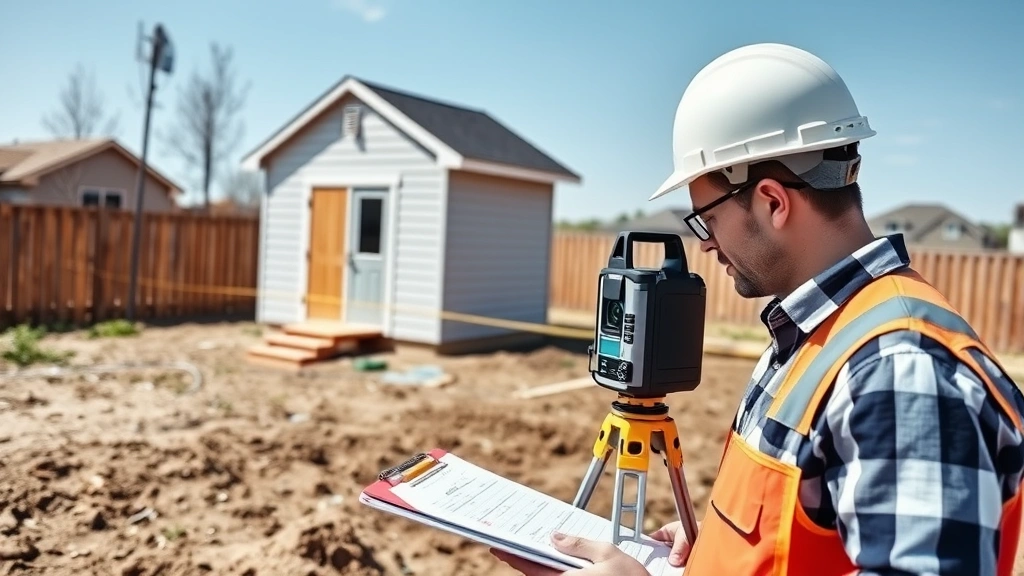
Before breaking ground, you must obtain your local building code documentation. Contact your city or county building department—most now provide code summaries online or via email. If you’re planning a significant project, consider hiring a surveyor to establish exact property lines and calculate distances precisely. The cost of a survey ($300-600) is minimal compared to demolition and fines.
Property Line Distances Explained
Property lines define your land’s legal boundaries. Building within your property doesn’t automatically mean you’re compliant—setback rules still apply. Understanding the distinction between property ownership and building placement prevents one of the most common shed violations.
Side yard setbacks typically range from 3 to 10 feet, depending on your zone and lot size. Narrow urban lots often have stricter requirements (8-10 feet) to maintain light and air circulation between properties. Suburban lots with more acreage might allow 3-5 foot setbacks. Rear yard setbacks usually measure 10-25 feet, with larger distances in areas prone to flooding or with specific environmental concerns.
Front yard setbacks are almost always the most restrictive, often 25-50 feet from the street. However, most residential codes exempt small accessory structures from front yard requirements if they’re placed in backyard areas. Your shed likely qualifies for this exemption, but verify with your building department before assuming.
When measuring distances, start from your property line’s actual location—not where you think it is. Property line disputes have destroyed friendships and triggered expensive litigation. Professional surveys identify pins or markers establishing legal boundaries. If your property lacks markers, a surveyor can locate them using historical records and measurements.
Many jurisdictions now provide digital parcel maps showing property dimensions. Search your county assessor’s website or GIS (Geographic Information System) database for your address. These tools display approximate lines and measurements, though they’re not substitutes for professional surveys on disputed properties.
Utility Easement Clearances
Utility easements grant gas, electric, water, and sewer companies legal access to their lines crossing your property. Building over easements creates serious hazards and violations. These areas must remain clear for maintenance, repair, and emergency access.
Standard utility easement widths vary by utility type and jurisdiction:
- Electric lines: 15-20 feet from center line (underground) or 30-50 feet (overhead)
- Gas lines: 10-15 feet clearance
- Water/sewer: 10-20 feet depending on pipe diameter
- Telecommunications: 10-15 feet
Your property deed or a title search reveals easement locations. Call 811 (Call Before You Dig) at least three days before any ground disturbance—they’ll mark utility lines free of charge. This service is mandatory in most states and protects you from hitting buried lines, which can cause explosions, electrocution, or service interruptions affecting your neighborhood.
Even small sheds can violate easement rules. A 8×10 structure placed over a water line might seem harmless, but if the line ruptures and repairs are needed, you’ll face costly removal requirements. Additionally, utility companies can force you to remove structures encroaching on their easements, regardless of your building permit status.
Mark easement locations on your site plan before designing shed placement. If your preferred location falls within an easement, contact the utility company—sometimes they grant exceptions for low-risk structures, though don’t count on it. Most utility companies maintain strict policies preventing any permanent structures over their lines.
Distance From Neighboring Structures
Beyond property lines, many jurisdictions mandate minimum distances between structures. These rules prevent fire spread, ensure maintenance access, and address stormwater drainage concerns. A shed positioned too close to your neighbor’s garage violates these spacing requirements, even if it’s technically on your property.
Common structure-to-structure distances include:
- Minimum 5-10 feet between accessory structures and primary residences
- Minimum 3-5 feet between two accessory structures
- Minimum 10-20 feet between any structure and a pool or water feature
Fire code typically drives these requirements. International Code Council (ICC) standards establish that structures within 10 feet require fire-resistant materials or reduced fire risk assessments. Wooden sheds positioned too close to combustible structures increase neighborhood fire danger, triggering stricter insurance requirements and possible code violations.
Your home’s foundation and structure also matter. If your shed is positioned directly adjacent to your house’s exterior wall, you may violate ventilation or moisture requirements. Proper spacing prevents water damage migration between structures and allows maintenance access for both buildings.
When measuring distances to neighboring structures, measure from the closest points between structures. A shed’s corner positioned 4.5 feet from your neighbor’s garage when codes require 5 feet is a violation, regardless of how close you came. Always exceed minimums by at least 6-12 inches to account for measurement variations.
State and Regional Variations
Building codes vary significantly across states and regions. New York, California, and Florida each maintain unique accessory structure requirements reflecting local climate, density, and regulatory philosophy. What’s permitted in rural Wyoming might be prohibited in suburban New Jersey.
Coastal areas often implement stricter setbacks due to hurricane/storm surge risks. Flood-prone regions mandate elevated structures and specific distances from drainage areas. Wildfire-prone states like California enforce defensible space requirements, mandating 30+ feet between structures and vegetation. Mountain communities might restrict structure placement on slopes exceeding certain grades.
Urban jurisdictions typically enforce tighter setbacks than rural areas. A city lot zoned for high density might allow only 2-3 foot setbacks, while rural properties permit 5-10 feet or more. Accessory structure rules often differ from primary residence rules—research both categories for your specific zone.
The International Building Code (IBC) provides baseline standards, but states adopt and modify it. Your local state building code office publishes adopted amendments. Many jurisdictions further modify state codes at the county or municipal level, creating a three-tier regulatory structure.
For specific guidance, contact your local building department directly. Explain your project’s scope (shed dimensions, location, materials) and ask for written distance requirements. Request references to specific code sections—this creates documentation if disputes arise later. Some departments charge small research fees ($25-100); others provide free consultations. Email inquiries often receive detailed responses within business days.
Measuring and Marking Your Property
Accurate measurements prevent costly compliance failures. Professional surveyors provide definitive answers, but basic DIY measurement techniques work for simple sheds on uncomplicated properties.
Tools you’ll need:
- 100+ foot measuring tape (laser measures work for shorter distances)
- String line and stakes
- Carpenter’s square or speed square
- Property deed and plat map
- Clipboard and measuring notes
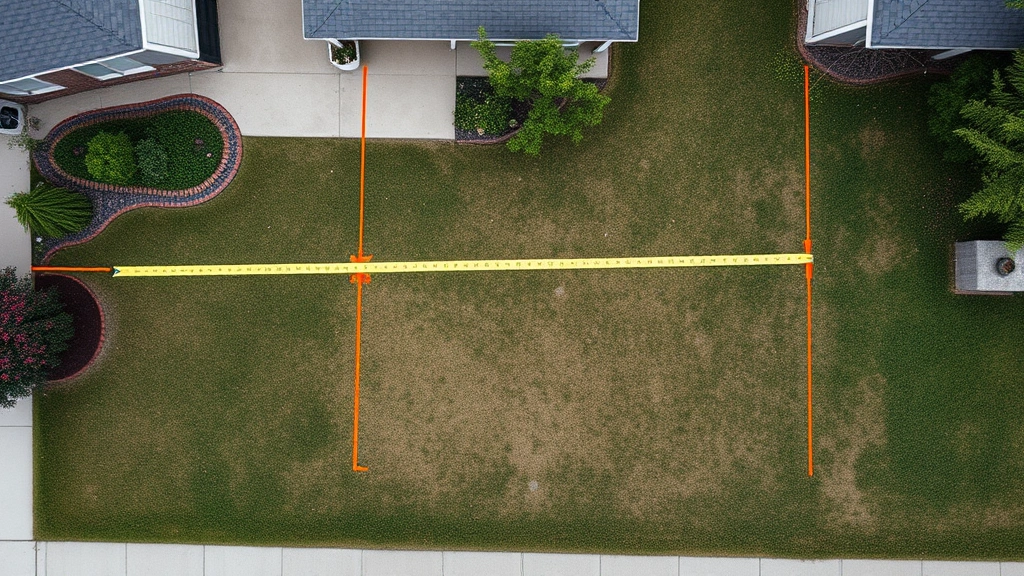
Start by locating existing property markers (typically metal pins or concrete monuments). If markers are missing, use your deed’s boundary descriptions and visible landmarks. Measure from established reference points—corner markers, street edges, or documented structures. Record multiple measurements to verify accuracy.
Once you’ve identified your property lines, mark them with chalk, string, or temporary paint. Mark your shed’s proposed location and measure distances from all relevant reference points: property lines, utility easements, neighboring structures, and water features. Photograph marked locations and document all measurements in writing.
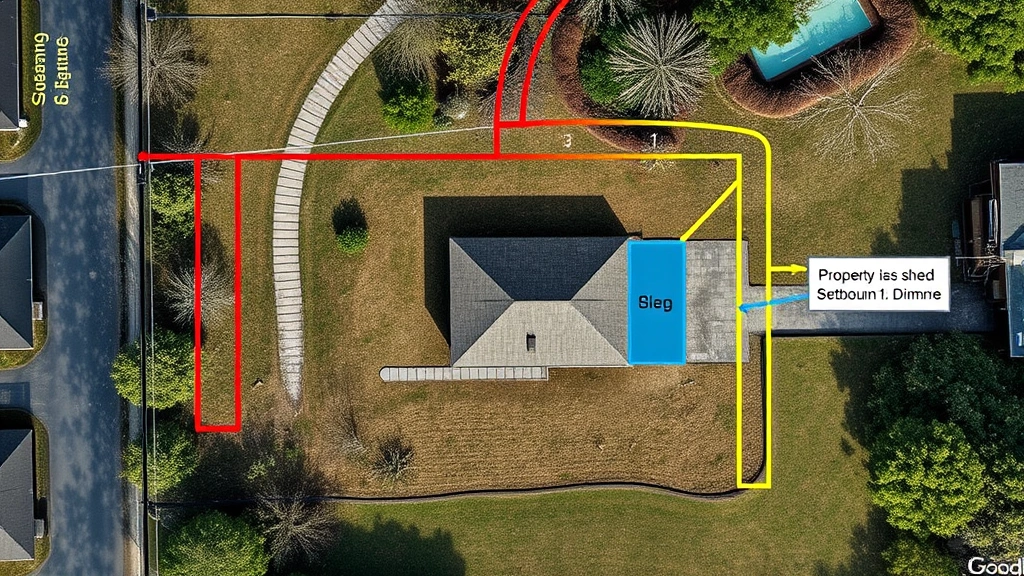
Use your shed’s plans to calculate the footprint’s exact dimensions. Measure from corner to corner to verify the structure’s actual size once positioned. Create a simple site plan sketch showing your property outline, marked easements, neighboring structures, and your shed’s location with all distance measurements clearly labeled.
Before finalizing placement, walk the perimeter with your site plan. Verify that no underground utilities, septic systems, or drainage fields occupy your chosen location. Call 811 and request line marking—this step is legally required and provides definitive utility locations. Wait for utility companies to mark lines (usually 2-3 business days) before proceeding with any ground disturbance.
Common Mistakes to Avoid
Understanding what goes wrong helps prevent expensive errors. These are the most frequent compliance violations building inspectors encounter:
Assuming shed exemptions apply: Many builders mistakenly believe small sheds (under 200 square feet) don’t require permits or compliance with setback rules. While some jurisdictions exempt very small structures from permitting, setback requirements almost always apply regardless of size. Verify your jurisdiction’s specific thresholds—they vary widely.
Measuring from the wrong reference point: Measure from your actual property line, not from your driveway, fence, or your neighbor’s property. Fences often don’t follow exact property lines. This common error results in violations despite your good-faith effort to comply.
Ignoring easement locations: Many property owners don’t research easements until problems arise. Utility companies can demand structure removal years after construction, leaving you with demolition costs and no recourse. Research easements before any construction begins.
Building without permits: Unpermitted construction creates liability, insurance complications, and forced removal requirements. It also complicates future property sales—buyers’ lenders often require proof of permitted structures. The permit cost ($50-200) is negligible compared to removal expenses.
Relying on neighbor assumptions: Don’t assume your neighbor’s fence marks your property line or that their structure’s placement indicates acceptable distances. Neighbors’ violations don’t justify yours. Verify measurements independently.
Miscalculating distances: Use multiple measurement methods and have someone verify your calculations. Off-by-one measurements violate requirements. Always exceed minimums by 6-12 inches as a safety buffer.
Overlooking fire code requirements: Beyond setbacks, fire codes restrict combustible material usage within certain distances of structures. Your home security and neighborhood safety depend on compliance. Metal or fire-resistant construction may be required in high-risk areas.
The National Association of Home Builders (NAHB) provides excellent compliance resources emphasizing that prevention costs far less than remediation. Spending time on front-end planning eliminates 95% of construction problems.
FAQ
What’s the standard setback distance for a residential shed?
There’s no universal standard—requirements vary by jurisdiction, zone, and lot size. Typical ranges are 3-10 feet from side lines and 10-25 feet from rear lines, but your local building code controls. Contact your building department for specific measurements.
Can I build a shed on my property line?
No. Setback requirements mandate minimum distances from property lines. Building directly on or across a property line violates codes and creates trespassing liability. Always maintain code-required clearances.
Do I need a permit for a small shed?
Most jurisdictions require permits for any permanent structure, regardless of size. Some exempt very small structures (under 100-120 square feet), but this varies widely. Check your local code before assuming exemption applies. Unpermitted construction creates serious complications.
What happens if my shed violates setback requirements?
Building inspectors can issue violation notices requiring removal or relocation. You may face fines ($100-1,000+ per day) and forced demolition. Insurance may deny claims on unpermitted structures. Property sales become complicated when structures don’t meet code.
How do I find my property lines?
Check your property deed for boundary descriptions, search your county assessor’s GIS database for parcel maps, or hire a professional surveyor ($300-600). Surveyors locate property markers and provide definitive boundary documentation.
What if a utility easement crosses my shed location?
You cannot build permanent structures over utility easements. Relocate your shed to a compliant location or contact the utility company to request an exception (rarely granted). Call 811 before any ground disturbance to identify all utilities.
Can I build closer if my neighbor agrees?
No. Building codes are legal requirements, not negotiable agreements. Your neighbor’s permission doesn’t override setback rules. Violations remain violations regardless of neighbor consent.
How do I measure setback distances accurately?
Use a 100+ foot measuring tape, measure from multiple points, verify calculations, and have someone double-check. Mark locations with string or chalk. For critical projects, hire a surveyor for professional accuracy. Measurement errors cause expensive compliance failures.


