
NYC to Philly: DIY Route Planning Tips
Planning a DIY trip from New York City to Philadelphia requires more than just knowing the distance—it demands strategic route planning, vehicle preparation, and practical knowledge about the journey ahead. Whether you’re hauling materials for a basement finishing project or transporting tools for a renovation job, understanding the 95-mile corridor between these two major cities will save you time, money, and headaches.
This comprehensive guide covers everything a DIYer needs to know about traveling between NYC and Philadelphia, from exact distances and route options to vehicle maintenance tips and real-world timing considerations. We’ll explore the most efficient paths, traffic patterns, rest stops, and practical advice for making this journey safe and productive.
How Far is New York to Philadelphia?
The distance from New York City to Philadelphia varies depending on your starting point and specific destination. From Manhattan’s center to Center City Philadelphia, you’re looking at approximately 95 miles via the most direct route. However, this figure can range from 90 to 105 miles depending on which NYC borough you depart from and which Philadelphia neighborhood you’re heading to.
Most DIYers traveling between these cities use Interstate 95 (I-95), which is the primary north-south corridor. The straight-line distance is shorter, but actual driving distance accounts for road infrastructure, traffic patterns, and necessary detours. Under ideal conditions with minimal traffic, this journey takes approximately 1.5 to 2 hours. However, real-world travel time typically ranges from 2 to 3.5 hours depending on time of day and traffic conditions.
For vehicle maintenance planning purposes, understand that this distance requires your vehicle to be in good working condition. The constant acceleration and deceleration through multiple traffic zones puts stress on your braking system, transmission, and engine. Before undertaking this journey, especially if you’re towing a trailer or hauling heavy materials, ensure your vehicle has been properly inspected.
Route Options and Alternatives
While I-95 is the most direct route, savvy DIYers know that alternatives can sometimes be faster or more convenient depending on circumstances. Let’s explore the primary options:
Interstate 95 Direct Route: This is the most straightforward path, taking you through Newark, New Jersey, and crossing into Pennsylvania before reaching Philadelphia. The drive is typically 95-100 miles and follows major highways with consistent signage. However, I-95 experiences heavy congestion, particularly around the New Jersey Turnpike section and entering Philadelphia.
New Jersey Turnpike Option: The New Jersey Turnpike (I-95 and parallel tollway) is a toll road that some drivers prefer for its maintained conditions and service areas. Budget approximately $15-17 for tolls each way. This route offers better rest facilities and fuel options compared to standard I-95.
Route 1 Scenic Alternative: For DIYers not in a rush, US Route 1 provides a slower but more scenic alternative. This route passes through Princeton, New Jersey, and various small towns. While it adds 30-45 minutes to your journey, it reduces highway stress and offers local stops for supplies or refreshment.
I-78 to I-95 Combination: Some travelers prefer taking I-78 from New Jersey toward I-95, which can bypass certain congested areas. This route is particularly useful during peak traffic hours on I-95.
When planning your route, use real-time traffic apps like Google Maps or Waze to check current conditions. These tools account for accidents, construction, and traffic flow patterns that can significantly impact your travel time. For security-conscious DIYers transporting expensive tools, consider timing your departure to avoid traveling during peak theft hours late at night.
Vehicle Preparation Essentials
Before embarking on your NYC to Philadelphia journey, your vehicle deserves thorough preparation. This isn’t just about comfort—it’s about safety and reliability.
Tire Inspection and Pressure: Check all four tires plus your spare for proper inflation. The recommended PSI is typically found on a sticker inside your driver’s door jamb, not on the tire sidewall. Underinflated tires increase fuel consumption and create safety hazards, especially when carrying heavy DIY materials. Tire pressure should be checked when tires are cold, before driving.
Fluid Levels: Verify engine oil, coolant, brake fluid, and windshield washer fluid. The I-95 corridor experiences temperature variations, particularly in winter months, making coolant levels critical. Brake fluid is especially important when driving through urban areas with frequent stops.
Brake System Evaluation: If you haven’t had your brakes inspected recently, do so before this trip. Brake pads, rotors, and brake lines should all be in good condition. The frequent braking required in NYC traffic and Philadelphia city driving puts significant stress on your braking system.
Battery Health: A dead battery in traffic is more than inconvenient—it’s dangerous. Have your battery tested, especially if it’s more than three years old. The constant stop-and-go driving between cities can drain batteries faster than highway driving.
Lights and Wipers: All headlights, taillights, brake lights, and turn signals must function properly. Replace wiper blades if they’re streaking or skipping. Weather conditions along the I-95 corridor can change rapidly.
Load Capacity Check: If transporting materials, know your vehicle’s maximum load capacity. Overloading stresses suspension, brakes, and tires. Refer to your vehicle’s owner manual or the placard on the driver’s door jamb for exact specifications.
Traffic Patterns and Best Travel Times
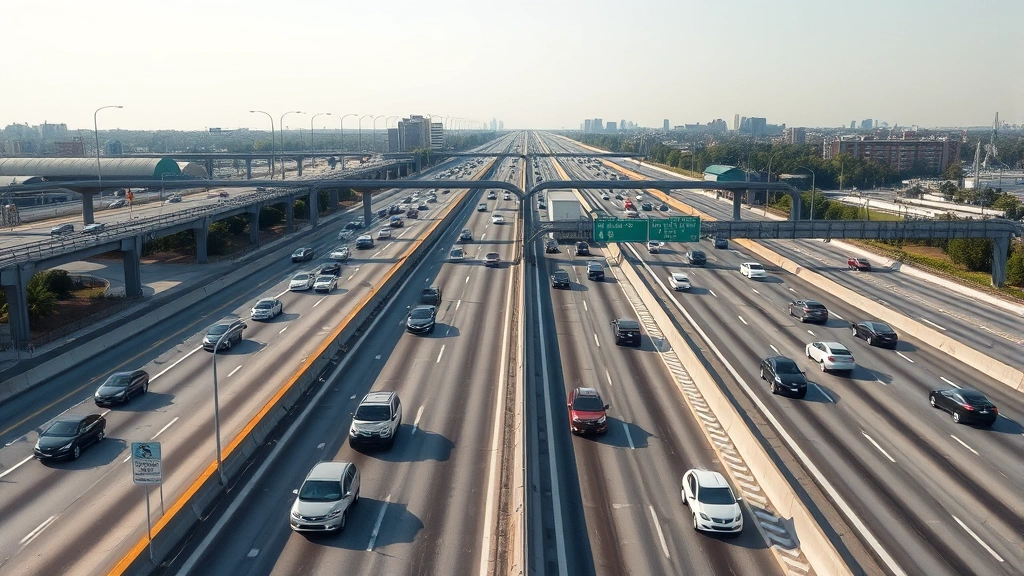
Understanding traffic patterns is crucial for efficient travel. The NYC to Philadelphia corridor experiences predictable congestion based on time of day and day of week.
Peak Traffic Hours: Avoid traveling between 7-10 AM and 4-7 PM on weekdays. These are rush hours when commuters flood I-95, creating bumper-to-bumper conditions. What should be a 2-hour drive can stretch to 4+ hours during these windows.
Optimal Travel Windows: The best times to travel are early morning (5-7 AM) or mid-afternoon (1-3 PM) on weekdays, or any time on Sunday through early Monday morning. Saturday mornings also tend to be lighter traffic periods.
Weather Considerations: Winter weather can dramatically impact travel time. Snow or ice on I-95 can create hazardous conditions and extend drive times significantly. Check weather forecasts before departing and consider postponing if severe weather is predicted.
Construction and Incidents: The I-95 corridor constantly undergoes maintenance and construction. Use NJDOT (New Jersey Department of Transportation) and PennDOT (Pennsylvania Department of Transportation) websites to check for active construction zones before traveling. Real-time traffic apps provide incident reports, but these update continuously.
New Jersey Turnpike Delays: The New Jersey Turnpike section of I-95 has notorious toll booths and service areas that can create bottlenecks. Budget extra time if using this route during peak hours.
Loading and Securing DIY Materials
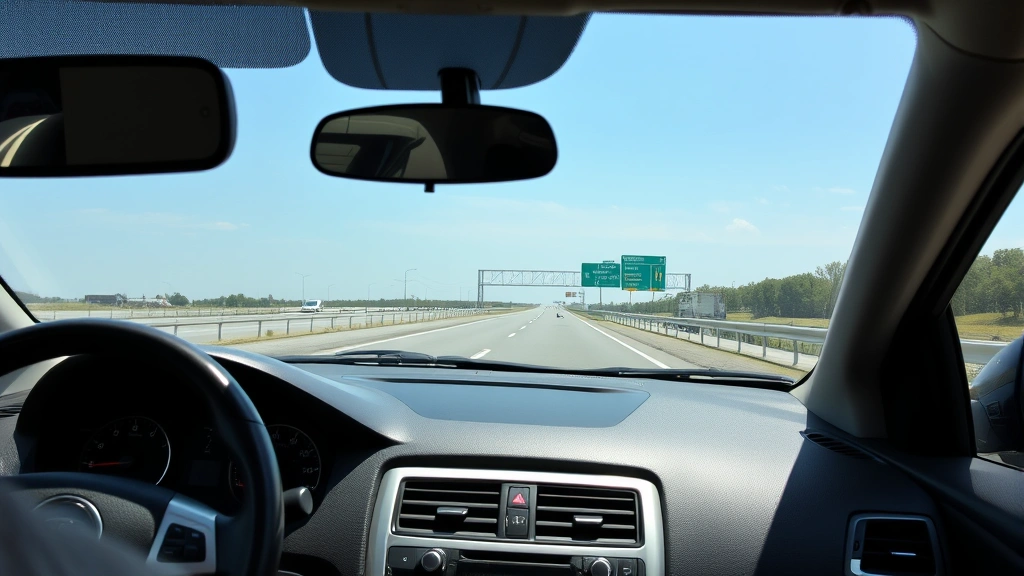
Proper loading and securing of materials isn’t just about preventing damage to your cargo—it’s a critical safety issue. Unsecured loads can shift during braking or acceleration, affecting your vehicle’s handling.
Weight Distribution: Place heavier items low and toward the center of your vehicle or trailer. This lowers the center of gravity and improves handling. Never stack heavy items high, as this increases the risk of tipping during turns.
Securing Methods: Use ratchet straps, bungee cords, or cargo nets to secure all materials. Everything should be immobilized so it cannot shift during sudden stops or turns. For pallet-based materials, ensure pallets are properly secured to your vehicle bed.
Visibility Considerations: Never load materials so high that they obstruct your rear-view mirror or side mirrors. Visibility is essential for safe navigation through heavy traffic areas. If using a trailer, ensure it has proper lighting and reflectors.
Trailer Regulations: If towing a trailer, verify that your vehicle is rated for the trailer’s weight. Most states require trailers over a certain weight to have their own brakes. Check New Jersey Motor Vehicle Commission and Pennsylvania Department of Motor Vehicles regulations regarding trailer requirements.
Tool Security: Keep expensive tools inside your locked vehicle rather than in an open truck bed, especially when stopped. Theft of tools and materials is common in urban areas at both ends of your journey.
Stops, Rest Areas, and Services
Strategic stops make your journey safer and more productive. The I-95 corridor offers numerous facilities.
New Jersey Rest Areas: The New Jersey Turnpike has well-maintained rest areas approximately every 20-30 miles. These offer restrooms, vending machines, and fuel options. Rest areas are located at mile markers and clearly marked.
Service Areas: Fuel stations cluster around exits 7-9 in New Jersey and again as you approach Philadelphia. Gas prices tend to be higher near major exits, so consider fueling up before entering the corridor.
Food and Refreshment: Major rest stops have fast-food options, but these can be crowded during peak hours. Pack snacks and water to stay hydrated and alert during driving.
Bathroom Breaks: For long drives, plan bathroom breaks every 2 hours. Dehydration and fatigue contribute to poor driving decisions and accidents.
Vehicle Inspection Stops: Use rest stops to visually inspect your vehicle’s tires, lights, and load security. A quick 5-minute inspection can prevent major issues.
Safety Tips for the Journey
Traveling between NYC and Philadelphia requires heightened awareness and defensive driving techniques.
Aggressive Driving Prevention: The I-95 corridor has a reputation for aggressive drivers. Maintain safe following distances—at least 3-4 seconds behind the vehicle ahead. Don’t engage with aggressive drivers; let them pass.
Lane Navigation: Stay in the right lane except when passing. Slower traffic in right lanes is expected and safer. Avoid weaving between lanes, which increases accident risk and fuel consumption.
Speed Management: While posted speed limits are typically 65 mph on I-95, actual traffic flow often exceeds this. Drive at speeds that match traffic flow and road conditions, but prioritize safety over speed.
Distraction Avoidance: Keep your phone secured and use hands-free calling if necessary. The constant visual stimulation of urban and suburban driving requires your full attention. For DIY enthusiasts planning projects upon arrival, resist the urge to check plans or measurements while driving.
Weather Adaptation: Reduce speed and increase following distance during rain, fog, or winter weather. Wet roads reduce tire traction by up to 50%. The I-95 corridor experiences variable weather conditions, particularly in Pennsylvania during winter.
Fatigue Management: If you’re fatigued, pull over at a rest area and take a 15-20 minute nap. Driving while drowsy is as dangerous as driving impaired. Never rely solely on caffeine to combat fatigue.
Emergency Kit: Carry jumper cables, a flashlight, basic tools, and a first-aid kit. In case of breakdown, turn on hazard lights and move to the shoulder if safe. Call roadside assistance rather than attempting roadside repairs in heavy traffic.
FAQ
How many hours does it take to drive from NYC to Philadelphia?
Under ideal traffic conditions, the drive takes 1.5 to 2 hours. However, realistic travel time ranges from 2 to 3.5 hours depending on traffic, weather, and time of day. Rush hour travel can extend this to 4+ hours.
What is the cheapest route from New York to Philadelphia?
Interstate 95 is the cheapest route for most vehicles, as it requires no tolls in certain sections. The New Jersey Turnpike route involves tolls ($15-17 each way) but may save time during peak traffic hours, making it cost-effective for time-sensitive trips. Calculate your time value when comparing routes.
Are there toll roads between NYC and Philadelphia?
Yes, the New Jersey Turnpike section involves tolls. I-95 through New Jersey also has toll sections. Pennsylvania has toll roads but I-95 through Pennsylvania to Philadelphia is toll-free. Budget approximately $15-20 for tolls if using the New Jersey Turnpike.
What’s the best time to leave NYC for Philadelphia?
Early mornings (5-7 AM) or mid-afternoons (1-3 PM) on weekdays offer the best traffic conditions. Sundays through early Monday mornings also provide lighter traffic. Avoid 7-10 AM and 4-7 PM on weekdays.
Can I bring DIY tools and materials on this drive?
Yes, you can transport tools and materials. Ensure proper securing of all items, verify your vehicle’s load capacity, and follow trailer regulations if towing. Keep expensive tools inside your locked vehicle rather than exposed in truck beds, especially in urban areas.
What vehicle maintenance should I do before this trip?
Check tire pressure and condition, verify all fluid levels, inspect brakes, test your battery, ensure all lights function, and check wiper blades. If towing, verify brake functionality and load capacity. These checks prevent breakdowns and ensure safe driving.
Are there rest stops on I-95 between NYC and Philadelphia?
Yes, the New Jersey Turnpike has well-maintained rest areas approximately every 20-30 miles. These offer restrooms, vending machines, fuel, and food options. Plan stops every 2 hours for safety and to inspect your vehicle.


