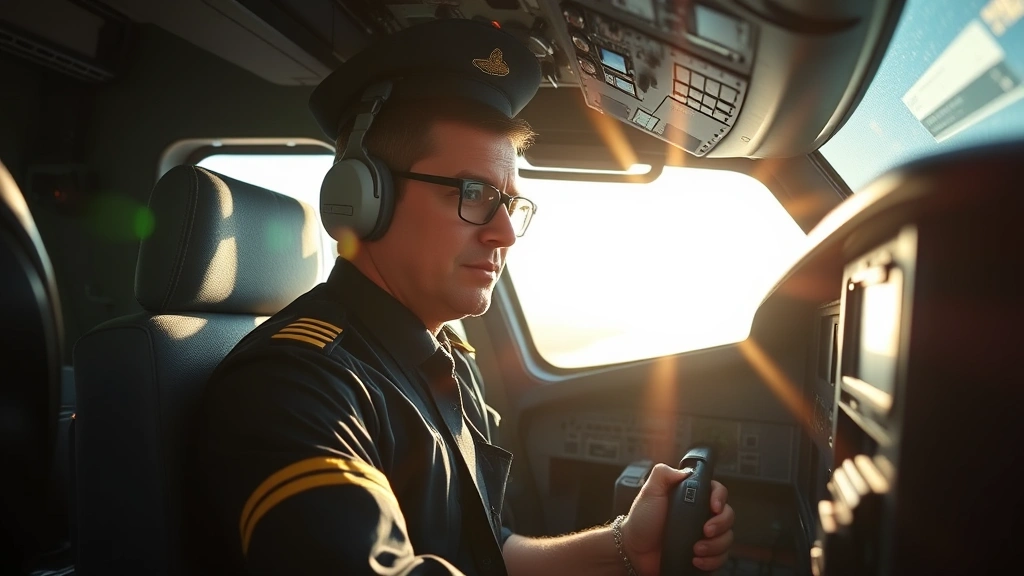
Becoming a Pilot: Insights from Industry Experts
The journey to becoming a pilot represents one of aviation’s most rewarding yet demanding career paths. Whether you aspire to fly commercial airliners, operate cargo aircraft, or pursue recreational flying, understanding the true difficulty level and requirements is essential before committing time and financial resources. Industry experts consistently emphasize that while becoming a pilot is challenging, it remains absolutely achievable for those with determination, proper training, and realistic expectations about the commitment involved.
The path to earning pilot credentials involves rigorous training, significant financial investment, and unwavering dedication spanning months or years. From initial flight hours to advanced certifications, each milestone builds upon previous knowledge and skills. This comprehensive guide explores what industry professionals want aspiring pilots to know about the real challenges, costs, and rewards of pursuing aviation as a career or hobby.
Understanding Pilot Certification Levels
The Federal Aviation Administration (FAA) establishes three primary pilot certification levels, each requiring progressively more training and experience. Understanding these distinctions helps prospective pilots determine their realistic timeline and commitment level.
Private Pilot Certificate represents the foundational certification that allows individuals to fly aircraft for personal use but prohibits compensation. This certification typically requires 60-70 flight hours minimum, though most students need 70-100 hours to meet proficiency standards. Private pilots can fly under visual flight rules (VFR) during daylight and limited twilight conditions.
Commercial Pilot Certificate builds upon private pilot credentials and permits pilots to be compensated for flying services. This advanced certification demands 250 total flight hours minimum, including specific training in complex aircraft operations, cross-country navigation, and emergency procedures. Commercial pilots gain the ability to operate aircraft professionally, though they cannot carry paying passengers at night or in instrument conditions without additional ratings.
Airline Transport Pilot (ATP) Certificate represents the highest certification tier required for commercial airline captains. The ATP requires 1,500 flight hours minimum, advanced knowledge of aerodynamics and aircraft systems, and demonstration of exceptional decision-making abilities. Most airline pilots spend 5-10 years accumulating hours through regional carriers before qualifying for major airline positions.
If you’re interested in building scaled aircraft models before pursuing full pilot training, our guide on DIY RC planes and remote control aircraft provides foundational aerodynamic principles applicable to full-scale aviation.
Training Hours and Time Commitment
Time represents one of the most significant barriers aspiring pilots face. While flight training hours are regulated minimums, actual training duration extends considerably longer due to scheduling, weather delays, and individual learning pace variations.
Private pilot training typically spans 3-6 months for full-time students attending dedicated flight schools, or 6-12 months for part-time trainees balancing other commitments. During this period, students complete approximately 40-60 hours of ground instruction, 60-100 flight hours (depending on individual aptitude), and extensive self-study covering meteorology, navigation, aircraft systems, regulations, and aerodynamic principles.
Commercial pilot training adds an additional 3-6 months minimum, requiring 100+ additional flight hours focusing on complex aircraft operations, advanced navigation, and professional-level decision-making. The ATP certificate demands the most substantial time investment, with pilots accumulating 1,500 hours through varied flight operations including cargo flights, regional airline service, or flight instruction.
Weather significantly impacts training schedules. Instructors cannot conduct certain training maneuvers or cross-country flights during adverse weather conditions. Regions with frequent cloud cover, thunderstorms, or winter weather may extend training timelines substantially. Conversely, areas with consistent clear weather enable more efficient training progression.
Scheduling coordination between instructors and aircraft availability creates additional delays. Busy flight schools may have limited aircraft and instructor availability, requiring students to book training flights weeks in advance. This fragmented scheduling can slow skill development compared to intensive training blocks.
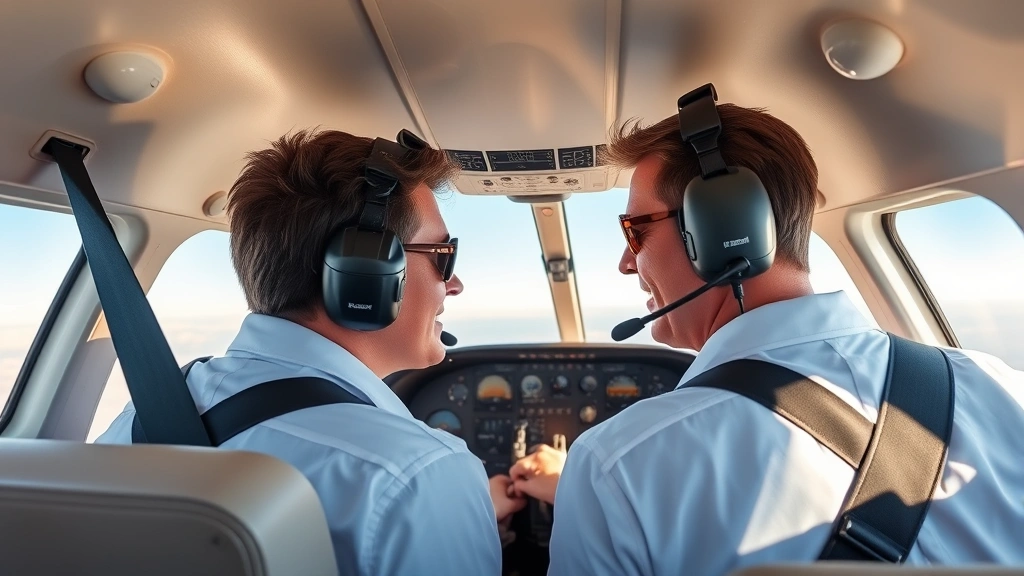
Financial Investment Required
Cost represents the most prohibitive factor for many aspiring pilots. Comprehensive pilot training requires substantial financial resources, with total expenses varying significantly based on training location, aircraft type, and certification level pursued.
Private Pilot Certificate typically costs $8,000-$15,000 for part-time training at independent flight schools, or $10,000-$20,000 at established aviation academies. This encompasses aircraft rental, fuel, instructor fees, training materials, and examination costs. High-cost regions like California or New York may exceed these ranges significantly.
Commercial Pilot Certification adds $5,000-$10,000 to total expenses, reflecting additional flight hours and more complex aircraft rental costs. Specialized training in complex aircraft or multi-engine operations increases expenses further.
Airline Transport Pilot training represents the most expensive pathway, with total costs from private through ATP certification reaching $80,000-$150,000 or higher. Many aspiring airline pilots finance training through educational loans, working flight instruction positions to build hours at reduced costs, or securing employment with regional airlines that sponsor training programs.
Aircraft rental costs constitute the largest training expense. Typical single-engine aircraft rental ranges from $100-$200 per flight hour, while complex aircraft or multi-engine trainers cost $200-$400+ hourly. Fuel surcharges, insurance, and maintenance fees add additional costs beyond base rental rates.
Instructor fees typically range $40-$100 per hour for ground instruction and $50-$150 per hour for in-flight training, depending on instructor experience and geographic location. Certified Flight Instructors (CFIs) with extensive experience command premium rates.
Ground school programs cost $500-$2,000 depending on format (online, classroom, or hybrid). Comprehensive training materials, study guides, and exam preparation resources add $200-$500 to overall expenses.
Medical and Physical Requirements
The FAA mandates medical certification for all pilots, requiring evaluation by designated aviation medical examiners. Medical standards ensure pilots possess physical and mental fitness to operate aircraft safely.
First Class Medical Certificate (required for commercial and airline pilots) demands the most rigorous standards. Applicants must demonstrate excellent vision (correctable to 20/20), normal color perception, adequate hearing, stable cardiovascular health, and absence of disqualifying mental health conditions or medications.
Second Class Medical Certificate (required for commercial pilots not seeking airline positions) imposes slightly less stringent standards but still requires comprehensive medical evaluation.
Third Class Medical Certificate (required for private pilots) represents the minimum standard. Disqualifying conditions include uncorrected vision worse than 20/40, color blindness, hearing loss exceeding specified thresholds, cardiovascular disease, epilepsy, diabetes requiring insulin, and certain psychiatric medications.
The medical evaluation process includes vision testing, hearing assessment, cardiovascular examination, detailed medical history review, and background investigation into medications and medical conditions. Certain medications automatically disqualify applicants, including many antidepressants, antipsychotics, and sedatives commonly prescribed for mental health conditions.
Aspiring pilots with pre-existing medical conditions should consult aviation medical examiners before committing to expensive training. The FAA’s Special Issuance process allows some medically disqualified applicants to petition for certification, but this process requires extensive documentation and typically extends over months or years.
Physical fitness directly impacts pilot performance and safety. While the FAA doesn’t mandate specific fitness levels, pilots benefit substantially from cardiovascular conditioning, flexibility, and core strength. The physical demands of flying include operating heavy flight controls, maintaining situational awareness during extended flights, and managing stress during emergency situations.
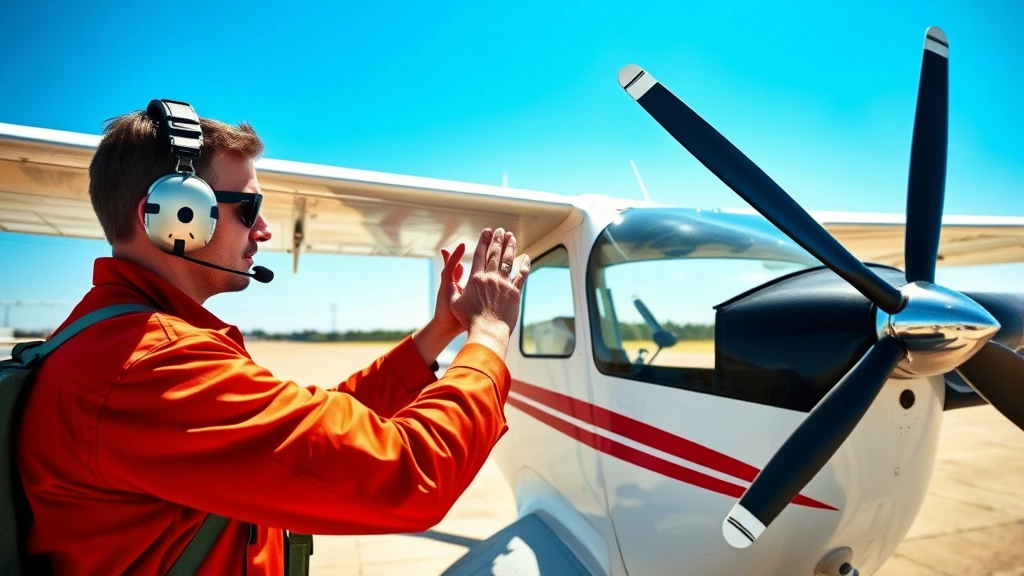
Technical Knowledge and Skills
Becoming a pilot demands mastery of complex technical knowledge spanning aerodynamics, aircraft systems, meteorology, navigation, and regulatory frameworks. Industry experts emphasize that technical proficiency separates safe pilots from accident statistics.
Aerodynamic Principles form the foundation of pilot knowledge. Pilots must understand lift generation, drag forces, stalls, spins, and stability characteristics across varying flight conditions. This knowledge directly impacts decision-making during approach and landing procedures, particularly in crosswind or turbulent conditions.
Aircraft Systems Knowledge requires detailed understanding of engines, electrical systems, hydraulics, fuel management, and avionics. Pilots must diagnose system malfunctions, execute emergency procedures, and manage complex aircraft configurations during various flight phases. For those interested in understanding aircraft capabilities, our article on how fast planes go provides context on aircraft performance characteristics.
Meteorology encompasses weather pattern recognition, thunderstorm avoidance, wind shear identification, and icing condition management. Accurate weather interpretation directly impacts flight safety, particularly for instrument-rated pilots operating in reduced visibility conditions.
Navigation Skills include GPS operation, traditional radio navigation, chart interpretation, and cross-country flight planning. Modern glass cockpit systems have simplified navigation somewhat, but pilots must maintain proficiency with conventional navigation methods as backup systems.
Regulatory Knowledge requires familiarity with Federal Aviation Regulations (FARs), airspace classifications, communication procedures, and operational limitations. The FAA’s regulations exist specifically to maintain aviation safety and separate traffic efficiently.
Ground School and Written Exams
Ground school represents the theoretical foundation for all pilot certifications. Comprehensive ground training covers approximately 40-60 hours of instruction before private pilot certification, with progressive advancement through commercial and airline transport levels.
Ground school curriculum includes aerodynamics, aircraft systems, weather theory, navigation, regulations, and emergency procedures. Students learn through classroom instruction, online modules, textbooks, video presentations, and interactive simulations. Many flight schools integrate ground training with flight instruction, while others offer dedicated ground schools or online programs.
The FAA written examination (Knowledge Test) represents a significant hurdle for many pilot candidates. The private pilot knowledge test contains 60 multiple-choice questions covering all ground school curriculum areas. Candidates must achieve 70% minimum score to pass, requiring accurate knowledge of approximately 42 questions.
Commercial pilot and ATP knowledge tests contain 100 questions with identical 70% passing requirements. These advanced exams delve deeper into complex aircraft operations, advanced weather theory, and sophisticated navigation systems.
Test preparation requires 20-40 hours of dedicated study beyond ground school instruction. Many candidates utilize study software, practice test banks, and focused review of weak areas. The FAA maintains an official test question bank, allowing candidates to study actual examination questions.
Oral examination (checkride) accompanies the written test and practical flying evaluation. During the oral component, examiners (Designated Pilot Examiners or DPEs) probe candidates’ knowledge depth, decision-making reasoning, and emergency procedure comprehension. Examiners may present hypothetical scenarios requiring candidates to justify their decisions and demonstrate critical thinking abilities.
Flight Training Challenges
While ground school presents intellectual challenges, flight training introduces physical, psychological, and procedural difficulties that many candidates find more demanding.
Spatial Disorientation represents a significant challenge for new pilots. Transitioning from ground-based perspective to three-dimensional flight requires substantial cognitive adjustment. Pilots must develop new mental models for aircraft orientation, altitude awareness, and spatial relationships while managing multiple systems and communication requirements simultaneously.
Stress Management becomes critical during flight training. The enclosed cockpit environment, awareness of aircraft altitude, and responsibility for safe flight operation create psychological pressure that affects performance. Effective pilots develop stress management techniques, maintain situational awareness, and avoid decision-making errors under pressure.
Procedural Proficiency demands extensive repetition and memorization. Pilots must execute hundreds of procedures automatically, from pre-flight checklists to emergency responses, without requiring conscious thought during critical flight phases. This procedural fluency takes months to develop.
Instrument Flying presents particular difficulty for many candidates. Flying by reference to instruments alone (without visual horizon reference) contradicts natural instincts and spatial perception. Instrument training requires learning to trust instruments over bodily sensations, a counterintuitive skill requiring substantial practice.
Cross-Country Navigation challenges pilots to integrate planning, execution, and real-time decision-making. Managing fuel consumption, weather changes, aircraft systems, and communication while maintaining course requires multitasking abilities that develop through experience.
Career Opportunities After Certification
Pilot certifications open diverse career pathways beyond commercial airline employment. Understanding available opportunities helps aspiring pilots make informed decisions about training investments.
Commercial Airline Pilot represents the most recognized career path. Airline pilots operate large commercial aircraft transporting hundreds of passengers on scheduled routes. Airline positions require ATP certification, extensive experience, and background investigations. Entry-level regional airline positions start around $25,000-$35,000 annually, with progression to major airlines reaching $100,000-$200,000+ after 15+ years.
Flight Instruction provides accessible entry-level employment for newly certified commercial pilots. Flight instructors earn $25,000-$45,000 annually while building required flight hours for airline positions. Many aspiring airline pilots spend 1-3 years instructing before accumulating sufficient hours.
Corporate/Charter Pilot positions offer competitive compensation and lifestyle benefits. Corporate pilots operate business jets for executives, typically earning $50,000-$90,000 annually with excellent benefits. Charter pilots fly for companies providing air taxi services, earning $35,000-$65,000 depending on experience and aircraft type.
Cargo Pilot positions provide reliable employment with cargo operators flying freight aircraft. Cargo pilots often work irregular schedules but enjoy steady employment and reasonable compensation ($40,000-$75,000 range).
Agricultural Pilot specializes in crop dusting and aerial application services. Agricultural pilots require specialized training but command premium compensation ($35,000-$60,000+) due to hazardous working conditions.
Recreational/Hobby Pilot represents a valid career consideration for those prioritizing personal flying enjoyment over professional aviation employment. Private pilot certification enables personal cross-country flying, personal transportation, and recreational aviation activities without pursuing commercial aviation careers.
FAQ
How long does it take to become a pilot?
Private pilot certification typically requires 3-6 months of full-time training or 6-12 months for part-time students. Commercial certification adds 3-6 months, while ATP certification demands several additional years of accumulated flight hours. Exact timelines vary based on individual aptitude, training intensity, and weather conditions affecting flight scheduling.
What’s the minimum cost to become a pilot?
Private pilot certification costs $8,000-$20,000 depending on training location and aircraft type. Commercial certification adds $5,000-$10,000, while complete training through ATP certification reaches $80,000-$150,000+. These costs reflect aircraft rental, fuel, instructor fees, and training materials.
Do I need perfect vision to become a pilot?
No. The FAA permits corrected vision (glasses or contacts) to 20/20, allowing many people with vision correction to qualify for pilot certification. Color vision deficiency disqualifies applicants, as does uncorrected vision worse than 20/40. Consult an aviation medical examiner regarding specific vision concerns.
What’s the hardest part of becoming a pilot?
Industry experts cite financial investment and time commitment as the primary barriers. Training requires $10,000-$20,000+ and 6-12 months minimum for private certification. Psychological challenges like spatial disorientation and stress management during flight training also prove difficult for many candidates.
Can I become a pilot with anxiety or depression?
Possibly, but with significant complications. Many antidepressants and anti-anxiety medications disqualify applicants from medical certification. The FAA’s Special Issuance process may allow certification for applicants with controlled mental health conditions, requiring extensive documentation and months of evaluation. Consult an aviation medical examiner before pursuing training if you have mental health conditions.
Is becoming a pilot worth the investment?
This depends on individual priorities and career goals. Commercial airline pilots earn solid middle-class to upper-middle-class incomes with benefits and job security. Corporate and charter pilots enjoy competitive compensation and lifestyle benefits. Flight instructors build hours affordably while earning income. Recreational pilots gain personal transportation and aviation enjoyment. Evaluate your specific goals and financial situation before committing.
What’s the failure rate for pilot training?
Approximately 10-15% of private pilot candidates fail to complete certification, with higher rates among part-time students. Commercial pilot training experiences higher failure rates (15-20%) due to increased difficulty and stricter proficiency standards. ATP training maintains lower failure rates among candidates who’ve successfully completed commercial certification.
Can I become a pilot without attending a traditional flight school?
Yes. Independent flight instructors provide training outside formal flight school environments, often at lower cost. However, formal flight schools offer structured curriculum, multiple instructors, and backup aircraft if mechanical issues ground primary training aircraft. Independent instruction works well for motivated, self-directed learners.


