Alcoholic Neuropathy: Recovery Time & Expert Advice
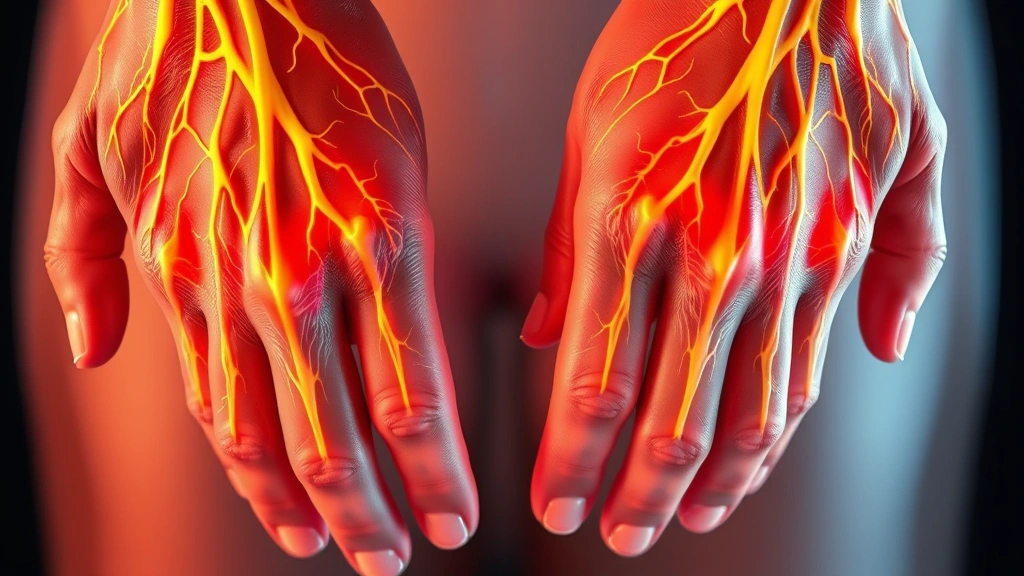
Alcoholic neuropathy represents one of the most common forms of nutritional neuropathy in developed nations, affecting millions of individuals who struggle with alcohol use disorder. This serious neurological condition develops when excessive alcohol consumption damages peripheral nerves, leading to weakness, numbness, and pain primarily in the hands and feet. Understanding the recovery timeline and evidence-based treatment approaches is essential for anyone facing this diagnosis or supporting someone who is.
The path to recovery from alcoholic neuropathy varies significantly depending on the severity of nerve damage, the duration of alcohol misuse, nutritional status, and individual commitment to abstinence and medical treatment. While some individuals experience remarkable improvements within months of stopping alcohol consumption, others may face a longer, more challenging recovery process. This comprehensive guide explores recovery timelines, physiological mechanisms, and expert-backed strategies for managing and potentially reversing alcoholic neuropathy.

Understanding Alcoholic Neuropathy: Causes and Mechanisms
Alcoholic neuropathy develops through multiple interconnected pathways, making it a complex condition requiring comprehensive understanding. The primary mechanism involves direct toxic effects of alcohol and its metabolite acetaldehyde on nerve cells, which disrupts cellular function and triggers inflammation. Chronic alcohol consumption interferes with the body’s ability to absorb and utilize essential B vitamins, particularly thiamine (vitamin B1), which plays a critical role in nerve function and energy metabolism.
The peripheral nervous system comprises nerves extending from the brain and spinal cord to the rest of the body, transmitting sensory information and motor commands. When alcohol damages these delicate nerve fibers, individuals experience symptoms ranging from mild tingling to severe pain and loss of motor control. The condition typically affects longer nerves first, which explains why symptoms usually begin in the feet and progress upward if alcohol consumption continues.
Research published through the National Institute of Neurological Disorders and Stroke demonstrates that alcohol impairs the production of myelin, the protective sheath surrounding nerve fibers. Additionally, alcohol increases oxidative stress within nerve cells, generating harmful free radicals that damage cellular structures. Poor nutrition commonly accompanying heavy alcohol use exacerbates nerve damage, as the body lacks adequate nutrients needed for nerve repair and regeneration.
Recovery Timeline: What to Expect
The recovery timeline for alcoholic neuropathy spans a spectrum influenced by multiple variables, and realistic expectations help individuals maintain motivation throughout treatment. Early-stage recovery typically begins within days to weeks of alcohol cessation, as the body initiates natural healing processes. During this phase, some individuals report reduced pain intensity and improved energy levels, though objective neurological improvements may not yet be measurable.
Intermediate recovery, spanning three to six months, often brings more noticeable improvements. Nerve conduction studies may show measurable improvements in nerve function, and many patients experience significant reduction in numbness and tingling sensations. The body’s natural regenerative capacity accelerates with proper nutrition, abstinence, and medical support. This period requires consistent adherence to treatment protocols and lifestyle modifications.
Long-term recovery extends from six months to two years or beyond, depending on damage severity. Studies indicate that approximately 50-70% of individuals with mild to moderate alcoholic neuropathy achieve substantial or complete symptom resolution within this timeframe. However, severe nerve damage may result in permanent neurological deficits, particularly when alcoholic neuropathy progressed unchecked for extended periods.
Certain factors significantly influence recovery speed. Individuals who achieve complete abstinence generally recover faster than those who continue moderate drinking. Age matters considerably, as younger individuals typically demonstrate superior nerve regeneration capacity compared to older adults. The presence of other medical conditions, particularly liver disease or diabetes, can complicate recovery and extend timelines. Nutritional status at the time of diagnosis plays a crucial role, with severely malnourished individuals requiring extended rehabilitation periods.
Our guide on DIY home security demonstrates how comprehensive planning supports long-term success, much like structured recovery approaches benefit neuropathy patients. Similarly, understanding foundational principles, as detailed in our DIY Nests Hub Blog, provides essential knowledge for managing chronic health conditions.
The Role of Thiamine and Nutritional Rehabilitation
Thiamine deficiency stands as a primary contributor to alcoholic neuropathy development, making nutritional rehabilitation absolutely central to recovery. Alcohol impairs thiamine absorption in the intestines and promotes urinary excretion of this essential nutrient. Additionally, heavy alcohol consumption typically correlates with poor dietary intake, compounding nutritional deficiencies. Thiamine functions as a coenzyme in critical metabolic pathways responsible for energy production and nerve myelin maintenance.
Medical professionals typically recommend high-dose thiamine supplementation as a cornerstone of alcoholic neuropathy treatment. The American Association for the Study of Liver Diseases recommends thiamine supplementation protocols for individuals recovering from alcohol-related conditions. Standard treatment involves thiamine doses ranging from 100 to 1,000 milligrams daily, depending on severity and individual absorption capacity. Some patients benefit from parenteral (injection) thiamine administration, which bypasses intestinal absorption issues.
Beyond thiamine, comprehensive nutritional rehabilitation addresses multiple deficiencies common in individuals with alcoholic neuropathy. B6, B12, and folate deficiencies frequently coexist and require supplementation. Magnesium, zinc, and selenium play important roles in nerve function and require restoration. A balanced diet rich in whole grains, lean proteins, vegetables, and healthy fats supports the body’s regenerative processes. Many recovery specialists recommend working with a registered dietitian who understands alcohol-related nutritional deficiencies to develop personalized supplementation and dietary plans.
Medical Treatment Options and Interventions
Comprehensive medical management addresses both the underlying cause and symptomatic relief during recovery. Alcohol cessation support forms the absolute foundation of treatment, as continued alcohol consumption guarantees progressive nerve damage regardless of other interventions. Medical professionals may recommend medications like naltrexone or acamprosate to reduce cravings and support abstinence. Behavioral therapies, support groups, and rehabilitation programs significantly enhance success rates for sustained sobriety.
Symptomatic treatment options help individuals manage pain and discomfort during the recovery process. Neuropathic pain medications such as gabapentin or pregabalin reduce abnormal nerve signaling and pain perception. Tricyclic antidepressants like amitriptyline provide pain relief through mechanisms beyond mood regulation. Topical treatments including capsaicin cream or lidocaine patches offer localized symptom relief. Physical therapy and occupational therapy help maintain muscle function and develop adaptive strategies for daily activities.
Emerging treatment approaches show promise for enhanced recovery. FDA-approved medications for neuropathic pain continue expanding as research advances. Some medical centers employ intravenous immunoglobulin therapy for severe cases, though evidence remains mixed. Alpha-lipoic acid, an antioxidant, demonstrates some benefit in reducing neuropathic symptoms according to certain clinical studies. However, individuals should discuss all treatment options with their healthcare providers, as individual responses vary significantly.
Regular monitoring through nerve conduction studies and electromyography helps track objective recovery progress. These tests measure how quickly electrical signals travel along nerves, providing quantifiable data about nerve function improvement. Repeat testing at three to six-month intervals documents recovery trajectory and helps physicians adjust treatment protocols accordingly.
Lifestyle Modifications for Optimal Recovery
Lifestyle factors profoundly influence recovery speed and completeness from alcoholic neuropathy. Absolute alcohol abstinence represents the non-negotiable foundation of recovery. Even moderate alcohol consumption perpetuates nerve damage and prevents healing. Individuals should work with addiction specialists, counselors, and support networks to maintain sobriety throughout recovery.
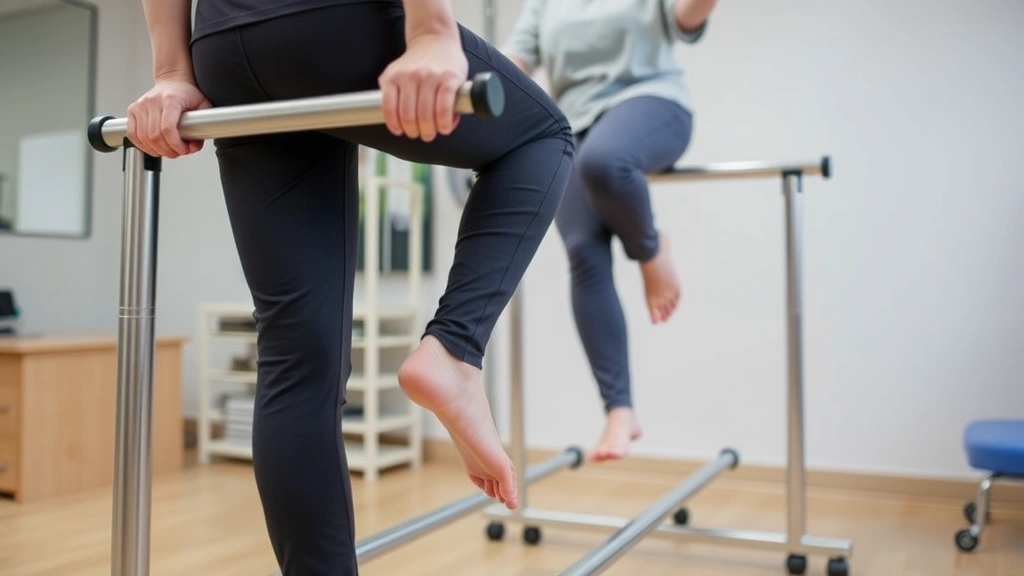
Exercise and physical activity promote nerve regeneration and improve overall health outcomes. Low-impact activities like walking, swimming, or cycling enhance circulation, delivering oxygen and nutrients to damaged nerves. Strength training helps maintain muscle mass and function despite neuropathic symptoms. Physical therapy specifically targeting balance and proprioception reduces fall risk, a critical concern given the sensory deficits associated with neuropathy. Starting gradually and progressing under professional guidance prevents injury and ensures sustainable activity patterns.
Sleep quality significantly impacts nerve repair processes, as the body conducts most cellular regeneration during sleep. Establishing consistent sleep schedules, maintaining cool dark sleeping environments, and limiting screen time before bed support restorative sleep. Individuals experiencing neuropathic pain may benefit from elevated leg positioning or specialized bedding that reduces pressure on affected areas.
Stress management techniques including meditation, deep breathing exercises, and mindfulness practices reduce inflammation and support nervous system recovery. Chronic stress impairs immune function and delays healing, making stress reduction essential. Many individuals benefit from working with mental health professionals to address underlying psychological factors contributing to alcohol misuse.
Temperature regulation becomes important, as nerve damage impairs temperature sensation. Individuals should use caution around heat sources and cold exposure, using thermometers rather than relying on sensation to prevent injuries. Proper footwear with adequate support and cushioning protects vulnerable feet from pressure injuries that could complicate recovery.
Managing Symptoms During Recovery
Symptom management during recovery improves quality of life and supports treatment adherence. Neuropathic pain requires multimodal approaches combining medications, physical therapies, and lifestyle strategies. Medications work best when combined with non-pharmacological interventions. Transcutaneous electrical nerve stimulation (TENS) units provide pain relief through electrical stimulation that modulates pain signals. Acupuncture and massage therapy offer symptom relief for some individuals, though evidence remains mixed.
Numbness and tingling sensations, while often improving with time and treatment, may persist temporarily. Protective strategies prevent injuries that could occur without full sensation. Individuals should inspect feet daily for injuries, wear protective footwear, and avoid activities where sensory loss creates safety risks. Gradual sensory recovery typically occurs over months as nerve fibers regenerate.
Weakness and motor deficits improve through progressive physical therapy and exercise. Occupational therapists help individuals adapt daily tasks and develop compensatory strategies. Assistive devices like walkers, canes, or grab bars maintain independence while protecting safety. As strength returns with recovery, individuals can gradually reduce dependence on assistive devices.
Our comprehensive guide on DIY basement finishing emphasizes proper planning and gradual implementation, principles equally applicable to structured symptom management during neuropathy recovery. Similar to how DIY house painting requires systematic approaches, managing neuropathy symptoms benefits from organized, consistent strategies.
Complications and When to Seek Emergency Care
While most individuals recover well from alcoholic neuropathy with proper treatment, certain complications require immediate medical attention. Severe infections developing from undetected foot injuries demand urgent care, as individuals with sensory neuropathy may not notice injuries until infection develops. Signs include increased warmth, redness, swelling, or drainage from affected areas. Diabetic-like complications can develop in alcoholic neuropathy patients, requiring vigilant foot care.
Sudden worsening of symptoms or new neurological deficits warrant immediate evaluation. These could indicate alternative diagnoses or serious complications requiring different treatment approaches. Falls resulting from balance disturbances or sudden weakness require assessment for injuries and may necessitate increased fall prevention measures.
Autonomic nervous system involvement, though less common than peripheral nerve damage, creates serious complications. Symptoms like severe dizziness upon standing, abnormal heart rhythms, or gastrointestinal dysfunction require urgent medical evaluation. These manifestations suggest involvement of nerves controlling involuntary body functions.
Individuals experiencing suicidal thoughts or severe depression during recovery should seek immediate mental health support. The psychological burden of chronic neuropathy combined with recovery from alcohol use disorder creates vulnerability to mental health crises. Crisis hotlines, emergency departments, and mental health professionals provide essential support.
The American Association of Neurological Surgeons provides resources for finding qualified neurological specialists experienced in managing alcoholic neuropathy complications.
FAQ
How long does complete recovery from alcoholic neuropathy typically take?
Complete recovery timelines vary significantly based on damage severity, individual factors, and treatment adherence. Mild cases may improve substantially within three to six months, while moderate cases often require six to eighteen months. Severe neuropathy may take two years or longer, with some permanent deficits possible. Consistent abstinence, proper nutrition, and medical treatment significantly influence recovery speed.
Can alcoholic neuropathy reverse completely?
Many cases of mild to moderate alcoholic neuropathy show substantial or complete reversal with appropriate treatment and sustained abstinence. Severe nerve damage causing permanent axonal loss may result in incomplete recovery or permanent neurological deficits. The earlier treatment begins and the sooner alcohol cessation occurs, the better the prognosis for complete reversal. Nerve regeneration capacity varies among individuals, particularly based on age and overall health.
What happens if I continue drinking while recovering from alcoholic neuropathy?
Continued alcohol consumption while recovering from neuropathy guarantees progressive nerve damage and negates recovery benefits. Alcohol perpetuates the toxic and nutritional mechanisms causing neuropathy, preventing healing and worsening symptoms. Individuals continuing to drink typically experience deteriorating neurological function, potentially progressing to severe disability. Complete abstinence forms the essential foundation of any recovery program.
Are there permanent effects from alcoholic neuropathy?
Severe or prolonged alcoholic neuropathy can result in permanent neurological deficits, including chronic pain, persistent numbness, or weakness. However, with early intervention and consistent treatment, many individuals avoid permanent complications. The degree of permanence depends on damage severity at diagnosis, treatment initiation timing, and individual healing capacity. Early recognition and aggressive treatment significantly reduce permanent effect risks.
How does thiamine supplementation help recovery?
Thiamine (vitamin B1) functions as a critical coenzyme in energy metabolism and nerve myelin production. Alcohol impairs thiamine absorption and increases urinary excretion, creating severe deficiencies that directly contribute to neuropathy. High-dose thiamine supplementation restores adequate levels, supporting nerve repair mechanisms and energy production. Combined with abstinence and other treatments, thiamine supplementation accelerates recovery significantly.
Should I exercise during recovery from alcoholic neuropathy?
Appropriate exercise during recovery significantly benefits most individuals. Low-impact activities like walking, swimming, or cycling improve circulation, promote nerve regeneration, and maintain muscle function. Physical therapy specifically designed for neuropathy addresses balance and proprioception deficits. However, individuals should start gradually and work with healthcare providers or physical therapists to ensure exercise selection matches current capabilities and prevents injury.


