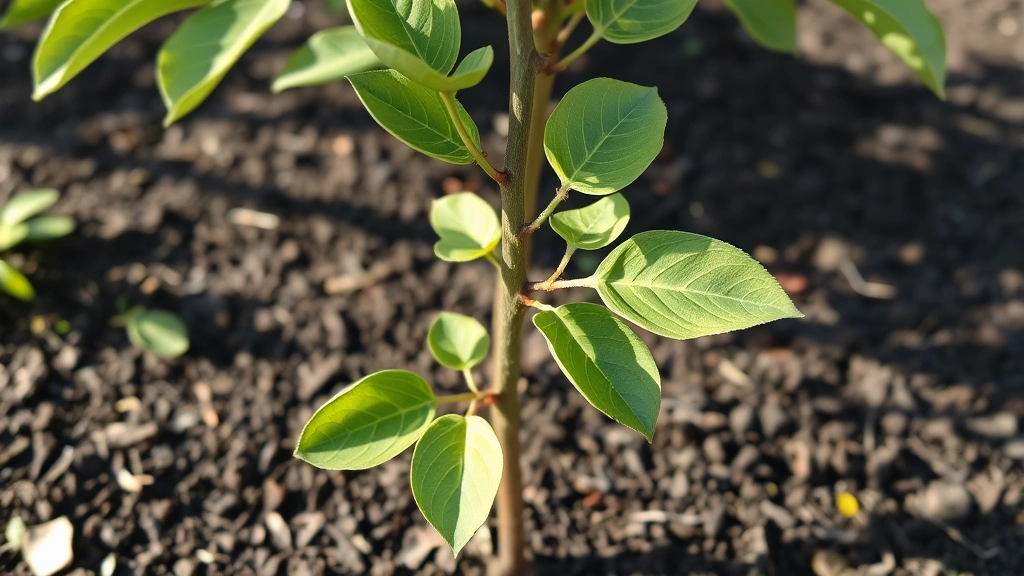
How Long Does an Apple Tree Take to Grow? Expert Insights Here
Growing apple trees is a rewarding endeavor for homeowners and gardeners alike, but patience is essential. Most apple trees require 3 to 5 years before producing their first significant fruit harvest, though some varieties may take up to 8 years. Understanding the growth timeline helps you set realistic expectations and plan your orchard or backyard garden accordingly. The duration depends on multiple factors including the rootstock used, tree variety, growing conditions, and your location’s climate zone.
Whether you’re starting from seed, bare-root trees, or grafted saplings, each method comes with different timelines and success rates. This comprehensive guide explores the realistic growth periods, acceleration strategies, and expert recommendations to help you maximize your apple tree investment. We’ll cover everything from initial planting through mature production, ensuring you have the knowledge needed to support healthy, productive trees for decades to come.
Understanding Apple Tree Growth Stages
Apple trees progress through distinct developmental stages from sapling to mature producer. The juvenile stage typically lasts 2 to 8 years depending on variety and conditions. During this phase, the tree focuses energy on developing a strong root system, establishing the main scaffold branches, and increasing overall size rather than producing fruit. This vegetative growth is critical for long-term productivity and tree structure.
The transition stage begins when trees start producing their first flowers and small fruit clusters. This generally occurs between years 3 and 5 for most commercially viable varieties. Many growers intentionally remove these early flowers and fruits to redirect energy toward tree establishment and branch development. This practice, called fruit thinning, ensures stronger tree structure and better fruit quality in subsequent years.
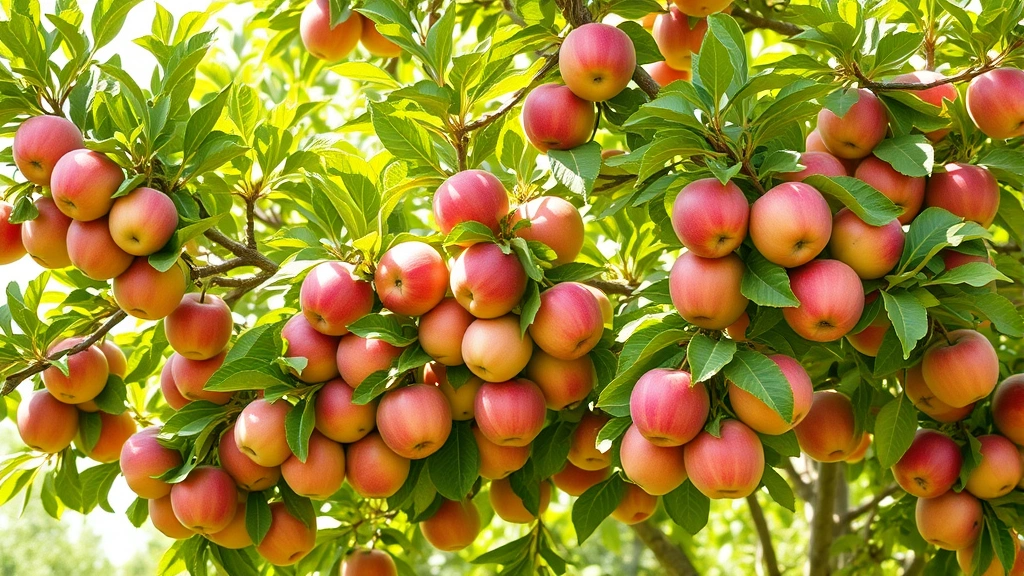
The productive stage commences when trees reach 5 to 7 years old and can sustain regular fruit production. Well-maintained trees in optimal conditions may produce 50 to 100 pounds of fruit annually during peak years. Understanding these stages helps you avoid frustration when young trees don’t immediately produce abundant harvests.
When establishing your DIY growing project, patience during the juvenile stage determines success. Trees that receive proper care during early years develop stronger structure and produce higher-quality fruit for 20 to 40+ years of productive life.
Rootstock Impact on Growing Timeline
The rootstock onto which apple varieties are grafted dramatically influences growth rate and time to first fruit production. Dwarfing rootstocks like M.9 and M.26 produce smaller mature trees (8-15 feet) and fruit within 2 to 3 years. These are excellent choices for home gardeners with limited space and those seeking faster returns on investment.
Semi-dwarfing rootstocks such as M.7 and MM.111 create medium-sized trees (15-25 feet) with fruit production beginning around 3 to 5 years. These offer a balance between mature size and productive timeline, making them popular for small-scale orchards.
Standard rootstocks produce full-sized trees (25-35 feet) but take 5 to 8 years before significant fruit production. While these trees eventually become highly productive and long-lived, the extended juvenile period makes them less practical for most residential settings. The Royal Horticultural Society provides detailed rootstock information for different growing regions.
Your choice of rootstock should align with your space constraints, expected timeline, and long-term goals. Dwarfing rootstocks require more intensive management but deliver faster results, while standard rootstocks demand patience but eventually become productive powerhouses.
Variety-Specific Growth Rates
Different apple varieties exhibit varying growth speeds and fruiting timelines. Early-fruiting varieties like Fuji, Gala, and Jonagold typically begin producing fruit within 2 to 4 years when grown on dwarfing rootstock. These are excellent choices if you want faster gratification from your growing efforts.
Late-maturing varieties such as Granny Smith and Northern Spy may require 5 to 8 years before substantial fruit production, even on semi-dwarfing rootstock. However, these varieties often develop superior flavor and storage quality, making the wait worthwhile for many growers.
Regional varieties perform best in their native or similar climate zones. Before selecting varieties, consult your USDA hardiness zone and research which varieties thrive in your specific conditions. Local agricultural extension offices provide invaluable guidance on variety selection for accelerated growth and optimal productivity.
Choosing multiple varieties with staggered maturation times extends your harvest season and ensures cross-pollination, which significantly improves fruit set and yield. This strategy also distributes your workload throughout the season rather than overwhelming you with simultaneous harvests.
Accelerating Apple Tree Growth
Several evidence-based strategies can accelerate apple tree growth and reduce time to productive fruiting. Soil preparation is foundational—conduct a soil test before planting to ensure adequate pH (6.0-7.0 for apples), nutrient levels, and drainage. Amending poor soil with organic matter increases water retention and nutrient availability, directly supporting faster growth.
Consistent irrigation management during the first three years is critical. Young trees require approximately 1 to 2 inches of water weekly during the growing season. Drip irrigation systems deliver water directly to root zones while minimizing disease risk from foliar wetness. Mulching around trees (3-4 inches deep, keeping mulch 6 inches from trunk) conserves moisture and regulates soil temperature.
Applying balanced fertilizer programs supports vigorous growth without promoting excessive vegetative development. Nitrogen promotes leafy growth, while phosphorus and potassium support root development and fruit production. Slow-release organic fertilizers provide consistent nutrition without the risk of chemical burn that can set back young trees.
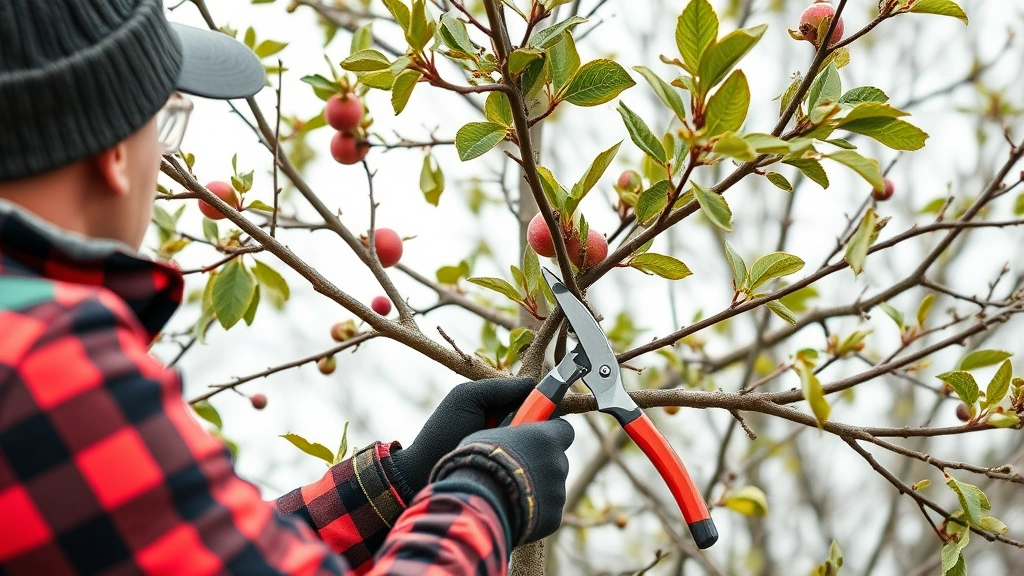
Strategic pruning during dormancy (late winter) shapes trees for optimal light penetration and air circulation. Removing crossing branches, dead wood, and interior growth directs energy toward productive framework. Unlike fruit thinning during growing season, dormant pruning won’t shock young trees and actually stimulates more vigorous spring growth.
Site Preparation and Soil Requirements
Proper site selection and soil preparation establish the foundation for accelerated growth. Apple trees require full sun exposure—minimum 6 hours daily, preferably 8+ hours. Inadequate light reduces photosynthesis, slowing growth and delaying fruiting. Avoid planting in shade cast by buildings or mature trees.
Soil drainage is equally critical. Apple trees cannot tolerate waterlogged conditions, which promote root rot and fungal diseases. If your site has poor drainage, consider raised beds or mounding soil 12-18 inches above grade level. This elevates root systems above standing water and improves aeration.
When establishing your DIY property improvements, incorporate site planning that considers future tree placement and spacing. Proper spacing (15-25 feet apart depending on rootstock) prevents competition and disease pressure.
Prepare planting holes 2-3 times wider than the root ball but no deeper—this encourages lateral root development and prevents settling. Backfill with native soil amended with compost (25-30% by volume) to improve structure and biology without creating a barrier between amended and native soil.
Seasonal Care and Maintenance
Spring management focuses on supporting new growth. Remove any protective wrapping from trunks once frost danger passes. Monitor for pest emergence and apply organic or conventional controls as needed. Begin regular irrigation as soil warms and growth accelerates.
Summer maintenance emphasizes consistent watering, mulch replenishment, and pest/disease monitoring. This is when you’ll perform fruit thinning on young trees—remove 90% of flowers/small fruits to redirect energy toward tree establishment. Thin remaining fruit to one per cluster, spaced 4-6 inches apart.
Fall activities include reducing fertilizer applications to harden wood for winter dormancy. Rake fallen leaves to reduce disease carryover. Continue watering until the first freeze, as dormant trees still require moisture. Harvest fruit when mature but before harsh freezes.
Winter care involves dormant pruning (late January through February in most regions), disease management through sanitation, and pest control. Remove any diseased or dead branches. Apply dormant oil sprays in late winter to smother overwintering pests and their eggs.
Pruning Strategies for Faster Fruiting
Pruning dramatically influences the timeline to productive fruiting when done strategically. Central leader pruning, the most common approach for apple trees, maintains a strong central trunk with lateral branches at 45-degree angles. This structure maximizes light penetration and supports heavy fruit loads without branch breakage.
Selective pruning during the juvenile stage removes vigorous upright shoots (which delay fruiting) while maintaining lateral branches. These horizontal branches naturally produce more flower buds than vertical growth. Bending branches downward with weights or ties encourages flowering without weakening the tree.
Avoid excessive pruning, which stimulates vigorous vegetative regrowth and delays fruiting. Remove only 15-20% of canopy annually. Heavy pruning reverts trees to juvenile growth patterns, potentially delaying production by years.
Summer pruning (June-July) removes excess growth without stimulating the vigorous regrowth that dormant pruning causes. This lighter touch redirects energy toward flower bud development while maintaining tree structure. Pinch back terminal shoots once they’ve grown 6-8 inches to encourage branching and flower bud formation.
Common Growth Problems and Solutions
Poor establishment often results from inadequate water during the first year. Young trees have limited root systems and cannot access deep soil moisture. Water slowly and deeply 2-3 times weekly during the first growing season, then taper frequency as roots establish.
Nutrient deficiencies manifest as yellowing leaves, stunted growth, or abnormal coloration. Conduct soil tests to identify specific deficiencies. Nitrogen deficiency causes overall yellowing; iron deficiency creates interveinal chlorosis (green veins with yellow between); potassium deficiency appears as scorched leaf margins. Address deficiencies with appropriate fertilizers or amendments.
Disease pressure, particularly fungal infections like apple scab and powdery mildew, stresses young trees and slows growth. Improve air circulation through pruning, avoid overhead irrigation, and apply preventive fungicide sprays during susceptible periods. UC Davis Integrated Pest Management provides research-based disease management strategies.
Pest damage from aphids, spider mites, or codling moths weakens trees and delays development. Monitor regularly and apply organic (neem oil, insecticidal soap) or conventional controls at first detection. Early intervention prevents population explosions that can devastate young trees.
Winter injury from extreme cold damages or kills young trees in harsh climates. Protect trunks with tree guards or white paint to reflect winter sun and prevent sunscald. Avoid late-season nitrogen fertilization that promotes tender growth susceptible to frost damage.
FAQ
Can I grow apples from seed faster than grafted trees?
Growing apples from seed is generally slower and unpredictable. Seed-grown trees take 7-10 years to fruit and often produce inferior fruit quality. Grafted trees on dwarfing rootstock reach production in 2-3 years. For faster, more reliable results, always use grafted trees.
What’s the fastest-growing apple tree variety?
Fuji, Gala, and Honeycrisp apples on M.9 dwarfing rootstock typically fruit within 2-3 years. These early-fruiting varieties combined with dwarfing rootstock provide the fastest timeline to production for home growers.
Do I need multiple apple trees for cross-pollination?
Most apple varieties require cross-pollination from a different compatible variety for optimal fruit set. Plant at least two different varieties within 50 feet of each other. Some varieties like Fuji and Granny Smith are excellent pollinizers for many other types.
How much space do I need for dwarf apple trees?
Dwarf apple trees on M.9 rootstock need 8-10 feet of spacing in rows and 10-12 feet between rows. This spacing allows adequate light penetration, air circulation, and equipment access while maximizing production per square foot.
When should I start fertilizing young apple trees?
Begin light fertilization in spring of the first year after planting. Use balanced fertilizer (10-10-10) at half recommended rates for young trees. Gradually increase to full rates by year 3. Avoid over-fertilizing, which promotes excessive growth at the expense of fruiting.
Can I accelerate growth with pruning?
Strategic pruning encourages branching and flower bud development but won’t significantly speed overall tree growth. Focus on pruning to shape structure and encourage early fruiting rather than expecting pruning alone to accelerate maturation.
What’s the best time to plant apple trees?
Plant bare-root trees in early spring (February-March) or fall (October-November) when dormant. Container trees can be planted anytime the ground isn’t frozen, but spring and fall planting reduces transplant stress and promotes establishment faster than summer planting.


