Concrete Curing Time: Expert Insights on Duration and Best Practices
Concrete curing is one of the most critical phases of any construction project, yet it’s frequently misunderstood by DIY enthusiasts and even some professionals. The question “how long does it take concrete to cure?” doesn’t have a simple one-size-fits-all answer because curing time depends on multiple interconnected factors including ambient temperature, humidity, concrete mix design, thickness, and environmental conditions. Understanding these variables will help you plan your project timeline accurately and ensure your concrete achieves maximum strength and durability.
Whether you’re pouring a foundation for a new structure, creating a patio, or working on a basement project as part of a DIY basement finishing endeavor, knowing the proper curing timeline is essential. Rushing this process can compromise structural integrity, while allowing adequate curing time ensures your concrete reaches its full design strength and resists cracking, scaling, and other deterioration.
Standard Concrete Curing Timeline
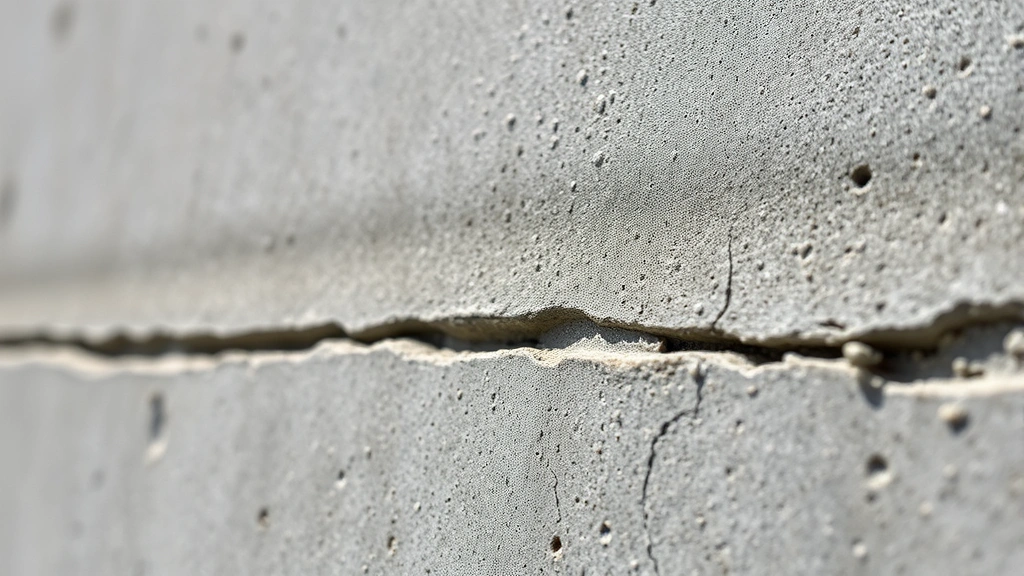
The standard rule of thumb in the construction industry is that concrete reaches approximately 50% of its design strength within the first 7 days of curing. By 28 days, concrete typically achieves 99% of its full design strength, which is why 28 days is the benchmark testing period used by engineers and contractors worldwide. However, this timeline assumes ideal conditions with temperatures around 70°F (21°C) and proper moisture management.
During the first 24 hours, concrete undergoes rapid hydration as the cement particles react with water. This initial setting period is crucial—the concrete becomes hard enough to walk on but is still developing strength. After 3 days, most concrete reaches sufficient strength for light traffic and the removal of basic formwork in many applications. By day 7, concrete typically supports moderate loads, though it continues strengthening beyond this point.
It’s important to distinguish between concrete being “dry to the touch” and being fully cured. Concrete can feel dry within 24-48 hours, but this doesn’t mean it has achieved full strength or is ready for heavy use. Many construction delays occur because contractors or homeowners underestimate the difference between surface dryness and complete curing. For critical applications like basement finishing, waiting the full 28 days before applying flooring or waterproofing treatments is essential.
Temperature and Weather Impact
Temperature is arguably the single most influential factor in concrete curing time. Warmer temperatures accelerate the hydration process, allowing concrete to cure faster, while cold temperatures dramatically slow this chemical reaction. For every 20°F decrease in temperature below the ideal range of 60-80°F, curing time can double or even triple.
In hot conditions (above 85°F), concrete can cure too quickly, which actually creates problems. Rapid surface curing can trap moisture inside, leading to internal stress and potential cracking. Additionally, hot weather accelerates water evaporation from the concrete surface, which can cause the outer layer to dry before the interior has properly hydrated. This condition, called plastic shrinkage cracking, can significantly compromise concrete quality.
Cold weather presents even more severe challenges. When temperatures drop below 50°F, the hydration process slows considerably. Below 40°F, hydration nearly stops, and if concrete freezes before reaching adequate strength, the expanding ice can cause permanent damage. Contractors working in winter conditions often use heated blankets, insulated covers, or admixtures containing calcium chloride to maintain adequate temperatures and accelerate curing. The American Concrete Institute (ACI) provides detailed guidelines for cold and hot weather concreting.
Humidity levels also significantly impact curing. Concrete cures through hydration, a chemical process that requires moisture. Low humidity accelerates surface drying but can prevent proper internal curing if moisture evaporates faster than it can penetrate deeper into the slab. In very dry climates, contractors often mist concrete surfaces or cover them with plastic sheeting to maintain moisture. Conversely, high humidity can slow surface drying while promoting internal hydration, which is generally favorable for strength development.
Factors Affecting Curing Speed
Concrete Mix Design: Different concrete mixes cure at different rates. Standard Portland cement concrete follows the timeline discussed above, but high-early-strength concrete formulations can reach 70% design strength within 3 days. These specialized mixes contain additives that accelerate hydration and are commonly used when projects need faster turnaround times. Conversely, low-heat Portland cement concrete cures more slowly, sometimes taking 60+ days to reach full strength, though it generates less heat during hydration—beneficial for massive concrete structures.
Water-Cement Ratio: The ratio of water to cement in your concrete mix directly affects curing speed and final strength. Lower water-cement ratios produce denser, stronger concrete that cures faster, but the mix becomes more difficult to work with. Higher water-cement ratios make concrete easier to pour and finish but result in weaker concrete that takes longer to cure. Most standard mixes use a ratio around 0.45 to 0.60 by weight.
Concrete Thickness: Thicker concrete sections take longer to cure because moisture must penetrate deeper into the material. A 4-inch slab may reach adequate strength for foot traffic in 7 days, while a 12-inch foundation might require 14-21 days. This is particularly important when planning basement finishing projects involving foundation work or thick structural elements.
Admixtures: Chemical admixtures can significantly modify curing time. Accelerators speed up hydration and are useful in cold weather or when fast turnaround is essential. Retarders slow hydration and are valuable in hot weather or for large pours where you need extended working time. Water reducers improve workability while maintaining strength, and air-entraining admixtures add tiny air bubbles that improve freeze-thaw resistance—important for exterior concrete in freeze-thaw climates.
Cement Type: Different cement types hydrate at different rates. Type I (ordinary Portland cement) is standard. Type III (high-early-strength) achieves strength faster. Type II is used in moderate sulfate environments. Type V is for severe sulfate exposure. ASTM International standards define these cement types and their performance characteristics.
Accelerating Concrete Curing
When project timelines are tight, several legitimate methods can accelerate concrete curing without compromising quality. The most common approach is using high-early-strength concrete mixes formulated to reach 70-80% design strength within 3 days. These mixes cost more but can reduce project duration significantly.
Heated curing is another effective method, particularly in cold weather. Contractors apply heat using blankets, tarps with heating elements, or steam to maintain concrete temperatures in the optimal 50-80°F range. This accelerates hydration and prevents freezing. For large projects, heated enclosures or radiant heating systems may be economically justified.
Calcium chloride accelerators are chemical additives that speed hydration. However, they must be used carefully—excessive amounts can cause rapid drying and cracking. Most specifications limit calcium chloride to 2% by weight of cement. These accelerators are particularly useful in winter construction but should be avoided on reinforced concrete or in corrosive environments where chlorides could promote rebar corrosion.
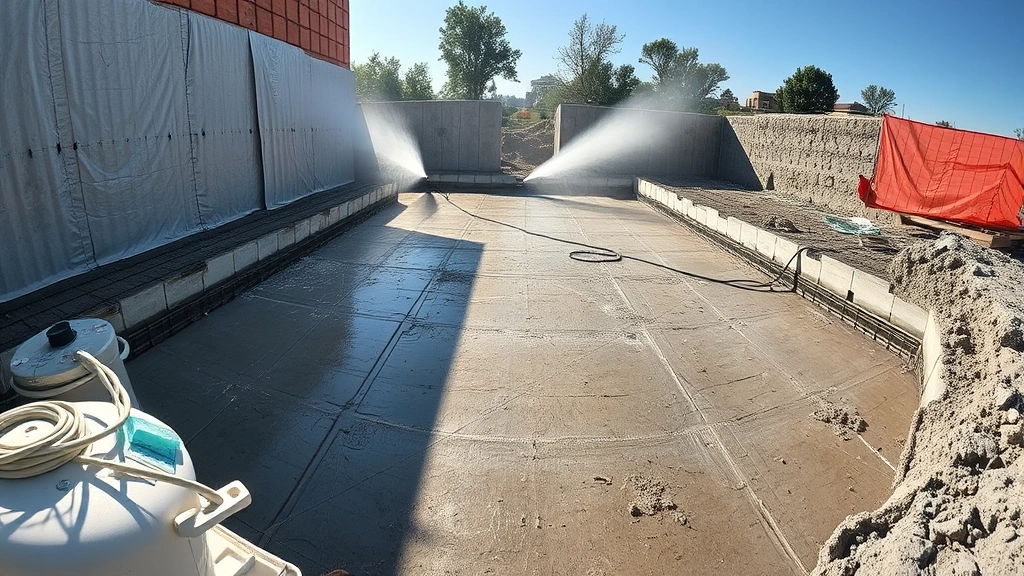
Proper curing moisture management also accelerates strength development. Keeping concrete surfaces wet through misting or covering with wet burlap or plastic sheeting maintains optimal hydration conditions. This is especially important during the first 7 days when hydration is most active. Many contractors use curing compounds—temporary coatings that seal in moisture and are later removed—to maintain proper curing conditions on vertical surfaces or when water access is limited.
It’s crucial to understand that while you can accelerate curing, you cannot skip it. Concrete requires time for the chemical hydration process to occur. Shortcuts like removing forms too early or allowing traffic on concrete before adequate strength development can cause catastrophic failures. Always follow ACI guidelines and local building codes for your specific application.
Common Curing Mistakes
Removing Formwork Too Early: Forms provide support while concrete gains strength. Removing them prematurely can cause sagging, cracking, or collapse. Most building codes specify minimum form removal times: 7 days for walls and columns, 14-21 days for beams and slabs, depending on conditions and loads. The concrete surface temperature and strength testing should guide removal decisions, not just elapsed time.
Allowing Premature Traffic: Concrete that feels hard isn’t necessarily strong. Walking on concrete after 24 hours might be acceptable, but vehicle traffic should wait until at least 7 days, preferably 14-28 days depending on the application. Heavy construction equipment should never be allowed on concrete younger than 7 days, and often longer.
Inadequate Moisture Management: Allowing concrete to dry too quickly creates surface cracks and reduces final strength. Always protect concrete from direct sun, wind, and low humidity during the first 7-14 days. This is especially critical in hot, dry climates or when curing concrete as part of basement finishing where moisture control affects waterproofing performance.
Ignoring Temperature Conditions: Pouring concrete in temperatures below 50°F without heating measures or above 95°F without cooling measures creates quality problems. Cold concrete cures slowly and may never reach full strength. Hot concrete cures too quickly with surface cracking and weak near-surface zones.
Improper Sealing: Applying sealers, coatings, or waterproofing treatments before concrete has fully cured can trap moisture and cause deterioration. Most manufacturers recommend waiting 28 days before sealing. This timeline is particularly important for basement applications where waterproofing integrity is essential.
Testing Concrete Strength
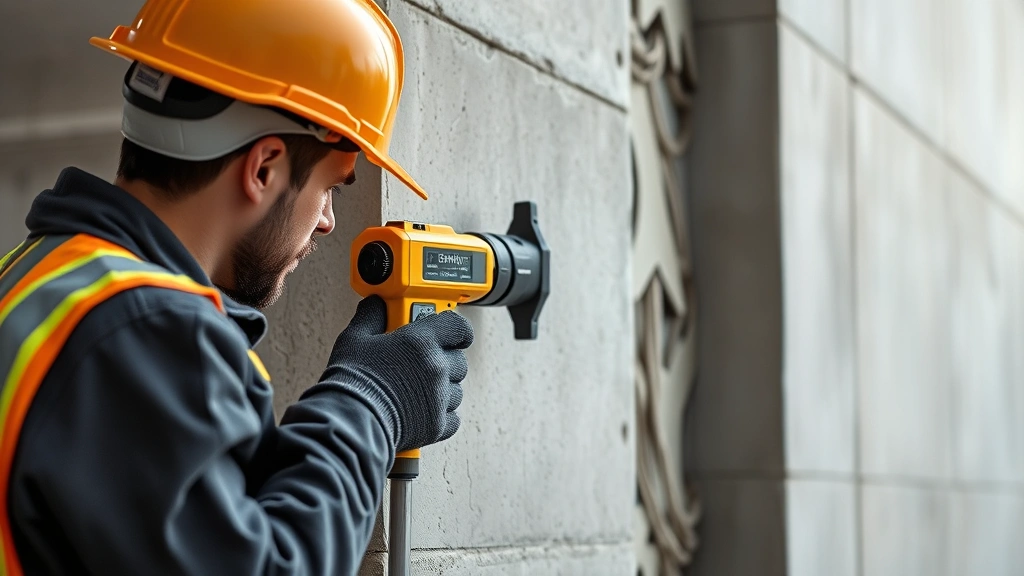
Rather than relying solely on elapsed time, professional contractors often test concrete strength to determine when it’s ready for use. The most common field test is the rebound hammer (Schmidt hammer), which measures the hardness of the concrete surface and correlates to compressive strength. This non-destructive test takes seconds and provides immediate feedback.
Compressive strength testing using test cylinders is the standard laboratory method. Cylinders are cast alongside the main concrete pour, cured under identical conditions, and tested at specified intervals (typically 7 and 28 days) using a compression testing machine. This provides accurate strength data for quality assurance and verification that concrete meets design specifications.
Maturity testing is another sophisticated method that accounts for temperature history. Since curing rate depends on temperature, maturity calculations use time-temperature data to predict when concrete will reach a target strength, even in variable conditions. This is particularly valuable in cold weather or variable climates.
For critical projects or when you’re uncertain about curing adequacy, hiring a concrete testing laboratory is worthwhile. They provide independent verification that your concrete meets design strength and can identify problems before they become expensive failures. This is especially important for structural elements like basement foundations where strength is essential to building integrity.
The International Code Council (ICC) and local building departments provide specific testing requirements based on your project type and location. Always consult applicable codes before beginning your concrete work.
FAQ
Can I walk on concrete after 24 hours?
Light foot traffic is generally acceptable after 24 hours in normal conditions (around 70°F), though concrete continues strengthening for weeks. However, avoid heavy traffic, furniture placement, or any significant loads. Wait at least 7 days before allowing vehicle traffic or heavy equipment.
How long before I can paint or seal concrete?
Most concrete sealers and paints require concrete to cure for 28 days before application. Applying these products too early traps moisture and can cause peeling, flaking, or adhesion failure. Always check manufacturer specifications—some products have different requirements.
Does concrete continue curing after 28 days?
Yes, concrete continues gaining strength for years, though the rate of strength gain slows dramatically after 28 days. Most of the significant strength development occurs within the first year, with minimal additional strength gain after that. At 1 year, concrete typically reaches about 100-105% of its 28-day strength.
What’s the difference between concrete curing and drying?
Curing is the chemical hydration process where cement reacts with water to form the solid concrete matrix. Drying is the physical process of water evaporating from the surface. Concrete should cure (hydrate) while moisture is present, but drying should occur slowly to prevent cracking. These are distinct processes that happen simultaneously but at different rates.
Can I use concrete in winter?
Yes, but with precautions. Concrete placed in temperatures below 50°F requires heating measures to maintain proper curing temperature and prevent freezing damage. Heated blankets, insulated covers, or heated enclosures are necessary. Some contractors add calcium chloride accelerators. Winter concrete projects cost more but are possible with proper planning and execution.
How does concrete strength relate to curing time?
Concrete strength development follows a predictable curve based on the hydration process. Strength gain is fastest in the first 7 days, then slows progressively. By 28 days, concrete reaches about 99% of its design strength. The actual timeline depends on temperature, mix design, and other factors, but this general pattern remains consistent.
What should I do if concrete cracks during curing?
Minor surface cracks (hairline cracks) are common and usually don’t indicate structural problems. They result from rapid drying or shrinkage. Proper moisture management during curing minimizes cracking. If significant cracks appear (wider than 1/8 inch or through-depth cracks), consult a structural engineer. For future pours, consider air-entrainment, lower water-cement ratios, or proper curing techniques to prevent recurrence.
Is concrete ready to use when it stops being wet?
No. Concrete can feel dry to the touch while still curing internally. The surface may dry within 24-48 hours, but internal hydration continues for weeks. Always follow recommended curing times for your specific application rather than relying on surface appearance.
How does weather affect concrete curing in my location?
Your local climate significantly impacts curing time. Hot, dry climates accelerate surface drying but can create internal moisture problems. Cold, humid climates slow curing but promote even hydration. Consult local contractors or building departments for climate-specific guidance. They understand regional conditions and can recommend appropriate timing and techniques for your area.


