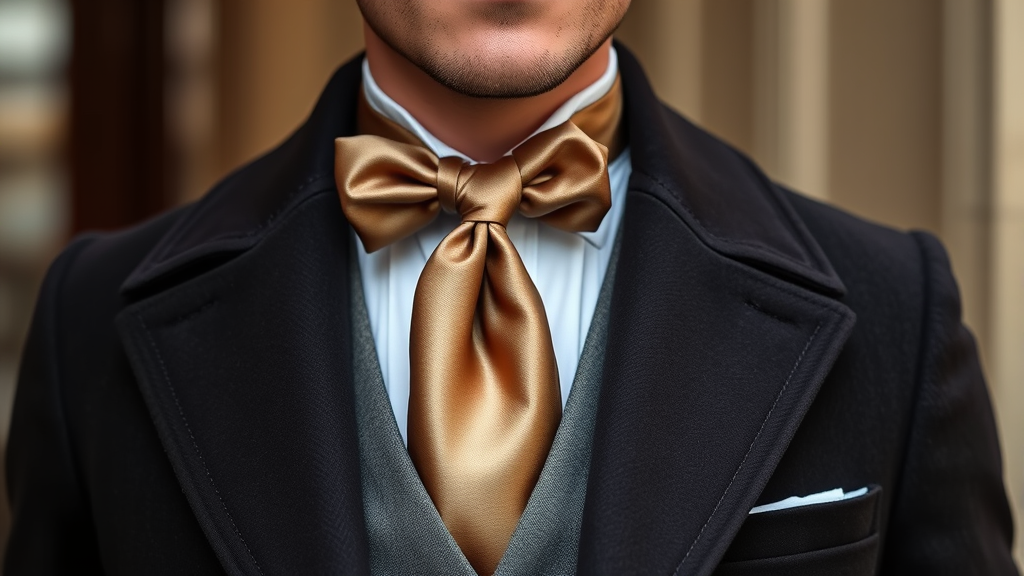
The ascot tie represents one of the most sophisticated and versatile accessories in men’s formal wear, offering a distinguished alternative to traditional neckties. Originally worn by English gentlemen in the late 19th century, this elegant neckwear has experienced a remarkable resurgence in contemporary fashion. Understanding how to wear an ascot tie properly can elevate your style quotient and add a touch of refined elegance to both formal and casual occasions.
Whether you’re attending a wedding, garden party, or simply want to add sophistication to your everyday wardrobe, mastering the art of wearing an ascot tie opens up numerous styling possibilities. This comprehensive guide will walk you through everything you need to know about selecting, wearing, and styling ascot ties with confidence and flair.
Understanding Ascot Ties: History and Style
The ascot tie, also known as an ascot or day cravat, originated in the fashionable circles of Victorian England. Named after the prestigious Royal Ascot horse racing event, this neckwear was initially worn by wealthy gentlemen as part of their morning dress. The ascot’s distinctive wide, flat design and luxurious silk fabric made it a symbol of aristocratic refinement.
Traditional ascots differ significantly from modern neckties in both construction and wearing method. They feature a wider blade that’s designed to be folded and secured with a tie pin or worn tucked into a waistcoat. The fabric is typically made from high-quality silk, though modern versions may incorporate cotton, wool, or synthetic blends for different occasions and price points.
Today’s ascot ties come in various styles, including formal ascots for black-tie events, casual day ascots for semi-formal occasions, and patterned versions that add personality to business attire. Understanding these distinctions helps you select the appropriate style for your specific needs and occasions.
Choosing the Right Ascot for Your Occasion
Selecting the perfect ascot tie requires consideration of several factors, including the formality of the event, your personal style preferences, and the colors in your wardrobe. For formal daytime events such as weddings or garden parties, opt for solid-colored ascots in classic shades like navy, burgundy, or forest green. These colors complement most suit colors and provide a sophisticated foundation for your ensemble.
Pattern selection plays a crucial role in ascot styling. Subtle patterns like small polka dots, paisley, or thin stripes work well for business occasions, while bold patterns can serve as statement pieces for more casual events. When choosing patterns, ensure they don’t clash with your shirt or suit patterns – if your suit has pinstripes, choose a solid or subtly patterned ascot.
Fabric quality significantly impacts both appearance and comfort. Silk ascots offer the most luxurious feel and drape beautifully, making them ideal for formal occasions. Cotton blends provide breathability for warmer weather, while wool ascots add texture and warmth for cooler seasons. Consider investing in a few high-quality pieces rather than many lower-quality options.
Color coordination extends beyond matching your ascot to your suit. Consider your shirt color, pocket square, and even your accessories like cufflinks or watch. A well-coordinated ensemble demonstrates attention to detail and sophisticated taste. For inspiration on creating handmade accessories that complement your style, explore DIY Paper Crafts for unique decorative elements.
Step-by-Step Guide: How to Tie an Ascot
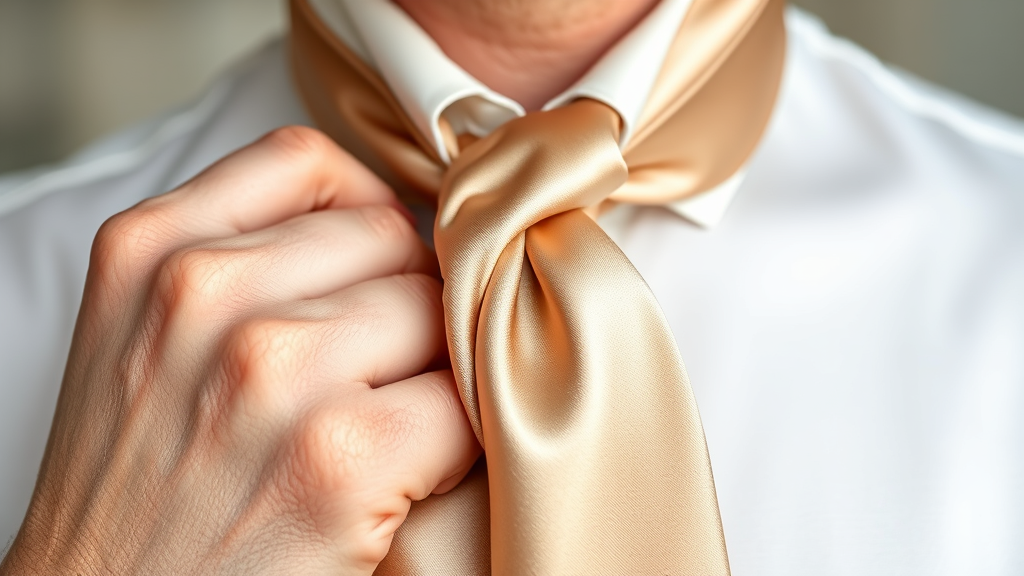
Learning how to wear an ascot tie properly requires practice and attention to detail. The most common and versatile method is the basic ascot knot, which works well for both formal and casual occasions. Begin by draping the ascot around your neck with one end slightly longer than the other – approximately two inches of difference works best.
Cross the longer end over the shorter end at your throat, creating a simple overlap. Take the longer end and bring it up through the loop you’ve created, similar to tying a necktie but with less tension. Instead of pulling tight, leave the knot relatively loose to maintain the ascot’s characteristic relaxed appearance.
Adjust the ascot by gently pulling on both ends until you achieve the desired tightness and positioning. The knot should sit comfortably at your throat without being too tight or too loose. Smooth out any wrinkles in the fabric and ensure both ends lie flat against your chest.
For formal occasions, tuck the ends of the ascot into your waistcoat or vest, leaving only the knotted portion visible. This creates a clean, refined appearance that’s appropriate for daytime formal events. For casual wear, you can leave the ends outside your shirt or jacket, allowing them to drape naturally over your chest.
Securing your ascot with a decorative tie pin adds both style and functionality. Position the pin horizontally through both layers of the ascot, approximately one inch below the knot. Choose a pin that complements your other accessories and the formality of the occasion.
Styling Tips for Different Occasions
Mastering ascot styling for various occasions requires understanding the nuances of formal dress codes and personal expression. For morning weddings or garden parties, pair a silk ascot with a light-colored suit, crisp white shirt, and complementary pocket square. The ascot should coordinate with but not exactly match your pocket square – this creates visual interest without appearing overly coordinated.
Business casual environments offer opportunities to incorporate ascots as sophisticated alternatives to traditional ties. Choose subtle patterns and muted colors that complement your professional wardrobe. Ensure your ascot is properly pressed and neatly tied, as sloppy presentation can undermine your professional image.

For creative or artistic events, embrace bolder patterns and colors that reflect your personality. Paisley ascots, vibrant jewel tones, or unique textures can serve as conversation starters while maintaining sophistication. Balance bold ascots with neutral suit colors to prevent overwhelming your overall look.
Seasonal styling considerations affect both fabric choice and color selection. Summer calls for lighter fabrics and brighter colors, while autumn and winter favor richer textures and deeper hues. Consider the venue and time of day when selecting your ascot – outdoor events may require different considerations than indoor gatherings.
Accessorizing with an ascot extends beyond the tie itself. Coordinate with other accessories like cufflinks, watches, and shoes to create a cohesive look. For those interested in creating personalized accessories, consider exploring DIY Valentine’s Day Gifts for inspiration on crafting unique pieces.
Fabric Care and Maintenance
Proper care and maintenance of your ascot ties ensure they maintain their appearance and longevity. Silk ascots require particularly gentle handling due to the delicate nature of the fabric. Always check the care label before cleaning, as some silk ascots require dry cleaning while others can be hand-washed with appropriate silk-safe detergents.
Storage plays a crucial role in maintaining your ascot’s shape and preventing wrinkles. Hang ascots on padded hangers or roll them carefully in tissue paper before placing them in drawers. Avoid folding silk ascots sharply, as this can create permanent creases that are difficult to remove.
When pressing ascots, use a low heat setting and place a pressing cloth between the iron and the fabric to prevent scorching or shine. Steam pressing works well for silk fabrics, as it removes wrinkles without direct heat contact. Allow the ascot to cool completely before wearing or storing.
Regular inspection helps identify potential issues before they become major problems. Check for loose threads, small stains, or areas of wear that might require professional attention. Address minor issues promptly to prevent them from worsening over time.
For those who enjoy creating their own accessories and maintaining a polished appearance, incorporating self-care routines can complement your sophisticated style. Consider exploring DIY Homemade Facial Scrub or DIY Face Masks to maintain a refined, well-groomed appearance that matches your elegant ascot styling.
Common Mistakes to Avoid
Many ascot wearers make fundamental mistakes that can undermine their sophisticated appearance. One of the most common errors is tying the ascot too tightly, which creates an uncomfortable, constricted look rather than the relaxed elegance the accessory should provide. The ascot should sit comfortably at your throat without pulling or creating tension.
Improper proportions represent another frequent mistake. Wearing an ascot that’s too wide for your frame or choosing patterns that overwhelm your overall appearance can create an unbalanced look. Consider your body type and choose ascot widths that complement your build and suit style.
Mixing formal and casual elements inappropriately often occurs when men attempt to incorporate ascots into their wardrobes without understanding dress codes. Wearing a formal silk ascot with casual jeans and a t-shirt, for example, creates a jarring contrast that appears costume-like rather than sophisticated.
Color coordination mistakes can make even the highest-quality ascot appear cheap or poorly chosen. Avoid exact color matching between your ascot and other accessories, as this creates a monotonous appearance. Instead, choose complementary colors or subtle pattern variations that create visual interest.
Neglecting proper grooming and presentation undermines the sophisticated image an ascot should project. Ensure your shirt is properly pressed, your suit fits well, and your overall grooming meets the standards your elegant ascot suggests. According to Men’s Wearhouse, attention to these details separates truly well-dressed men from those who simply wear expensive clothes.
Frequently Asked Questions
What’s the difference between an ascot and a regular necktie?
An ascot is wider and shorter than a traditional necktie, designed to be worn with the ends either tucked into a waistcoat or draped over the chest. Unlike neckties that are knotted tightly at the collar, ascots are tied more loosely and create a different silhouette. Ascots are typically made from heavier silk and are considered more formal for daytime events.
Can I wear an ascot with a regular business suit?
Yes, you can wear an ascot with a business suit, but choose subtle patterns and conservative colors for professional environments. Ensure the ascot complements rather than competes with your suit, and maintain impeccable grooming standards. Some conservative business environments may not be appropriate for ascots, so consider your workplace culture.
What occasions are most appropriate for wearing an ascot?
Ascots are ideal for daytime formal events such as weddings, garden parties, horse races, and cultural events. They’re also appropriate for business casual environments, creative industry events, and social gatherings where you want to demonstrate sophisticated style. According to GQ Magazine, ascots work best for events where traditional neckties might feel too formal or stuffy.
How do I choose the right size ascot for my body type?
Choose ascot width based on your torso size and suit lapel width. Larger men can wear wider ascots, while smaller frames benefit from narrower styles. The ascot should complement your suit’s proportions – wider lapels pair well with wider ascots. When in doubt, choose a medium-width ascot that works with most suit styles.
Should my ascot match my pocket square?
Your ascot and pocket square should complement each other without being identical matches. Choose pieces that share similar color families or complementary patterns rather than exact matches. This creates visual interest and demonstrates sophisticated styling knowledge. Avoid wearing ascots and pocket squares made from identical fabric unless they’re part of a formal matching set.
How tight should I tie my ascot?
Tie your ascot loosely enough to maintain comfort while ensuring it stays in place throughout your event. The knot should sit comfortably at your throat without creating tension or pulling. You should be able to swallow and speak normally without feeling constricted. A properly tied ascot appears relaxed and elegant rather than tight and formal.
Can I wear an ascot without a jacket or vest?
While ascots traditionally accompany formal jackets or vests, modern styling allows for wearing them with dress shirts in appropriate casual settings. Ensure your shirt is well-fitted and properly pressed, and choose ascot styles that work well when fully visible. This approach works best for creative or social environments rather than traditional business settings. The Art of Manliness provides excellent guidance on adapting traditional ascot styling for contemporary wear.