The highly anticipated boxing match between Dmitry Bivol and Artur Beterbiev represents one of the most significant light heavyweight unification bouts in recent years. Both fighters bring undefeated records and championship belts to the ring, making this a must-watch event for boxing enthusiasts and casual viewers alike. Setting up your home entertainment system properly ensures you won’t miss a single moment of this historic fight.
Modern streaming technology has revolutionized how we watch major sporting events, but it requires proper preparation to avoid technical difficulties during crucial moments. From optimizing your internet connection to choosing the right streaming platform, every detail matters when you’re investing in premium pay-per-view content. This comprehensive guide will help you create the perfect viewing setup for the Bivol vs Beterbiev fight while ensuring a seamless streaming experience.
Official Streaming Platforms and Options
The Bivol vs Beterbiev fight will be available through several official streaming platforms, each offering different pricing structures and viewing experiences. ESPN+ typically serves as the primary broadcaster for major boxing events in the United States, offering both standalone pay-per-view purchases and bundled packages for subscribers. The platform provides high-definition streaming with multiple camera angles and expert commentary.
DAZN has emerged as another major player in boxing streaming, particularly for international viewers. Their subscription model often includes access to major fights as part of their monthly or annual plans. The platform’s interface is user-friendly and supports multiple devices simultaneously, making it ideal for households with different viewing preferences.
Traditional cable providers like Comcast, Spectrum, and DirecTV also offer pay-per-view options through their set-top boxes. While this method requires a cable subscription, it often provides the most stable viewing experience with minimal buffering issues. The cost typically ranges from $69.99 to $79.99 for HD viewing.
International viewers should check local broadcasting rights, as different regions may have exclusive deals with specific platforms. Some countries offer the fight through their national sports networks or regional streaming services at varying price points.
Optimizing Your Home Internet for Fight Night
A reliable internet connection is crucial for uninterrupted streaming during the fight. Most streaming platforms recommend a minimum download speed of 25 Mbps for 4K content and 10 Mbps for HD streaming. However, these are baseline requirements that don’t account for multiple devices using the network simultaneously.
Before fight night, test your internet speed using tools like Speedtest.net to ensure your connection meets the recommended requirements. If your speed falls short, contact your internet service provider to upgrade your plan temporarily or permanently. Many providers offer short-term speed boosts for special events.
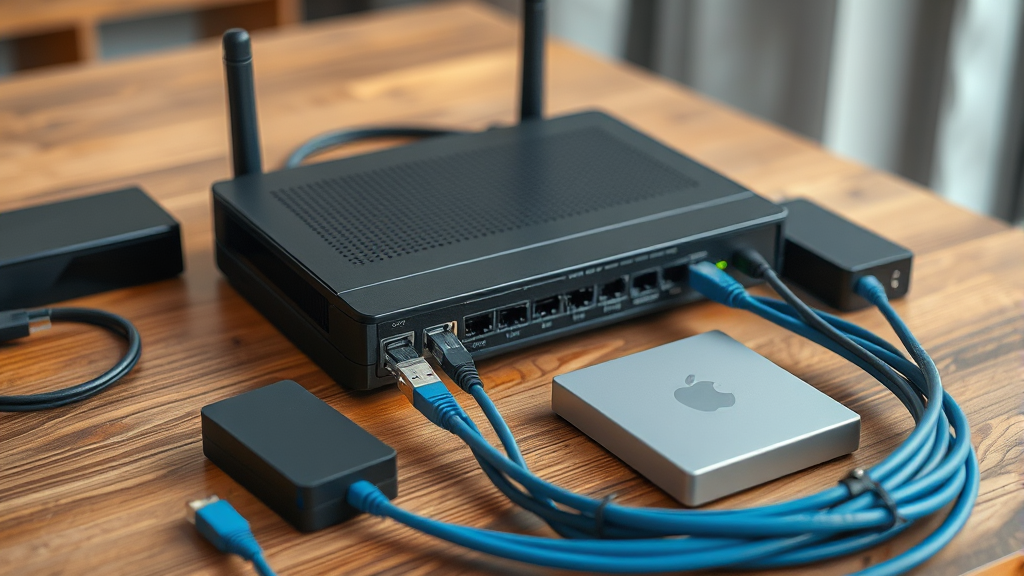
Setting up a proper DIY networking system can significantly improve your streaming quality. Position your router in a central location away from interference sources like microwaves and baby monitors. Consider upgrading to a mesh network system if your home has dead zones or weak signal areas.
Ethernet connections provide the most stable streaming experience compared to Wi-Fi. If possible, connect your streaming device directly to your router using an Ethernet cable. This eliminates potential Wi-Fi interference and provides consistent bandwidth for the entire fight duration.
Bandwidth management becomes critical when multiple household members plan to use the internet during the fight. Modern routers offer Quality of Service (QoS) settings that prioritize streaming traffic over other applications. Configure these settings to ensure your streaming device receives priority bandwidth allocation.
Essential Equipment and Setup Checklist
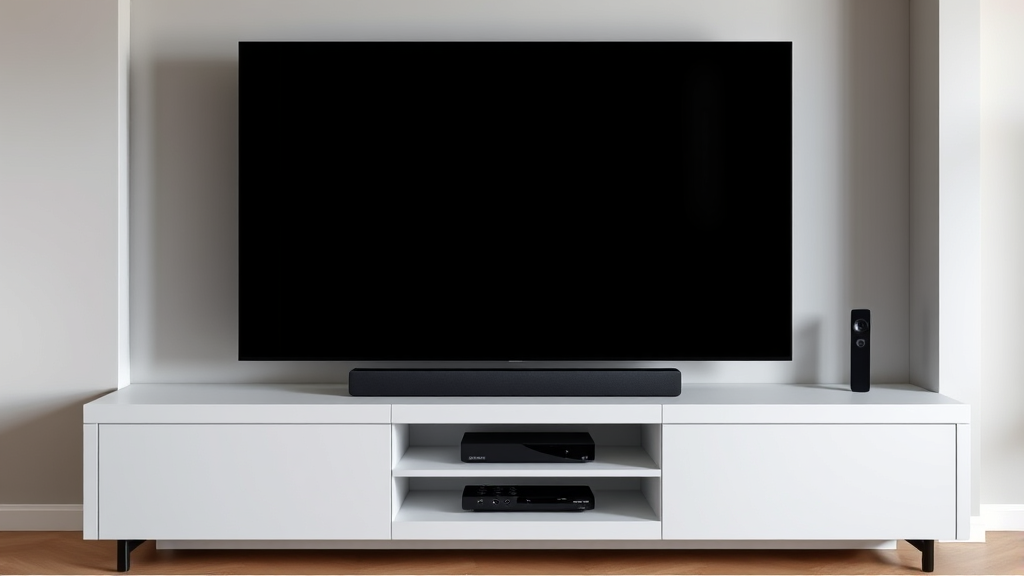
Your viewing device significantly impacts the overall fight night experience. Smart TVs with built-in streaming apps offer convenience but may lack the processing power of dedicated streaming devices. Popular options include Apple TV 4K, NVIDIA Shield TV, Roku Ultra, and Amazon Fire TV Stick 4K Max, each offering different features and price points.
Audio quality often gets overlooked but plays a crucial role in creating an immersive boxing experience. A quality soundbar or surround sound system enhances the atmosphere by delivering crisp commentary and impactful crowd reactions. Many modern soundbars support Dolby Atmos, providing three-dimensional audio that places you ringside.
Display calibration ensures optimal picture quality for the fight. Adjust your TV’s picture settings to “Cinema” or “Movie” mode rather than the overly bright “Vivid” setting. These modes provide more accurate colors and better contrast ratios for sports content. Disable unnecessary image processing features that can introduce input lag or motion artifacts.
Backup power solutions protect against power outages during crucial fight moments. Uninterruptible Power Supply (UPS) units provide temporary power for your essential equipment, giving you time to switch to alternative viewing methods if needed. Size your UPS appropriately to support your TV, streaming device, and router for at least 30-60 minutes.
Cable management and equipment organization prevent last-minute technical issues. Ensure all cables are securely connected and organize them to avoid accidental disconnections. Label important cables and keep spare HDMI cables readily available in case of equipment failure.
Common Streaming Issues and Solutions
Buffering remains the most common streaming problem during high-traffic events like major boxing matches. When thousands of viewers simultaneously access the same content, servers can become overwhelmed, resulting in stuttering or frozen video. Close unnecessary applications and devices using your network to free up bandwidth for streaming.
Audio sync issues can ruin the viewing experience, particularly during boxing where timing is crucial. Most streaming platforms offer audio delay adjustment settings in their advanced options menu. If your TV has its own audio processing, disable these features to reduce sync problems. Some soundbars also include lip-sync correction features.
Login and authentication problems often spike during major events due to server overload. Create your streaming platform account and verify payment methods well before fight night. Save your login credentials in your browser or device to avoid typing errors during peak traffic periods. Consider logging in early and keeping the stream paused until the fight begins.
Video quality degradation can occur when your internet connection fluctuates. Most platforms automatically adjust quality based on available bandwidth, but you can manually set the resolution in the player settings. Start with a lower resolution and gradually increase it to find the optimal balance between quality and stability for your connection.
Device compatibility issues may arise with older streaming equipment or outdated apps. Update all streaming apps and device firmware at least 24 hours before the fight. This prevents mandatory updates from interfering with your viewing experience during critical moments.
Creating the Ultimate Fight Night Experience
Hosting a viewing party requires additional technical considerations beyond solo viewing. Multiple viewers mean increased Wi-Fi usage from smartphones and tablets, potentially impacting streaming quality. Set up a guest Wi-Fi network to isolate visitor traffic from your main streaming connection.
Seating arrangements and screen visibility become crucial for group viewing. Calculate optimal viewing distances based on your TV size – typically 1.5 to 2.5 times the screen diagonal for comfortable viewing. Dim ambient lighting to improve screen contrast while maintaining enough illumination for safety and snacks.
Social media integration enhances the communal experience but can drain bandwidth. Encourage guests to download content or use cellular data for social media activities during the fight. Consider setting up a dedicated tablet or laptop for social media monitoring to avoid interrupting the main stream.
Food and beverage preparation should account for fight timing and duration. Boxing matches can experience delays, so prepare easy-to-serve options that won’t spoil if the event runs long. Keep beverages in coolers near seating areas to minimize movement during crucial fight moments.
Temperature control becomes important with additional body heat from guests and extended equipment operation. Adjust your home’s climate control system before guests arrive and ensure adequate ventilation around electronic equipment to prevent overheating.
Backup Plans and Alternative Options
Technical failures can occur despite careful preparation, making backup viewing options essential for such a significant event. Mobile streaming serves as an excellent fallback option, with most platforms offering dedicated smartphone and tablet apps. Download the relevant apps and test them beforehand to ensure smooth operation.
Local sports bars and restaurants often purchase commercial pay-per-view licenses for major boxing events. Research nearby establishments that will broadcast the fight and make reservations if necessary. This option provides a guaranteed viewing experience with professional-grade equipment and backup systems.
Radio coverage offers audio-only backup for extreme technical difficulties. While not ideal, experienced boxing commentators can paint vivid pictures of the action through detailed descriptions. Many sports radio stations and online platforms provide live fight coverage.
Recording capabilities allow you to capture the fight for later viewing or to rewatch key moments. Some streaming platforms include cloud DVR features, while others require third-party recording solutions. Check the terms of service for your chosen platform, as some prohibit recording of pay-per-view content.
Friend and family networks can provide alternative viewing locations if your primary setup fails. Coordinate with other boxing fans who might be hosting viewing parties or have different streaming platform subscriptions. This social backup option often enhances the overall experience through shared excitement.
Building a comprehensive home security system ensures your expensive electronics remain protected while you focus on enjoying the fight. Additionally, documenting your setup process and sharing it on your personal website can help other boxing fans prepare for future events.
Frequently Asked Questions
What internet speed do I need to watch Bivol vs Beterbiev without buffering?
For HD streaming, you need a minimum of 10 Mbps download speed, while 4K streaming requires at least 25 Mbps. However, these are baseline requirements. For optimal performance during high-traffic events like major boxing matches, aim for speeds 50-100% higher than the minimum requirements. This buffer accounts for network congestion and multiple devices sharing your connection during the fight.
Can I watch the fight on multiple devices with one purchase?
Most streaming platforms allow viewing on multiple devices registered to the same account, but simultaneous streaming during pay-per-view events may be restricted. ESPN+ typically allows up to three concurrent streams, while DAZN permits multiple device access depending on your subscription tier. Check your platform’s specific terms of service for pay-per-view content limitations before fight night.
What should I do if my stream starts buffering during the fight?
First, pause the stream for 30-60 seconds to allow the buffer to build up, then resume playback. If buffering persists, lower the video quality in the player settings to reduce bandwidth requirements. Close other applications and disconnect unnecessary devices from your network. As a last resort, switch to a mobile device using cellular data or find an alternative viewing location with better internet connectivity.
How early should I log in and test my streaming setup?
Log into your streaming platform at least 2-3 hours before the main card begins to avoid authentication issues during peak traffic. Test your complete setup, including audio and video quality, at least 24 hours before the fight. This gives you time to resolve any technical issues, update software, or make equipment adjustments without the pressure of missing the opening bell.
Are there any free legal ways to watch highlights or portions of the fight?
While the full fight requires a pay-per-view purchase, many sports networks and official boxing YouTube channels post highlight reels and key moments within hours of the fight’s conclusion. ESPN, DAZN, and other official broadcasters often provide free preview content and post-fight analysis. Social media platforms may also feature short clips, though the quality and completeness vary significantly compared to official sources.
What happens if I experience technical difficulties and miss part of the fight?
Most legitimate streaming platforms offer replay access for 24-48 hours after the live event, allowing you to watch missed portions or the entire fight again. Contact customer service immediately if technical issues prevent you from viewing the purchased content – many platforms provide refunds or credits for verified streaming problems. Keep screenshots or documentation of any error messages to support your case.
For more home improvement and technical setup guides, visit our DIY blog for comprehensive tutorials and expert advice on optimizing your home entertainment systems.