
Table of Contents
Introduction
There’s something magical about taking a plain piece of wood and turning it into something beautiful. Maybe it’s a simple shelf for your kitchen, or a birdhouse that’ll make the neighbors jealous. Whatever it is, woodworking has this way of getting under your skin—in the best possible way. If you’re thinking about giving it a shot, you’ve come to the right place.
Here’s the thing: most people think woodworking is this intimidating, expensive hobby that requires a garage full of fancy tools. Not true. You can start small, learn as you go, and actually have fun doing it. The secret? Pick projects that don’t make you want to pull your hair out. Speaking of starting smart, checking out DIY woodworking plans can save you a ton of headaches by showing you exactly what you’re getting into before you make your first cut. And while we’re talking about building confidence with DIY projects, exploring other hands-on skills like DIY car repairs can really boost your overall fix-it confidence.
Now, let’s talk safety for a minute. I know, I know—safety lectures aren’t exactly thrilling. But trust me, keeping all your fingers attached makes woodworking way more enjoyable. With the right tools, a bit of common sense, and a properly set up workspace, you’ll be creating amazing things without any trips to the emergency room. And here’s a bonus: once you get comfortable with basic woodworking, you might find yourself tackling other home projects too. Something like DIY house painting suddenly doesn’t seem so scary when you’ve already mastered a saw.
The cool thing about getting into DIY is how one skill builds on another. Take DIY home decor projects, for example—they can spark ideas for your next woodworking piece, or vice versa. It’s like having a creative conversation between different crafts, and honestly? That’s where some of the best project ideas come from.
What You’ll Learn in This Guide
Ready to dive in? We’re going to cover everything you need to get started, without overwhelming you with stuff you don’t need to know yet. Here’s the plan:
- Essential Tools and Materials: The real scoop on what tools you actually need (spoiler: it’s less than you think) and which types of wood are forgiving enough for beginners to work with.
- Safety Tips for Beginners: How to set up your workspace and protect yourself so you can focus on the fun stuff instead of worrying about accidents.
- Easy Beginner Projects: Simple, satisfying projects like birdhouses and basic shelves that’ll teach you the fundamentals without making you want to quit.
- Step-by-Step Project Guide: We’ll walk through your first project together, from measuring and cutting to that final satisfying moment when you step back and think, “I made that.”
As you work through these projects, something pretty amazing happens. You start seeing wood differently. That random board at the hardware store? Suddenly it’s a potential spice rack. Your confidence grows, your skills improve, and before you know it, you’re the person your friends call when they need something custom-built.
We’ll also share some insider tips for getting better over time—the kind of stuff that comes from actually spending time in the workshop, not just reading about it. And if you’re the type who likes variety in your creative life, branching out into other DIY areas like DIY paper crafts or even DIY bath salts can keep that creative energy flowing when you need a break from sawdust.
By the time you finish reading this guide, you’ll know exactly what you need to get started, how to stay safe, and which project to tackle first. More importantly, you’ll have the confidence to actually start. Because here’s what I’ve learned: the best woodworking project is the one you actually begin. So let’s get you ready to make something awesome—your first wooden creation is waiting for you.
So you’re ready to start woodworking? That’s awesome! There’s something magical about taking a piece of raw wood and turning it into something beautiful and functional. But here’s the thing—having the right tools and materials from day one makes all the difference. Trust me, I’ve seen too many beginners get frustrated because they tried to cut corners (literally and figuratively). Good tools don’t just make your projects easier—they help you get precise cuts, solid joints, and that professional finish you’re after. And let’s talk about safety for a second. Yeah, I know it might seem obvious, but building safe habits right from the start? That’s what separates woodworkers who stick with it from those who give up after a scary close call.
Essential Tools and Materials for Beginners
Here’s what I wish someone had told me when I started: you don’t need a workshop that looks like something out of a magazine. But you do need the right basics. The right tools will give you clean cuts, tight joints, and finishes that make people ask “Did you really make that yourself?” Same goes for materials—start with wood that’s forgiving and won’t fight you every step of the way. When you’re learning, the last thing you want is your materials working against you. Want to know which tools actually matter? Our complete DIY woodworking plans break down exactly what you need for each type of project. No guesswork, no buyer’s remorse.
Once you’ve got your basic toolkit sorted, you’ll be amazed at how much more confident you feel. Seriously—it’s like the difference between trying to cook with a dull knife versus a sharp one. Everything just works better. If you’re looking for beginner-friendly project ideas, check out our guide on DIY pallet projects. Pallets are perfect for beginners because they’re cheap, readily available, and pretty forgiving if you make a mistake. Plus, you’ll pick up skills that carry over to other woodworking projects. And here’s a bonus tip: understanding basic home improvement techniques (like the ones covered in our hardwood floor refinishing guide) actually makes you a better woodworker. It’s all connected.
Key Aspects of Essential Tools and Materials
Okay, let’s get specific. Here’s what you actually need to get started—no fluff, just the essentials:
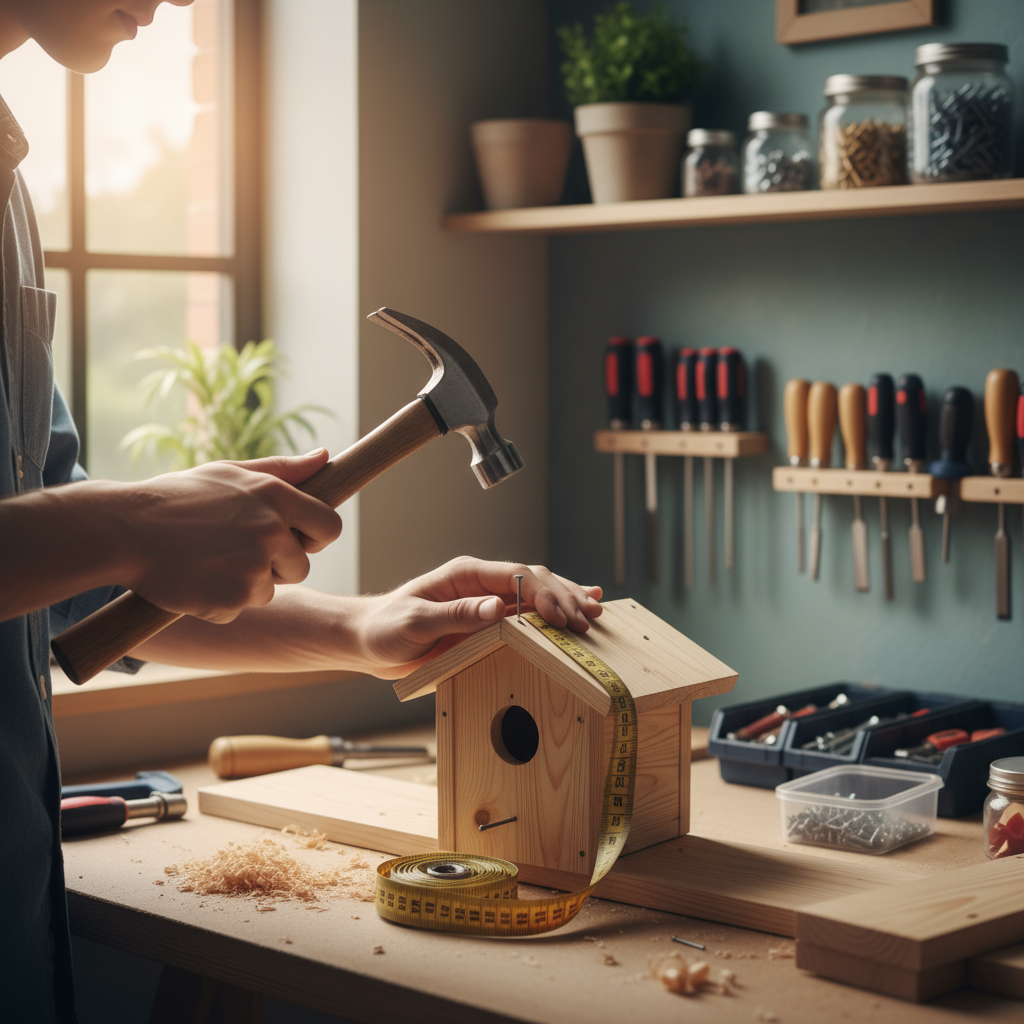
- Must-Have Tools: Start with the basics that’ll handle 90% of your projects. You need a good hammer (for obvious reasons), a reliable measuring tape (measure twice, cut once—seriously), a saw that cuts straight, screwdrivers in different sizes, a square to keep your angles honest, and various grits of sandpaper for that smooth finish. These aren’t glamorous, but they’re workhorses. For the complete rundown on what to buy first, our DIY woodworking plans have you covered.
- Materials to Get Started: Pine and plywood are your best friends when you’re starting out. They’re affordable, easy to work with, and forgiving when you mess up (and you will—we all do). Stock up on screws and nails in common sizes, get some quality wood glue (this stuff is stronger than the wood itself), and don’t forget finishing supplies like stain or polyurethane. Your projects deserve to look good and last.
- Optional Helpful Tools: These aren’t must-haves on day one, but they’ll make your life easier as you progress. Clamps are like extra hands—they hold pieces exactly where you need them. A cordless drill saves your wrist from endless screwing. Good brushes make staining and finishing so much smoother. And wood filler? It’s like magic for hiding those little oops moments.
- Quality and Budget Considerations: Look, I get it—good tools cost money. But here’s what I learned the hard way: buying cheap tools twice costs more than buying good tools once. That said, you don’t need to break the bank. Read reviews, ask other woodworkers, and consider starter sets designed for beginners. Sometimes you can find great secondhand tools that just need a little TLC.
With these basics in your arsenal, you’re ready to tackle real projects. But before you fire up that saw, let’s talk about something that could literally save your fingers.
Safety Tips for Woodworking Beginners
Real talk: woodworking involves sharp things, spinning things, and heavy things. Respect them, and they’ll help you create amazing projects. Ignore safety, and you might end up with a story that starts with “So there I was in the emergency room…” I’m not trying to scare you—woodworking is incredibly safe when you know what you’re doing. The key is building good habits from the beginning. Our DIY woodworking plans include safety reminders for each step, because we’ve all been there—you get excited about a project and forget the basics. And if you want to see how safety applies to other home improvement work, the safety practices in our hardwood floor refinishing guide show how pros think about protecting themselves in any project.
Safety isn’t just about wearing the right gear (though that’s important). It’s about how you set up your workspace, how you handle your tools, and having a plan when things go sideways. Because they will sometimes—that’s just part of working with your hands. The goal is making sure small mistakes stay small.
Key Aspects of Woodworking Safety
Here’s how to keep all your fingers attached and your projects enjoyable:
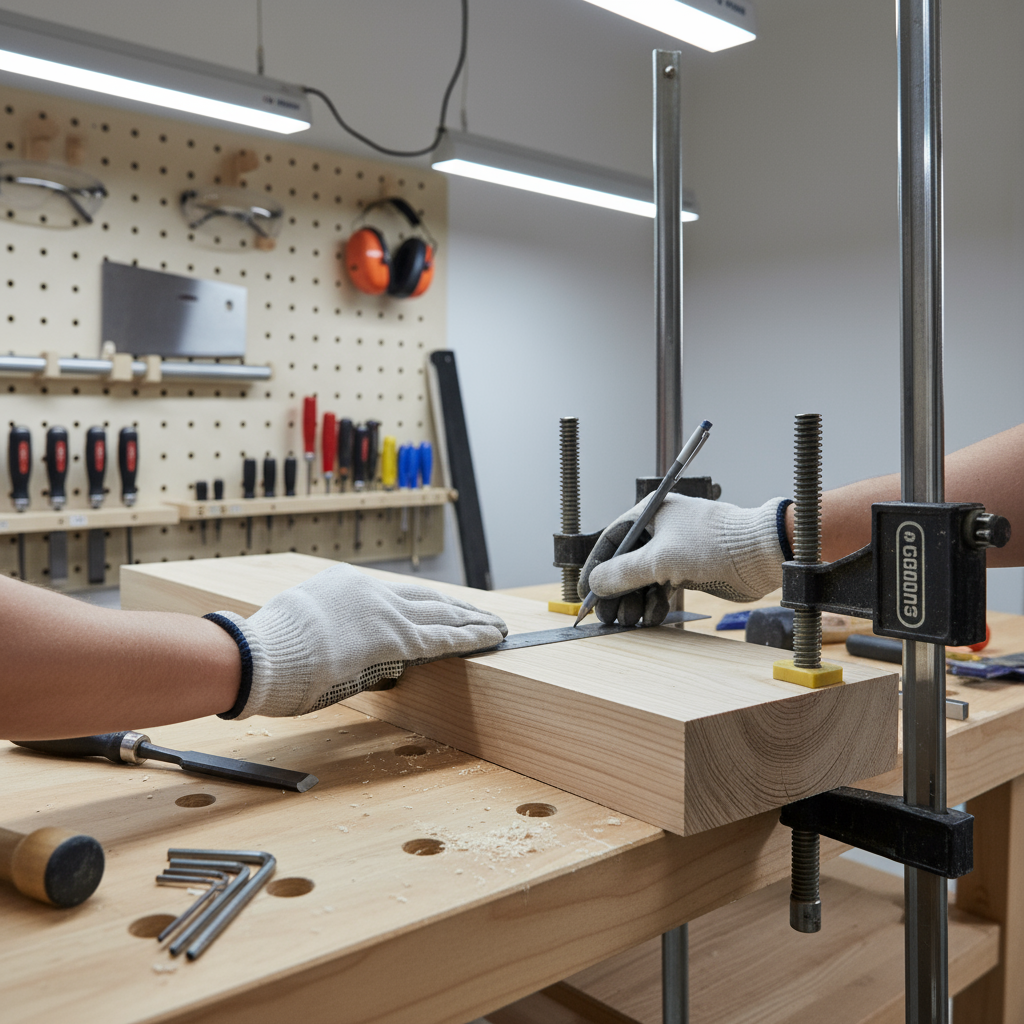
- Personal Protective Equipment: Safety glasses aren’t optional—wood chips flying at your eyes is no joke. A dust mask keeps your lungs happy (sawdust gets everywhere). Ear protection saves your hearing when you’re using power tools. And gloves protect against splinters and sharp edges, though take them off when using spinning tools. This stuff might not look cool, but neither does explaining to people why you’re missing a fingertip.
- Safe Tool Handling: Every tool has a right way and a wrong way to use it. Learn the right way first. Keep your blades sharp—dull tools are dangerous tools because they require more force and are more likely to slip. Never, ever disable safety guards or bypass safety features. I don’t care how much faster it seems—it’s not worth it.
- Workspace Safety: A messy shop is a dangerous shop. Keep your work area clean and well-lit. Make sure you have good ventilation—those fumes and dust need somewhere to go. Organization isn’t just about looking professional; it’s about not tripping over things or grabbing the wrong tool in a hurry.
- Emergency Preparedness: Know where your first aid kit is and how to use it. Keep a fire extinguisher handy and check it regularly. Have a plan for getting help if you need it. Most importantly, if something doesn’t feel right, stop. Your intuition is usually right, and no project is worth getting hurt over.

So you’re ready to dive into DIY woodworking? That’s awesome. There’s honestly nothing quite like the feeling of transforming a piece of raw wood into something beautiful and functional with your own two hands. Sure, you’ll make mistakes along the way (we all do), but that’s half the fun. Each cut, each sanded edge, each project teaches you something new.
Here’s what I love about woodworking—it doesn’t matter if you start with a simple birdhouse or a basic picture frame. Every project builds on the last one. You’ll surprise yourself with how quickly your confidence grows once you get the hang of using your tools safely and effectively. And speaking of tools, you don’t need to break the bank starting out. A solid set of basics will handle way more than you’d think.
Safety first, though. Always. I can’t stress this enough—good safety habits from day one will serve you well for years to come. Protective gear, proper tool handling, keeping your workspace organized? These aren’t just suggestions. They’re what separate enjoyable woodworking from trips to the emergency room. Trust me on this one.
The beauty of woodworking is that it grows with you. Start simple, then gradually tackle more complex projects as your skills develop. Different wood types, new techniques, bigger challenges—there’s always something new to learn. And here’s the thing: every piece you create has your personal touch. No two woodworkers approach a project exactly the same way.
Ready to take things further? Check out our detailed DIY woodworking plans for step-by-step blueprints that’ll walk you through more advanced projects. If you’re curious about sustainable crafting, our DIY pallet projects guide shows you how to turn discarded materials into something amazing. And once you’ve built those beautiful wooden pieces? You’ll want to learn about DIY house painting to give them that perfect finished look.
Look, starting any new hobby can feel overwhelming. But woodworking? It’s one of those skills that pays you back immediately. Every project you complete—no matter how simple—gives you this incredible sense of accomplishment. You made that. With your hands, your patience, your growing skills. So grab your tools, pick a project, and get started. Your first masterpiece is waiting, and honestly? It’s going to feel pretty amazing when you step back and admire what you’ve created.
Frequently Asked Questions
-
What are some good beginner woodworking projects?
- Simple projects like birdhouses, picture frames, and small shelves are perfect for beginners to develop skills and confidence.
-
What tools do I need to begin woodworking?
- A basic toolkit with hammer, measuring tape, saw, screwdrivers, square, and sandpaper covers most beginner project needs effectively.
-
How can I ensure safety while woodworking?
- Wear personal protective equipment like safety glasses, gloves, and dust masks, handle tools properly, and maintain a clean workspace to stay safe.