Achieving radiant, healthy skin doesn’t have to involve expensive spa treatments or complicated skincare routines. One of the most effective and accessible methods for maintaining glowing skin is through proper exfoliation using body scrubs. Exfoliating body scrubs work by gently removing dead skin cells, unclogging pores, and promoting cell renewal, leaving your skin smoother, brighter, and more receptive to moisturizers and other skincare products.
Understanding how to properly use exfoliating body scrubs is essential for maximizing their benefits while avoiding potential skin irritation. Whether you’re using store-bought products or creating your own DIY body scrubs, the technique and frequency of application play crucial roles in achieving optimal results. This comprehensive guide will walk you through everything you need to know about incorporating exfoliating body scrubs into your skincare routine for healthier, more luminous skin.
Understanding Exfoliation and Its Benefits
Exfoliation is the process of removing dead skin cells from the surface of your skin, revealing the fresh, healthy cells underneath. Our skin naturally sheds dead cells every 28-30 days, but this process can slow down due to age, environmental factors, and lifestyle choices. When dead skin cells accumulate, they can make your skin appear dull, rough, and uneven while potentially clogging pores and preventing skincare products from penetrating effectively.
Body scrubs provide mechanical exfoliation through their abrasive particles, which physically buff away dead skin cells. The benefits of regular exfoliation include improved skin texture, enhanced circulation, reduced appearance of ingrown hairs, better absorption of moisturizers, and a natural glow. According to the National Center for Biotechnology Information, regular exfoliation can also help stimulate collagen production, contributing to firmer, more youthful-looking skin.
Different types of exfoliating agents work in various ways. Salt scrubs tend to be more abrasive and are excellent for very rough areas like elbows and heels, while sugar scrubs are gentler and suitable for sensitive skin. Coffee grounds provide caffeine benefits that may help improve circulation, and oatmeal offers soothing properties for irritated skin.
Choosing the Right Exfoliating Body Scrub
Selecting the appropriate body scrub for your skin type is crucial for achieving desired results without causing irritation. Consider your skin’s sensitivity level, any existing conditions, and your specific skincare goals when making your choice. Those with sensitive skin should opt for finer particles like sugar or ground oatmeal, while those with thicker, less sensitive skin can handle coarser materials like sea salt or pumice.
Commercial body scrubs often contain additional beneficial ingredients such as essential oils, vitamins, and moisturizing agents. Look for scrubs that include nourishing oils like coconut, jojoba, or sweet almond oil, which help maintain skin hydration during the exfoliation process. Avoid scrubs with harsh chemicals, artificial fragrances, or ingredients that may trigger allergic reactions.
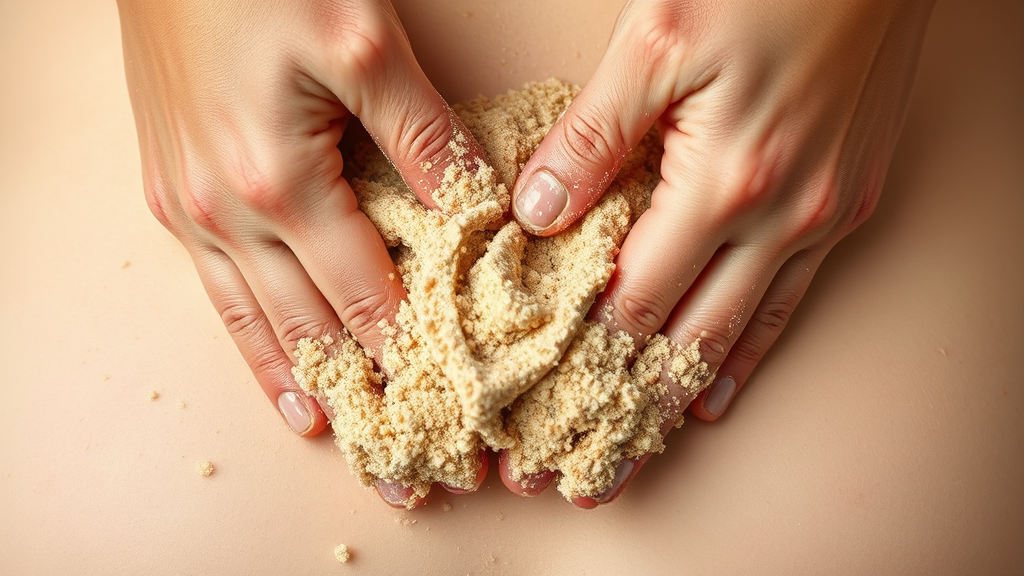
For those interested in natural alternatives, creating your own homemade scrubs allows complete control over ingredients and customization for specific skin needs. Common DIY ingredients include brown sugar for gentle exfoliation, sea salt for deeper cleansing, honey for antibacterial properties, and various oils for moisturizing benefits.
Proper Application Technique
The way you apply your exfoliating body scrub is just as important as the product itself. Begin with slightly damp skin in the shower or bath, as wet skin provides the ideal surface for gentle exfoliation. Apply the scrub to small sections of your body at a time, using circular motions with moderate pressure. The key is to be firm enough to remove dead skin cells but gentle enough to avoid irritation or micro-tears in the skin.
Start with your feet and work your way up, paying special attention to rough areas like elbows, knees, and heels. These areas typically require slightly more pressure and time due to thicker skin buildup. For your torso and arms, use lighter pressure and focus on areas prone to dryness or roughness. Avoid scrubbing too vigorously on sensitive areas like the inner arms or chest.
When applying the scrub, use your hands rather than a washcloth or loofah, as this gives you better control over pressure and allows you to feel your skin’s response. Spend about 30 seconds to one minute on each area, ensuring even coverage. The American Academy of Dermatology recommends gentle, circular motions to avoid skin damage while effectively removing dead cells.
Frequency and Timing Guidelines
Determining how often to use exfoliating body scrubs depends on your skin type, the scrub’s intensity, and your skin’s tolerance. Generally, most people benefit from exfoliating 2-3 times per week, though this can vary significantly. Those with sensitive skin may need to limit exfoliation to once weekly, while individuals with thicker, less sensitive skin might tolerate daily light exfoliation.
Timing your exfoliation routine is equally important. Evening sessions are often preferable because freshly exfoliated skin can be more sensitive to sun exposure. If you must exfoliate in the morning, always follow with a broad-spectrum sunscreen, as exfoliation can temporarily increase photosensitivity. Consider your schedule and allow time for proper aftercare, including moisturizing and avoiding harsh products for 24 hours post-exfoliation.
Pay attention to your skin’s response and adjust frequency accordingly. Signs that you may be over-exfoliating include persistent redness, irritation, increased sensitivity, or a tight, dry feeling. If you experience these symptoms, reduce frequency and allow your skin time to recover. Remember that consistency is more important than intensity when it comes to achieving long-term skin benefits.
Aftercare and Moisturizing
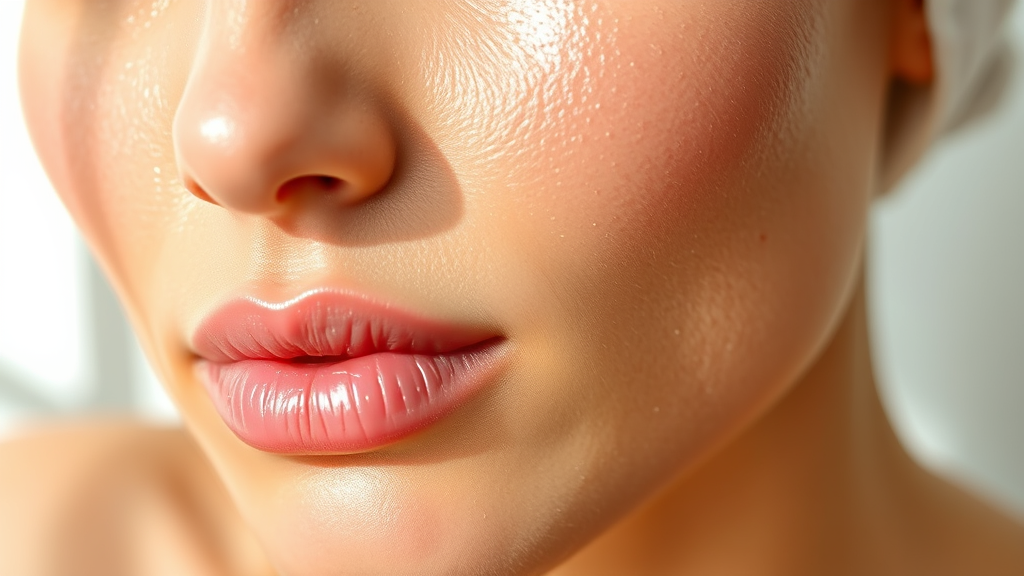
Proper aftercare following exfoliation is essential for maintaining skin health and maximizing the benefits of your scrub. Immediately after exfoliating, rinse thoroughly with lukewarm water to remove all scrub particles and any loosened dead skin cells. Avoid using hot water, which can further irritate freshly exfoliated skin and strip away natural oils.
Pat your skin dry with a clean, soft towel rather than rubbing, which can cause irritation. While your skin is still slightly damp, apply a high-quality moisturizer to lock in hydration. Freshly exfoliated skin is more permeable and will absorb moisturizer more effectively than before treatment. Choose a moisturizer that’s appropriate for your skin type and free from harsh chemicals or fragrances that might irritate sensitive post-exfoliation skin.
Consider incorporating relaxing bath treatments into your routine to enhance the overall experience and provide additional skin benefits. The 24 hours following exfoliation require special attention to skin protection, including avoiding harsh soaps, retinoids, or other potentially irritating products.
Common Mistakes to Avoid
Several common mistakes can diminish the effectiveness of body scrubs or even cause skin damage. Over-exfoliating is perhaps the most frequent error, leading to irritation, redness, and compromised skin barrier function. Remember that more frequent or aggressive scrubbing doesn’t necessarily lead to better results and can actually harm your skin’s natural protective mechanisms.
Using scrubs on broken, inflamed, or sunburned skin is another significant mistake. Exfoliation should only be performed on healthy skin, and any cuts, rashes, or irritated areas should be avoided completely. Additionally, applying too much pressure during scrubbing can cause micro-tears in the skin, leading to irritation and potential infection.
Many people also make the mistake of not following up with proper moisturization or sun protection. Exfoliated skin requires extra care and protection, particularly from UV exposure. Failing to moisturize immediately after exfoliation can lead to dryness and irritation, while neglecting sun protection can result in increased photosensitivity and potential damage.
DIY Exfoliating Scrub Options
Creating your own exfoliating body scrubs allows for customization based on your specific skin needs and preferences. A basic sugar scrub combines one cup of brown or white sugar with half a cup of coconut oil, creating an effective yet gentle exfoliant. For added benefits, incorporate honey for its antibacterial properties or essential oils for aromatherapy benefits.
Coffee ground scrubs are excellent for cellulite-prone areas, as caffeine may help improve circulation and temporarily tighten the appearance of skin. Mix used coffee grounds with coconut oil and a small amount of sugar for optimal texture. The antioxidants in coffee also provide additional skin benefits. Similar to facial scrub techniques, the key is using fresh, clean ingredients and proper storage.
For sensitive skin, an oatmeal-based scrub provides gentle exfoliation with soothing properties. Grind oats into a fine powder and mix with honey and a small amount of olive oil. This combination is particularly beneficial for those with eczema or dry skin conditions. According to Mayo Clinic, oatmeal has anti-inflammatory properties that can help calm irritated skin.
Frequently Asked Questions
How often should I use an exfoliating body scrub?
Most people should use exfoliating body scrubs 2-3 times per week. However, this frequency depends on your skin type and sensitivity. Those with sensitive skin may benefit from once-weekly exfoliation, while people with thicker, less sensitive skin might tolerate more frequent use. Always pay attention to your skin’s response and adjust accordingly.
Can I use the same scrub on my face and body?
Generally, no. Body scrubs are typically too harsh for facial skin, which is more delicate and sensitive. The particles in body scrubs are often larger and more abrasive than those designed for facial use. Instead, use products specifically formulated for facial exfoliation or create gentler facial treatments with finer particles.
Should I exfoliate before or after shaving?
It’s best to exfoliate before shaving. Exfoliation removes dead skin cells and lifts hair follicles, allowing for a closer, smoother shave while reducing the risk of ingrown hairs. However, avoid exfoliating immediately after shaving, as this can cause irritation to already sensitive skin. Wait at least 24 hours after shaving before exfoliating the same area.
What should I do if my skin becomes irritated after using a body scrub?
If you experience irritation, discontinue use immediately and rinse the area thoroughly with cool water. Apply a gentle, fragrance-free moisturizer or aloe vera gel to soothe the skin. Avoid using any other potentially irritating products for 24-48 hours. If irritation persists or worsens, consult a dermatologist.
Can I make my own exfoliating body scrub at home?
Yes, homemade body scrubs are easy to make and often more cost-effective than commercial options. Basic recipes include combining sugar or salt with oils like coconut, olive, or sweet almond oil. You can customize your scrub with ingredients like honey, essential oils, or ground oatmeal based on your skin’s needs and preferences.
Is it normal for my skin to feel tight after exfoliating?
Some mild tightness immediately after exfoliation is normal, but this should be relieved by proper moisturizing. If your skin continues to feel tight, dry, or uncomfortable after applying moisturizer, you may be over-exfoliating or using a scrub that’s too harsh for your skin type. Consider reducing frequency or switching to a gentler product.
When should I avoid using exfoliating body scrubs?
Avoid exfoliating if you have active acne, open wounds, cuts, rashes, sunburn, or any inflammatory skin conditions. Also, skip exfoliation if you’ve recently had professional treatments like chemical peels or laser therapy. According to FDA guidelines, always patch test new products and discontinue use if you experience adverse reactions.